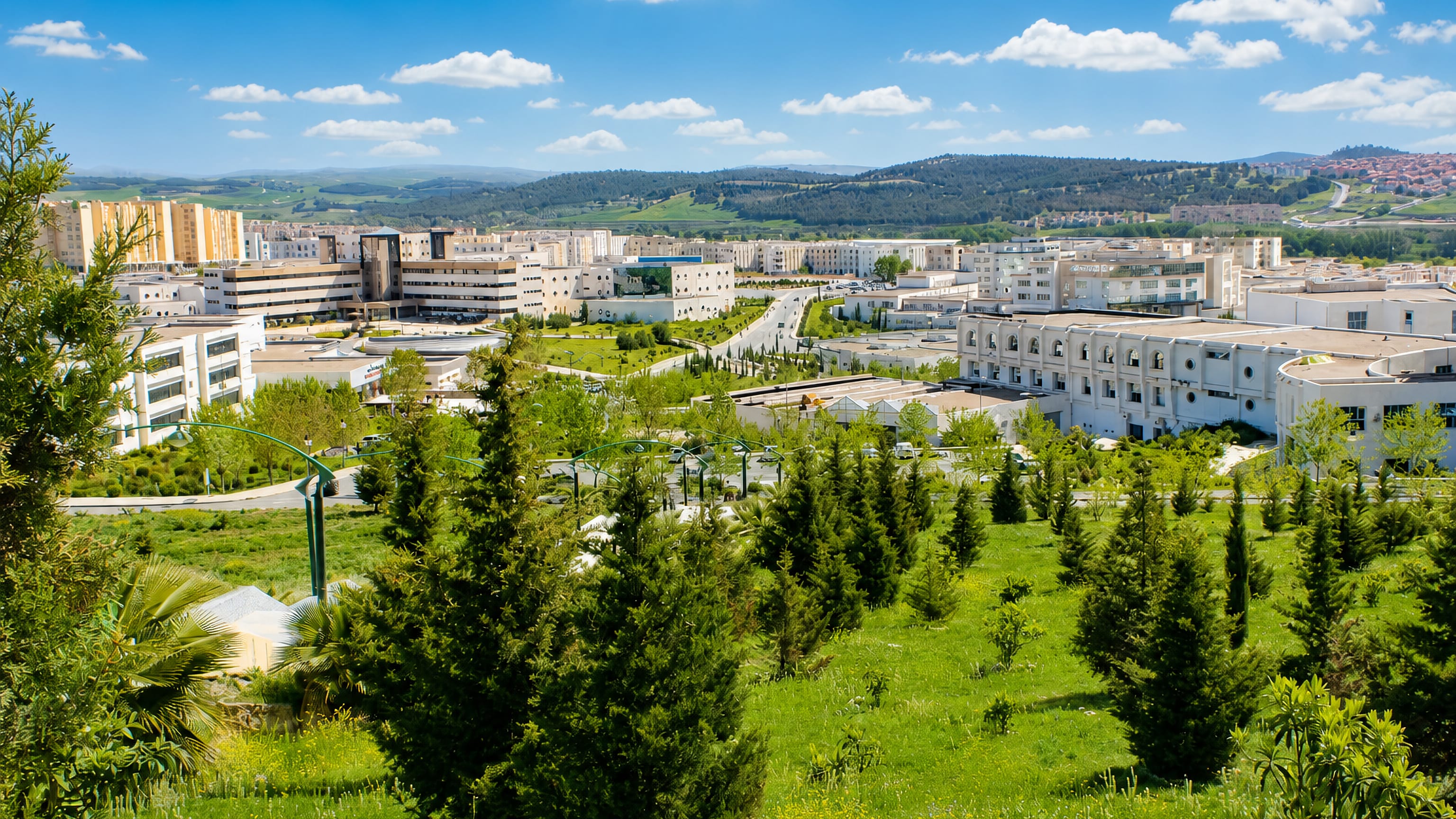
Algeria · Wilaya de Sétif
Where to Stay in Sétif, Wilaya de Sétif
Sétif is a city of the high plateau of northeast Algeria, an old Roman town of ruins and mosaics, gathered around a famous marble fountain.
Hotel links are affiliate links: booking through them may earn us a commission, at no extra cost to you. It never affects how places are ranked. How this works


Where to stay in Sétif
Where visitors usually base themselves, and why.
Where you stay in Sétif turns on the town or the plateau. The centre near the fountain keeps the markets, the museum, and the parks within a walk, and staying downtown suits anyone here for the town. Wide plateau spreads all around.
The old fountain plays in the square. Out toward the plains and the hills, the town gives way to the grain fields, the quiet villages, and the road up to the Babor mountains. A room out of the centre trades the streets for the wide plateau, the cold clear air, and the far blue line of the mountains.
The plateau runs on for miles. Stay downtown for the fountain, or out for the plateau. The old fountain and the Roman ruins hold the plateau city.
Find hotels in Sétif
Direct booking searches for these neighbourhoods.
The centre
Right in the middle of SétifFind hotels in The centreStays wanting the plains and mountainsThe plateau
Out on the Hauts PlateauxFind hotels in The plateauHotel links are affiliate links: booking through them may earn us a commission, at no extra cost to you. It never affects how places are ranked. How this works
About Sétif
Sétif is the plateau city of northeast Algeria.
What is Sétif known for?
High on the Hauts Plateaux in the northeast of the country, it grew from the Roman colony of Sitifis, and it keeps the ruins and mosaics of the old Roman town, the famous Ain El Fouara fountain in the centre, the great grain markets of the plateau, and the road to the Babor mountains. The high plateau runs to the hills. Cold winds cross the plain.
What are the main landmarks in Sétif?
The Ain El Fouara fountain is the pride of Sétif. The old marble fountain in the heart of the town, a symbol of the plateau city, stands downtown. Roman ruins lie under the streets.
The mosaics and stones of ancient Sitifis fill the museum nearby, while the Byzantine fort, the grain plains, and the Babor mountains mark the country around Sétif.
What is the history of Sétif?
Sétif was a Roman colony of the plateau. As Sitifis it rose as a colony of veterans on the high plains, and it grew rich on the grain of the plateau. The Romans left fine mosaics.
Their villas and streets were floored with great mosaics, now gathered in the town museum, among the finest of the land. A fountain became the town's own emblem. In the centre rose the marble fountain of Ain El Fouara, and it grew into the cherished sign of Sétif.
The plateau fed the country. On the wide plains around the town grew the grain and the herds, and Sétif became a market of the high plateau, and the city grew as the plateau town of the northeast, keeping its ruins, its fountain, and its grain. The cold winds still cross the plain.
Sétif keeps its plateau city on the Hauts Plateaux.
Where is Sétif?
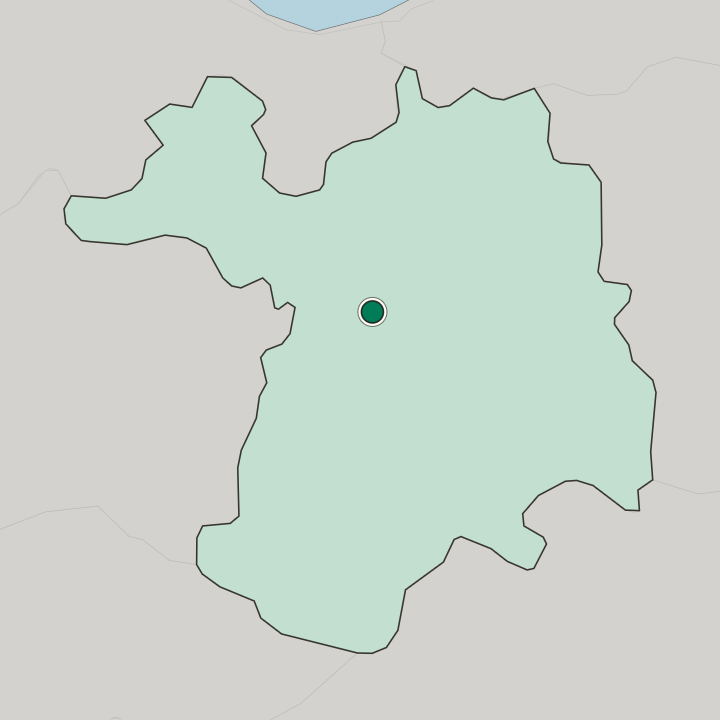
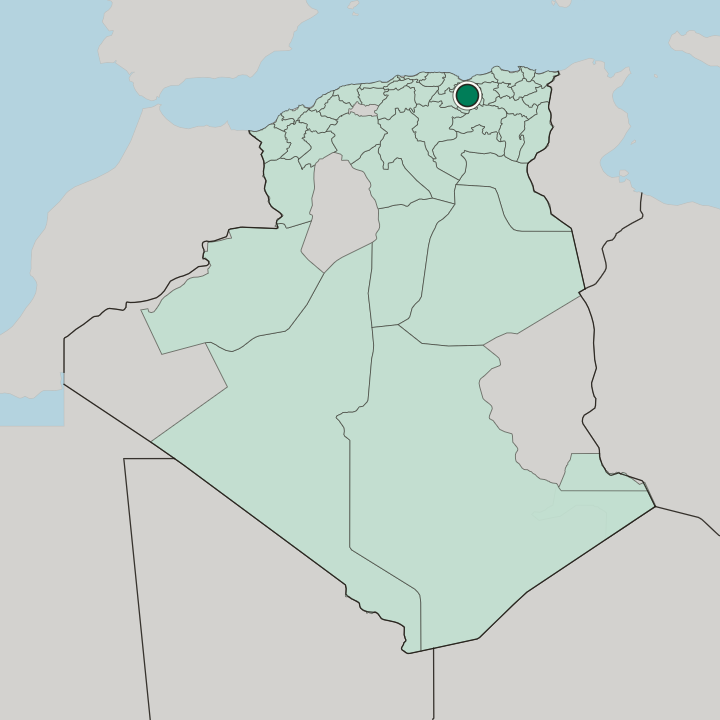
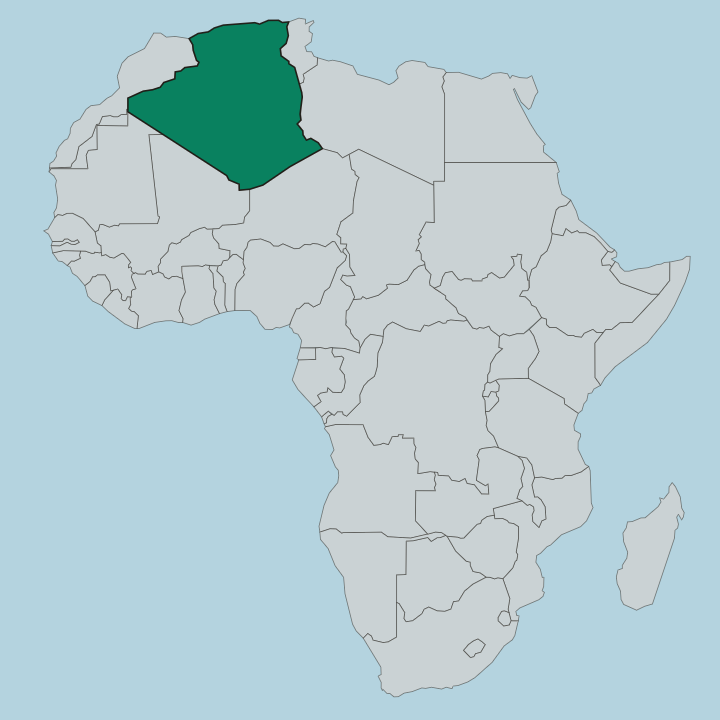
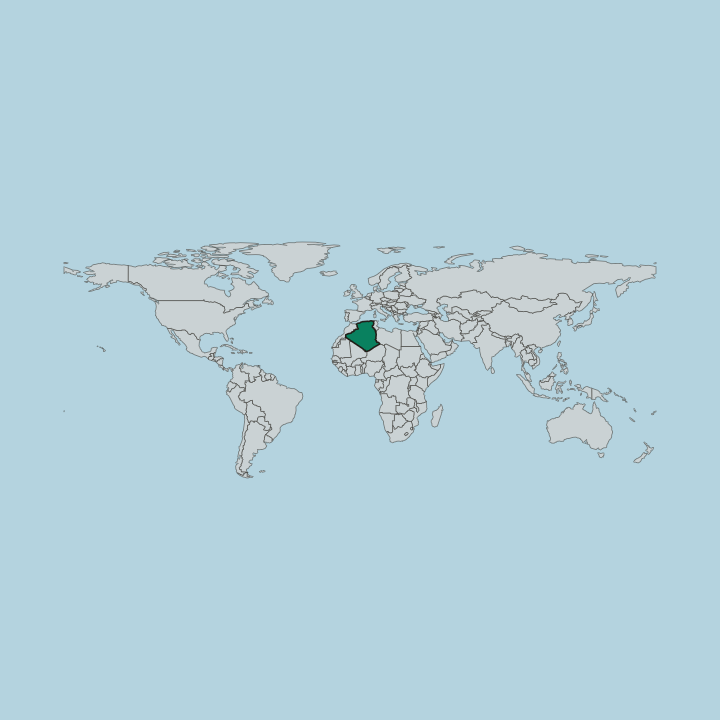
Sétif lies in the northeast of Algeria, high on the Hauts Plateaux. The city sits on a broad cold plateau at over a thousand metres, in a treeless land of grain and steppe, with the Tell mountains rising to the north and the high plains rolling away to the south toward the Sahara. The plateau runs flat and bare.
Bare hills stand to the north.
What is the climate of Sétif?
Sétif has a cold, dry plateau climate. Warm dry summers and cold snowy winters cross the highland, with hot clear summers and hard frost and snow in winter. Summer bakes the plain.
Winter brings frost and snow.
How do you get to Sétif?
Sétif lies on the high plateau of northeast Algeria, east of Algiers. The highway and the rail run to it from Algiers and Constantine, and roads climb to the mountains. Trains cross the plateau.
Constantine lies east down the line.
Common questions
What is the best area to stay in Sétif?
The centre: Visitors here for the fountain and museum. The plateau: Stays wanting the plains and mountains.
Good for
Another city in Wilaya de Sétif
Updated September 2026