Ecuador · Provincia del Guayas
Where to Stay in Guayaquil, Provincia del Guayas
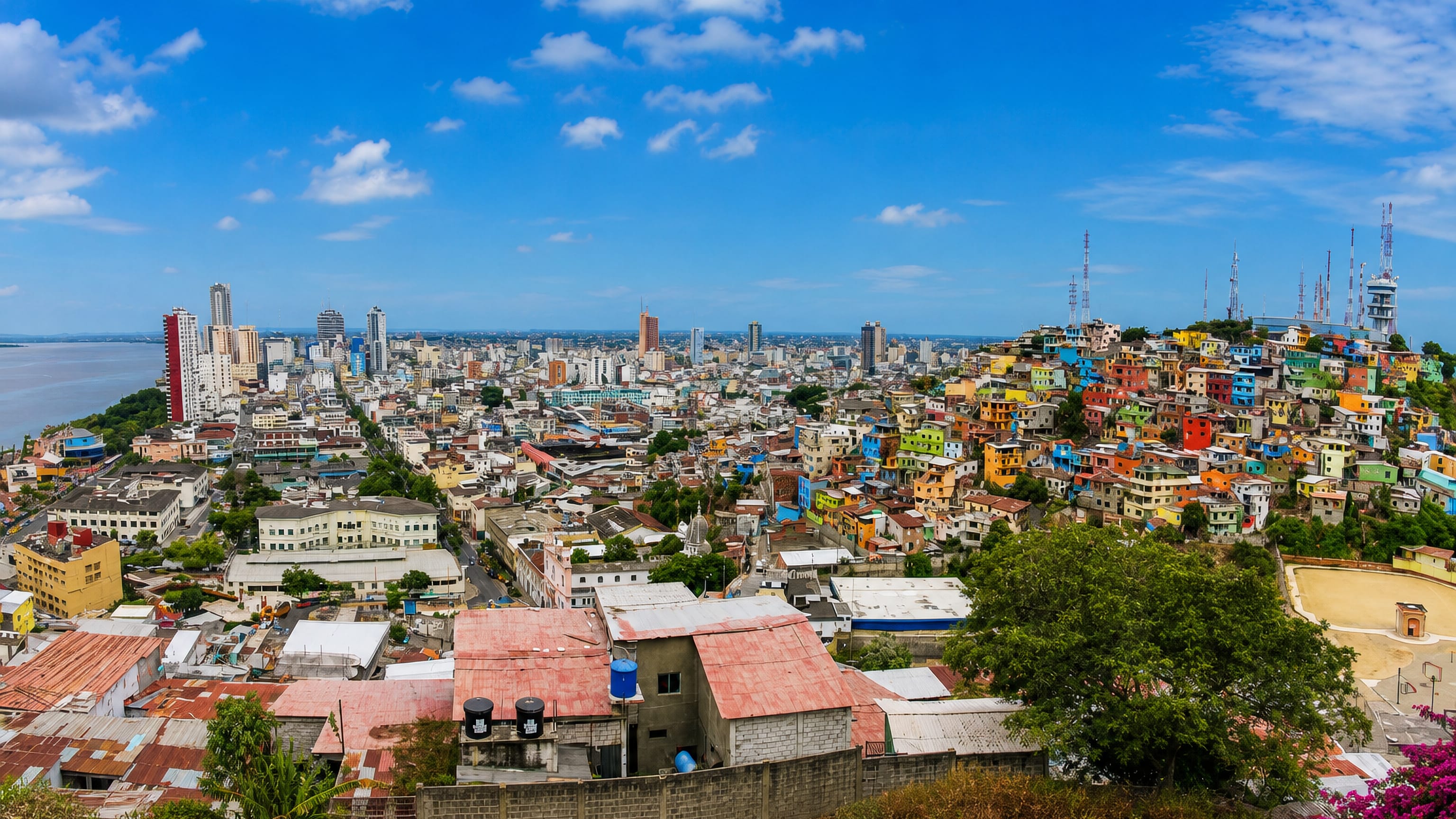
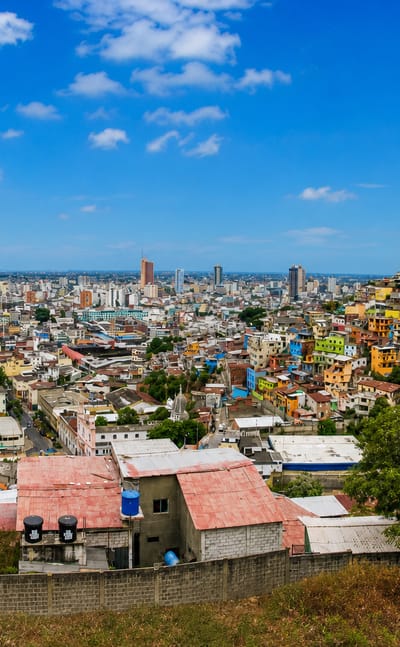
River water runs past the wharves of Guayaquil, the largest city of Ecuador and the port of Guayas, known for its riverfront and colonial churches.
Hotel links are affiliate links: booking through them may earn us a commission, at no extra cost to you. It never affects how places are ranked. How this works


Where to stay in Guayaquil
One neighbourhood here has its own guide — here's what it is best for.
 GuayaquilEcuador
Urdesa
Urdesa is a barrio of northern Guayaquil, Ecuador, laid out by the Urbanizadora del Salado beside the estuary and now the city's second commercial centre.Where to stay →Hotel links are affiliate links: booking through them may earn us a commission, at no extra cost to you. It never affects how places are ranked. How this works
Find hotels in Guayaquil
Direct booking searches for these neighbourhoods.
Colonial core
The historic center gathers hotels within a few blocks of the Guayaquil Metropolitan Cathedral, San Francisco Church, and the Museo Antropologico y de Arte Contemporaneo.Find hotels in Colonial coreBest if you want water views and the working harbour on the doorstep, with the old town a short walk north.Port and riverfront
The port quarter runs along the river south of the center, facing the crossings to Durán on the far bank and the wharves that made the city a Pacific gateway.Find hotels in Port and riverfrontHotel links are affiliate links: booking through them may earn us a commission, at no extra cost to you. It never affects how places are ranked. How this works
Things to do in Guayaquil
Ranked by global recognition; descriptions from Wikidata (CC0).
Museums & Galleries
3- Museo Municipal de la Música Popular Julio Jaramillo
- Luis Adolfo Noboa Naranjo Museum
- Presley Norton Museum
Churches & Religious Sites
3- Guayaquil Metropolitan Cathedral
- San Francisco Church, Guayaquil
- Iglesia del Cristo del Consuelo
Castles & Historic Sites
3- Monumento al Sagrado Corazón
- Monumento a Antonio José de Sucre, Guayaquil
- Monumento a la Fragua de Vulcano
worth knowingacross 3 categories in Guayaquil
About Guayaquil
What is Guayaquil known for?
Guayaquil is known as the largest city of Ecuador and its main Pacific port, a river city that grew as the country's trading link between the interior and the sea. Its riverfront and old churches draw most visitors. The Guayaquil Metropolitan Cathedral and San Francisco Church stand in the colonial core, while Durán, a UNESCO Creative City, faces the port from the far bank of the river.
Monuments line the waterfront too.
What are the main landmarks in Guayaquil?
Guayaquil's landmarks cluster in the colonial core and along the river. The Guayaquil Metropolitan Cathedral anchors the historic center, with San Francisco Church and the iglesia de Santo Domingo nearby. Monuments mark the civic squares.
The Monumento a Vicente Rocafuerte and the Monumento a Antonio José de Sucre honour the city's independence figures, while the Museo Antropologico y de Arte Contemporaneo and the Presley Norton Museum hold its main collections near the waterfront.
What is the history of Guayaquil?
Guayaquil was founded in 1534 as Santiago de Guayaquil, planted on the river by Spanish settlers as a port for the young colony on the Pacific. The site made the city. Its position on the water turned Guayaquil into the country's chief harbour and the trading gateway between the Ecuadorian interior and the sea, a role that shaped its growth for centuries.
The colonial town raised its churches along the bank, among them the Guayaquil Metropolitan Cathedral and San Francisco Church. Independence gave the city its heroes and its monuments. The Monumento a Vicente Rocafuerte and the Monumento a Antonio José de Sucre stand for the figures the port honoured after the break with colonial rule, and the civic squares grew up around them near the water.
Fire and rebuilding reshaped the old town more than once. The museums that line the center, among them the Museo Antropologico y de Arte Contemporaneo and the Presley Norton Museum, keep the record of that layered past, while across the river the sister settlement of Durán grew as the rail and port counterpart to Guayaquil.
Where is Guayaquil?
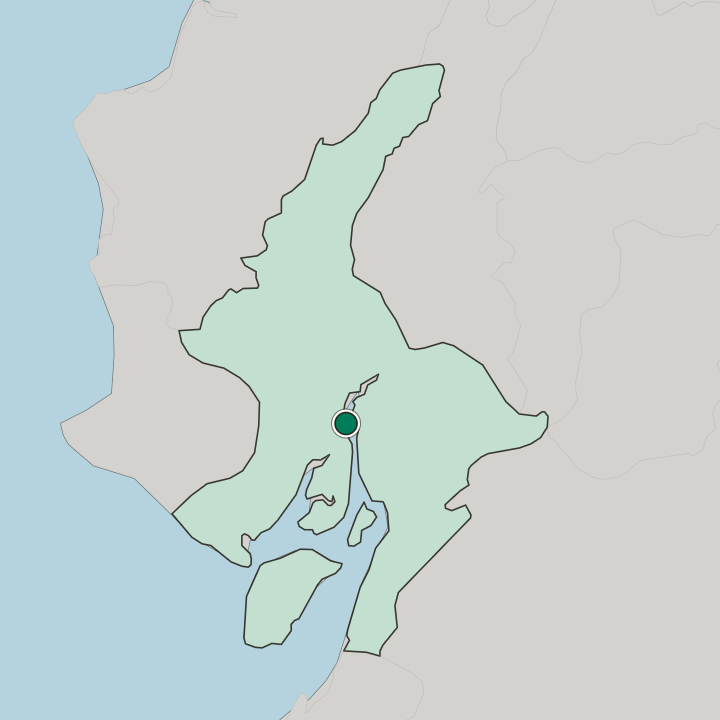
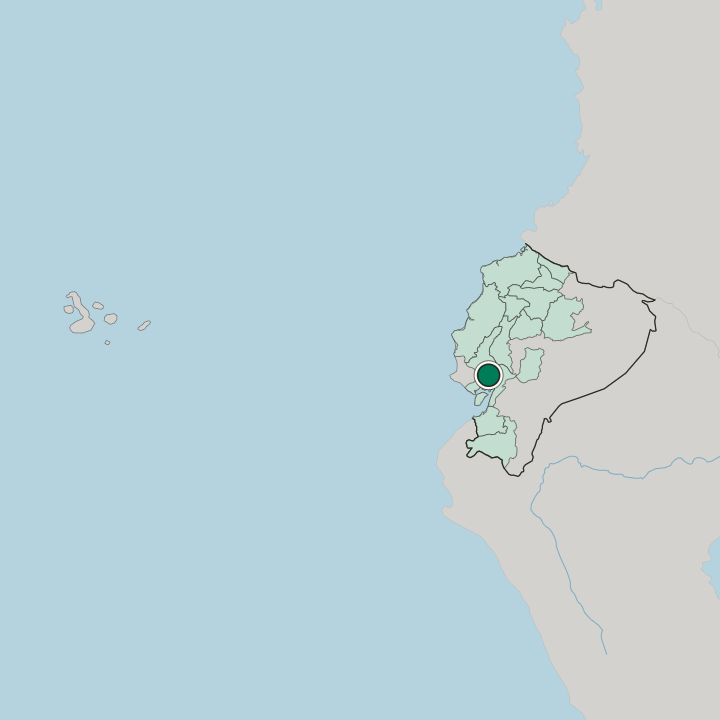
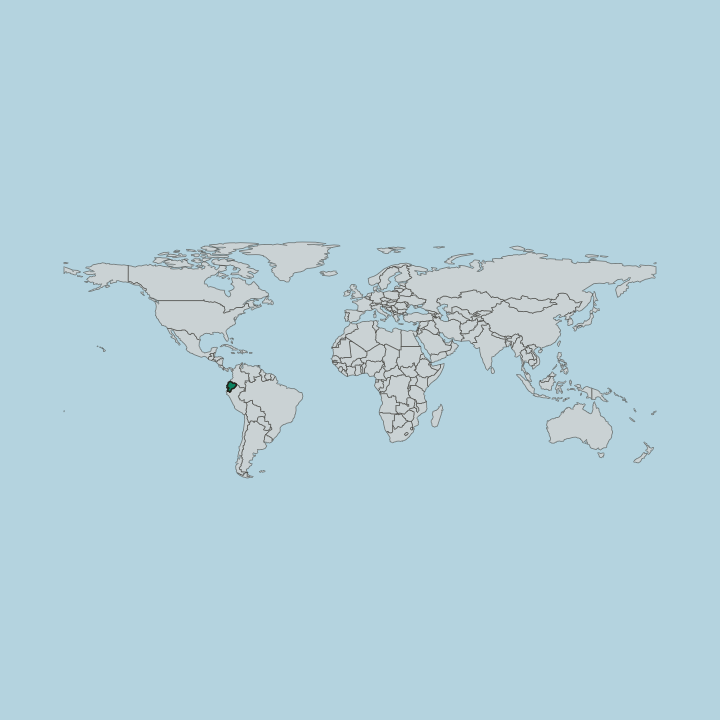
Guayaquil stands on the west bank of a river in the coastal lowland of Guayas, close to where the plain meets the Pacific. The city is low and flat, spread along the water rather than climbed against any hill. The river defines its whole shape.
Durán faces it across the channel on the east bank, and the wharves and crossings that link the two banks give Guayaquil its riverside frontage and its outlook toward the sea.
What is the climate of Guayaquil?
Guayaquil holds a hot, humid tropical climate, set by its low riverside ground near the Pacific. A long wet season brings heavy rain and thick humidity to the port, and a drier stretch follows with warm, clearer days. The heat holds through the year.
Moist coastal air off the ocean keeps the city warm and damp, a lowland climate quite unlike the cool highlands of the Ecuadorian interior.
How do you get to Guayaquil?
Guayaquil is reached mainly through its international airport and its port, the busiest gateway on the Pacific coast of Ecuador. Roads run inland across the flat plains of Guayas, and bridges cross the river to Durán and the eastern bank. The level ground makes arrival easy.
From the terminals, routes lead into the colonial core near the Guayaquil Metropolitan Cathedral, where the churches and museums sit within walking reach of the waterfront.
Common questions
What is the best area to stay in Guayaquil?
Colonial core: Best if you want the churches and museums a short walk from bed and accept a busy central grid in return.. Port and riverfront: Best if you want water views and the working harbour on the doorstep, with the old town a short walk north..
Good for
Another city in Provincia del Guayas
Updated September 2026