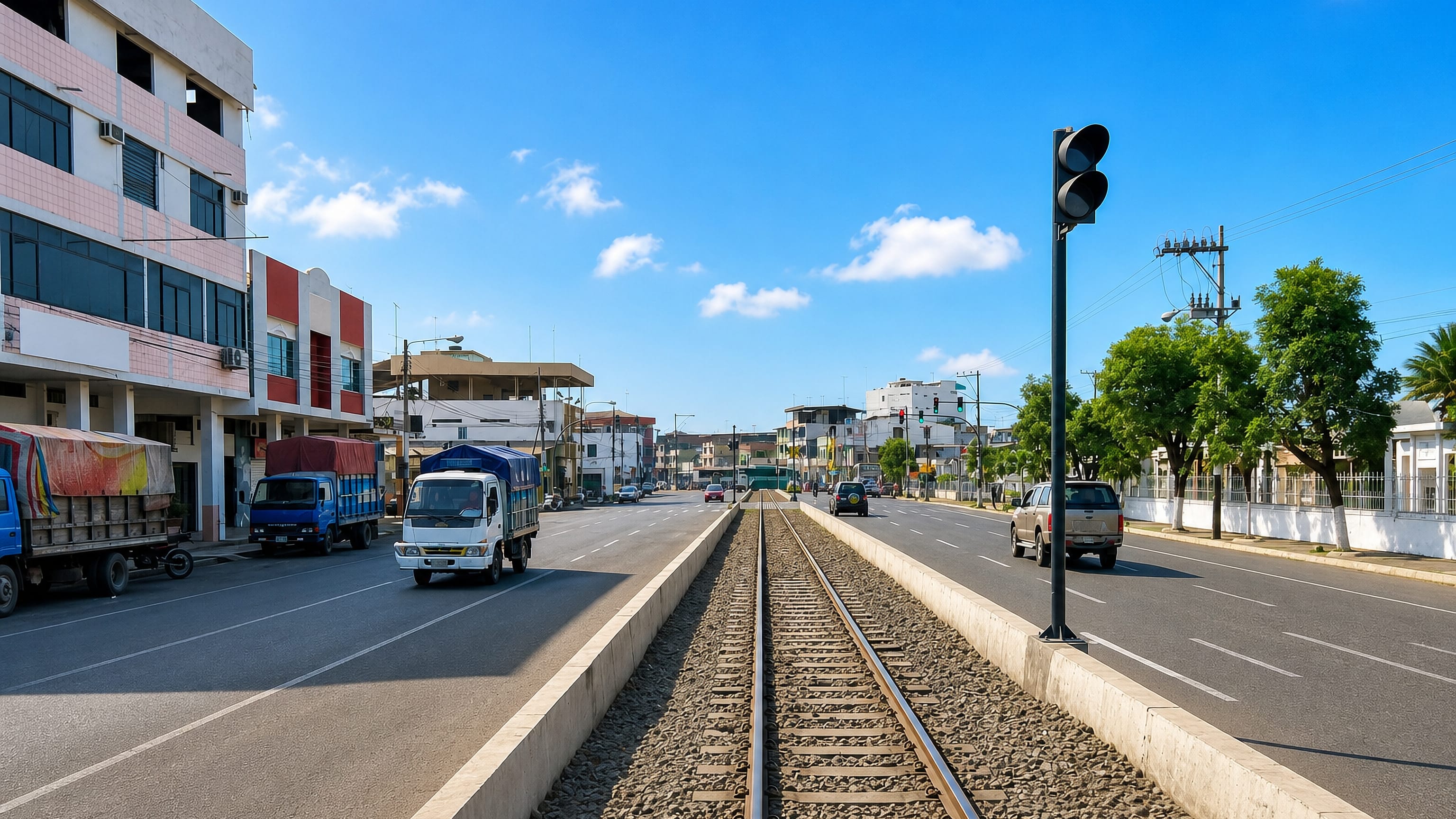
Ecuador · Provincia del Guayas
Where to Stay in Milagro, Provincia del Guayas
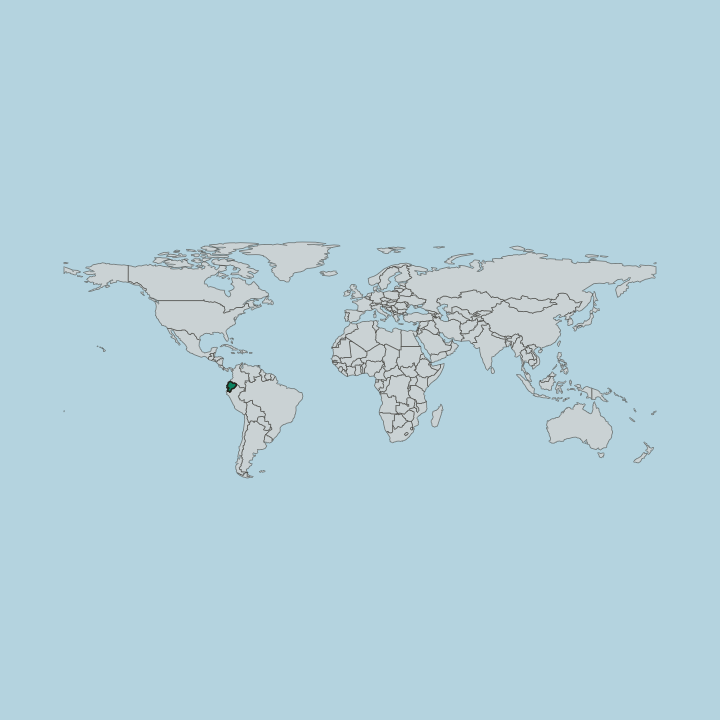
San Francisco de Milagro, in the Ecuadorian province of Guayas, is the seat of Milagro Canton. The name shortens to Milagro.
Hotel links are affiliate links: booking through them may earn us a commission, at no extra cost to you. It never affects how places are ranked. How this works


Where to stay in Milagro
Where visitors usually base themselves, and why.
Work sets the tone in Milagro. Beds here serve the business of a canton seat and the traffic moving through Guayas, which means a visitor is choosing between a room in the built centre and a room near the roads rather than between resort districts. The city is small in area.
Thirty square kilometres hold the whole of it, so the distance between one part of Milagro and another is rarely the deciding factor in a booking. Milagro's centre is the sensible pick. San Francisco de Milagro concentrates its administration, its trade and its everyday services in the streets around the seat of Milagro Canton, and staying there puts a traveller inside the part of the city that actually operates.
Traffic favours the edges. A vehicle is easier to keep on the outer streets where the city meets the road network of Provincia del Guayas, and a driver crossing this part of Ecuador may prefer that to threading into the centre twice a day. Book with the purpose in mind.
Someone here for canton business wants the centre, someone breaking a drive wants the edge, and the compact scale of Milagro means neither choice costs much time.
Find hotels in Milagro
Direct booking searches for these neighbourhoods.
The centre of Milagro
The built core of San Francisco de Milagro, where a city of thirty square kilometres keeps its business inside the fewest blocksFind hotels in The centre of MilagroDrivers breaking a run across Provincia del Guayas with a night in MilagroThe Guayas road edge
The outer streets where Milagro meets the provincial road network, easier for a vehicle than the canton seat's centreFind hotels in The Guayas road edgeHotel links are affiliate links: booking through them may earn us a commission, at no extra cost to you. It never affects how places are ranked. How this works
About Milagro
The city runs a canton.
What is Milagro known for?
Milagro is the seat of Milagro Canton, which makes it the administrative reference point for the surrounding country rather than a stop chosen for a single sight. Its ground is compact. Around thirty square kilometres carry the built-up city, and the province of Guayas provides the wider frame that most journeys through this part of Ecuador are organised by.
What are the main landmarks in Milagro?
Milagro keeps its landmarks civic. The city's reference points are the offices and streets that come with being the seat of Milagro Canton, rather than a cathedral or a monument that would pull visitors across the province of Guayas. San Francisco de Milagro is the formal name behind that role.
A traveller arriving with a checklist of sights will find the city gives up little, while one arriving to see how a canton seat in tropical Ecuador actually works will find plenty in the ordinary streets.
What is the history of Milagro?
The date on the record is 1786. That puts the beginning of the settlement more than two centuries back, long before the canton and the province took the administrative shape they now hold. San Francisco de Milagro is the name that came with it.
The saint's name in front and the short form behind it are both still in use, one on paperwork and one in speech. Milagro became a canton seat. Ecuador organises its provinces into cantons, and the city holds that rank for Milagro Canton inside the province of Guayas, which is the position that gives it weight beyond its own streets.
Seats keep their function. Offices, records and local authority collect in a canton seat, and that role has outlasted whatever first drew people to this ground. The built city is recent.
Thirty square kilometres of ground carry a city that the settlement of 1786 would not recognise, and none of that expansion changed the name it was founded under. Provincia del Guayas has been the frame throughout. Whatever else moved, Milagro stayed a Guayas town, and the canton it heads still takes its name from the same word.
Where is Milagro?
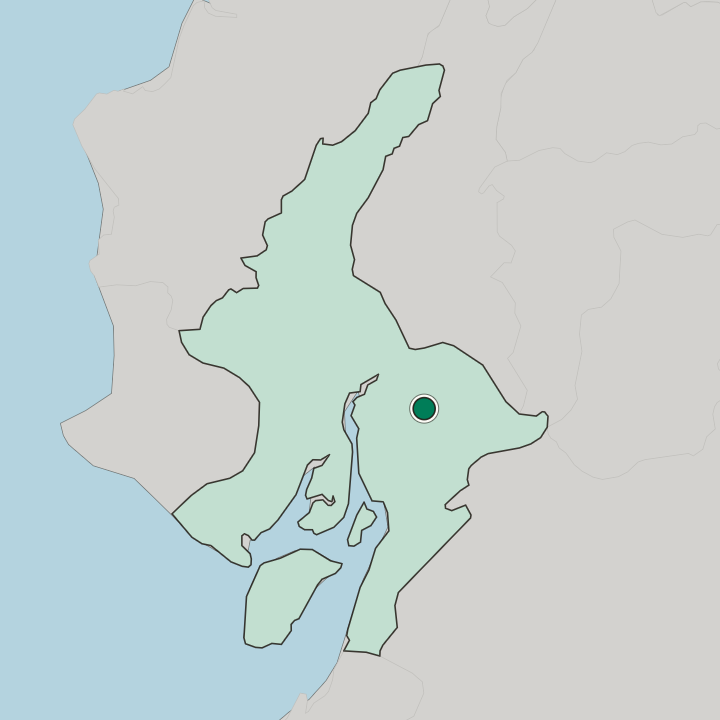
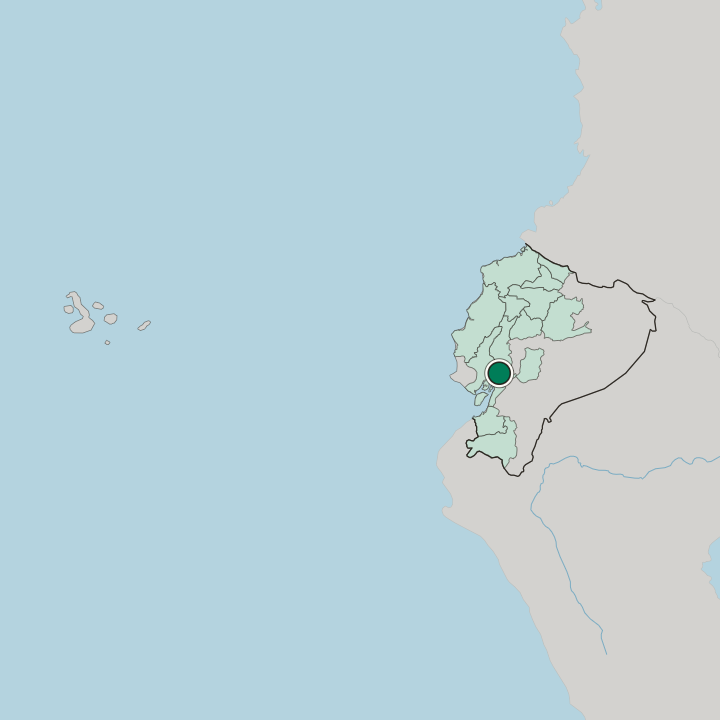
Milagro sits in tropical country. The city occupies about thirty square kilometres of the province of Guayas, on ground that lies south of the equator without being far from it, which is what keeps the heat steady rather than seasonal. The canton extends further.
Milagro Canton takes in country beyond the built-up area, so the city's boundaries and the canton's are not the same line on the map.
What is the climate of Milagro?
Heat is the constant in Milagro. The city sits in the tropical band a short distance south of the equator, so the year divides into wetter and drier months instead of into warm and cold ones, and a visitor packs for humidity rather than for a change of season. Humidity does the rest.
What varies across Guayas is rainfall, and a trip to Milagro is planned around water rather than around temperature.
How do you get to Milagro?
Roads bring people to Milagro. The city sits inside the province of Guayas and works as the seat of its canton, so movement here follows the provincial road network rather than any single terminal that dominates arrivals. Nothing in Milagro lies far away.
Milagro's thirty square kilometres can be crossed quickly once a traveller is inside them, and the harder part of a journey is usually the stretch through Guayas that comes before it.
Common questions
What is the best area to stay in Milagro?
The centre of Milagro: Days spent at the canton offices and in the city's own trade. The Guayas road edge: Drivers breaking a run across Provincia del Guayas with a night in Milagro.
Another city in Provincia del Guayas
Updated September 2026