Ecuador
Provincia del Guayas, Ecuador — Towns & Travel Guide
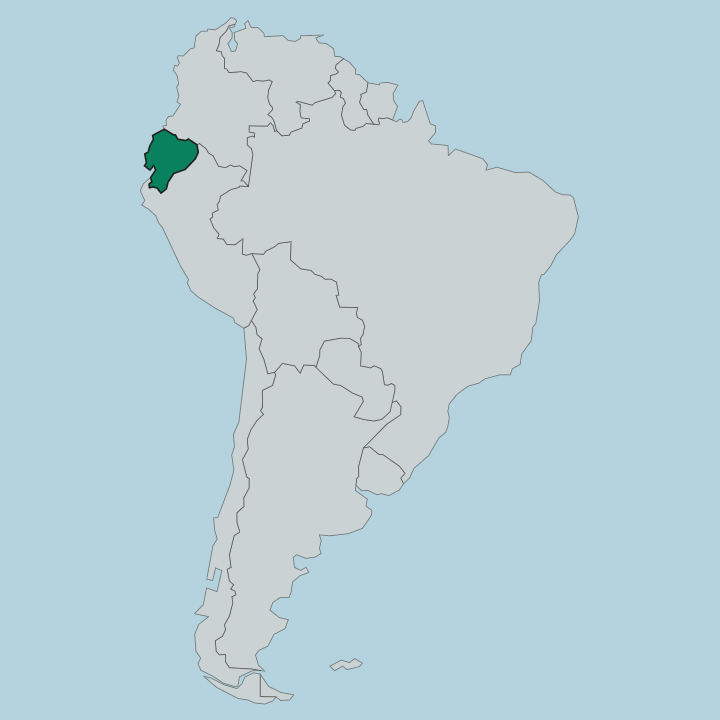
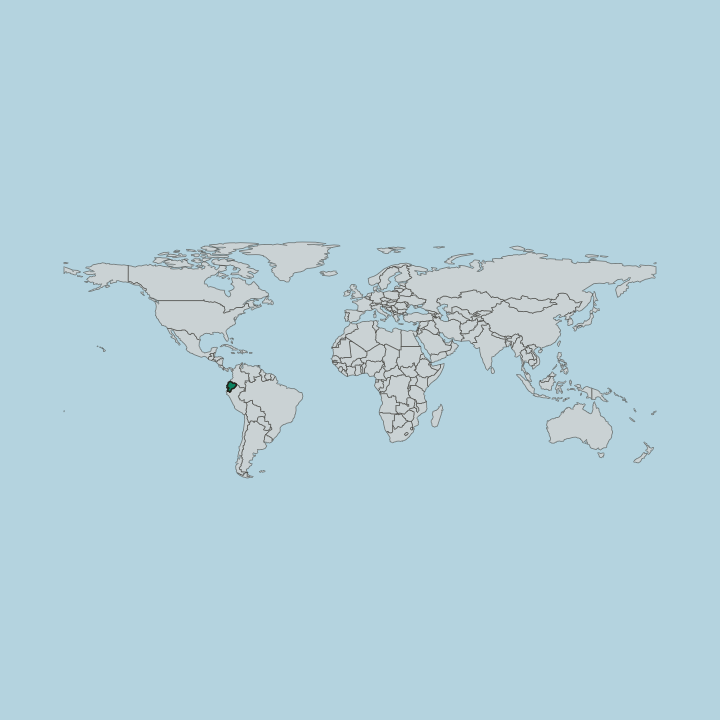
Guayas is a coastal province of Ecuador on the Pacific Ocean, a lowland region whose largest city and hub is Guayaquil.
Hotel links are affiliate links: booking through them may earn us a commission, at no extra cost to you. It never affects how places are ranked. How this works


Towns & cities in Provincia del Guayas
Pick a town or city — each links to where to stay.
 Ecuador
Guayaquil
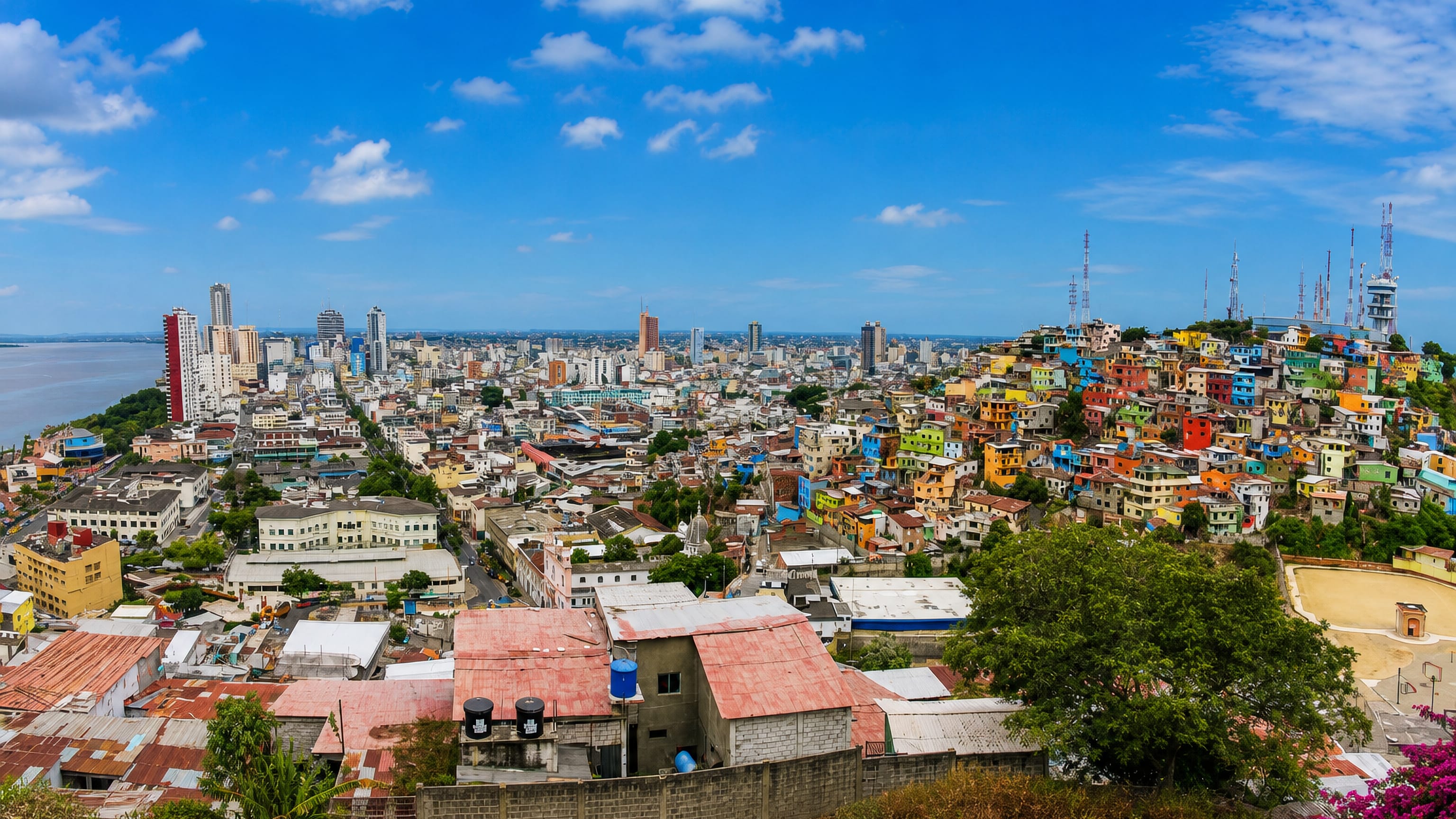
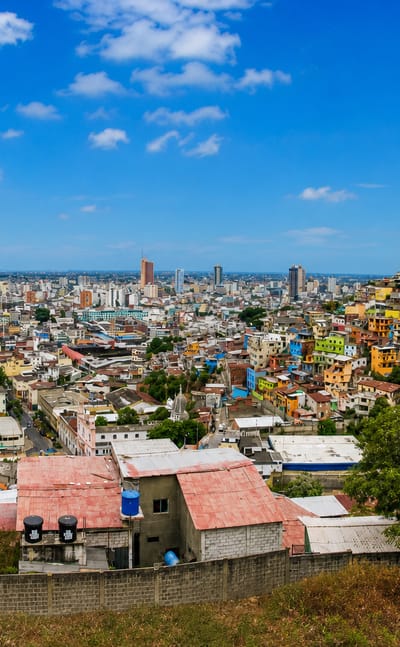
River water runs past the wharves of Guayaquil, the largest city of Ecuador and the port of Guayas, known for its riverfront and colonial churches.Where to stay →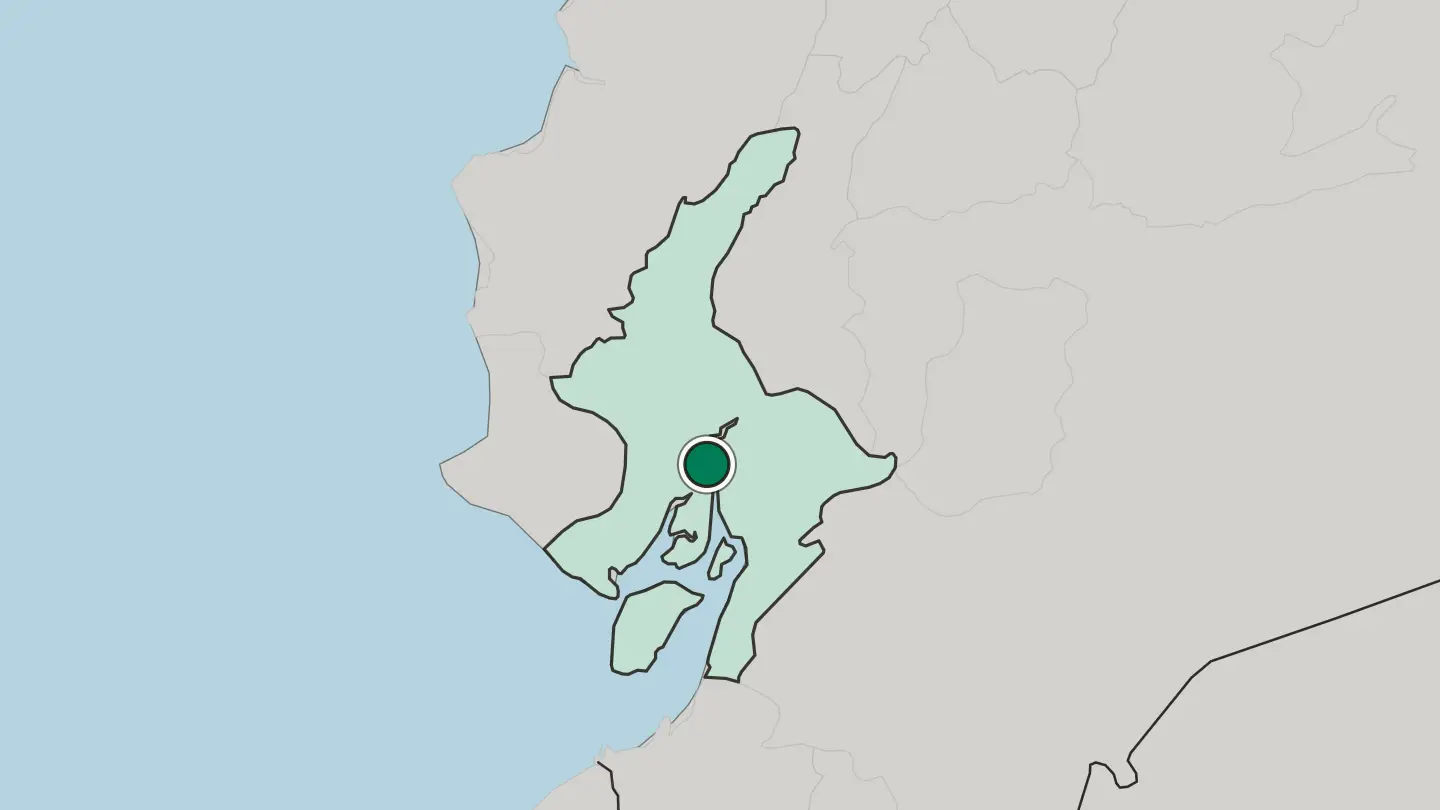
 Ecuador
Milagro
San Francisco de Milagro, in the Ecuadorian province of Guayas, is the seat of Milagro Canton. The name shortens to Milagro.Where to stay →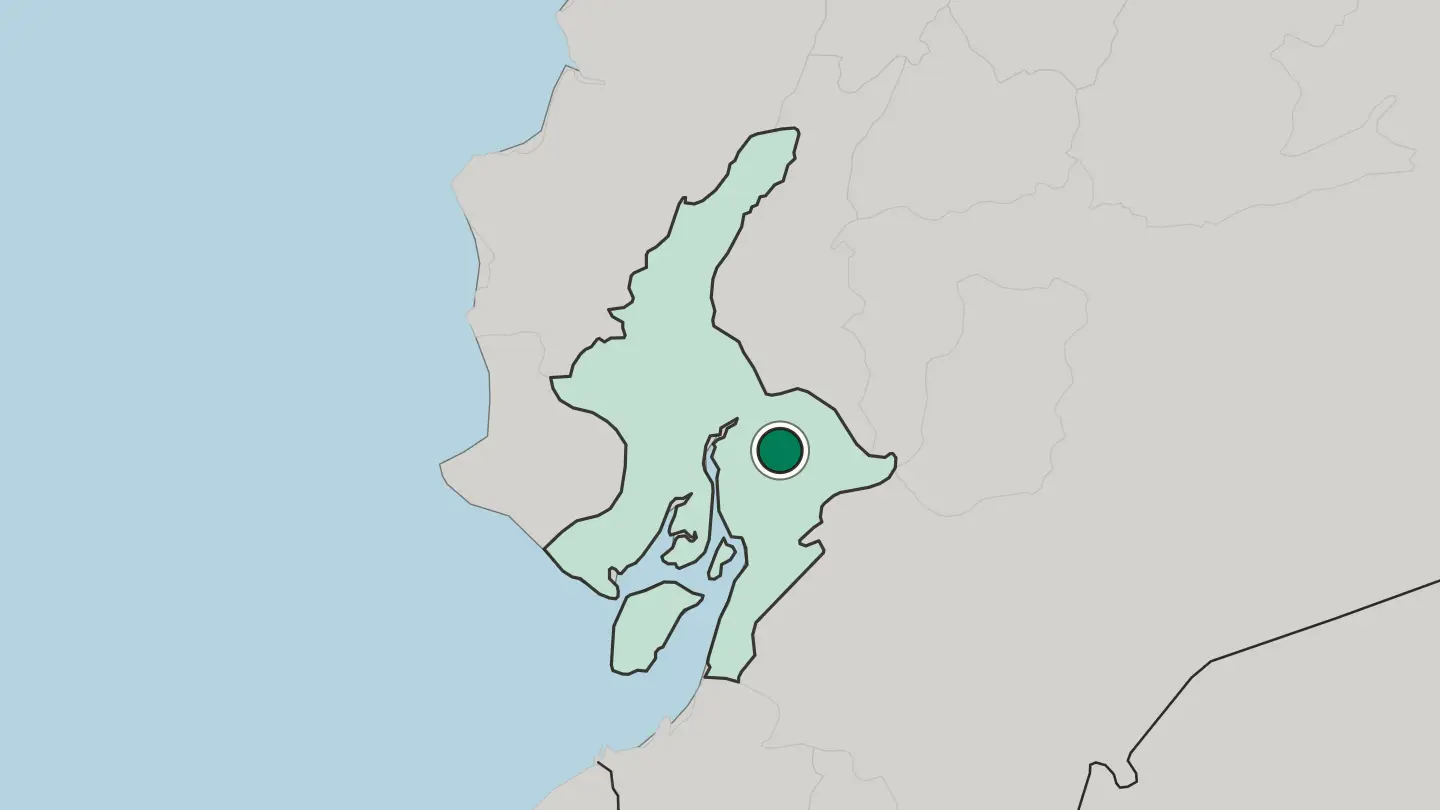
Hotel links are affiliate links: booking through them may earn us a commission, at no extra cost to you. It never affects how places are ranked. How this works
About Provincia del Guayas
What is Provincia del Guayas known for?
Guayas is known as the coastal heart of Ecuador, the lowland province that fronts the Pacific Ocean and centres on Guayaquil, the country's largest city. Its plains reach inland from the shore toward the Andean provinces to the east. Water shapes it throughout.
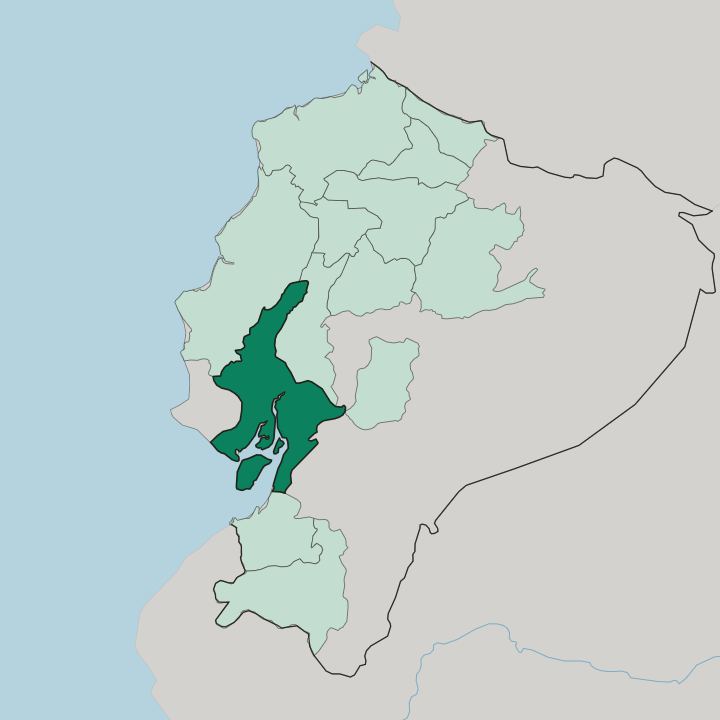
The province meets Manabí and Santa Elena to the west, Los Ríos, Bolívar, Chimborazo, Cañar, and Azuay to the east, and El Oro to the south.
Where is Provincia del Guayas?
Guayas spreads across the coastal lowland of Ecuador, a broad plain that runs from the Pacific Ocean inland toward the foot of the Andes. The province is low and warm, drained by rivers that thread the flats around Guayaquil before reaching the sea. Its ground barely rises.
Wide farmland and river channels fill the interior, while the western edge opens directly onto the ocean along a long stretch of shore shared with Santa Elena and Manabí. Borders box the province on every side. Manabí and Santa Elena lie to the west with the Pacific Ocean, Los Ríos and Bolívar to the north, Chimborazo, Cañar, and Azuay to the east, and El Oro to the south.
Those eastern edges rise toward the mountains. Where the flat coastal plain of Guayas meets the higher ground of Bolívar and Chimborazo, the lowland gives way to the Andean provinces, so the region runs from sea-level shore to the base of the range within its bounds.
What is Provincia del Guayas like?
Guayas carries the culture of the Ecuadorian coast, distinct from the highland Sierra and centred on the port life of Guayaquil. Spanish is the common language of the province. The lowland plains gave the region a farming and river-trading tradition, and the ocean gave its largest city the outlook of a seaport, so coastal custom rather than mountain custom sets the tone across Guayas.
Warmth runs through daily life. Beyond Guayaquil, the province keeps the rhythms of the coastal lowland it shares with Manabí and Santa Elena. River towns, coastal markets, and the food of the Pacific plains tie the communities together, and the way of life differs sharply from the Andean provinces of Chimborazo and Azuay that ring the eastern border.
Two Ecuadors meet at that edge. The contrast between coastal Guayas and the mountain interior is one of the clearest divides in the country.
What is the history of Provincia del Guayas?
Guayas was established as a province in 1824, in the early republican reorganisation of Ecuador after independence. Guayaquil anchored it from the start. The coastal port, already the country's great trading city on the Pacific, became the seat and drew the surrounding lowland into a single province.
Its borders later firmed against Manabí, Los Ríos, and El Oro as the coastal and Andean provinces took shape.
What is the climate of Provincia del Guayas?
Guayas holds a hot, humid tropical climate, set by its low ground on the Pacific coast rather than by altitude. A pronounced wet season brings heavy rain to the plains around Guayaquil, and a drier stretch follows with clearer, still-warm days. The heat rarely lets up.
Coastal moisture off the Pacific Ocean keeps the lowland province warm and damp for much of the year, in sharp contrast to the cooler Andean provinces on its eastern border.
How do you get to Provincia del Guayas?
Guayas is reached through Guayaquil, whose international airport and port serve the whole province from the coast. Roads run inland from the city across the lowland plains, linking Guayas to the Andean provinces of Bolívar and Chimborazo to the east and to El Oro along the Pacific shore to the south. The flat terrain makes for easy driving.
From Guayaquil the coastal routes fan out toward the ocean beaches and the river towns of the interior.
Good for
More regions in Ecuador
Updated September 2026