Estonia · Tartumaa
Where to Stay in Tartu, Tartumaa
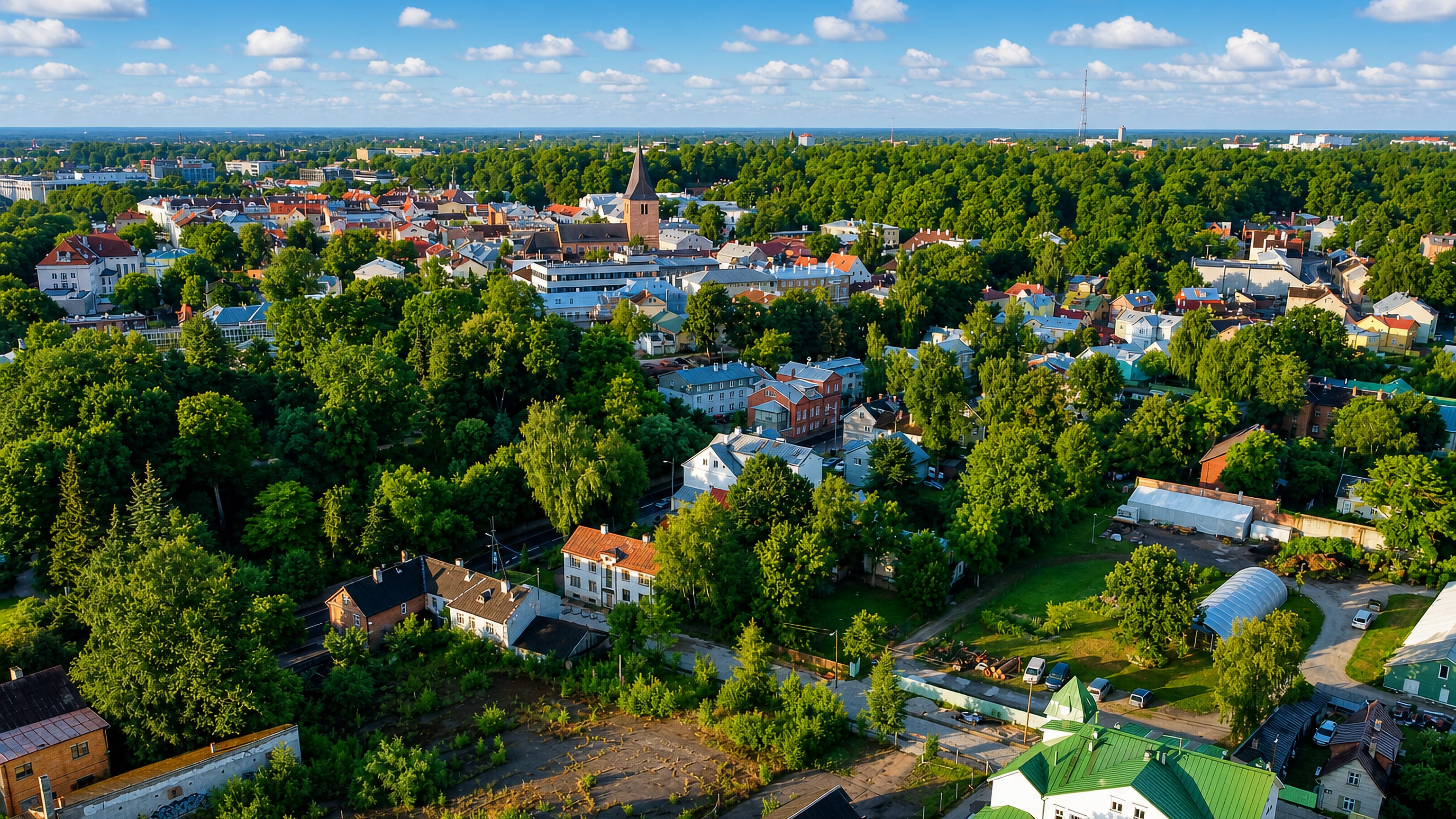
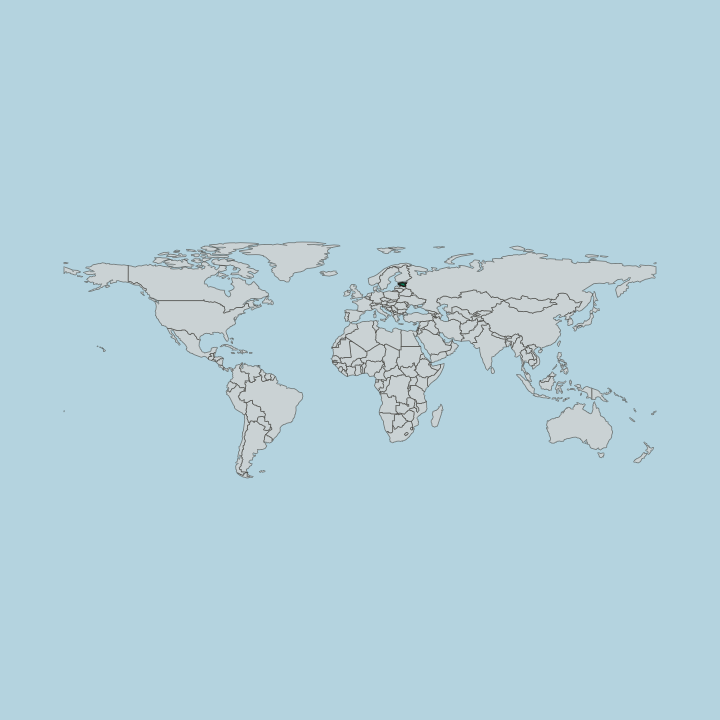
The Emajõgi slides through the heart of Tartu, a university city in Tartumaa and the oldest town in the Baltics, southeast of Tallinn.
Hotel links are affiliate links: booking through them may earn us a commission, at no extra cost to you. It never affects how places are ranked. How this works


Where to stay in Tartu
Where the beds are, and what that means for the visit.
Tartu spreads along both banks of the Emajõgi, and the choice of where to stay turns on that river. The old town on the western side holds Saint Peter's Church, St. John's Church, and the plazas beneath Toomemägi, the cathedral hill that gathers the University of Tartu Museum and the Snail Tower. Base yourself here and the student quarter, the churches, and the riverfront all sit within an easy walk.
Uphill and outward the mood shifts. The University of Tartu Botanical Gardens and the University of Tartu Art Museum draw you into the leafier academic edge, away from the busiest lanes. Monuments to the university's names, from Barclay de Tolly to Kristjan Jaak Peterson, stand across the central squares.
For a first stay, take the old town by the Emajõgi, close to the churches and the cathedral hill; for a calmer base among gardens and museums, look to the university slopes above the river.
Find hotels in Tartu
Direct booking searches for these neighbourhoods.
Old town by the Emajõgi
Saint Peter's Church, St. John's Church, and the Snail Tower sit under Toomemägi beside the riverfront.Find hotels in Old town by the EmajõgiQuieter stays among gardens and museums above the riverUniversity slopes
The University of Tartu Botanical Gardens and University of Tartu Art Museum give the academic edge its leafy calm.Find hotels in University slopesHotel links are affiliate links: booking through them may earn us a commission, at no extra cost to you. It never affects how places are ranked. How this works
Things to do in Tartu
Ranked by global recognition; descriptions from Wikidata (CC0).
Museums & Galleries
3- University of Tartu Botanical Gardens
- University of Tartu Art Museum
- University of Tartu Museum
Churches & Religious Sites
6- St. John's Church Heritage
- St. Paul’s Church Heritage
- Saint Peter's Church Heritage
- St. Mary's Church Heritage
- Immaculate Conception Church Heritage
Show 1 more →
- Tartu University Church Heritage
Castles & Historic Sites
8- Barclay de Tolly Monument Heritage
- Monument of Nations Heritage
- World War II Memorial in Tartu Heritage
- Monument to Friedrich Robert Faehlmann Heritage
- Armeenia ja Eesti rahva sõpruse monument Heritage
Show 3 more →
- Monument to Ernst von Bergmann Heritage
- Monument to Johann Karl Simon Morgenstern Heritage
- Bust of Teodor Lippmaa Heritage
Stadiums & Sports
2- University of Tartu Sports Hall
- A. Le Coq Sports Hall
Landmarks & Notable Places
1- Snail Tower
worth knowingacross 5 categories in Tartu
About Tartu
What is Tartu known for?
Tartu is the second-largest city in Estonia. It grew as a Hanseatic town on the Emajõgi and was long known across Europe by the name Dorpat, a river port whose learning came to define it above all else. The University of Tartu still shapes the streets and the calendar.
Churches and monuments crowd the old core. Students fill the river town.
What are the main landmarks in Tartu?
Tartu's landmarks cluster around the university and the churches of the old core. St. John's Church and Saint Peter's Church anchor the parish life, while the Snail Tower and the University of Tartu Museum crown Toomemägi. Monuments mark the scholars.
The Barclay de Tolly Monument and the statue of Kristjan Jaak Peterson stand in the central squares, and the University of Tartu Botanical Gardens draws visitors to the greener academic edge.
What is the history of Tartu?
Tartu dates back to 1030, which makes it the oldest city in the Baltics. It rose on the banks of the Emajõgi as a river crossing and grew into a Hanseatic trading town in the medieval centuries. For most of the world, from the 13th century to the end of the 19th, the place was known by the name Dorpat.
Learning became its lasting identity. The University of Tartu, founded in the 17th century, drew scholars whose names still fill the squares, from Barclay de Tolly to Kristjan Jaak Peterson. Churches such as St. John's Church and Saint Peter's Church marked the growth of the old town beneath Toomemägi.
War and empire passed over the city more than once, and the World War II Memorial in Tartu records one of those darker chapters. Yet the university endured through every turn. So the city carries a double weight.
It is at once the oldest town in the Baltics and the intellectual heart of Estonia on the Emajõgi.
Where is Tartu?
Tartu lies on the Emajõgi. This is the river that links Estonia's two largest lakes, with Lake Võrtsjärv upstream and Lake Peipus downstream, so the city commands the whole water road that runs between them. The surrounding land is low and lake-laced.
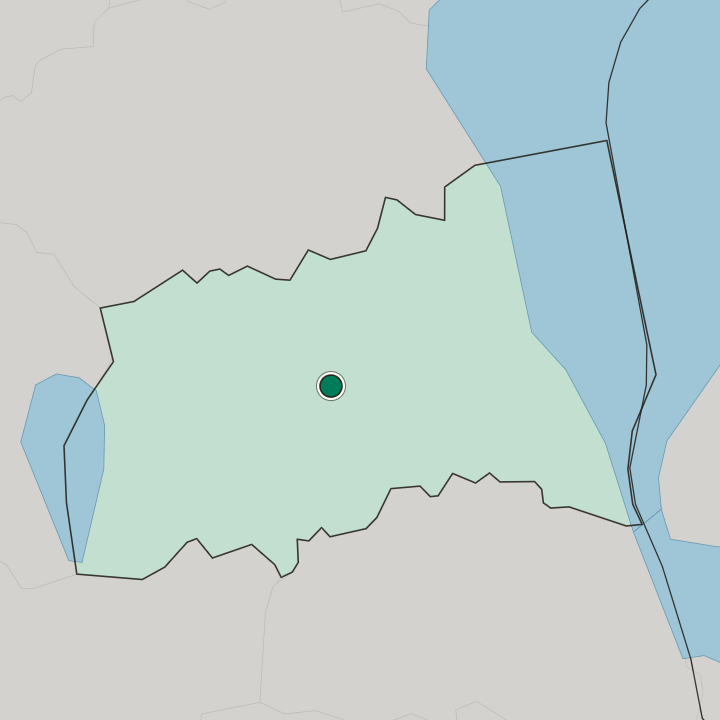
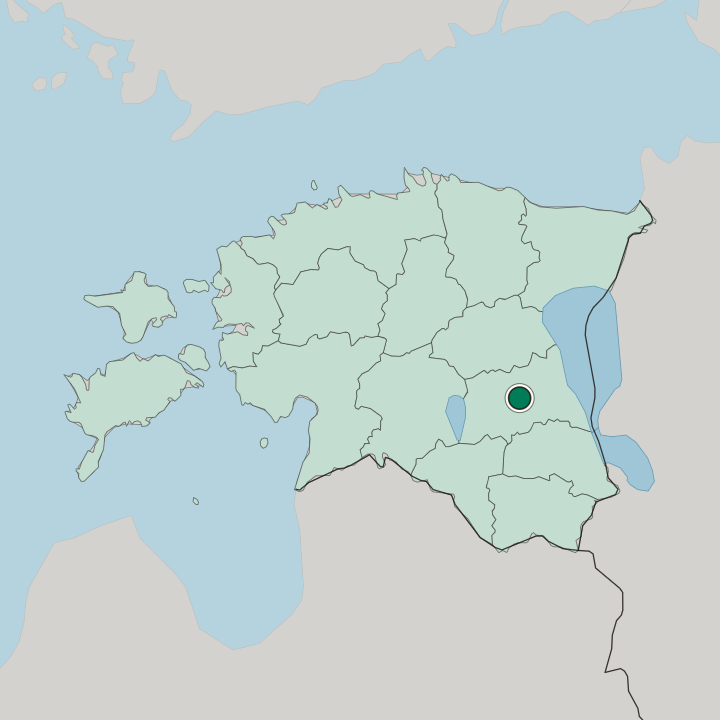
That flat, watery setting shaped a river town, and Tartumaa spreads around it southeast of Tallinn.
What is the climate of Tartu?
Tartu holds a temperate inland climate on the lake plain of the Emajõgi. Winters run cold and long, with snow settling over the river and the lakes, while summers stay short and mild. The seasons turn sharply here.
Spring and autumn feel brief. The Baltic weather softens little this far from the coast.
How do you get to Tartu?
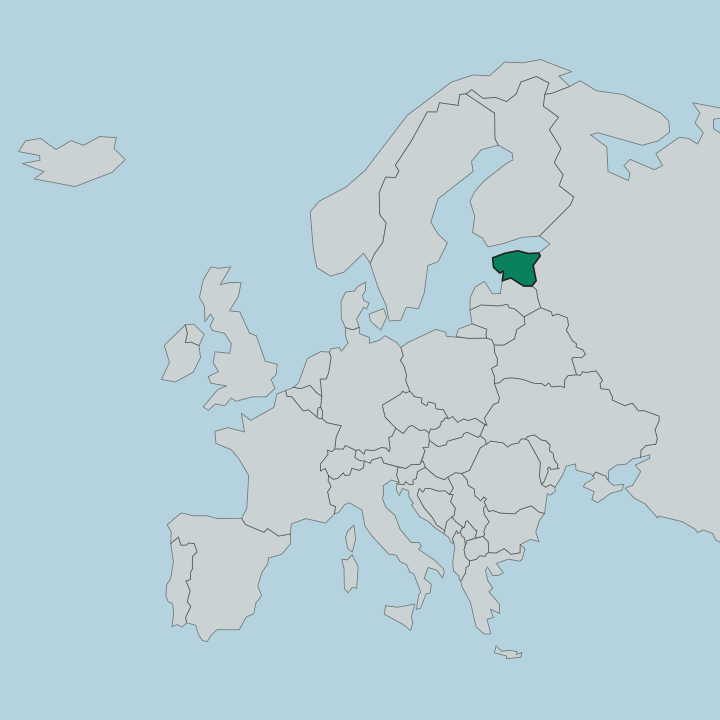
Tartu lies southeast of Tallinn and northeast of Riga, on the main routes crossing the Estonian interior. Roads and rail run up to the capital in a few hours. The Emajõgi once carried barge traffic between Lake Võrtsjärv and Lake Peipus, tying the city into the old water network of the region.
Trains and buses handle the journeys overland. The river still threads the town.
Common questions
What is the best area to stay in Tartu?
Old town by the Emajõgi: First-time visitors who want the churches and cathedral hill on foot. University slopes: Quieter stays among gardens and museums above the river.
Good for
Updated September 2026