Estonia
Tartumaa, Estonia — Towns & Travel Guide
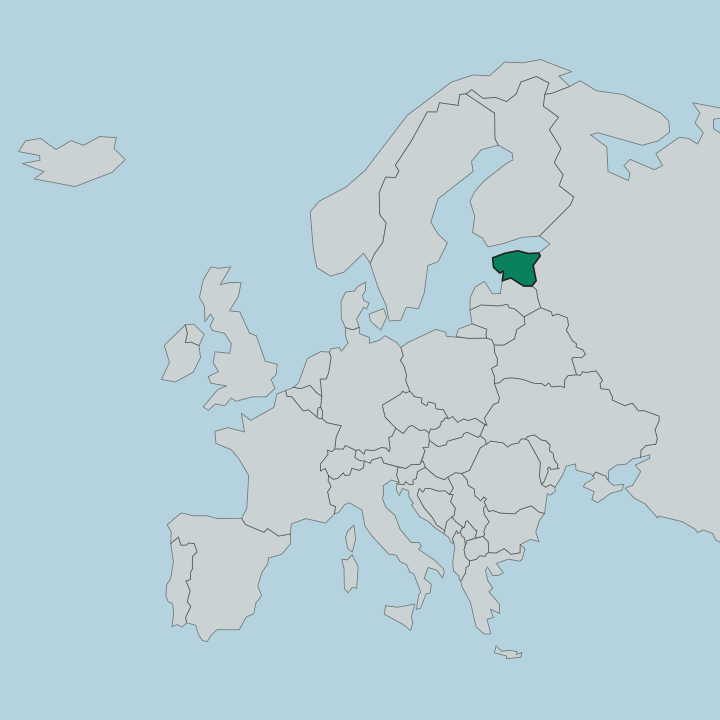
Tartumaa is the South Estonian county built around Tartu, the university city on the Emajõgi between Lake Võrtsjärv and Lake Peipus.
Hotel links are affiliate links: booking through them may earn us a commission, at no extra cost to you. It never affects how places are ranked. How this works


Towns & cities in Tartumaa
One town here has its own guide — it links to where to stay.
 Estonia
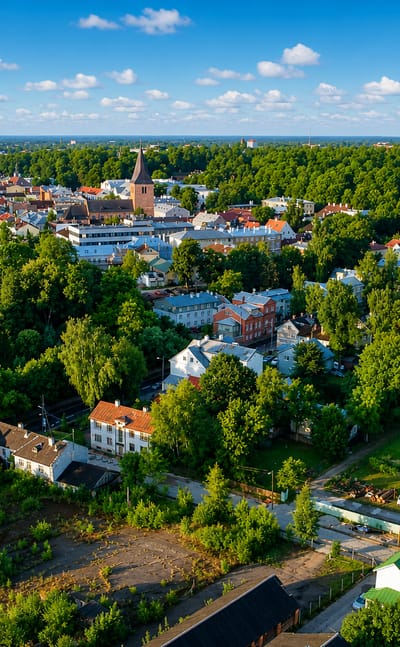
Tartu
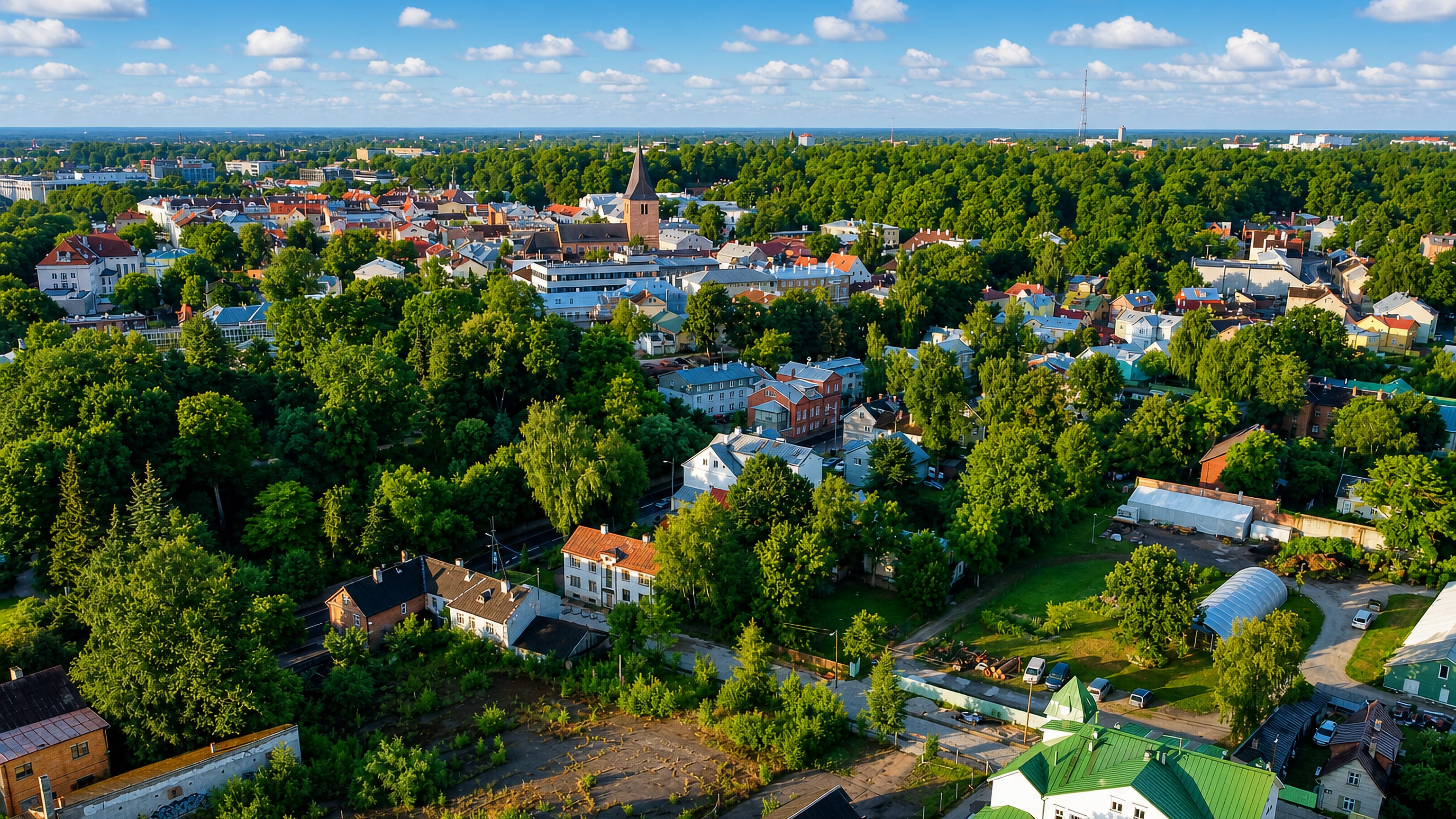
The Emajõgi slides through the heart of Tartu, a university city in Tartumaa and the oldest town in the Baltics, southeast of Tallinn.Where to stay →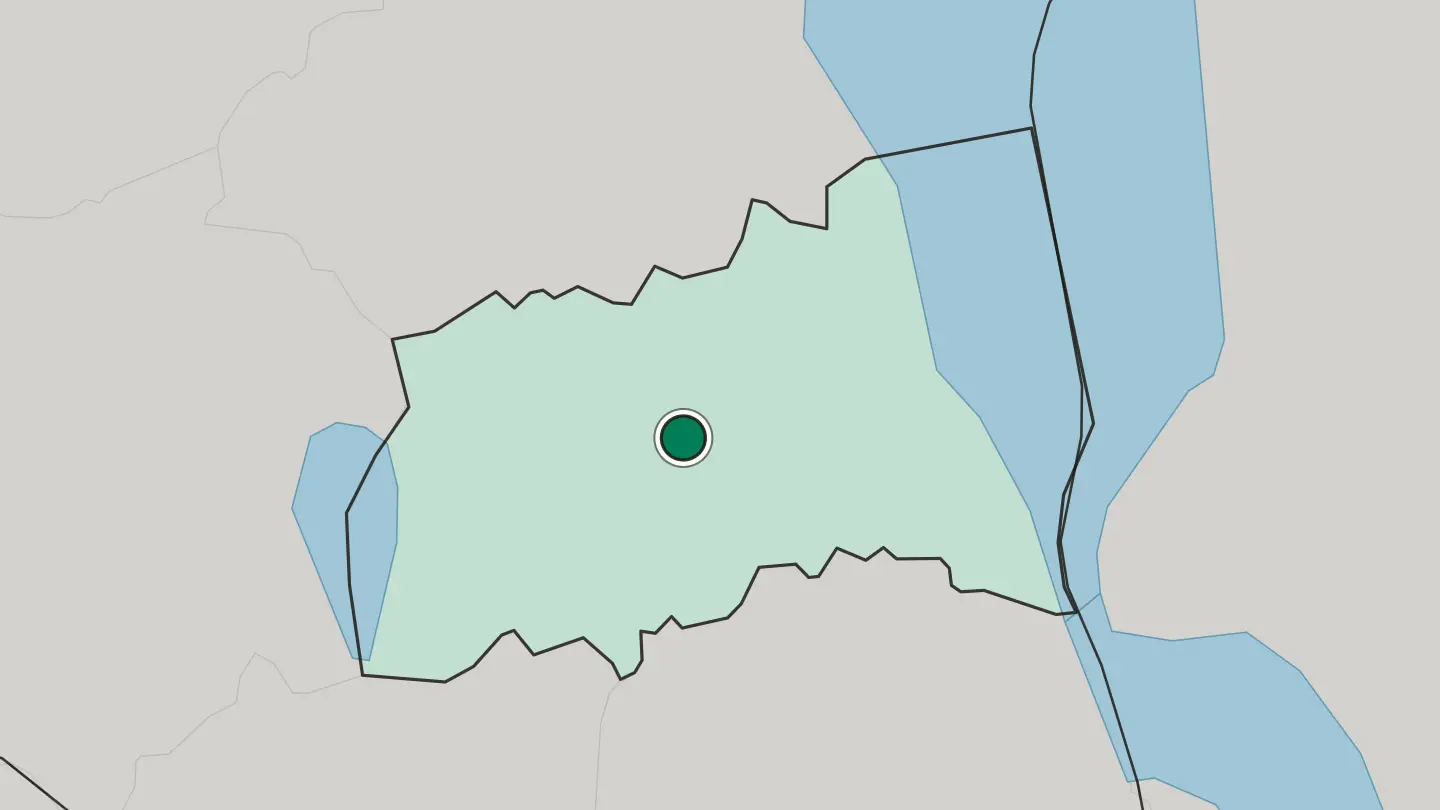
Hotel links are affiliate links: booking through them may earn us a commission, at no extra cost to you. It never affects how places are ranked. How this works
About Tartumaa
Tartumaa is university country.
What is Tartumaa known for?
Its heart is Tartu, second city of Estonia and home to the University of Tartu, chartered in 1632 under the Swedish crown and still the pulse of the place. The county filled the role of European Capital of Culture, and that reputation for learning and student life colours everything from the Old Town cafés to the choral festivals. Around the city spread the wavy plains of South Estonia.
The Emajõgi, the only navigable river in the country, threads east through it all toward Lake Peipus.
Where is Tartumaa?
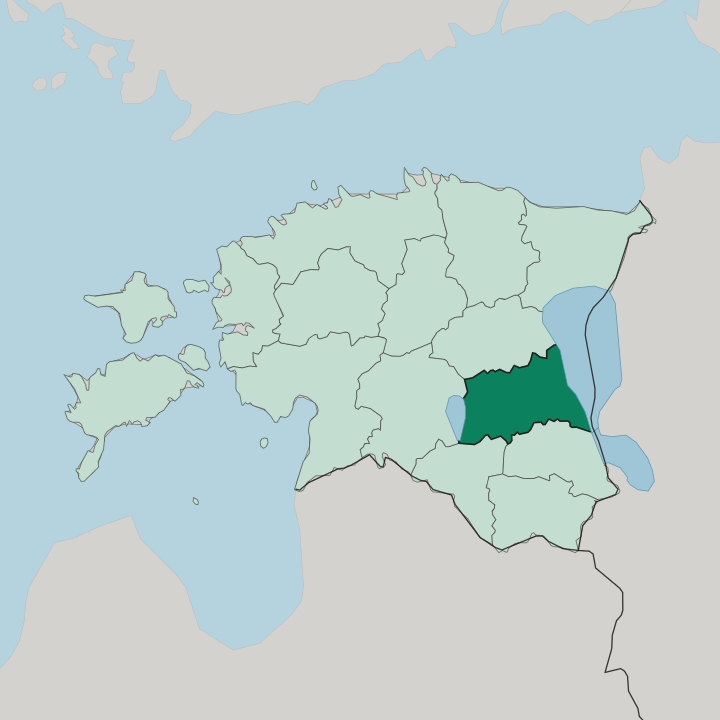
Tartumaa lies in South Estonia, wedged between the country's two great lakes. Lake Peipus, shared with Russia and the fifth-largest lake in Europe, forms its long eastern edge. Lake Võrtsjärv, the biggest sheet of water lying wholly inside Estonia, closes off the west.
Between them runs the Emajõgi. That river, the only fully navigable one in the country, flows out of Võrtsjärv, curves through the middle of Tartu, and empties east into Peipus a hundred kilometres on. The land in between is gentle.
Wavy plains are the typical picture, with drumlin fields and small lakes scattered across the north, roughly a third of the county under forest and another third under the plough. Four counties ring it on the land side. Jõgeva sits to the north, Viljandi to the west, Valga to the south-west, and Põlva to the south.
Tartu stands near the centre of it all, on the banks of the Emajõgi. From there the county reaches out to two very different shores. The plains hold the farmland and the towns; the lakes hold the fishing villages and the water.
What is Tartumaa like?
Learning sets the tone here. The University of Tartu has drawn students to the county since 1632, and the density of libraries, bookshops and cafés across the city grows out of that long academic life. Tartu calls itself the city of good thoughts, and that student culture spills out into gallery openings, small theatres and the choral tradition that Estonians hold close.
The first national song festival gathered in Tartu in 1869, and mass choral singing has been part of the county's self-image ever since. Two other cultures share the county. Along the shore of Lake Peipus live the Old Believers, Russian Orthodox families who fled tsarist reform centuries ago and settled the fishing villages of the Onion Road.
Their wooden houses, smoked fish and onion pie are a world apart from the university lecture halls an hour to the west. Estonian is the everyday language across the plains. For centuries the county went by a second name abroad and was remembered across Europe as Dorpat.
Old learning and old faith sit side by side here.
What is the history of Tartumaa?
Tartu grew from an early stronghold called Tarbatu. From the 13th to the 16th century the town prospered as a Hanseatic League trading member, known to the wider world as Dorpat, and it passed in turn through Polish, Swedish and Russian hands. The Swedish king Gustavus Adolphus founded the university in 1632, the act that shaped the county's identity more than any battle.
Fire and war followed. The classical Old Town rose from the ashes of an 18th-century blaze, rebuilt in stone after the flames took the medieval streets. When Estonians began gathering to sing their own songs in 1869, they gathered here.
What is the climate of Tartumaa?
Tartumaa has a cool inland climate, colder in winter than Estonia's coast because the two big lakes freeze rather than warm the air. Snow settles across the plains from late autumn, and the Emajõgi and the edges of Lake Peipus ice over solid enough to walk on. Summers are short, green and gentle, with July the warmest stretch and long northern daylight over the fields.
Rain falls through the whole year. The shift between a frozen winter lakescape and a soft green summer is sharp.
How do you get to Tartumaa?
Most visitors reach Tartumaa through Tallinn. From the capital a direct train runs down to Tartu in a little over two hours, and Lux Express coaches leave roughly every hour for the same trip. Tartu has its own small airport at Reola, southwest of the city, with a scheduled hop to Helsinki.
Once in Tartu, the compact centre is a walking city. Beyond it, a car opens up the Onion Road along Lake Peipus and the forests toward Lake Võrtsjärv.
Common questions
What is the best area to stay in Tartumaa?
Tartu: the base for almost every Tartumaa trip. The Lake Peipus shore: Old Believer villages and lake fish on the Onion Road. Elva and the western lakelands: forest walks and small-lake swimming west of Tartu.
Good for
More regions in Estonia
Updated September 2026