Egypt · Muḩāfaz̧at al Jīzah
Where to Stay in Giza, Muḩāfaz̧at al Jīzah
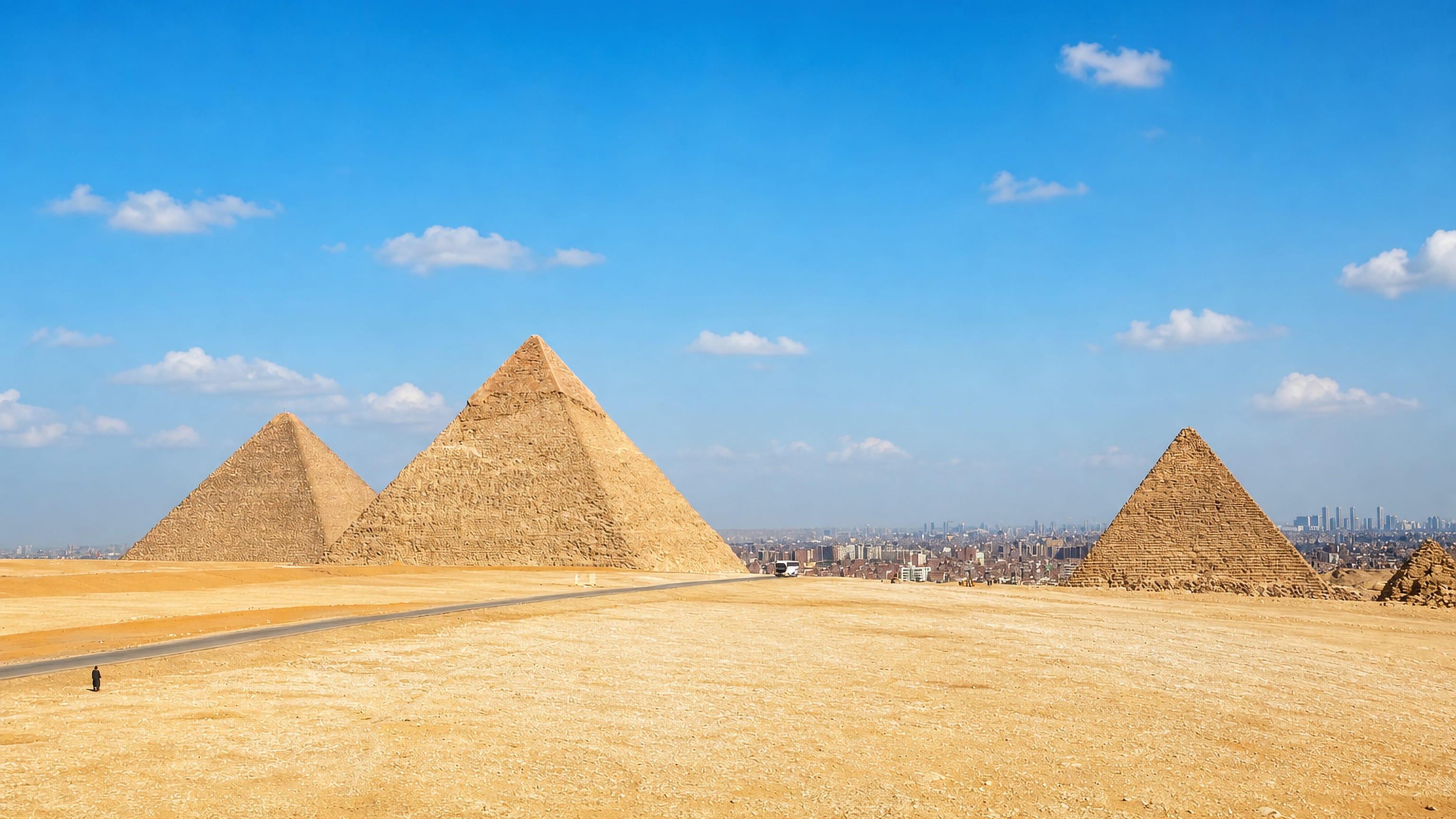
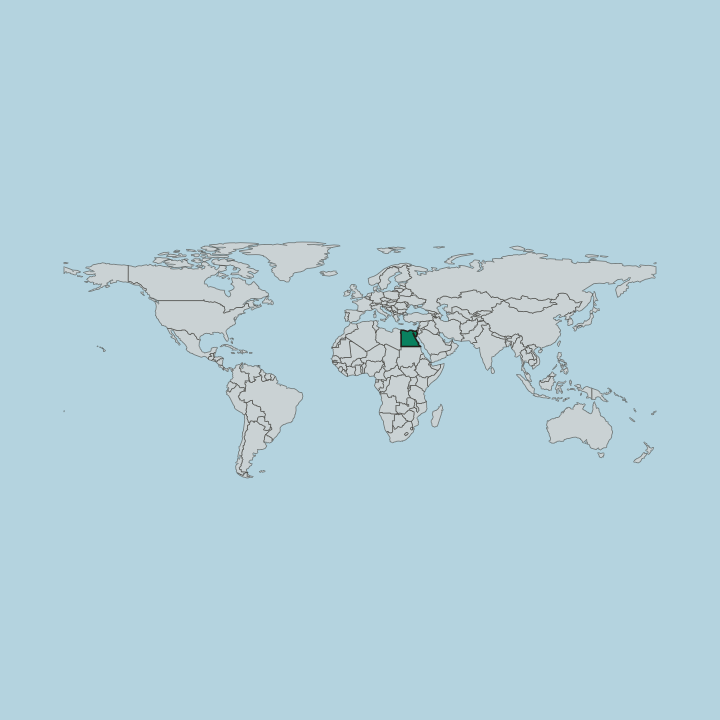
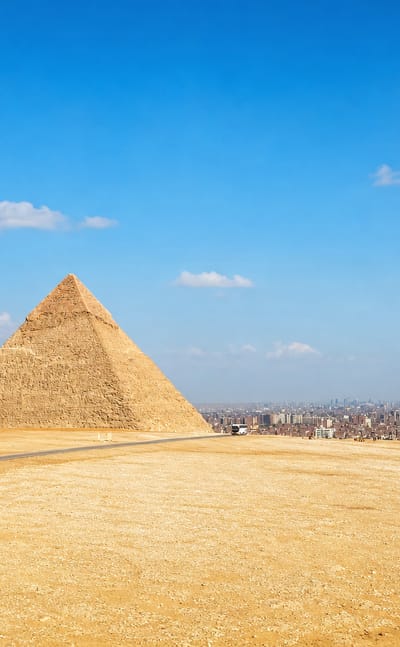
Desert plateau meets river at Giza, a city on the west bank of the Nile opposite Cairo, known for the Pyramids and the Sphinx.
Hotel links are affiliate links: booking through them may earn us a commission, at no extra cost to you. It never affects how places are ranked. How this works


Where to stay in Giza
Not every neighbourhood fits every trip — here's what each one is good for.
 GizaEgypt
Ad Duqqī
Ad Duqqī is one of the nine districts of Giza, on the western bank of the Nile facing Downtown Cairo, with museums packed into its blocks.Where to stay → GizaEgypt
Al Muhandasīn
Al Muhandasīn, Arabic for the engineers, is a planned sub-division of Giza on the west bank of the Nile, beside Agouza and Dokki.Where to stay →GizaEgyptImbābah
Imbābah is a working-class neighbourhood of northern Giza, west of the Nile and near Gezira Island and downtown Cairo.Where to stay →Hotel links are affiliate links: booking through them may earn us a commission, at no extra cost to you. It never affects how places are ranked. How this works
Find hotels in Giza
Direct booking searches for these neighbourhoods.
Pyramid plateau approach
the western rise above the Nile runs up toward the Pyramids and the Sphinx with the Pharaonic Village near the roadFind hotels in Pyramid plateau approachvisitors who prefer the river crossings and the Coptic quarterNile riverbank and old Fustat
the west bank facing central Cairo sits near the ruins of Fustat and the Hanging Church within the Giza GovernorateFind hotels in Nile riverbank and old FustatHotel links are affiliate links: booking through them may earn us a commission, at no extra cost to you. It never affects how places are ranked. How this works
Things to do in Giza
Ranked by global recognition; descriptions from Wikidata (CC0).
Museums & Galleries
3- Mohamed Mahmoud Khalil Museum
- Ahmed Shawki Museum
- Taha Hussein Museum
Castles & Historic Sites
1- Renascence of Egypt
Parks & Gardens
1- Pharaonic Village
worth knowingacross 3 categories in Giza
About Giza
What is Giza known for?
Giza is known for the Pyramids and the Sphinx that stand on the desert plateau west of the Nile. The plateau made its name. Across the river from central Cairo, the city holds the royal tombs of the pharaohs on the sand above the water, and it forms part of the Greater Cairo metropolis as capital of the Giza Governorate.
North of Memphis, it carries the deep record of ancient Egypt.
What are the main landmarks in Giza?
Giza holds its chief sights on the plateau and along the old riverbank. The desert crowns it. The Pyramids, the Sphinx, and the royal tombs stand on the sand above the Nile, while the Hanging Church, the Coptic Museum, and the ruins of Fustat mark the older ground, joined by the Pharaonic Village and the Umm Kulthum Museum in the town.
What is the history of Giza?
Giza carries one of the oldest records in Egypt, the ground where the Pyramids and the Sphinx rose on the desert plateau above the Nile. The plateau came first. On the sand west of the river the pharaohs raised their royal tombs, and the monuments stood there long before the town below took its founding form in 642.
Memphis lay close by. Less than a short reach to the south sat Memphis, the early capital of a unified Egypt under Narmer, and Giza grew within that ancient span of the river valley. Faith later gathered here.
At Fustat on the low ground the Hanging Church and the Coptic Museum kept the Christian record, and the ruins of Fustat still mark that early settlement. The city joined the capital. Across the Nile from central Cairo, Giza became part of the Greater Cairo metropolis and the seat of the Giza Governorate.
Its plateau still defines it. The Pyramids that first drew the world to this desert edge remain the heart of Giza.
Where is Giza?
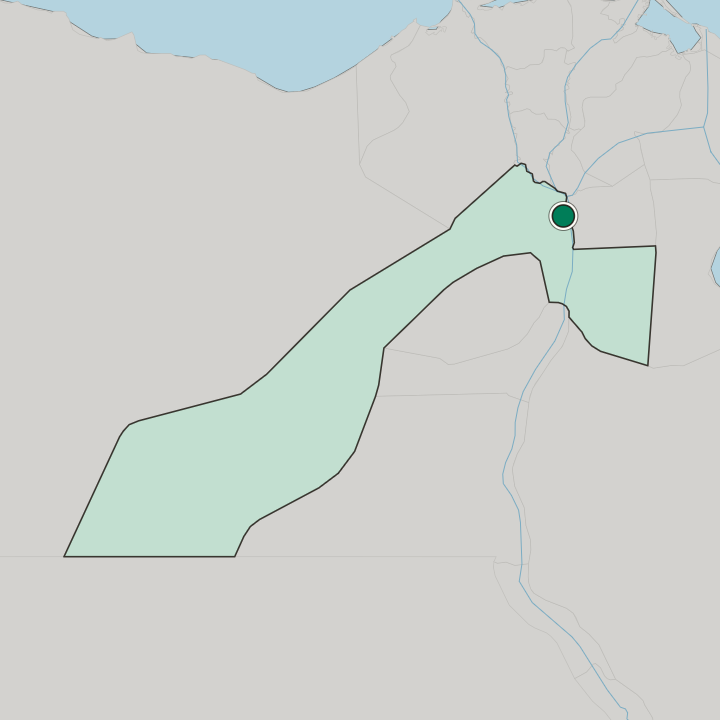
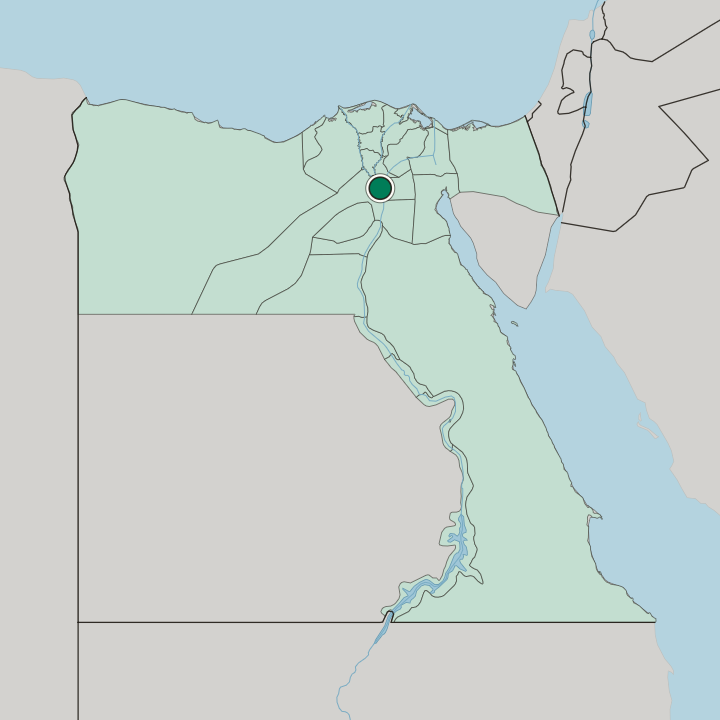
Giza lies on the west bank of the Nile opposite central Cairo, part of the Greater Cairo metropolis. The desert meets the valley here. The city spreads from the riverbank up to the plateau where the Pyramids and the Sphinx stand on the sand, set north of Memphis across the low land of the Giza Governorate.
What is the climate of Giza?
Giza has a hot, dry desert climate typical of the Nile valley. Rain is scarce here. Long hot summers and short mild winters cross the plateau and the riverbank, with the Nile the one steady water through the parched land of the Giza Governorate west of Cairo.
How do you get to Giza?
Giza is reached across the Nile from central Cairo by road and rail. The river bridges tie it in. Roads and rail lines cross from Cairo into the Greater Cairo metropolis and on to the plateau of the Pyramids, linking the town with the wider Giza Governorate on the west bank.
Common questions
What is the best area to stay in Giza?
Pyramid plateau approach: travellers who want the monuments on the desert edge outside the door. Nile riverbank and old Fustat: visitors who prefer the river crossings and the Coptic quarter.
Good for
Another city in Muḩāfaz̧at al Jīzah
Updated October 2026