Egypt
Muḩāfaz̧at al Jīzah, Egypt — Towns & Travel Guide
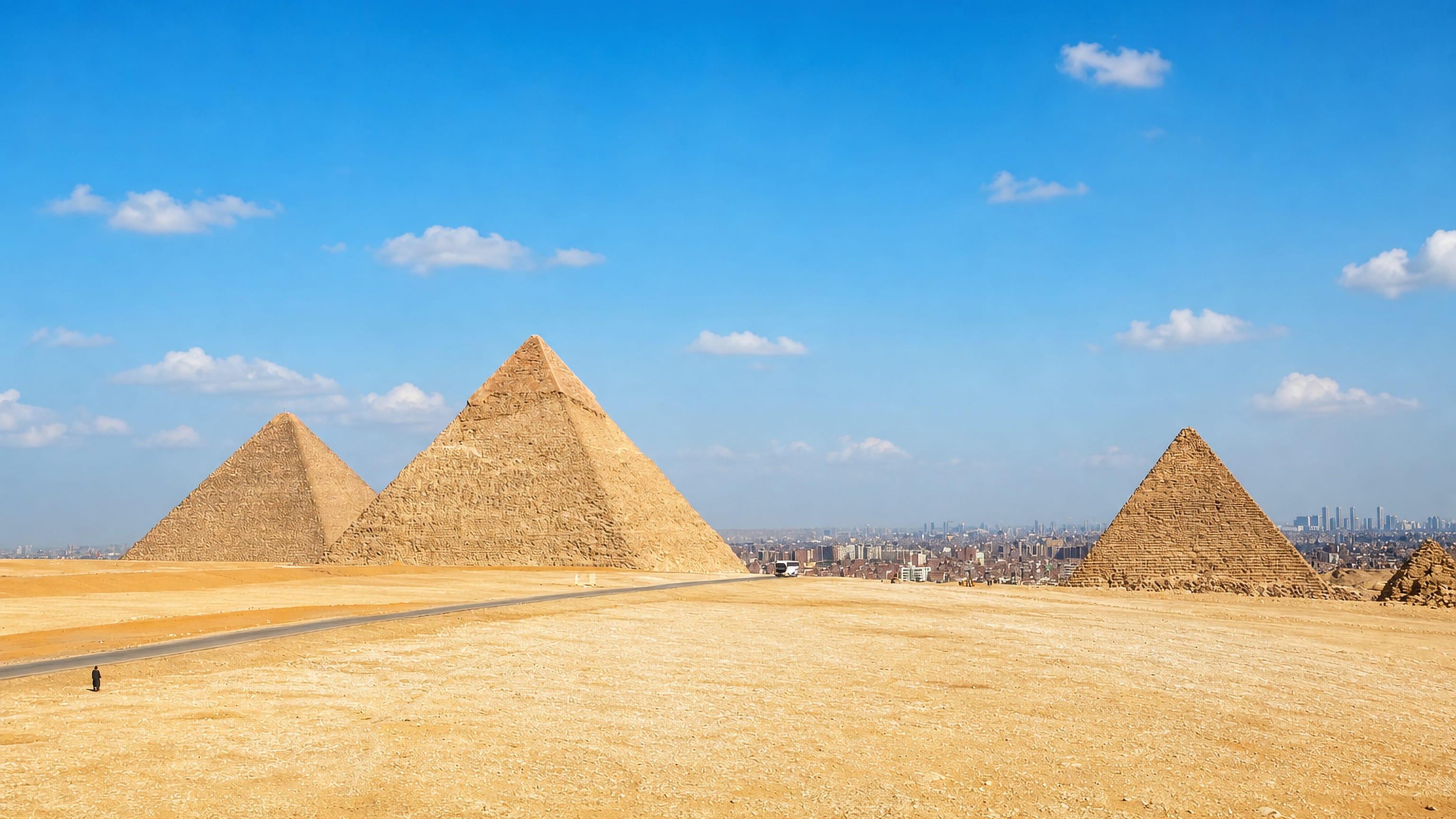
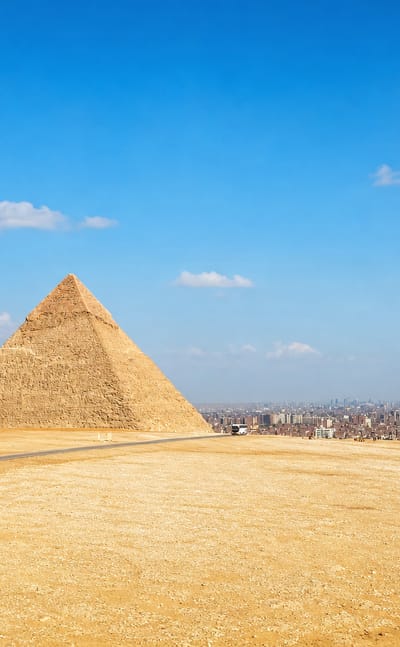
Giza Governorate holds the Great Pyramid and the Sphinx on the west bank of the Nile, just across the water from Cairo.
Hotel links are affiliate links: booking through them may earn us a commission, at no extra cost to you. It never affects how places are ranked. How this works


Towns & cities in Muḩāfaz̧at al Jīzah
Pick a town or city — each links to where to stay.
 Egypt
Egypt
Giza
Desert plateau meets river at Giza, a city on the west bank of the Nile opposite Cairo, known for the Pyramids and the Sphinx.Where to stay →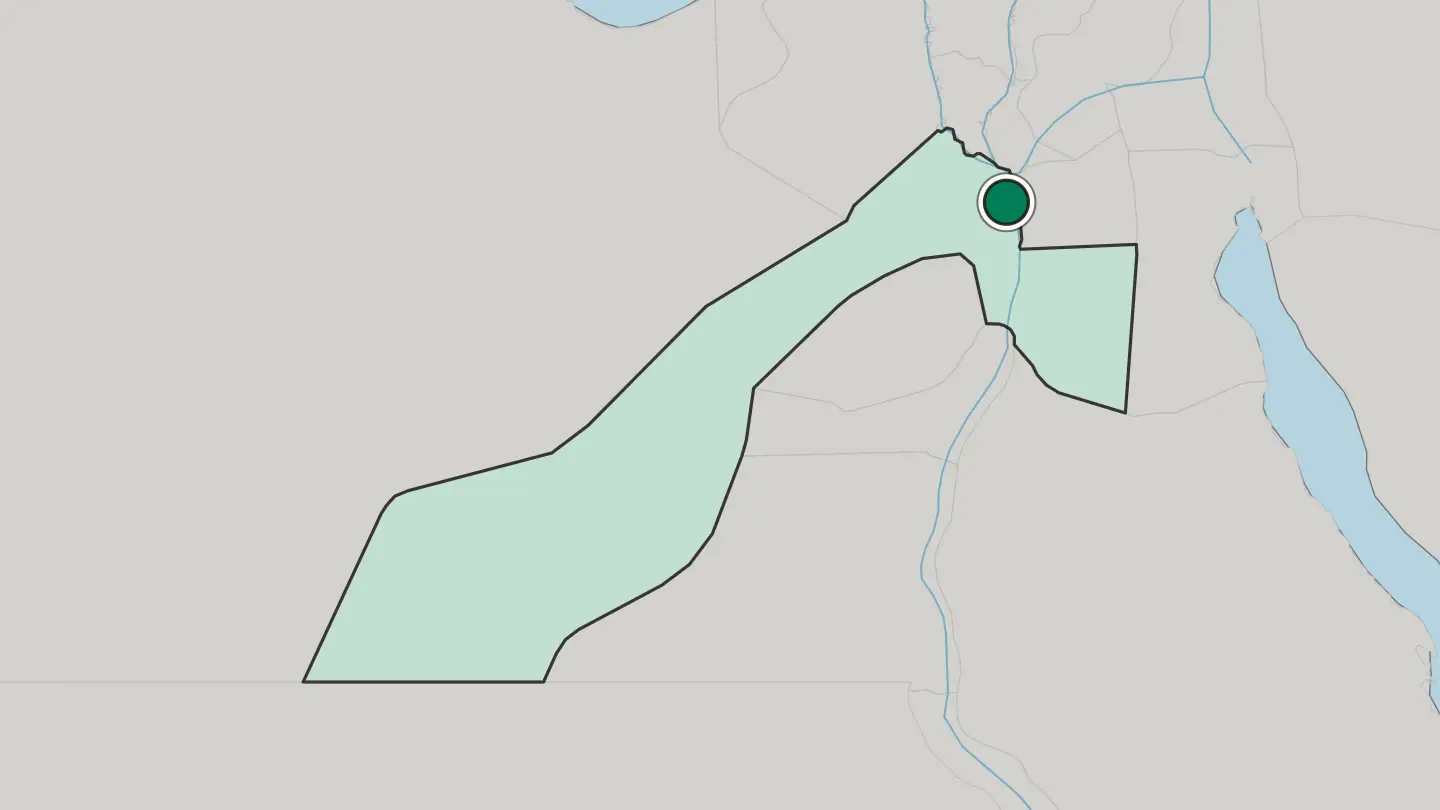 Egypt
Egypt
6th of October City
6th of October City is a satellite city of the Giza Governorate in Egypt, laid out on desert ground beside Giza in 1979 within Greater Cairo.Where to stay →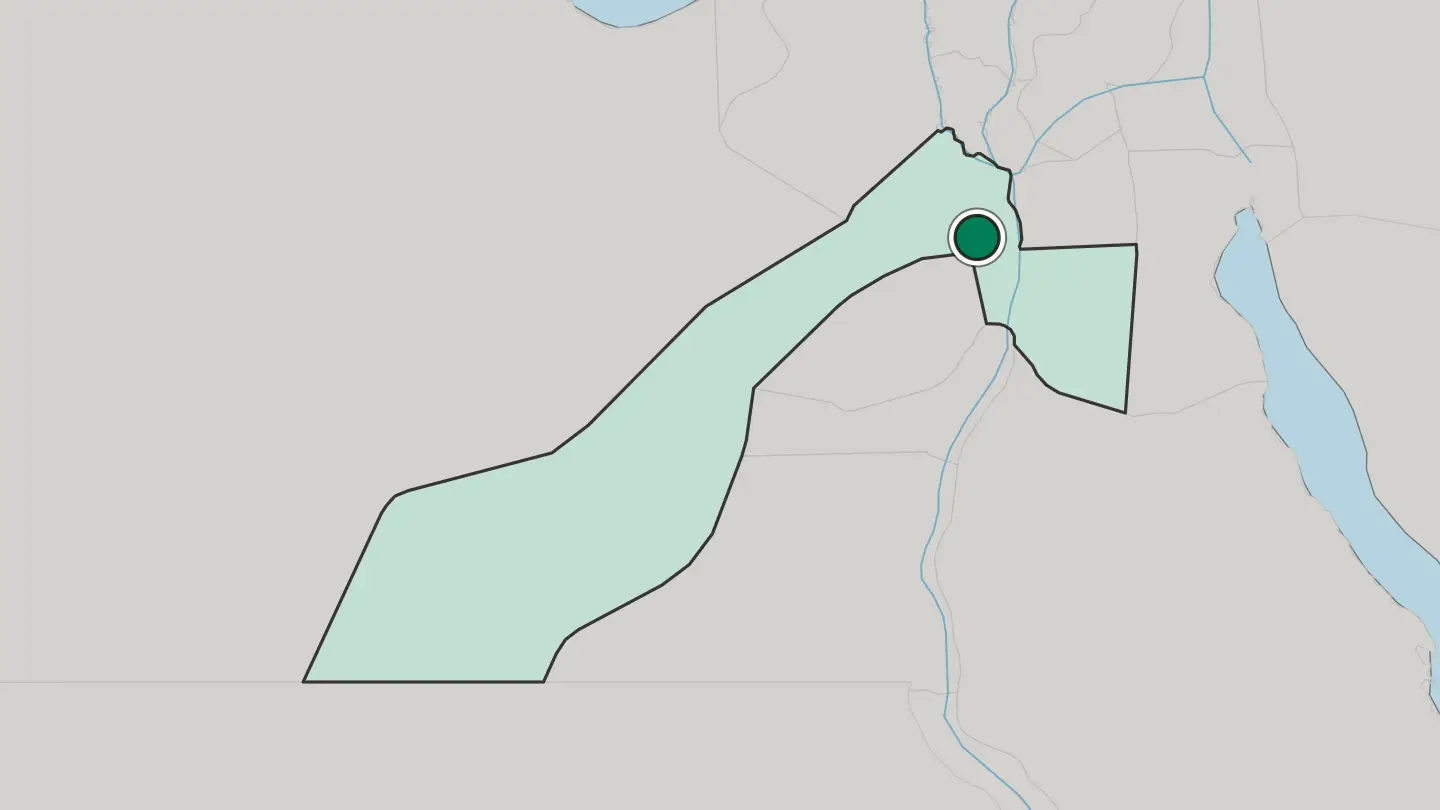
Hotel links are affiliate links: booking through them may earn us a commission, at no extra cost to you. It never affects how places are ranked. How this works
About Muḩāfaz̧at al Jīzah
The pyramids define it.
What is Muḩāfaz̧at al Jīzah known for?
On the desert edge above the city of Giza stand the Great Pyramid of Khufu, the pyramids of Khafre and Menkaure, and the Great Sphinx crouched below them. This is the Giza Necropolis, the last surviving wonder of the ancient world and the reason most first-time visitors to Egypt cross the Nile at all. West of the monuments the governorate runs out into the Western Desert, all the way to the palm groves of Bahariya Oasis.
Where is Muḩāfaz̧at al Jīzah?
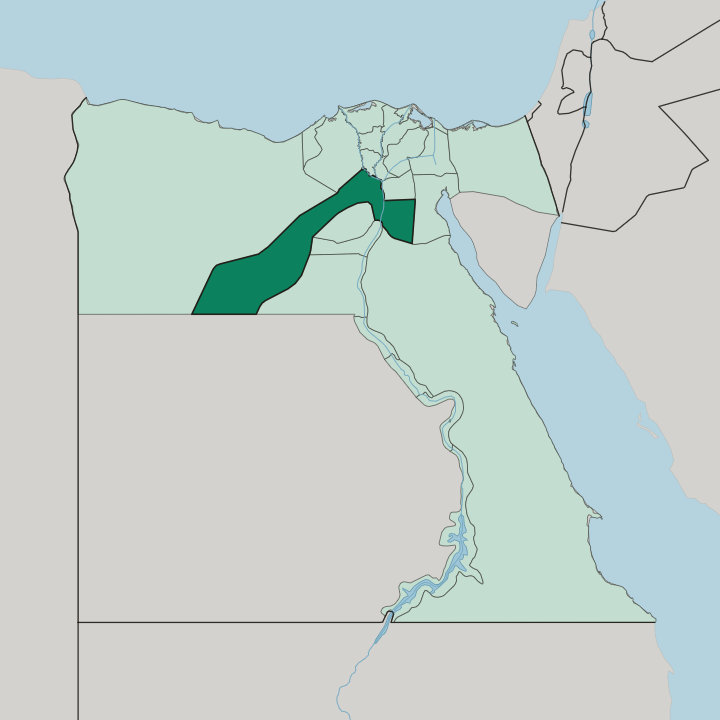
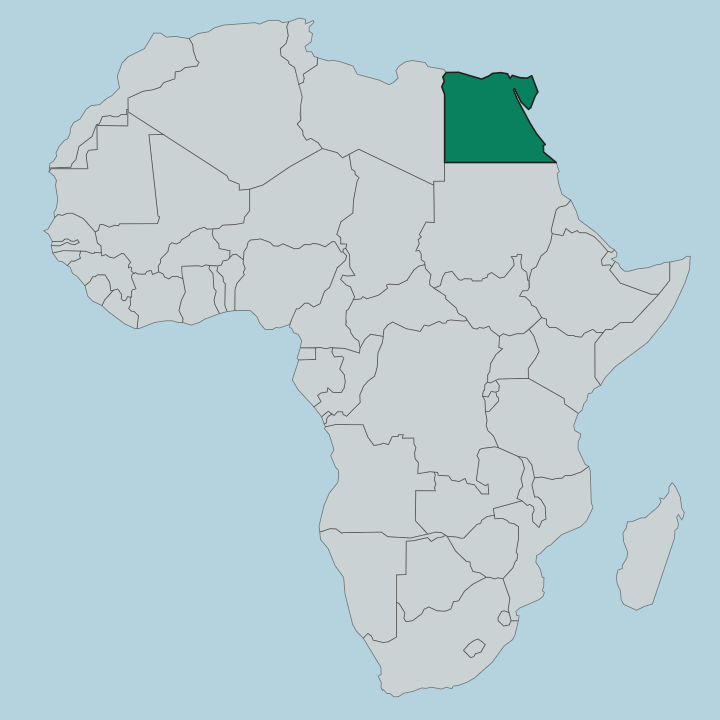
Giza Governorate sits in the centre of Egypt, spread mostly along the west bank of the Nile opposite Cairo. The river is its eastern edge. Its capital, the city of Giza, presses right up against the water and merges into the Greater Cairo sprawl, so that the two cities read as one from the far bank.
A thin strip of the east bank belongs to it as well, but the bulk of the governorate lies west of the river and then keeps going. Beyond the last irrigated fields the land climbs onto the Giza plateau, where the pyramids stand on the desert edge, and past that it becomes pure Western Desert. That desert arm is enormous.
It stretches far across the Sahara to Bahariya Oasis, a green depression of springs and palm groves that was folded into Giza in 2011. So the governorate is really two worlds joined at the pyramids. One is the crowded, well-watered ribbon of farmland along the Nile where nearly everyone lives; the other is a vast dry emptiness of sand, escarpment and oasis reaching toward the Libyan frontier.
The desert holds most of the area and almost none of the people.
What is Muḩāfaz̧at al Jīzah like?
Two Gizas coexist here. One is the ancient necropolis on the plateau, where the Great Pyramid and the Sphinx have drawn travellers for thousands of years and still frame every postcard of Egypt. The other is a modern working suburb of Cairo, loud with traffic, street cafes and the calls to prayer that carry over the rooftops of the old riverside quarters.
Arabic is the language of both, spoken in the Egyptian dialect heard across Greater Cairo. Around the pyramids the old trades survive. Camel and horse handlers wait at Nazlet El-Semman, and papyrus and alabaster workshops line the approach roads, catering to the steady stream of visitors.
West of the river the mood shifts entirely. The satellite cities of 6th of October and Sheikh Zayed are all malls, gated compounds and film studios, a planned middle-class Egypt built from scratch on the desert. Farther out, in Bahariya Oasis, life still turns on date palms, hot springs and the desert itself.
The distance from a Pharaonic tomb to a shopping mall is only a few kilometres, and the governorate lives comfortably in both.
What is the history of Muḩāfaz̧at al Jīzah?
The story here is very old. Just south of the modern city lie the ruins of Memphis, capital of the first unified Egyptian state more than five thousand years ago, and the plateau above the Nile became its royal cemetery. There the pharaohs of the Fourth Dynasty raised the Great Pyramid for Khufu and cut the Great Sphinx from the living rock of the plateau.
For centuries afterward Giza slept as a farming district beside Cairo. Its modern chapters came late, when 6th of October City was decreed on the western desert in 1979 and the Western Desert oases, including Bahariya, were joined to the governorate in 2011.
What is the climate of Muḩāfaz̧at al Jīzah?
Giza is hot desert through and through. Summers on the plateau are fierce, with dry heat baking the pyramids and the surrounding sand from late spring into autumn, and rain almost never falls. Winters turn mild and pleasant, cool at night beside the Nile and comfortable by day, which is when most travellers come to walk the Giza Necropolis.
In spring the khamsin can blow off the Western Desert, dragging dust and sudden heat across the whole governorate. Water comes from the river, not the sky.
How do you get to Muḩāfaz̧at al Jīzah?
Nearly everyone arrives through Cairo. Cairo International Airport, on the far north-eastern side of the capital, is Egypt's main gateway, and from there it is a drive across the city and over the Nile to reach the pyramids of Giza. The two cities run together, so the crossing is short but often slow in traffic.
Bahariya Oasis is the exception, several hours out along the desert road into the Western Desert. Trains and the Cairo metro also reach into Giza from the capital.
Common questions
What is the best area to stay in Muḩāfaz̧at al Jīzah?
Giza (Pyramids side): waking up under the pyramids. 6th of October City: the museum and quieter modern quarters. Sheikh Zayed City: green suburban calm. Bahariya Oasis: a desert safari base.
Good for
More regions in Egypt
Updated September 2026