Egypt · Muḩāfaz̧at al Qalyūbīyah
Where to Stay in Banhā, Muḩāfaz̧at al Qalyūbīyah
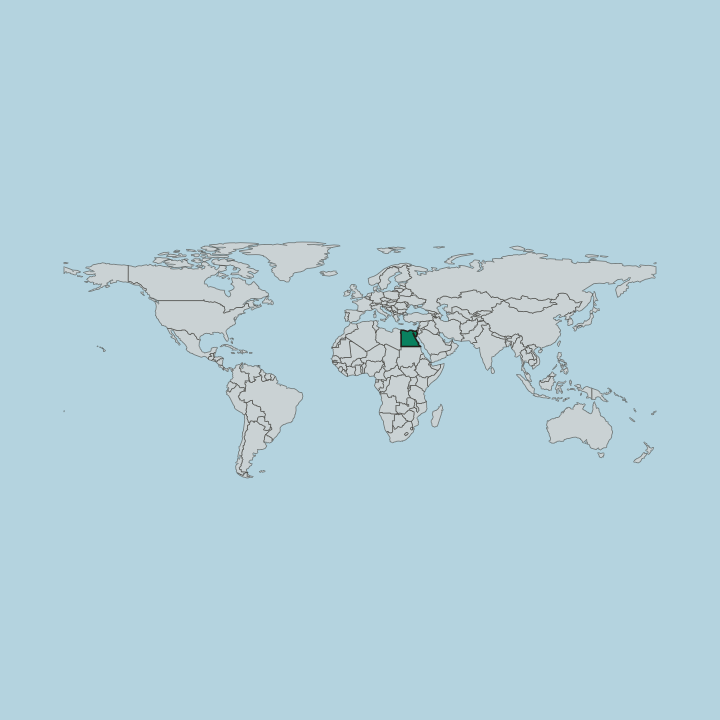
Banhā is the capital of the Qalyubiyya Governorate, a Nile Delta rail junction on the Damietta Branch of the Nile.
Hotel links are affiliate links: booking through them may earn us a commission, at no extra cost to you. It never affects how places are ranked. How this works


Where to stay in Banhā
How the choice of base plays out on the ground.
The station governs everything. Rail lines from Cairo to the cities of the Nile Delta pass through Banhā, so rooms near the tracks are the ones that make sense for a traveller using the town as a junction rather than a destination. Tanta lies on one line, Cairo on another.
A bed within reach of the platforms turns Banhā into a base for the whole southern delta, which is how most people who stay here actually use it. Turn riverward and the noise drops. Banhā sits on the east bank of the Damietta Branch, and a room facing the water trades the noise of the junction for the farmland that begins almost at the edge of the built-up streets.
Athribis is the reason to linger. The ancient site belongs to Banhā rather than to any neighbour, and staying a night instead of changing trains is what makes a visit to it possible at all. Greater Cairo is close.
Because the city counts within Greater Cairo, a lot of visitors treat Banhā as a day's stop from the capital, which keeps its accommodation modest and aimed at people passing through Qalyubiyya Governorate on business.
Find hotels in Banhā
Direct booking searches for these neighbourhoods.
By the tracks
Every Nile Delta line through Banhā stops within a few streetsFind hotels in By the tracksSlower stays facing the Damietta Branch and AthribisThe east bank
River frontage on the Damietta Branch with the farmland starting behind. Few places to stay nearby — book ahead.Find hotels in The east bankHotel links are affiliate links: booking through them may earn us a commission, at no extra cost to you. It never affects how places are ranked. How this works
About Banhā
Trains, cotton, and pottery.
What is Banhā known for?
Banhā is an important transport hub, since the rail lines running from Cairo to the cities of the Nile Delta pass through it, and the Damietta Branch of the Nile waters the farmland behind it. Handicraft is the second name. The city is recognised for traditional ceramics and textiles as much as for its agricultural output, which runs to cotton and sugarcane from the delta land around it.
What are the main landmarks in Banhā?
Athribis is the one great name. The ancient site lies with Banhā rather than at a distance, and it is the single piece of antiquity that gives a rail junction in the middle of the Nile Delta a claim on a visitor's time. The rest is craft and produce.
Ceramics and textiles are made here in the traditional way, and the cotton and sugarcane of the surrounding delta pass through its markets, which is a different kind of sight from a monument.
What is the history of Banhā?
Athribis holds the deep past. The ancient settlement stood on this stretch of the Nile Delta long before anything modern, and its remains are the reason Banhā's history reaches back further than its charter suggests. The modern city is dated precisely.
Banhā was founded as a city in 1850, which places its formal beginning well inside the modern era even though the ground beneath it had been worked and settled for a very long time. Rails arrived and the town's role shifted. Lines running from Cairo to the cities of the Nile Delta were routed through Banhā, and the junction that resulted turned a delta town into an important transport hub for the whole province.
Administration followed. Banhā became the capital of the Qalyubiyya Governorate, and the city is counted within Greater Cairo, a double position that keeps it tied to the capital while it governs a stretch of Lower Egypt in its own right. Craft and farming stayed.
Ceramics, textiles, cotton, and sugarcane still describe the economy that the Damietta Branch and the delta soil made possible, and they predate the rails by a great deal.
Where is Banhā?
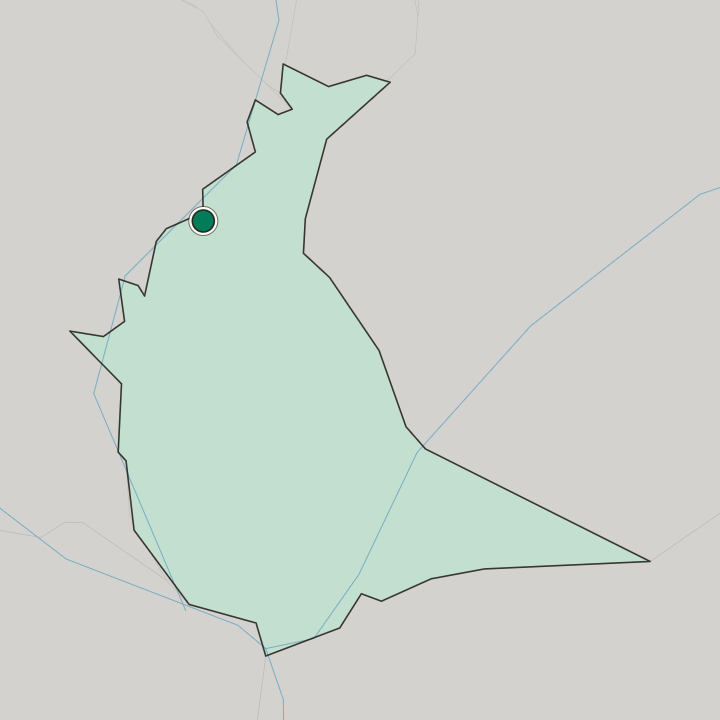
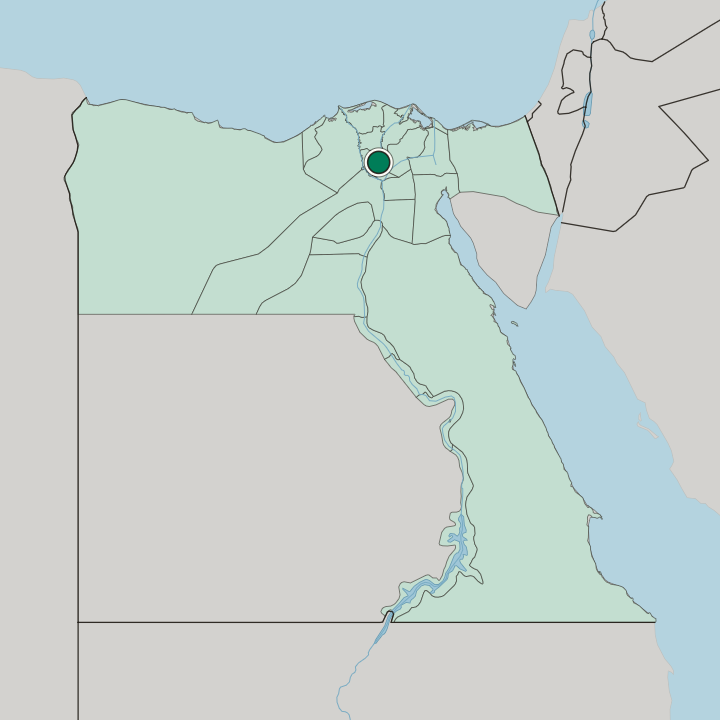
The Damietta Branch runs past the town. Banhā stands on the east bank of that arm of the Nile River, in the southern part of the delta, on flat farmland that grows cotton and sugarcane right up to the built edge of the city. Cairo lies one way, Tanta the other.
Qalyubiyya Governorate spreads around it in Lower Egypt, and the ground has no relief to speak of, so the river and the rail embankment are the only lines that organise the landscape.
What is the climate of Banhā?
The Damietta Branch keeps moisture in the air around Banhā, and the subtropical band gives the southern delta a long hot season broken only by a short cool one. Sugarcane likes it. The same warmth that suits the cotton and sugarcane of the surrounding farmland makes a midday walk from the station to the river a slower business than the distance suggests.
Humidity does the rest.
How do you get to Banhā?
Banhā is a railway town first. Rail lines from Cairo to various cities in the Nile Delta pass through it, which makes the station the practical centre of the place and the reason most arrivals happen by train rather than by road. Tanta is the next city up the line.
Cairo lies the other way, close enough that Banhā counts inside Greater Cairo, so a day trip in either direction is straightforward and an overnight stay is a choice rather than a necessity.
Common questions
What is the best area to stay in Banhā?
By the tracks: Rail travellers changing between Cairo and Tanta. The east bank: Slower stays facing the Damietta Branch and Athribis.
Good for
More cities in Muḩāfaz̧at al Qalyūbīyah
Updated September 2026