Egypt · Muḩāfaz̧at al Qalyūbīyah
Where to Stay in Shubrā al Khaymah, Muḩāfaz̧at al Qalyūbīyah
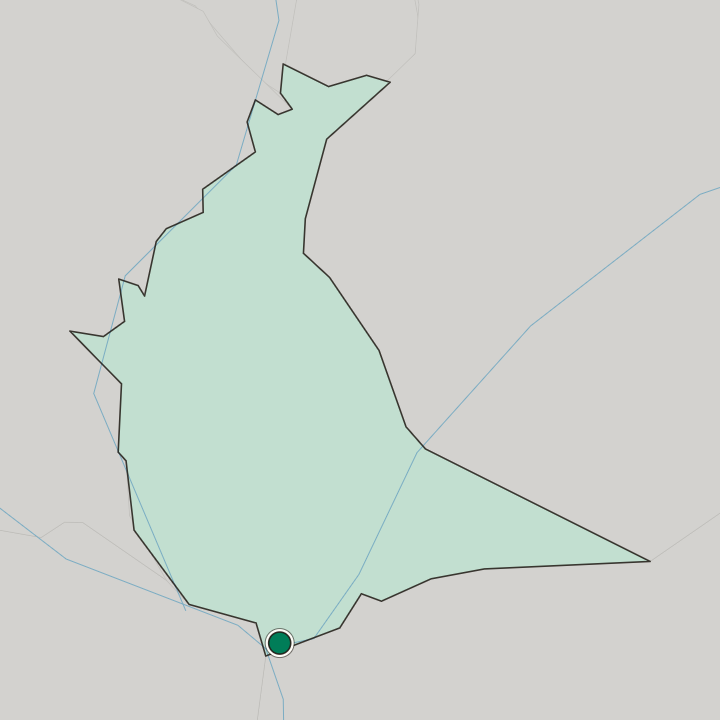
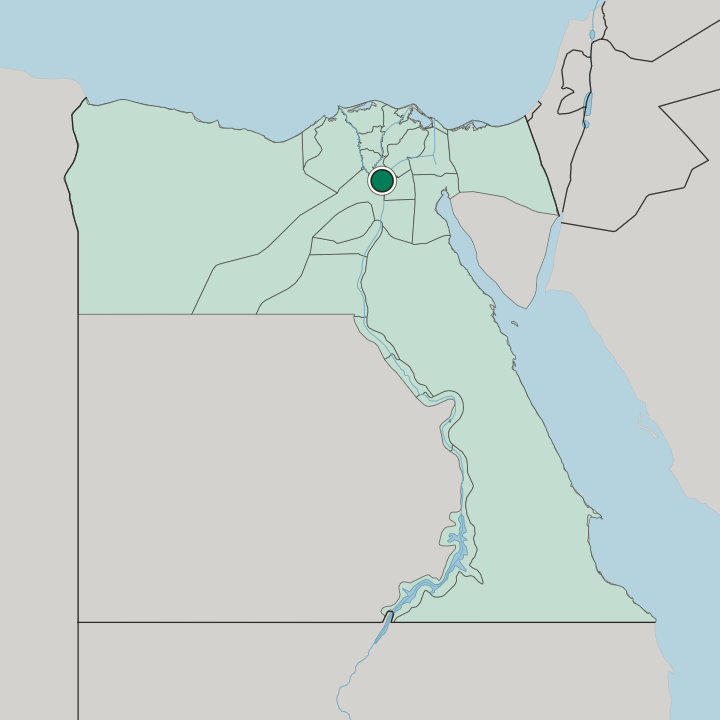
Shubrā al Khaymah is Egypt's fourth-largest city, on the northern edge of the Cairo Governorate and inside the Greater Cairo metropolitan area.
Hotel links are affiliate links: booking through them may earn us a commission, at no extra cost to you. It never affects how places are ranked. How this works


Where to stay in Shubrā al Khaymah
Where visitors usually base themselves, and why.
Position is the whole argument. A room on the Heliopolis edge puts Our Lady of Heliopolis Co-Cathedral and the Basilica of St Therese of the Child Jesus within an ordinary local run rather than a cross-metropolis one. The El Mataria side works the same way for anyone crossing into the Cairo Governorate early.
Both sit inside the same built-up mass. Distance to the museums is the trade every room in Muḩāfaz̧at al Qalyūbīyah makes, and it is a real one on a metropolis of this size. Against that, the case for staying across the line in central Cairo is real, because the Egyptian Museum, the Museum of Islamic Art, Al-Suhaymi House and Bab al-Futuh cluster there and a room among them removes the daily crossing.
Shubrā al Khaymah trades that convenience for space and for a shorter reach back into Muḩāfaz̧at al Qalyūbīyah. The choice is a straight one. Anyone whose days run through the Egyptian Museum and the Aquarium Grotto Garden should sleep near them; anyone working, visiting family or moving on through Muḩāfaz̧at al Qalyūbīyah is better placed here.
Bab al-Futuh and Al-Suhaymi House reward a day begun early, whichever side the room is on.
Find hotels in Shubrā al Khaymah
Direct booking searches for these neighbourhoods.
The Heliopolis edge
Rooms on the Heliopolis approach, with the Co-Cathedral and the Basilica of St Therese of the Child Jesus a short run outFind hotels in The Heliopolis edgeStays that want the El Mataria grid and an early crossing into the Cairo GovernorateToward El Mataria
The El Mataria side, where the governorate line is crossed without ever leaving the built-up grid. Lodging is scarce in this area; reserve in advance.Find hotels in Toward El MatariaDays that run through the Egyptian Museum and the Museum of Islamic ArtAcross the line in central Cairo
Beds nearer the Egyptian Museum, Al-Suhaymi House and Bab al-Futuh than anything on the Shubrā al Khaymah sideFind hotels in Across the line in central CairoHotel links are affiliate links: booking through them may earn us a commission, at no extra cost to you. It never affects how places are ranked. How this works
About Shubrā al Khaymah
What is Shubrā al Khaymah known for?
Industry and sheer scale define Shubrā al Khaymah, a city of Muḩāfaz̧at al Qalyūbīyah that runs straight into the northern edge of the Cairo Governorate with no visible seam between the two. Only Cairo, Giza and Alexandria are larger. Its founding date is 1832.
Travellers use it as a base, reaching the Egyptian Museum, the Museum of Islamic Art, Bab al-Futuh and the old quarter around Al-Suhaymi House from a room on this side of Greater Cairo.
What are the main landmarks in Shubrā al Khaymah?
The list belongs to Greater Cairo. Within the same continuous urban mass sit the Egyptian Museum, the Museum of Islamic Art, the Gayer-Anderson Museum, Al-Suhaymi House and Bab al-Futuh, all reachable from a base in Shubrā al Khaymah. Heliopolis carries Our Lady of Heliopolis Co-Cathedral and the Basilica of St Therese of the Child Jesus.
Palaces run to Manial Palace and Museum, Al-Gawhara Palace, Beshtak Palace and Aisha Fahmy Palace. The Renascence of Egypt, the Egyptian National Military Museum and the Museum of Modern Egyptian Art fill out the rest.
What is the history of Shubrā al Khaymah?
The record fixes 1832 as the founding date. What followed was absorption rather than independent growth, as the outward spread of Cairo reached the governorate line and kept going, until the two sides of that line read as one city. The boundary survived on paper.
Administration stayed with Muḩāfaz̧at al Qalyūbīyah while the built fabric joined the Cairo Governorate, and that split still governs how the place is counted and described. Scale followed. Only Cairo, Giza and Alexandria stand larger among Egyptian cities.
The name endures in two forms, Shubrā al Khaymah in the record and Shubra El Kheima in common English use. The older layers lie across the boundary. Bab al-Futuh and Al-Suhaymi House belong to the historic quarter, Beshtak Palace, Al-Gawhara Palace, Manial Palace and Museum and Aisha Fahmy Palace to the palace inventory that the metropolis accumulated.
House of al-Sinnary and Beit El-Umma keep two more addresses on that list. Collections make up the rest. The Egyptian Museum, the Museum of Islamic Art and the Museum of Modern Egyptian Art gather the material, and the Renascence of Egypt and the Unknown Soldier Memorial stand among the monuments rather than the museums.
That inventory belongs to the wider metropolis, and reaching it from a base in Shubrā al Khaymah is the practical case for staying here rather than in the centre.
Where is Shubrā al Khaymah?
Administrative lines shape the setting. Greater Cairo spills north out of the Cairo Governorate into Muḩāfaz̧at al Qalyūbīyah here, and the change of governorate is the only marker where one built-up district gives way to the next. Streets run on toward El Mataria and Heliopolis across that boundary.
The city sits in the subtropical band of the northern hemisphere, with Giza and Alexandria the only Egyptian cities of comparable weight beside Cairo.
What is the climate of Shubrā al Khaymah?
Heat sets the terms here. The subtropical band this stretch of Muḩāfaz̧at al Qalyūbīyah sits in carries warmth through much of the year, and the masonry mass of Greater Cairo holds the day's heat well past sunset. Shade is what a visitor rations here.
Anyone crossing to the Egyptian Museum or the Aquarium Grotto Garden in high summer plans the day around it.
How do you get to Shubrā al Khaymah?
Every approach runs through Greater Cairo. Nothing arrives directly: routes into the metropolis land inside the Cairo Governorate, and the last stretch crosses the governorate line past El Mataria or Heliopolis. That crossing is short.
Traffic rather than distance decides how long the run between the Egyptian Museum and a room in Muḩāfaz̧at al Qalyūbīyah takes.
Common questions
What is the best area to stay in Shubrā al Khaymah?
The Heliopolis edge: Arrivals aiming at Our Lady of Heliopolis Co-Cathedral and the Basilica of St Therese of the Child Jesus. Toward El Mataria: Stays that want the El Mataria grid and an early crossing into the Cairo Governorate. Across the line in central Cairo: Days that run through the Egyptian Museum and the Museum of Islamic Art.
Good for
More cities in Muḩāfaz̧at al Qalyūbīyah
Updated October 2026