Egypt · Muḩāfaz̧at Aswān
Where to Stay in Aswān, Muḩāfaz̧at Aswān
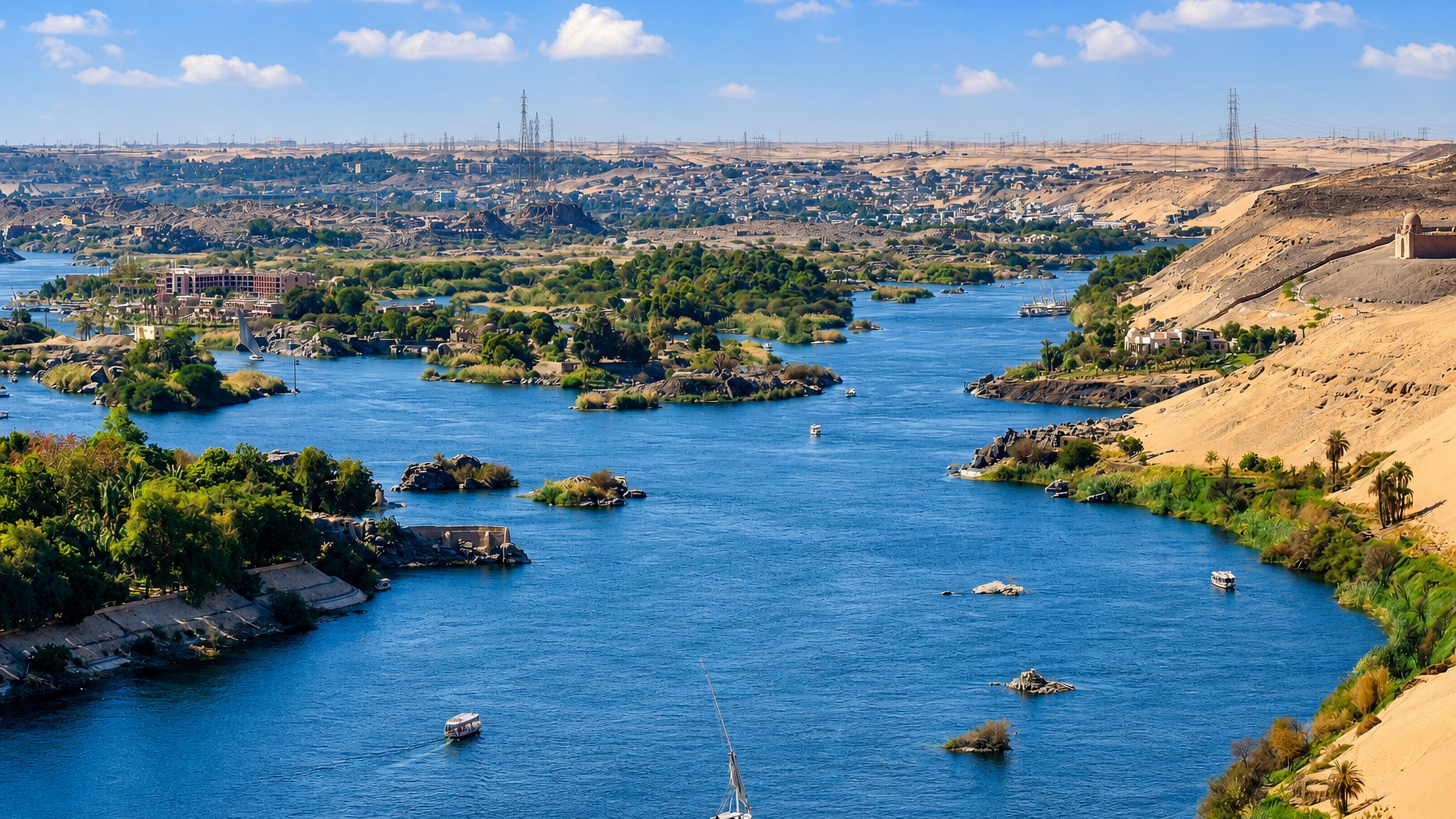
Granite and river water frame Aswān, the southernmost city of Egypt, set on the Nile in Upper Egypt below the Aswan Dam.
Hotel links are affiliate links: booking through them may earn us a commission, at no extra cost to you. It never affects how places are ranked. How this works


Where to stay in Aswān
Where the beds are, and what that means for the visit.
Aswān keeps most of its rooms along the east bank of the Nile, where the town faces the river and the granite islands. The river holds the heart of it. Near the corniche and the streets that follow the water, hotels sit within reach of the boats that cross to the Ruins of Elephantine, and travellers who want the Nile in view tend to settle here on the eastern shore.
If you would rather stay among the islands, the Nubian side draws a second choice. Beds gather across the water too. On the river islands and the west bank, quieter lodgings sit near the Monastery of Saint Simeon and the desert edge above the town in the Aswan Governorate.
The wider ring climbs toward the tombs. Above the west bank the cliffs hold Qubbet el-Hawa, set back from the busy corniche of the eastern shore. A room by the Nile keeps the river, the island crossings, and the International Museum of Nubia close at hand.
Find hotels in Aswān
Direct booking searches for these neighbourhoods.
Nile east bank
the eastern shore runs along the Nile within reach of the Ruins of Elephantine and the International Museum of NubiaFind hotels in Nile east bankvisitors who prefer quieter Nubian lodgings across the waterRiver islands and west bank
the islands and the western shore sit near the Monastery of Saint Simeon and the cliff tombs of Qubbet el-Hawa in the Aswan GovernorateFind hotels in River islands and west bankHotel links are affiliate links: booking through them may earn us a commission, at no extra cost to you. It never affects how places are ranked. How this works
Things to do in Aswān
Ranked by global recognition; descriptions from Wikidata (CC0).
Museums & Galleries
2- International Museum of Nubia
- Aswan Museum
Churches & Religious Sites
3- Monastery of Saint Simeon Heritage
- Temple of Satet
- Archangel Michael's Coptic Orthodox Cathedral
Castles & Historic Sites
3- Qubbet el-Hawa Heritage
- Ruins of Elephantine Heritage
- Stone quarries of Assuan Heritage
worth knowingacross 3 categories in Aswān
About Aswān
What is Aswān known for?
Aswān is known as the southernmost city of Egypt and the old frontier of Nubia on the Nile. The granite made it famous. Its stone quarries at Assuan cut the rock that raised temples across Upper Egypt, and the river here runs past the Ruins of Elephantine and the International Museum of Nubia.
As capital of the Aswan Governorate, it holds the long record of Nubian land at the southern reach of the country.
What are the main landmarks in Aswān?
Aswān holds its chief sights along the Nile and the cliffs above it. The river gathers them. The Ruins of Elephantine and the Temple of Satet stand on the island in midstream, while the Monastery of Saint Simeon and the tombs of Qubbet el-Hawa rise on the west bank, and the International Museum of Nubia and the Aswan Museum keep the record of the land.
What is the history of Aswān?
Aswān counts among the oldest continuously inhabited cities of Egypt, a river town that guarded the southern edge of Upper Egypt on the Nile. The granite drew people here. Stone cut at the quarries of Assuan raised temples and monuments far downstream, and the island of Elephantine at the town held one of the earliest settlements on the river.
A frontier shaped it. As the meeting of Egypt and Nubia, the town stood where the Nile carried trade and armies between north and south, and the Temple of Satet marks that early worship on the island. Faith left its stone.
The Monastery of Saint Simeon rose on the west bank in later centuries, and the tombs of Qubbet el-Hawa were cut into the cliffs above. Its record is kept close. The International Museum of Nubia and the Aswan Museum hold the long story of the Aswan Governorate.
Its river still defines it. The Nile that first drew settlers to the granite shore remains the heart of Aswān.
Where is Aswān?
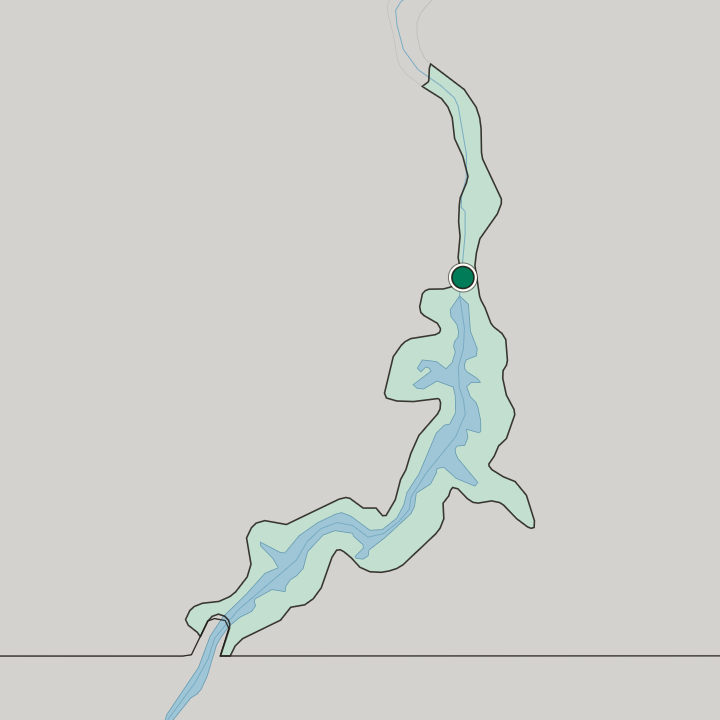
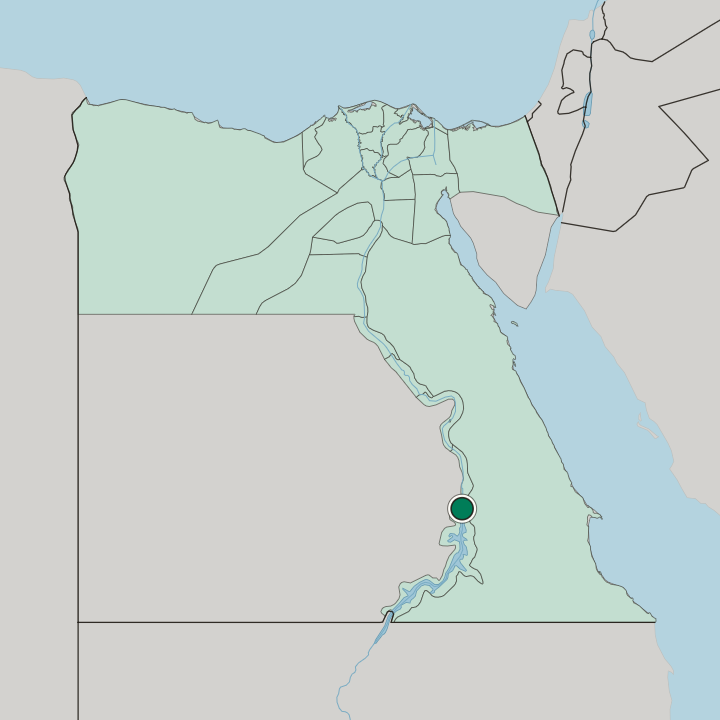
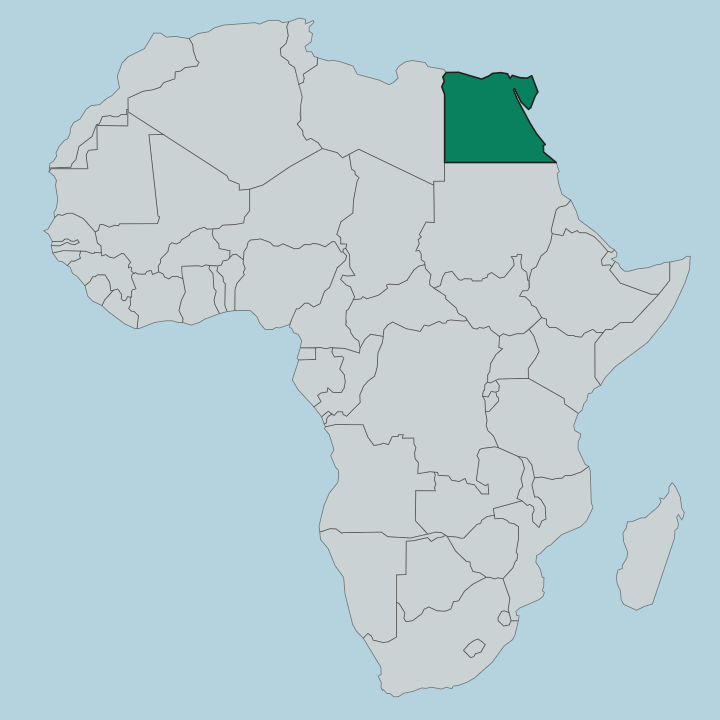
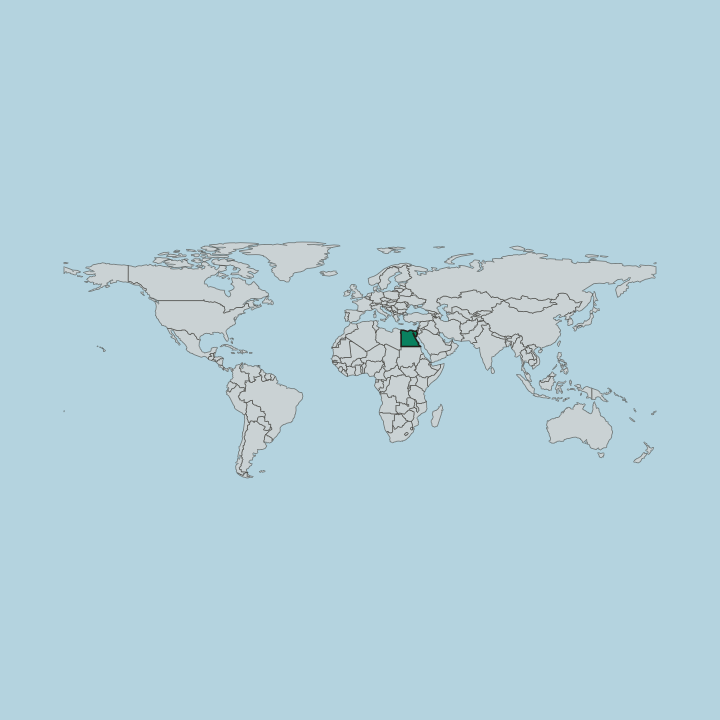
Aswān lies in Upper Egypt, on the Nile in the far south of the country below the Aswan Dam. The desert presses close. The city runs along the river's east bank past the granite islands, with the Ruins of Elephantine set in midstream and the western cliffs rising toward Qubbet el-Hawa across the water of the Aswan Governorate.
What is the climate of Aswān?
Aswān has a hot, dry desert climate among the driest in Egypt. Rain almost never falls. Long scorching summers and short mild winters cross the far south of Upper Egypt, with the Nile the one thread of water through the parched land of the Aswan Governorate.
How do you get to Aswān?
Aswān is reached by rail, road, and river from the north of Egypt. The Nile draws the routes south. A rail line and road follow the river down through Upper Egypt to the town, while boats work the water past the granite islands, and ferries cross to the Ruins of Elephantine within the Aswan Governorate.
Common questions
What is the best area to stay in Aswān?
Nile east bank: travellers who want the corniche and the boat crossings to the granite islands outside the door. River islands and west bank: visitors who prefer quieter Nubian lodgings across the water.
Good for
More cities in Muḩāfaz̧at Aswān
Updated September 2026