Egypt · Muḩāfaz̧at Aswān
Where to Stay in Kom Ombo, Muḩāfaz̧at Aswān
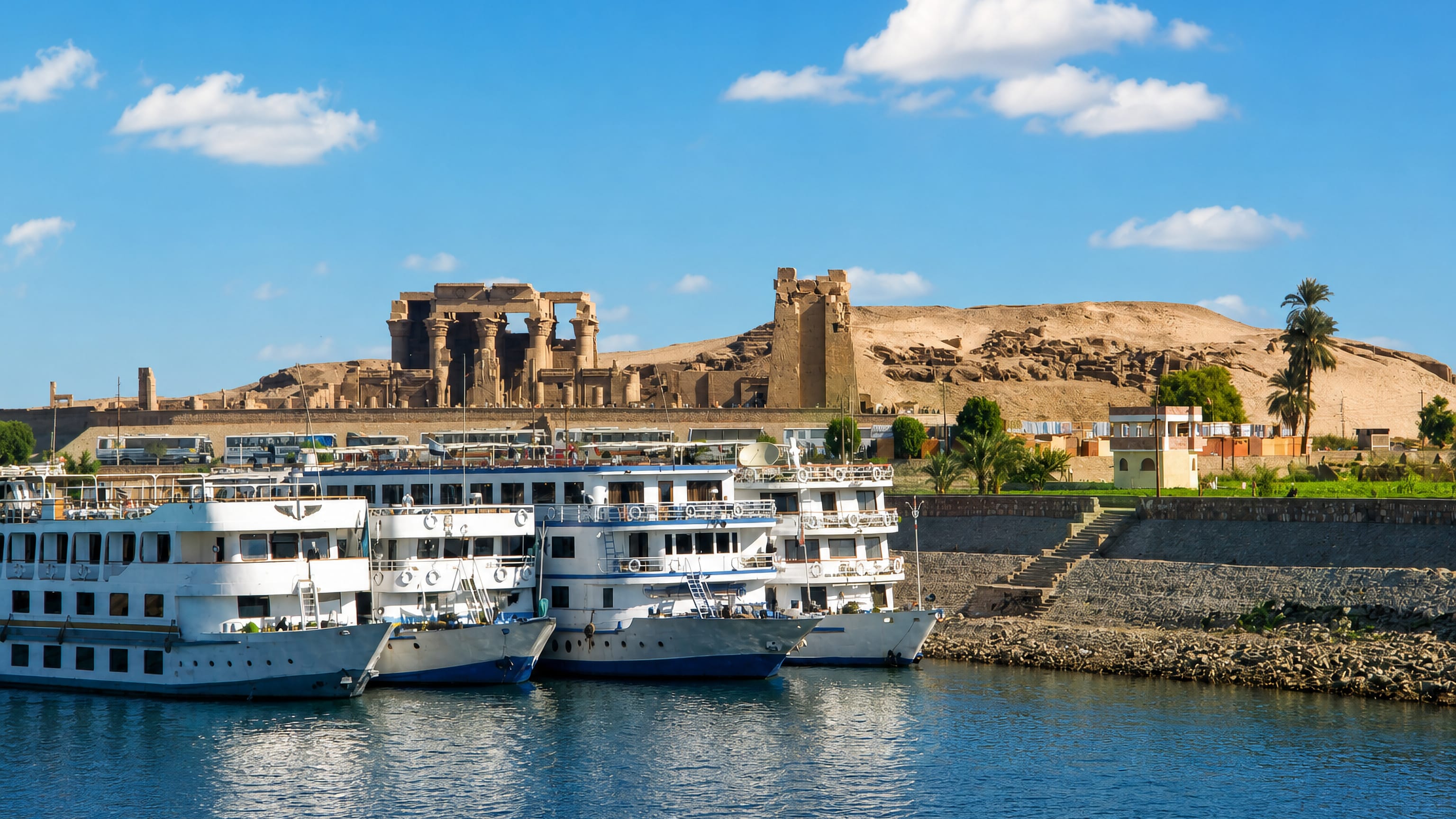
Kom Ombo is a town of Upper Egypt on the east bank of the Nile, known for its double temple of the crocodile god, in sugar-cane country north of Aswan.
Hotel links are affiliate links: booking through them may earn us a commission, at no extra cost to you. It never affects how places are ranked. How this works


Where to stay in Kom Ombo
Where the beds are, and what that means for the visit.
At Kom Ombo the decision is the riverside temple quarter or the town behind it. The streets by the temple keep the ruins, the museum, and the market within a walk, and staying near the water suits anyone here for the temple. The temple stands over the bank.
Cruise boats moor below. Out toward the fields and the desert, the town gives way to the cane farms, the palm groves, and the Nubian villages. A room out of town trades the streets for the green fields, the wide river, and the quiet of the desert edge.
The Nile runs on to Aswan. Stay by the river for the temple, or out for the fields. From the cane fields it is a short ride back to the temple and the market.
Find hotels in Kom Ombo
Direct booking searches for these neighbourhoods.
By the temple
Near the Nile bankFind hotels in By the templeStays wanting the cane country and villagesThe fields and desert
Out from the riverFind hotels in The fields and desertHotel links are affiliate links: booking through them may earn us a commission, at no extra cost to you. It never affects how places are ranked. How this works
About Kom Ombo
Kom Ombo is the temple town of the Upper Nile.
What is Kom Ombo known for?
On the east bank of the river between Edfu and Aswan, it grew as a crossing and market of Upper Egypt, and it keeps the great double temple of Sobek and Horus above the water, the crocodile museum with its mummied beasts, the wide sugar-cane fields of the valley, and the Nubian villages resettled on the desert edge. The Nile runs green through the sand. Cane fields spread along the bank.
What are the main landmarks in Kom Ombo?
The double temple is the pride of Kom Ombo. The twin sanctuary of Sobek and Horus on the riverbank, its columns still bright with carved gods and old healing tools, stands above the Nile, the emblem of the town, downtown. A museum holds the crocodiles.
The hall of mummied crocodiles lies beside the temple, while the sugar mills, the palm groves, and the Nubian villages mark the country around Kom Ombo.
What is the history of Kom Ombo?
Kom Ombo was an old city of the gods. On this bend of the Nile the ancient Egyptians worshipped Sobek, the crocodile god of the river, and Horus the elder, and in the age of the Greek kings a great temple was raised to them both. Two gods shared one house.
The temple was built double, with twin doorways and halls, one side for Sobek and one for Horus, a plan seen nowhere else on the Nile. The crocodiles were sacred here. Live crocodiles were kept and fed at the temple and mummified when they died, and hundreds of their embalmed bodies still lie in the town's museum.
The river brought new people too. When the great dam flooded the old Nubian land to the south, many Nubians were moved north to Kom Ombo and given new villages on the desert edge, and the town grew on their farms, its sugar, and its temple, keeping its shrines, its cane, and its river. The old stones still stand by the water.
Kom Ombo keeps its double temple above the Nile.
Where is Kom Ombo?
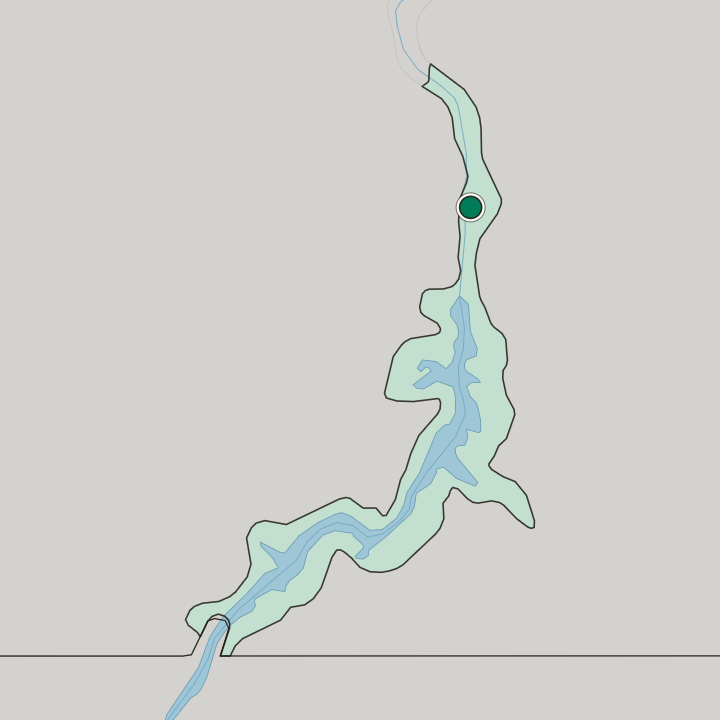
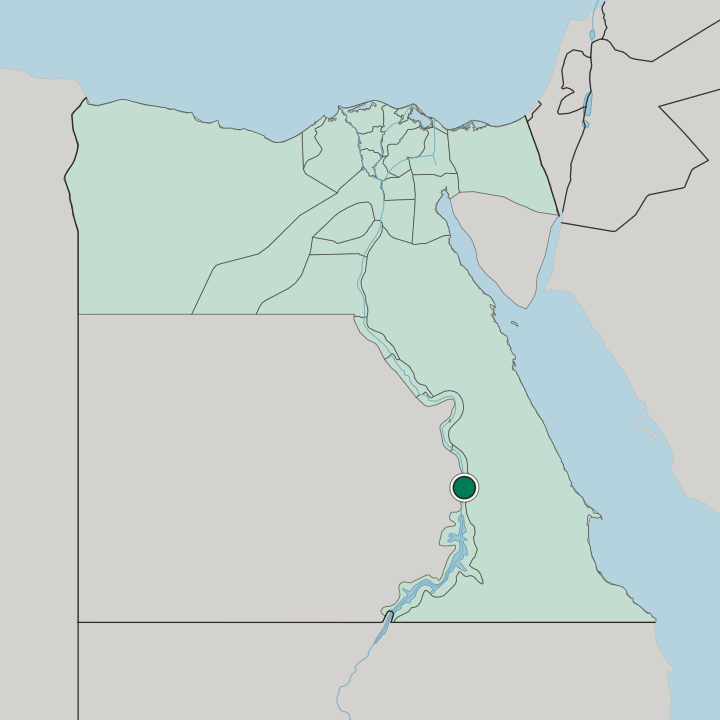
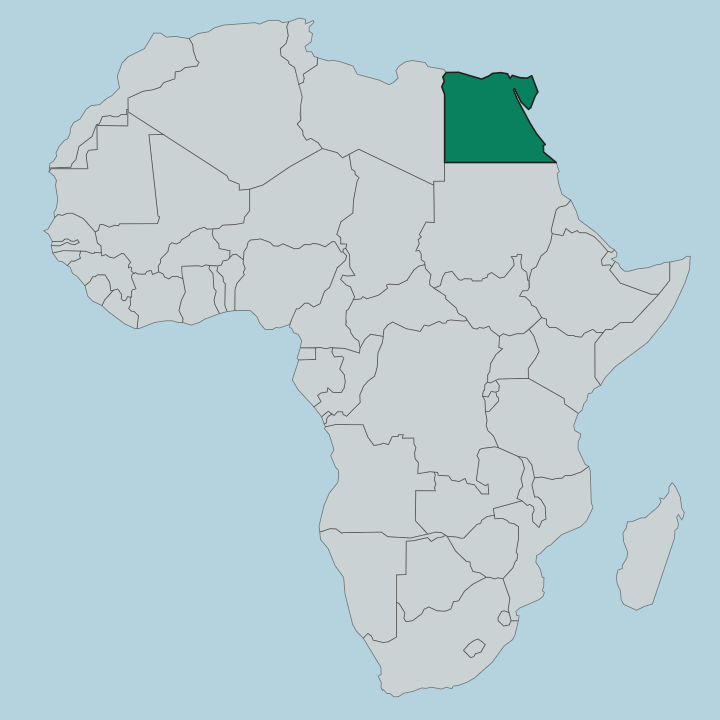
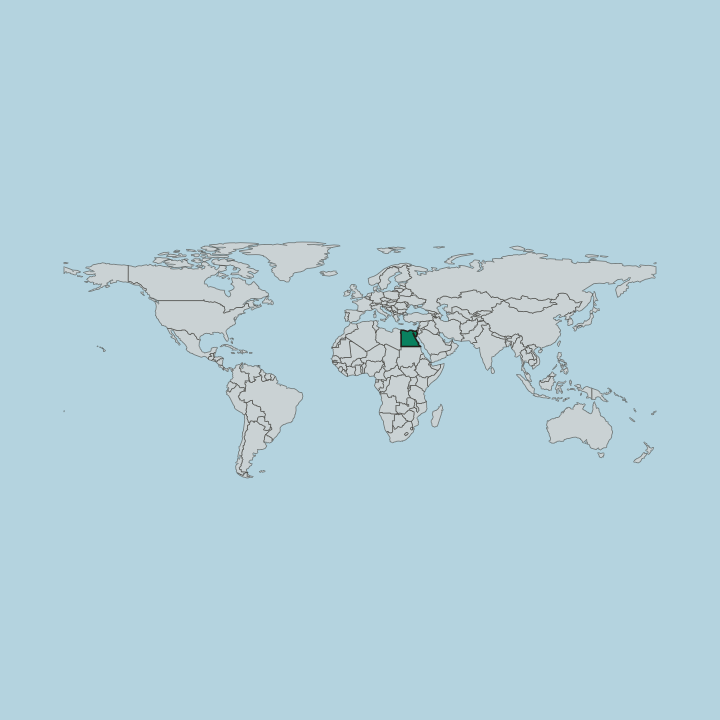
Kom Ombo lies in the south of Egypt, on the east bank of the Nile in the far Upper Valley. The town sits on a bend of the great river where the green fields give way to the eastern desert, in a warm land of cane and palm, with the Nile below the temple and the bare hills rising beyond the fields. The river runs wide and slow.
Desert climbs to the east.
What is the climate of Kom Ombo?
Desert heat and dryness rule the year at Kom Ombo. Blazing summers and warm winters hold in the valley, with fierce sun and almost no rain the year round by the Nile. The summer heat is brutal.
Winter stays warm and bright.
How do you get to Kom Ombo?
Kom Ombo lies in the south of Egypt, on the Nile road between Edfu and Aswan. The highway and rail run to it up the valley from Aswan, and the cruise boats tie up below the temple on the river. Feluccas cross the Nile.
Aswan lies south up the river.
Common questions
What is the best area to stay in Kom Ombo?
By the temple: Visitors here for the ruins and river. The fields and desert: Stays wanting the cane country and villages.
Good for
More cities in Muḩāfaz̧at Aswān
Updated September 2026