Egypt
Muḩāfaz̧at Aswān, Egypt — Towns & Travel Guide
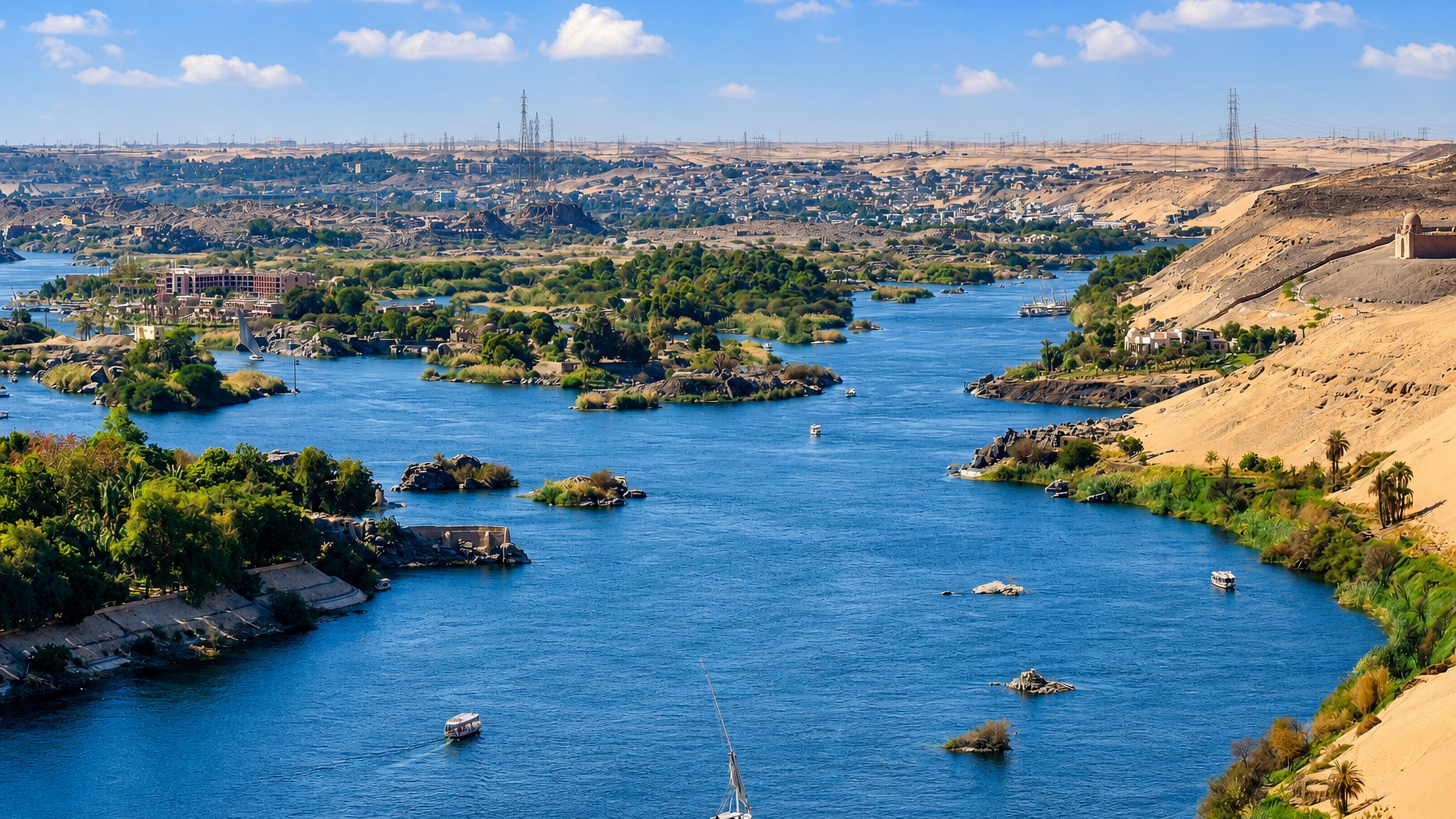
Egypt's southernmost governorate, where the Nile narrows through the First Cataract at Aswan and Lake Nasser fills the desert beyond.
Hotel links are affiliate links: booking through them may earn us a commission, at no extra cost to you. It never affects how places are ranked. How this works


Towns & cities in Muḩāfaz̧at Aswān
Pick a town or city — each links to where to stay.

 Egypt
Egypt
Kom Ombo
Kom Ombo is a town of Upper Egypt on the east bank of the Nile, known for its double temple of the crocodile god, in sugar-cane country north of Aswan.Where to stay →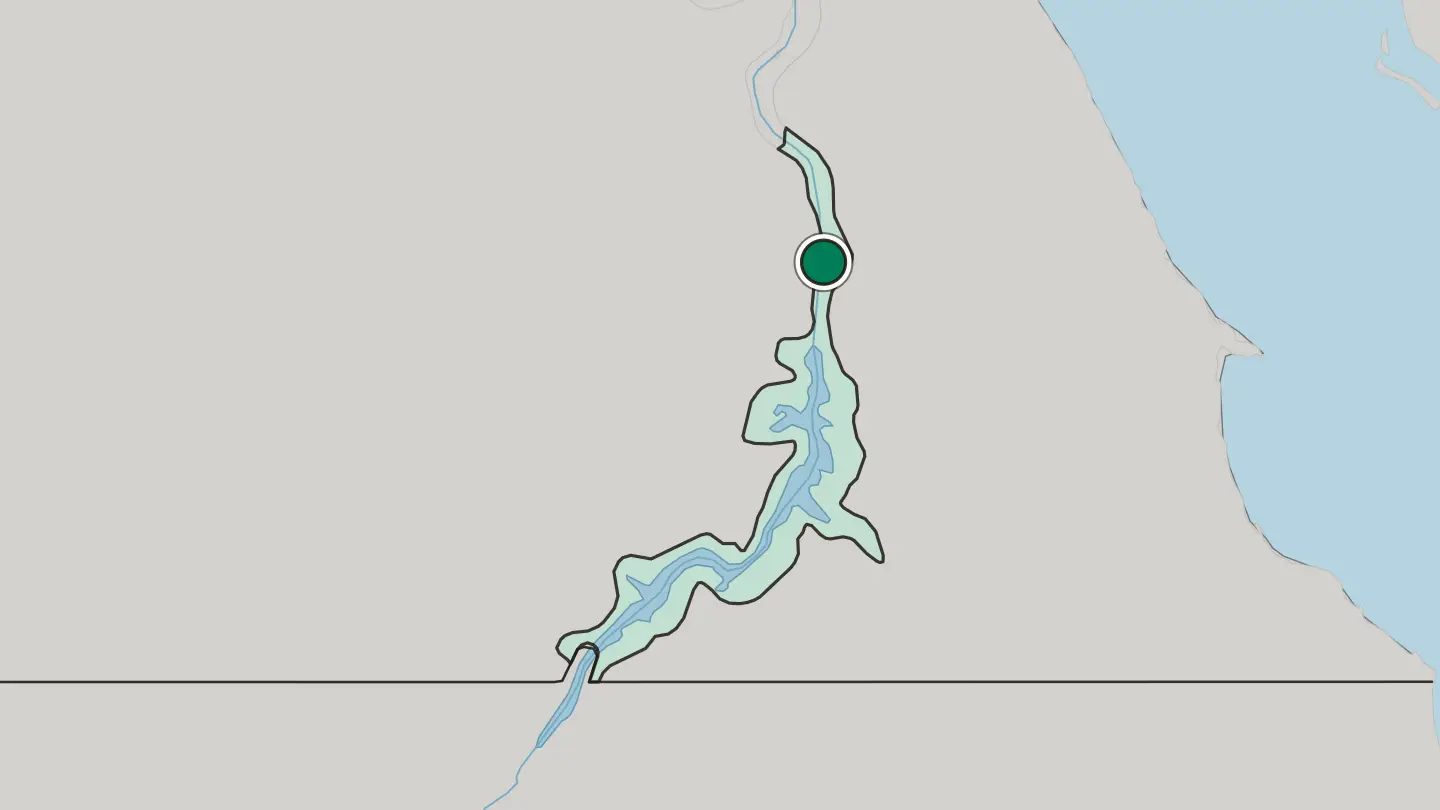
 Egypt
Egypt
Aswān
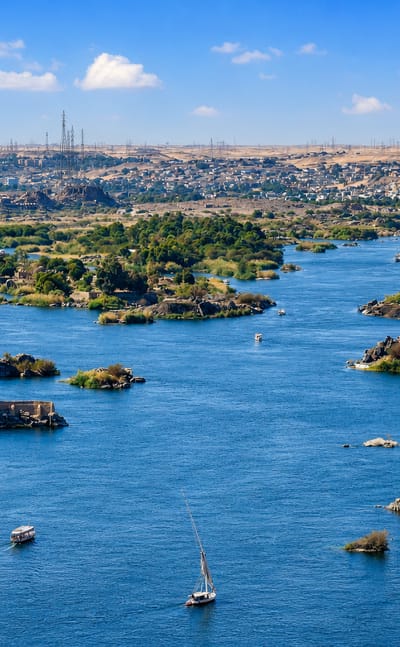
Granite and river water frame Aswān, the southernmost city of Egypt, set on the Nile in Upper Egypt below the Aswan Dam.Where to stay →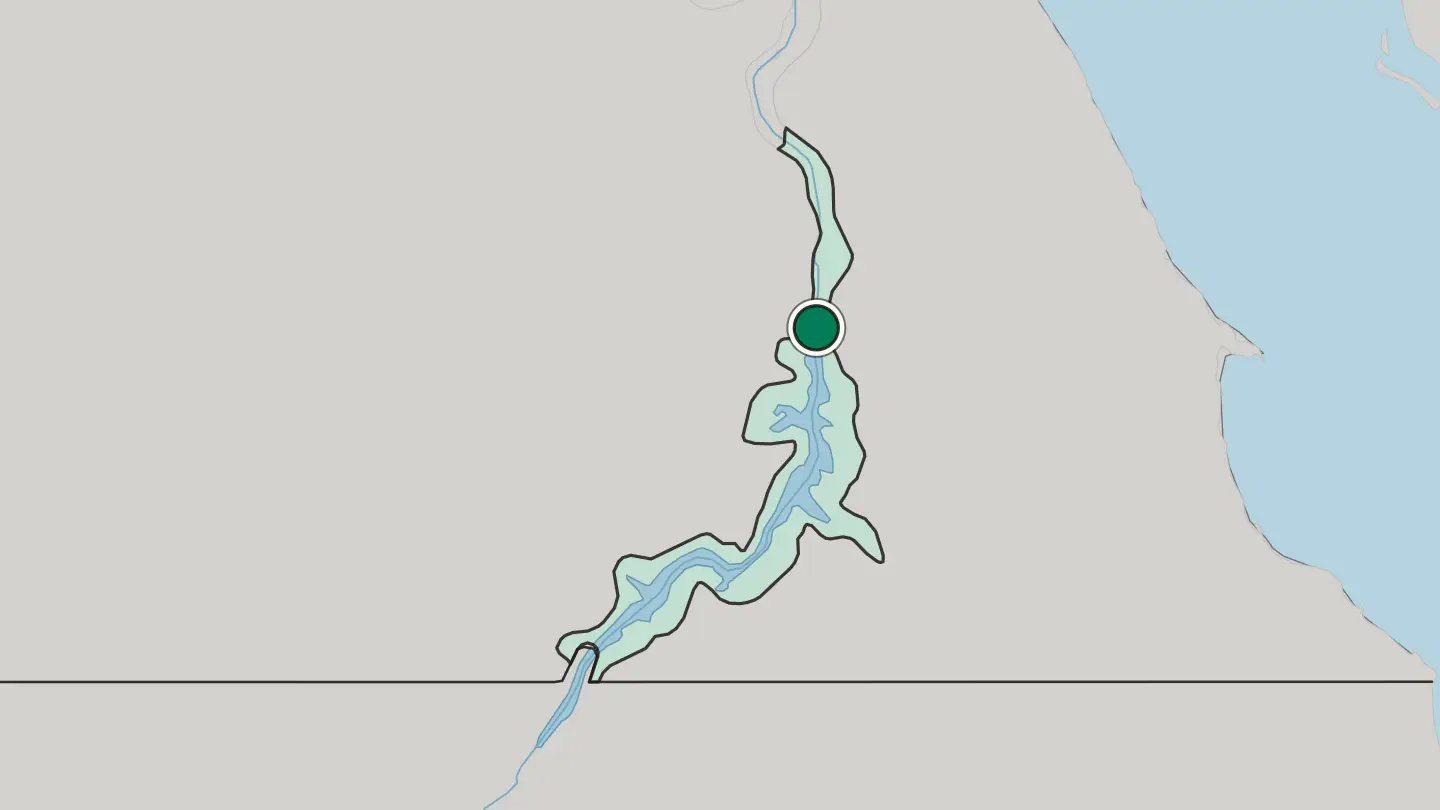 Egypt
Egypt
Edfu
Edfu is a Nile town of Upper Egypt between Luxor and Aswan, famous for the great Temple of Horus, the best-preserved of all the temples of ancient Egypt.Where to stay →
Hotel links are affiliate links: booking through them may earn us a commission, at no extra cost to you. It never affects how places are ranked. How this works
About Muḩāfaz̧at Aswān
This is the far south of Egypt.
What is Muḩāfaz̧at Aswān known for?
Aswan, the capital, sits on the east bank of the Nile at the First Cataract, once the frontier of ancient Egypt and now the base for river journeys upstream. The great salvaged monuments define the region: the twin rock temples of Abu Simbel, moved stone by stone above the rising water, and the temple of Isis rebuilt on Agilkia island near Aswan. South of the city, the Aswan High Dam holds back Lake Nasser across the old Nubian homeland.
Where is Muḩāfaz̧at Aswān?
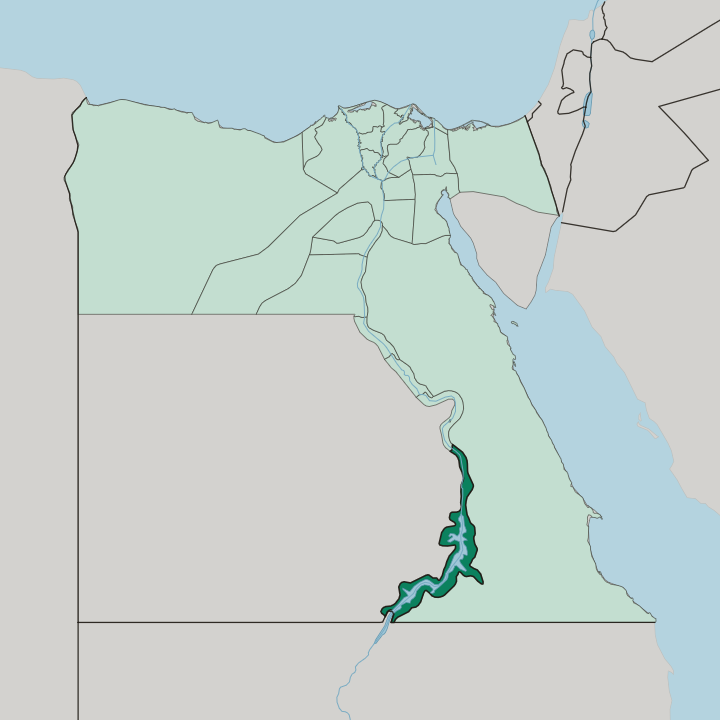
Aswan Governorate is the southernmost of Egypt's governorates, filling the far reach of Upper Egypt where the country runs down to the border with Sudan. The Nile threads through it. A thin ribbon of fertile land follows the river, green and irrigated, while sand and rock stretch away on either side into the eastern and western deserts.
The capital, Aswan, stands on the east bank at the First Cataract, the granite barrier that once marked the southern edge of ancient Egypt and long broke the river's navigation. Qena Governorate lies to the north, the Red Sea Governorate to the east, and the vast New Valley Governorate to the west. South of Aswan the map changes completely.
The Aswan High Dam pens the Nile into Lake Nasser, one of the largest artificial lakes anywhere, its water reaching south across the old land of Nubia into Sudan. Elephantine, Sehel and the island that carries the relocated Philae temples sit in the river around the city. The Tropic of Cancer runs across the governorate just south of Aswan.
It is a land of two elements, water and desert, with almost nothing in between.
What is Muḩāfaz̧at Aswān like?
This is Nubian Egypt, and it feels distinct from the country to the north. The Nubians have lived along this stretch of the Nile for thousands of years, and their languages, Nobiin and Kenzi, are still spoken alongside Arabic here. Their villages are unmistakable.
Houses on the west bank of the Nile and around Aswan are washed in strong blues, ochres and greens, with domed roofs and painted doorways that set them apart from anywhere else in Egypt. Much of that world was displaced. When the Aswan High Dam flooded the old Nubian homeland to fill Lake Nasser, tens of thousands of people were resettled downstream, and the memory of the drowned villages runs through Nubian music and craft to this day.
Aswan carries the everyday life of the region. Its riverside souq sells spices, hibiscus and woven goods, and feluccas work the water below the granite banks. Life along this reach of the Nile moves slowly.
Ancient stone and living Nubian tradition share the same short stretch of river, and the governorate holds both at once.
What is the history of Muḩāfaz̧at Aswān?
Aswan guarded the southern frontier of ancient Egypt. From the trading post on Elephantine and the town at the First Cataract, pharaohs pushed expeditions into Nubia for gold, ivory and stone, and the pink granite quarried here went into monuments the length of the Nile. Its later story turned on water.
The Aswan Low Dam of 1902 first raised the river, and the Aswan High Dam of 1970 changed everything, drowning the Nubian villages under Lake Nasser and forcing the rescue of Abu Simbel and Philae from the flood.
What is the climate of Muḩāfaz̧at Aswān?
Aswan is among the hottest and driest places on earth. The governorate has a hot desert climate, and rain barely reaches it in any year. Summer days, from around May to September, turn fiercely, dangerously hot on the open desert, while the winter months stay warm and bright and draw most visitors to the Nile.
The dry desert air and near-constant sun are the whole character of the weather here. Cloud is rare.
How do you get to Muḩāfaz̧at Aswān?
Most travellers reach Aswan by air or by river. Aswan International Airport, west of the city, takes flights up from Cairo, and the overnight sleeper train runs the length of the Nile valley to the same riverside town. Many arrive by water instead, on Nile cruises down from Luxor that call at the temples of Edfu and Kom Ombo along the way.
Abu Simbel, near the Sudan border, is reached from Aswan by road convoy or a short hop by air. Feluccas do the rest.
Common questions
What is the best area to stay in Muḩāfaz̧at Aswān?
Aswan east bank: the Nile front and the temple circuit. The Nubian west bank: Nubian colour over convenience. Abu Simbel: sunrise at the great temples.
Good for
More regions in Egypt
Updated September 2026