Egypt · Muḩāfaz̧at Sūhāj
Where to Stay in Akhmīm, Muḩāfaz̧at Sūhāj
Akhmim is an ancient town on the east bank of the Nile in Upper Egypt, the old Panopolis, a city of weavers facing Sohag across the river.
Hotel links are affiliate links: booking through them may earn us a commission, at no extra cost to you. It never affects how places are ranked. How this works


Where to stay in Akhmīm
Where visitors usually base themselves, and why.
Where you stay in Akhmim turns on the town or across the river in Sohag. The streets around the statue keep the temple, the markets, and the weavers within a walk, and staying in Akhmim suits anyone here for the old town. The Nile runs close by.
Weavers work in the lanes. Across the bridge in Sohag, the bigger city holds the station, the hotels, and the wider bazaars. A room in Sohag trades the old lanes for more beds and the trains, a short drive from Akhmim over the water.
The green valley spreads each way. Stay in Akhmim for the temple, or in Sohag for the roads. The river runs between the two.
Find hotels in Akhmīm
Direct booking searches for these neighbourhoods.
Akhmim town
Around the Meritamen statue in the old townFind hotels in Akhmim townStays wanting hotels and the train stationSohag
Across the Nile bridge in the bigger cityFind hotels in SohagHotel links are affiliate links: booking through them may earn us a commission, at no extra cost to you. It never affects how places are ranked. How this works
Things to do in Akhmīm
Ranked by global recognition; descriptions from Wikidata (CC0).
Museums & Galleries
1- Sohag National Museum
Churches & Religious Sites
3- White Monastery
- Deir Mar Girgis al-Hadidi
- Dayr al-Malak Micha'il
Castles & Historic Sites
3- Akhmim
- Idfa
- Panopolis
worth knowingacross 3 categories in Akhmīm
About Akhmīm
Akhmim is the old weaving city of Upper Egypt.
What is Akhmīm known for?
On the east bank of the Nile across from Sohag, it stands on one of the oldest sites in the land, the Panopolis of the Greeks, and it keeps the great temple statue of Meritamen, the memory of the fertility god Min, its famous handwoven cloth, and the Coptic monasteries of the hills behind. The Nile runs wide below. Looms still clack in the lanes.
What are the main landmarks in Akhmīm?
The great statue of Meritamen towers over old Akhmim. The colossal figure of the princess, raised again from the buried temple of Min, stands in an open square, the emblem of the town, above the streets. A temple lies half-dug nearby.
The ruins of the ancient temple are still uncovered around it, while the weavers' workshops, the Coptic monasteries, and the riverside markets mark the streets of Akhmim.
What is the history of Akhmīm?
Akhmim is one of the oldest towns of Egypt. It was the ancient Ipu, city of the fertility god Min, and the Greeks called it Panopolis, a place of temples and learning on the Nile. The gods were worshipped here long.
Priests served Min at Akhmim for thousands of years, and the town was famous for its temples, its scholars, and its fine linen. Weaving made its name down the ages. The looms of Akhmim wove cloth prized from the days of the pharaohs through the Coptic and Islamic centuries, and its weavers still work the old craft.
Christians left their mark too. Coptic monasteries rose in the hills behind the town, and in modern times a colossal statue of the princess Meritamen was dug from the ruins of the old temple, standing again in the heart of Akhmim. The old craft still holds on.
Akhmim keeps its temple stone and its looms by the Nile.
Where is Akhmīm?
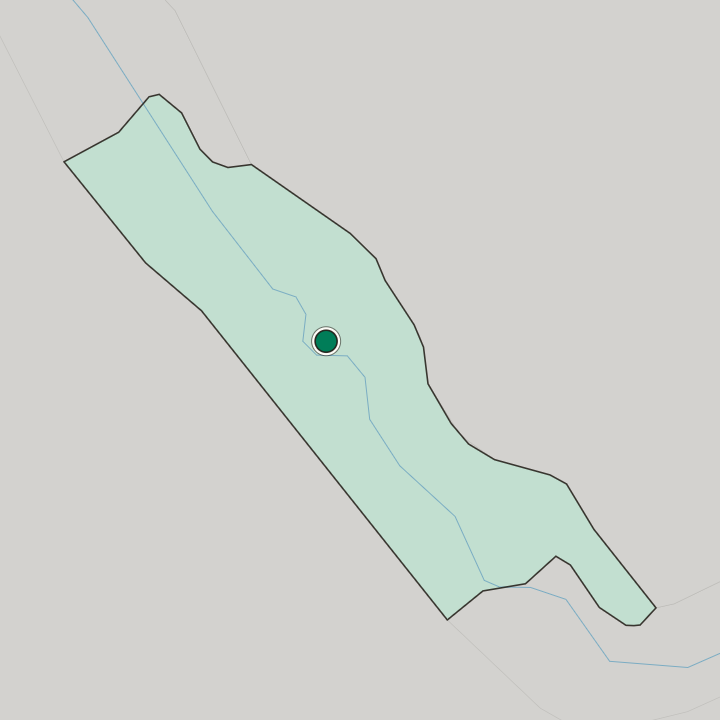
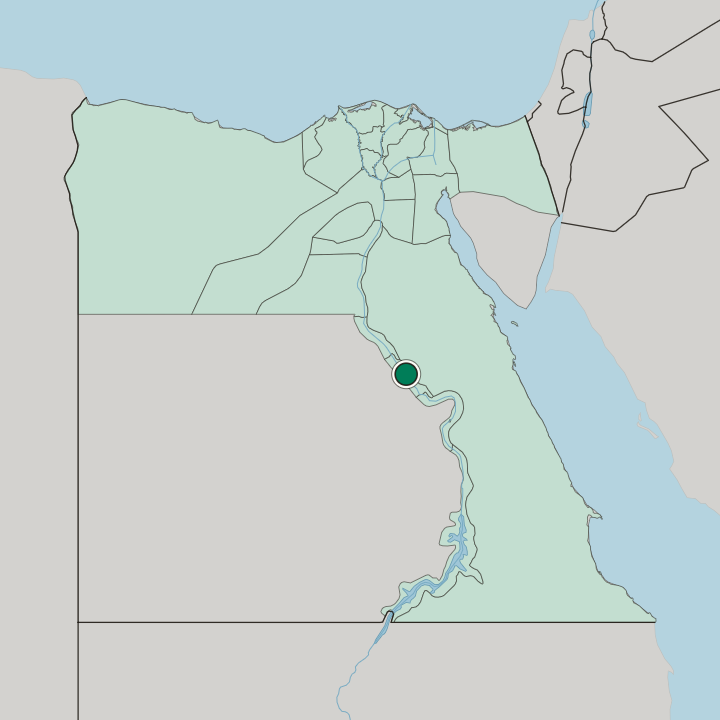
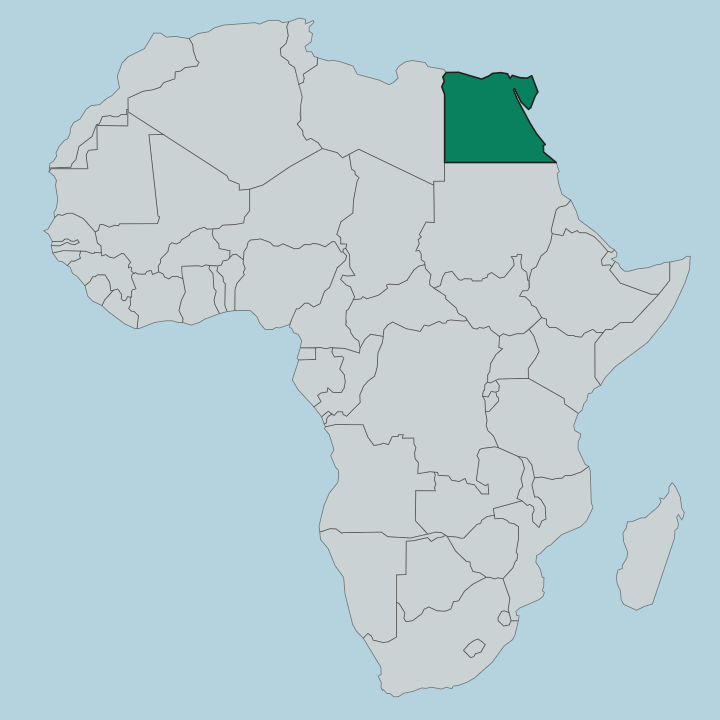
Akhmim lies in Upper Egypt, on the east bank of the Nile opposite the city of Sohag. The town stands on the narrow strip of green between the great river and the eastern desert, where the cultivated land gives way to bare hills and the cliffs of the desert edge. Desert hills rise behind the fields.
The Nile flows north past the town.
What is the climate of Akhmīm?
Akhmim has a hot desert climate. Fierce dry heat holds through the long summer, and the winters are mild and almost without rain, with cool nights and the odd dust storm off the desert. The sun beats hard on the valley.
The river keeps the fields green.
How do you get to Akhmīm?
Akhmim lies in Upper Egypt, across the Nile from Sohag by bridge. Roads and the river link it to Sohag and its station on the main Nile line, and the highway runs up the valley. Desert roads run east to the Red Sea hills.
Cairo lies far down the river to the north.
Common questions
What is the best area to stay in Akhmīm?
Akhmim town: Visitors here for the temple, statue, and weavers. Sohag: Stays wanting hotels and the train station.
Good for
More cities in Muḩāfaz̧at Sūhāj
Updated October 2026