Egypt · Muḩāfaz̧at Sūhāj
Where to Stay in Sohag, Muḩāfaz̧at Sūhāj
Sohag is a city on the Nile in Upper Egypt, at the heart of the old Coptic monastery country.
Hotel links are affiliate links: booking through them may earn us a commission, at no extra cost to you. It never affects how places are ranked. How this works


Where to stay in Sohag
Where visitors usually base themselves, and why.
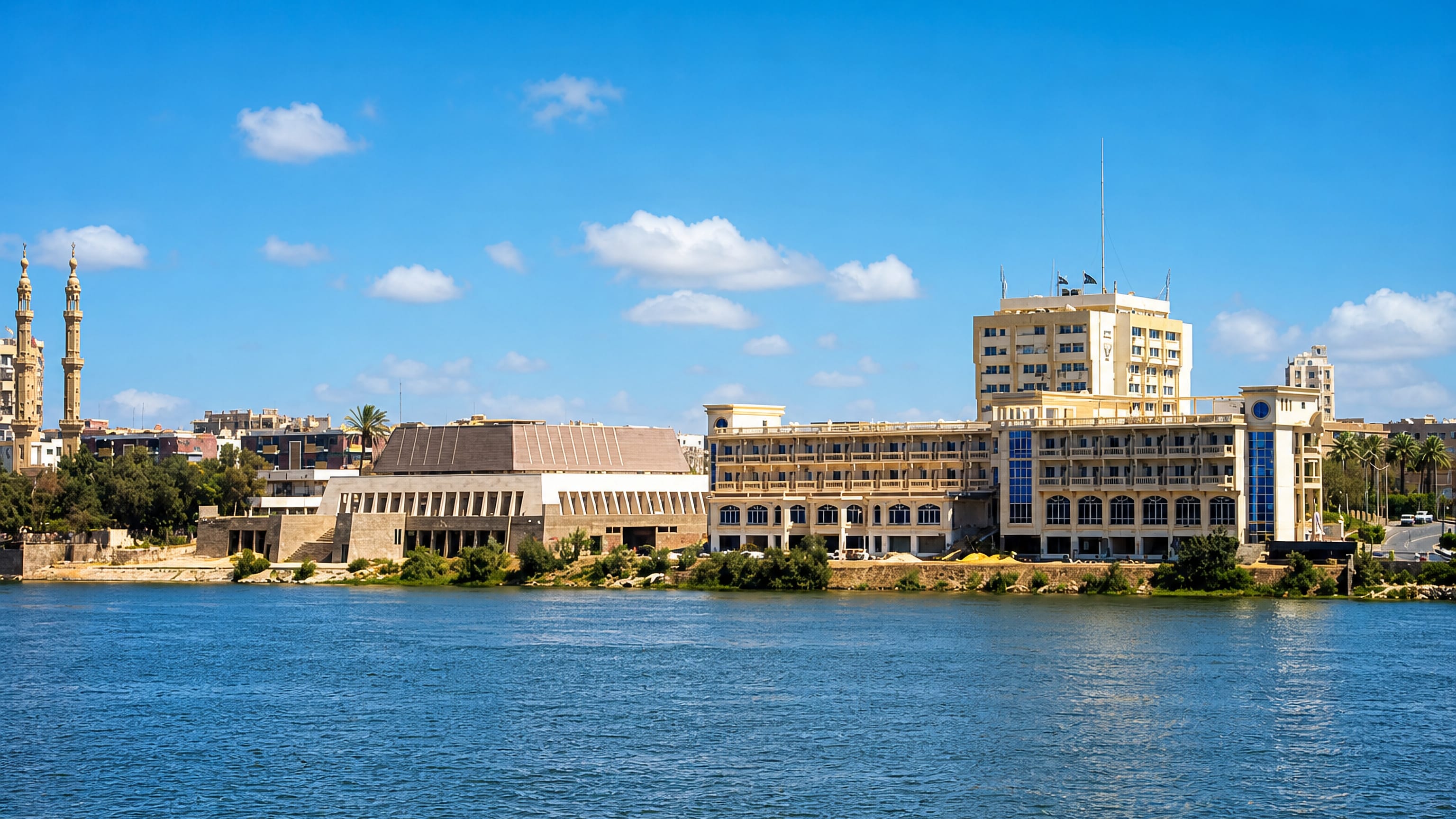
Where you stay in Sohag turns on the riverside town. The streets by the Nile keep the market, the museum, and the churches within a walk, and staying in the centre suits anyone here for the city. The river cools the evening air.
Windows on that side open onto the Nile. Out toward the desert edge and the monasteries, the town gives way to fields and sand. A room near the edge trades the river for the quiet, the abbeys, and the road to the White Monastery.
The bare desert opens past the edge. If you want the market and the museum, stay in the centre; if you want the monasteries, take a room near the edge. Either choice keeps the Nile within easy reach.
Find hotels in Sohag
Direct booking searches for these neighbourhoods.
The riverside town
By the Nile within a walk of the market and museumFind hotels in The riverside townStays wanting the monasteries and quietThe desert edge
Near the sands on the road to the White MonasteryFind hotels in The desert edgeHotel links are affiliate links: booking through them may earn us a commission, at no extra cost to you. It never affects how places are ranked. How this works
Things to do in Sohag
Ranked by global recognition; descriptions from Wikidata (CC0).
Museums & Galleries
1- Sohag National Museum
Churches & Religious Sites
3- White Monastery
- Red Monastery
- Dayr al-Malak Micha'il
Castles & Historic Sites
1- Idfa
Stadiums & Sports
1- Sohag stadium
worth knowingacross 4 categories in Sohag
About Sohag
Sohag is a Nile city of ancient monasteries.
What is Sohag known for?
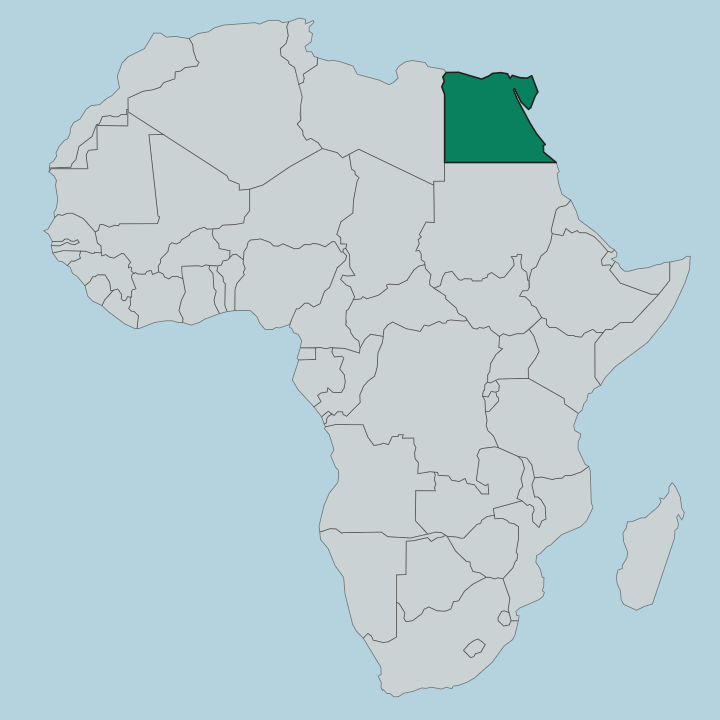
It stands on the great river in the south of Egypt, near the old town of Akhmim and the famous White and Red Monasteries of the Copts, and around it lie temple ruins and shrines from the deep past. The river runs broad past the town. Monasteries and Nile mark the city.
What are the main landmarks in Sohag?
The White Monastery stands on the desert edge near Sohag. The great abbey of pale stone, built by the abbot Shenoute, rises from the sands, the emblem of the region, above the valley. A second abbey lies near.
The Red Monastery of dark brick stands close by, while across the river the old town of Akhmim and the Sohag museum keep the ancient story of the valley.
What is the history of Sohag?
Sohag stands in a land old beyond memory. Across the river the ancient town of Akhmim, the Greeks' Panopolis, wove fine linen for the temples of Egypt, and its weavers were famous for thousands of years. The desert edge drew holy men.
In the early Christian ages monks gathered on the fringe of the sands, and the great abbot Shenoute built the White Monastery of pale stone, with the Red Monastery not far off. The monasteries held the faith through the centuries. Under many rulers the Copts kept their churches and abbeys along this stretch of the Nile, and Sohag became a heartland of Coptic Egypt.
The town grew as a river market. Trade in grain, sugar, and cotton moved along the water, and the city spread on the west bank as a market for the valley. The old monasteries still stand in the sands.
Sohag keeps its river and its abbeys in Upper Egypt.
Where is Sohag?
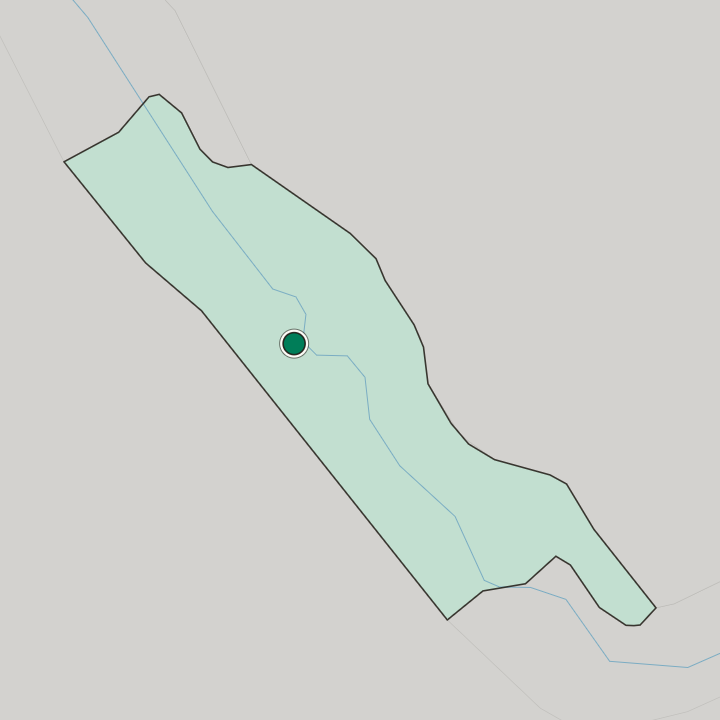
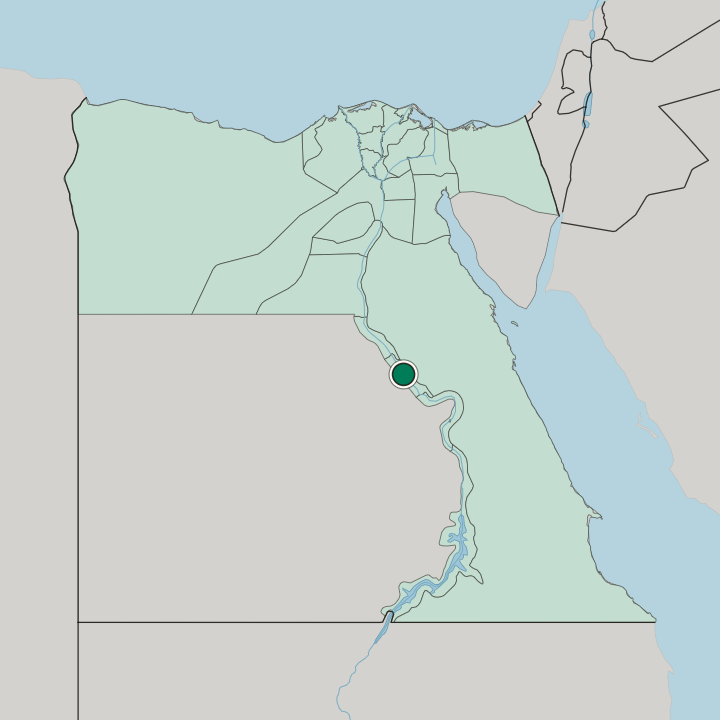
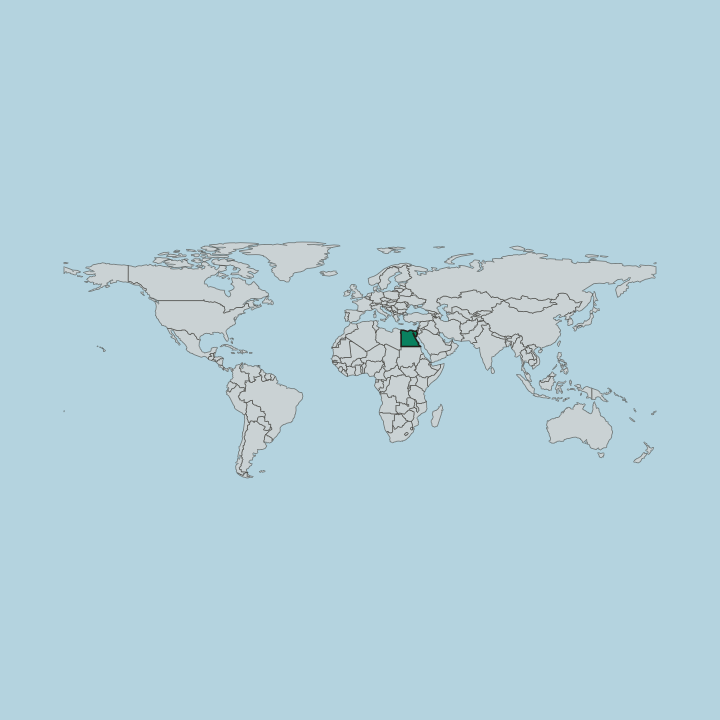
Sohag lies on the Nile in Upper Egypt, between Asyut and Qena. The city spreads along the west bank of the river, in the narrow green valley hemmed by desert cliffs, across the water from the old town of Akhmim. Bare desert rises beyond the fields.
The green valley follows the river south.
What is the climate of Sohag?
Sohag has a hot desert climate. Fierce dry heat rules the valley through the long summer, and the winters stay mild and almost rainless, cooled a little by the river, under clear skies most days. Dust winds cross the desert in spring.
The valley heat stays strong much of the year.
How do you get to Sohag?
Sohag lies on the Nile in Upper Egypt, north of Luxor. The railway and the river road run to it up the valley from Cairo and Luxor, and an airport lies nearby, while ferries cross to Akhmim. Local buses link Sohag with the towns up and down the valley.
Most arrive by rail up the Nile.
Common questions
What is the best area to stay in Sohag?
The riverside town: Visitors here for the market, museum, and churches. The desert edge: Stays wanting the monasteries and quiet.
Good for
More cities in Muḩāfaz̧at Sūhāj
Updated October 2026