Spain · Cantabria
Where to Stay in Torrelavega, Cantabria
An industrial and commercial hub of Cantabria in northern Spain, Torrelavega carries the name of its 13th-century founder, Garci Lasso de la Vega I.
Hotel links are affiliate links: booking through them may earn us a commission, at no extra cost to you. It never affects how places are ranked. How this works


Where to stay in Torrelavega
The practical side of choosing where to sleep.
The centre around the Church of la Virgen Grande holds most of what a visitor uses, and the walk from there to the Church of Nuestra Señora de la Asunción takes only a few minutes. Beds concentrate there. Torrelavega runs as a working town rather than a resort, so its rooms serve business travel and traffic moving through Cantabria, which keeps the stock plain, central and easy to reach by car.
Santander is 28 km off, and choosing this town over the regional capital trades a sea front for a shorter run into the interior. Nothing sits far from the churches at the middle, and the layout keeps most stays inside a single quarter whatever street the room turns out to be on. Mijares lies outside the built-up part.
The Palace of Peredo, Mijares gives that side its landmark, and a car turns it into a quieter base within reach of the same roads. Two more anchors stand in town: the Palacio de Peredo and the Torre de don Beltrán de la Cueva, both among the older streets the modern grid grew around. The iglesia de San Salvador completes the set.
Central streets suit errands; the outskirts suit space.
Find hotels in Torrelavega
Direct booking searches for these neighbourhoods.
La Virgen Grande
The streets around the Church of la Virgen Grande hold the older fabric of Torrelavega and the bulk of its rooms, with the Palacio de Peredo a short walk off.Find hotels in La Virgen GrandeQuieter blocks by the Church of Nuestra Señora de la Asunción and the iglesia de San SalvadorNuestra Señora de la Asunción
This part of the older core keeps the Church of Nuestra Señora de la Asunción and the iglesia de San Salvador in reach while sitting off the busiest trading streets. Rooms are few around here — worth securing early.Find hotels in Nuestra Señora de la AsunciónCar-borne stays using the Palace of Peredo, Mijares as an anchorMijares
Beyond the built-up edge of Torrelavega, Mijares keeps the Palace of Peredo and open ground, which suits a driving stay far better than a walking one. Lodging is scarce in this area; reserve in advance.Find hotels in MijaresHotel links are affiliate links: booking through them may earn us a commission, at no extra cost to you. It never affects how places are ranked. How this works
Things to do in Torrelavega
Ranked by global recognition; descriptions from Wikidata (CC0).
Churches & Religious Sites
3- Church of Nuestra Señora de la Asunción, Torrelavega
- Church of la Virgen Grande, Torrelavega
- iglesia de San Salvador
Castles & Historic Sites
3- Palacio de Peredo Heritage
- Palace of Peredo, Mijares Heritage
- Torre de don Beltrán de la Cueva Heritage
worth knowingacross 2 categories in Torrelavega
About Torrelavega
What is Torrelavega known for?
Industry sets the working day here, and the chemical works on the north side of town carry the most prominent towers, the medieval one that gave the place its name having gone long ago. Commerce is the other half. The municipality serves as a trading centre for Cantabria, and its churches, Nuestra Señora de la Asunción and la Virgen Grande, mark the older core beneath that trade.
The town stands 28 km southwest of Santander, close enough that a good part of the working day is split between the two.
What are the main landmarks in Torrelavega?
Two churches carry the older fabric of the town: the Church of la Virgen Grande and the Church of Nuestra Señora de la Asunción. The iglesia de San Salvador makes a third. Civil building shows in the Palacio de Peredo inside the town and the Palace of Peredo, Mijares outside it, and the Torre de don Beltrán de la Cueva stands with them on the register of named monuments in Torrelavega.
What is the history of Torrelavega?
The name records a person. Torrelavega takes it from Garci Lasso de la Vega I, credited as its founder in the 13th century, whose descendants raised the tower, the torre, that the first half of the name preserves. That tower has gone.
What survives of the older town is ecclesiastical and seigneurial: the Church of Nuestra Señora de la Asunción, the Church of la Virgen Grande and the Palacio de Peredo. Cantabria is a single-province autonomous community, and the weight of the town inside it comes from trade and manufacture rather than administration. Industry arrived and reset the balance.
Chemical works on the north side made Torrelavega an industrial and commercial hub for Cantabria, and the tall stacks there replaced the vanished tower as the first thing seen on the approach. Santander is 28 km off. Nearness to the regional capital made the place a commuter town as well as a producer, so a large share of the working day divides between the two, and the road between them carries that traffic.
The Palace of Peredo, Mijares stands apart from all of it, outside the built-up part of the municipality.
Where is Torrelavega?
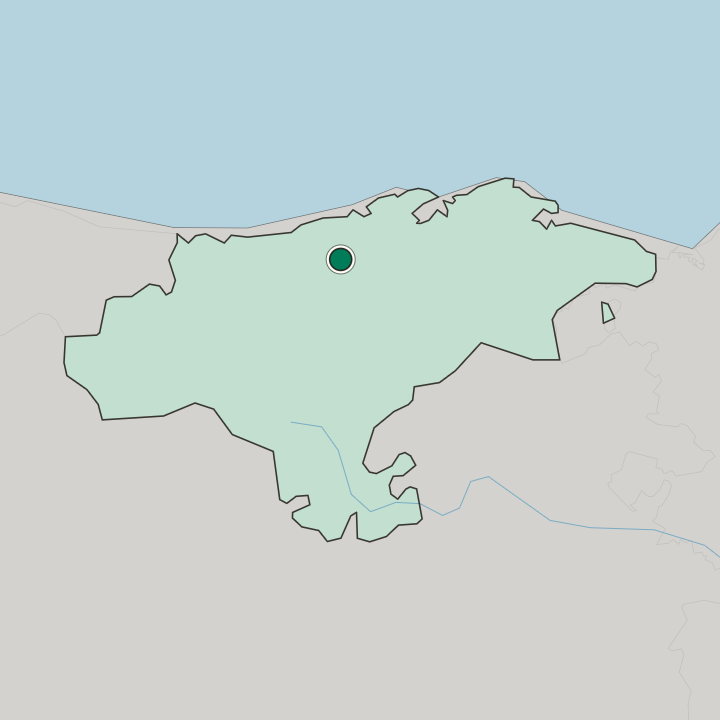
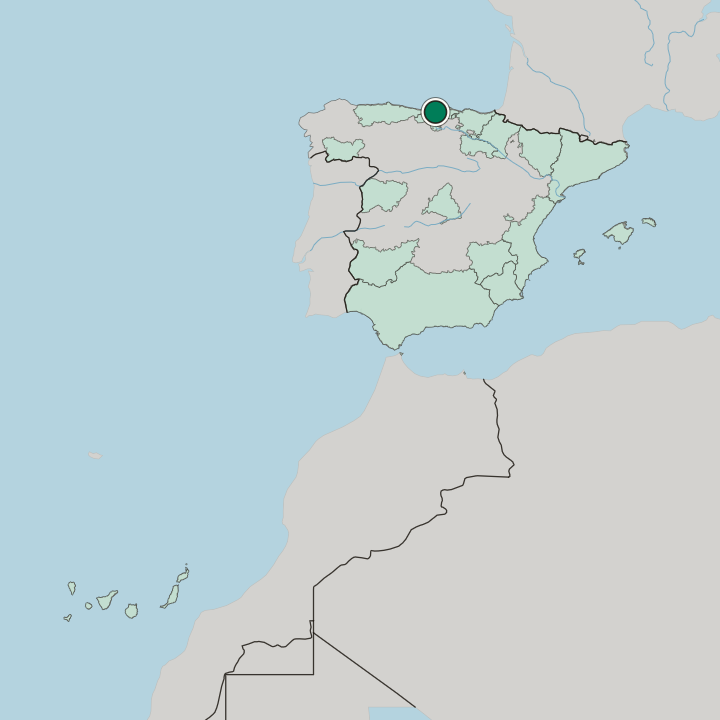
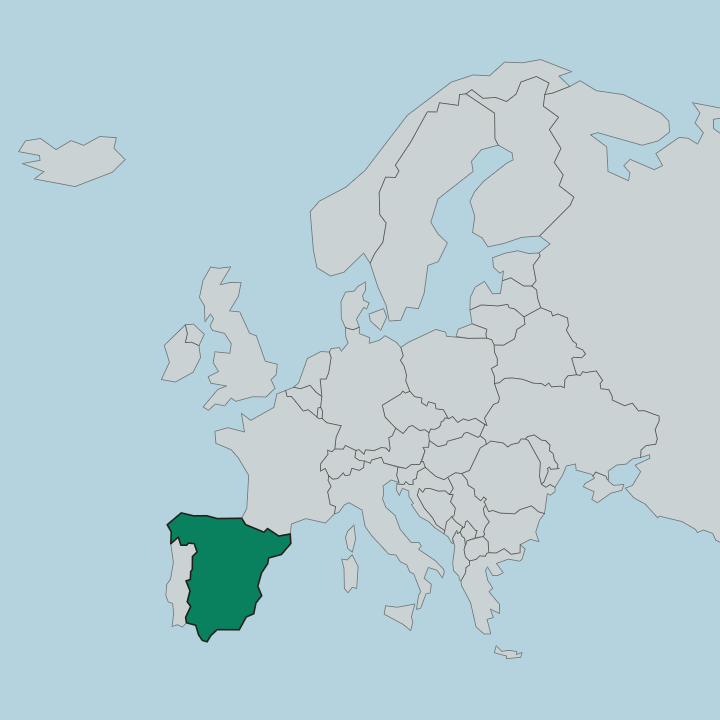
The municipality covers about 36 square kilometres of Cantabria, a single-province community in northern Spain, and the town sits near the coast without standing on it. The town stands 28 km southwest of Santander. Mijares lies beyond the built-up edge.
Roads out of the town run to Santander in one direction and into the Cantabrian interior in the other, which is why the place works as a junction as much as a settlement.
What is the climate of Torrelavega?
Nearness to the north coast keeps the swing between seasons modest, and Torrelavega shares the moderated weather of Cantabria rather than the extremes found further inland in Spain. The town sits in the temperate band. Distance from the water is short enough that the coast, and not the interior, sets the pattern, which is why the visiting year here has no closed season and no peak worth planning around.
How do you get to Torrelavega?
Santander is the reference point for arrivals. Torrelavega lies 28 km southwest of Santander, and commuter traffic between the two runs both ways through the day, which makes that connection the most-used link the town has. Everything else arrives by road.
Traffic between the coast and the Cantabrian interior passes through, and the chemical works on the north side generate freight of their own, so the approaches are busy rather than scenic.
Common questions
What is the best area to stay in Torrelavega?
La Virgen Grande: Central nights within a few minutes of the Church of la Virgen Grande. Nuestra Señora de la Asunción: Quieter blocks by the Church of Nuestra Señora de la Asunción and the iglesia de San Salvador. Mijares: Car-borne stays using the Palace of Peredo, Mijares as an anchor.
Good for
Another city in Cantabria
Updated October 2026