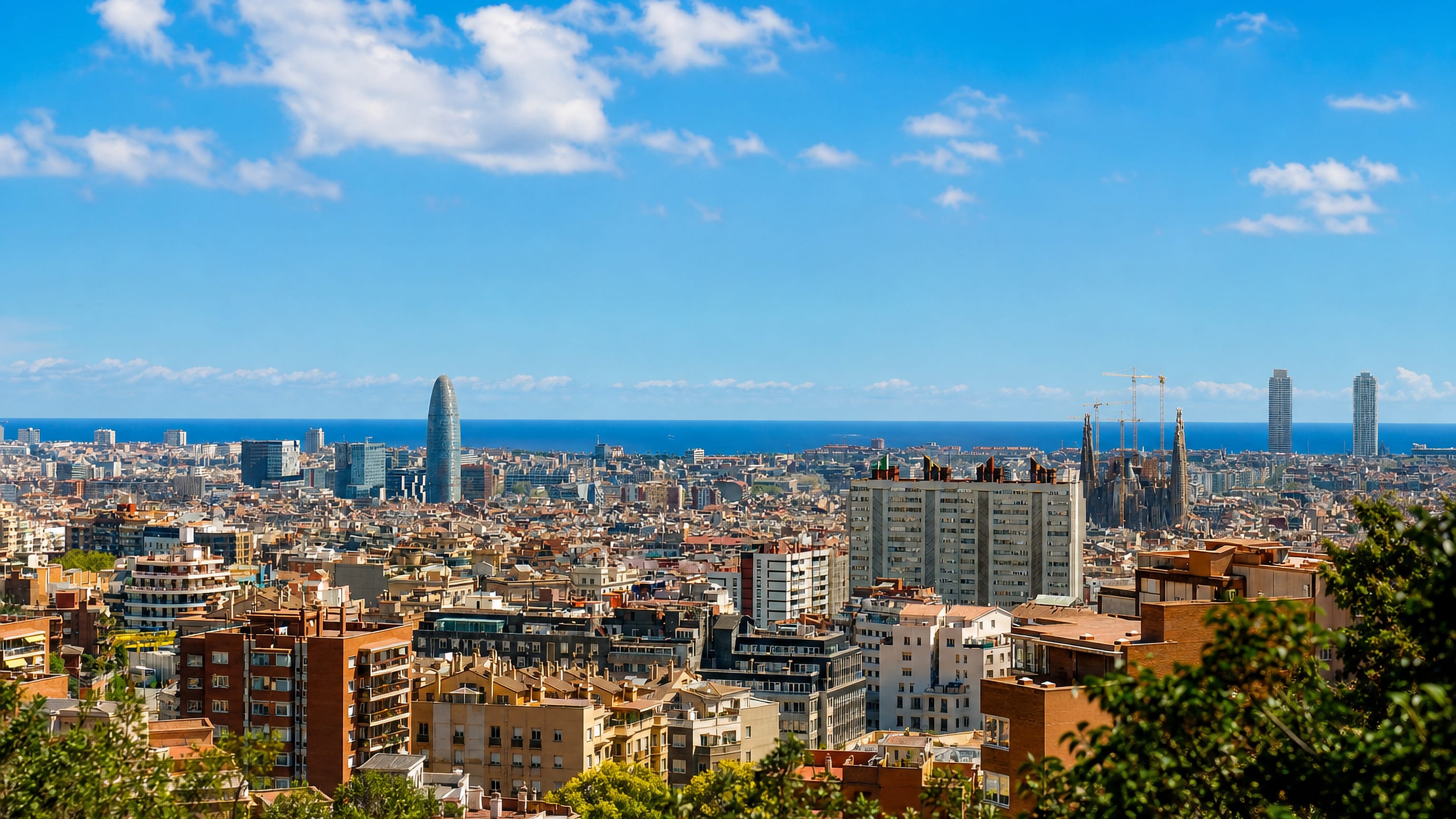
Spain: Regions, Cities & Travel Guide
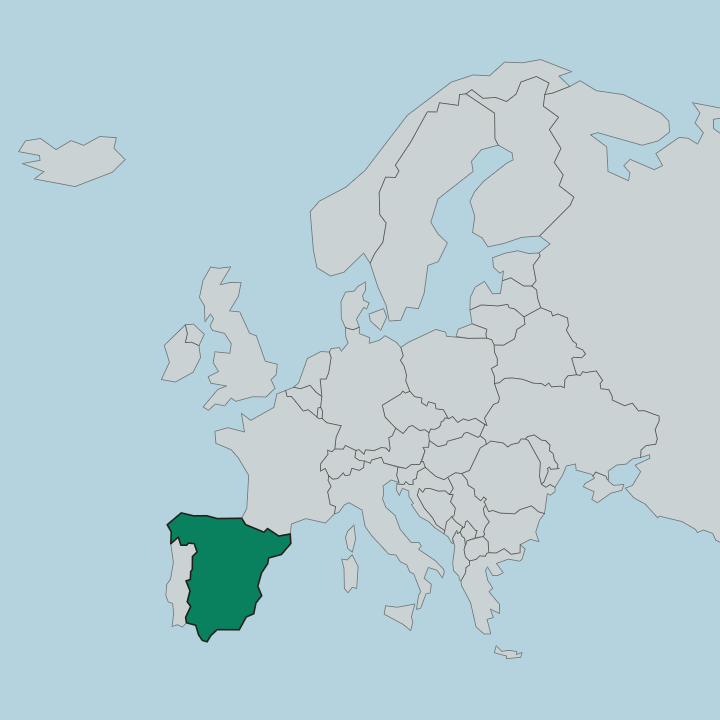
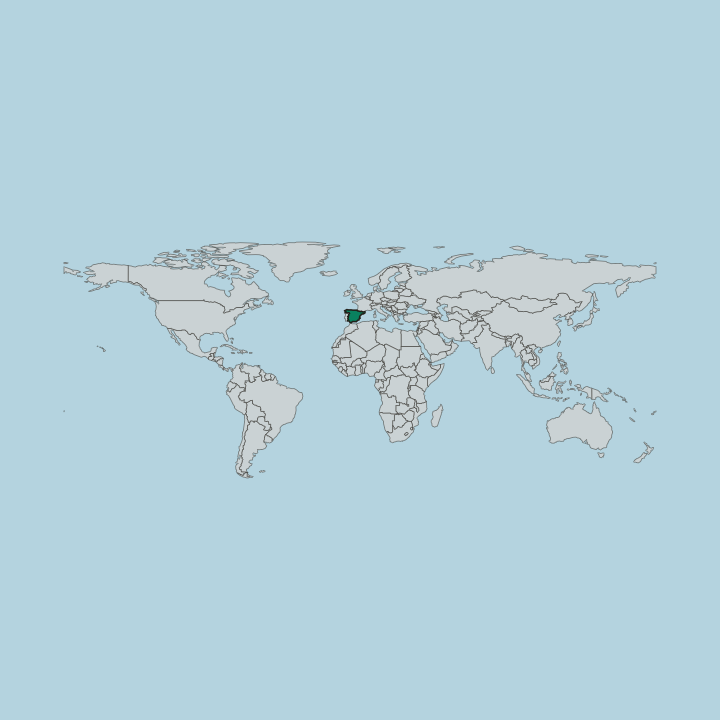
Spain is a country on the Iberian Peninsula in south-western Europe, its capital Madrid, reaching to the Balearic and Canary Islands.
Hotel links are affiliate links: booking through them may earn us a commission, at no extra cost to you. It never affects how places are ranked. How this works


Top destinations in Spain
Cities to start from, then drill into areas and hotels.
 Spain
Spain
Barcelona
Barcelona is the capital of Catalunya, a Mediterranean port city below the wooded ridge of the Serra de Collserola.Where to stay →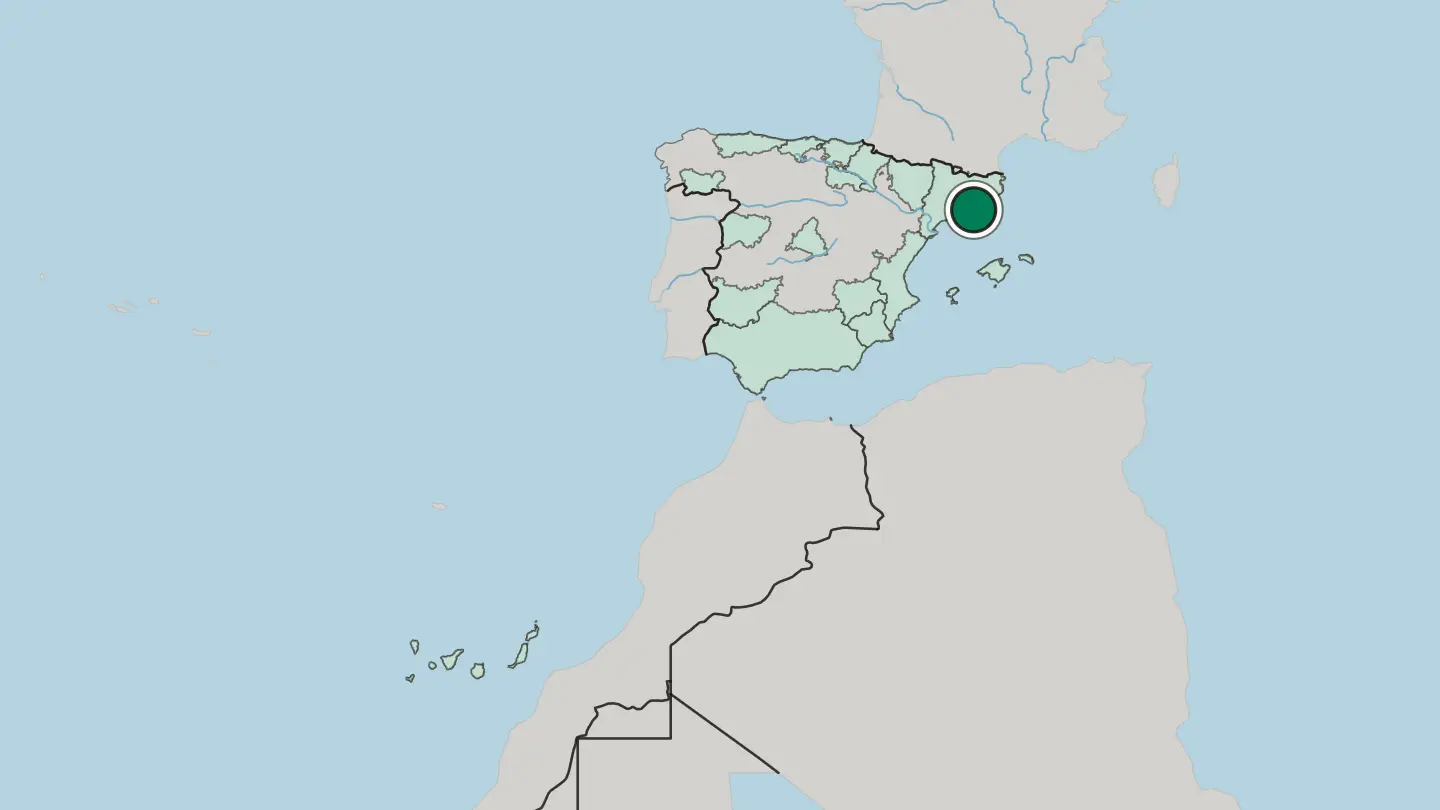
 Spain
Spain
Madrid
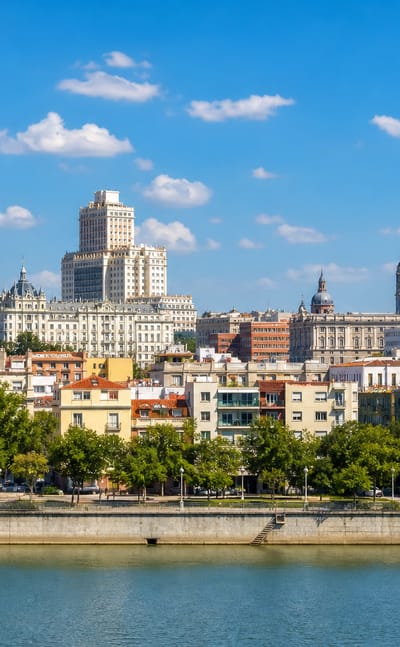
Madrid is the capital and largest city of Spain, set high on the central Iberian Peninsula on the River Manzanares.Where to stay →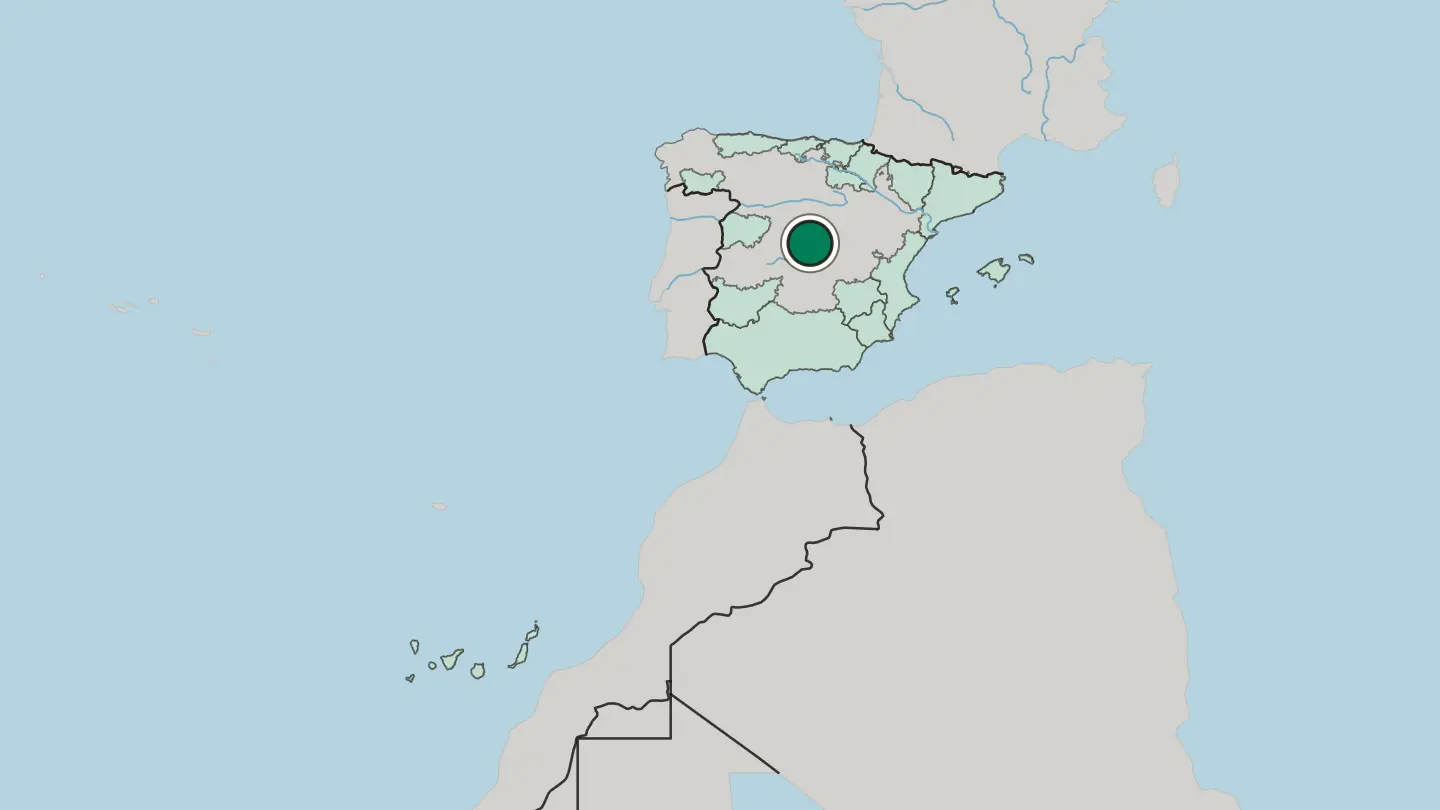
 Spain
Spain
Valencia
Salt wind crosses the drained Turia bed in Valencia, capital of the Valencian Community, known for Falles and the City of Arts and Sciences.Where to stay →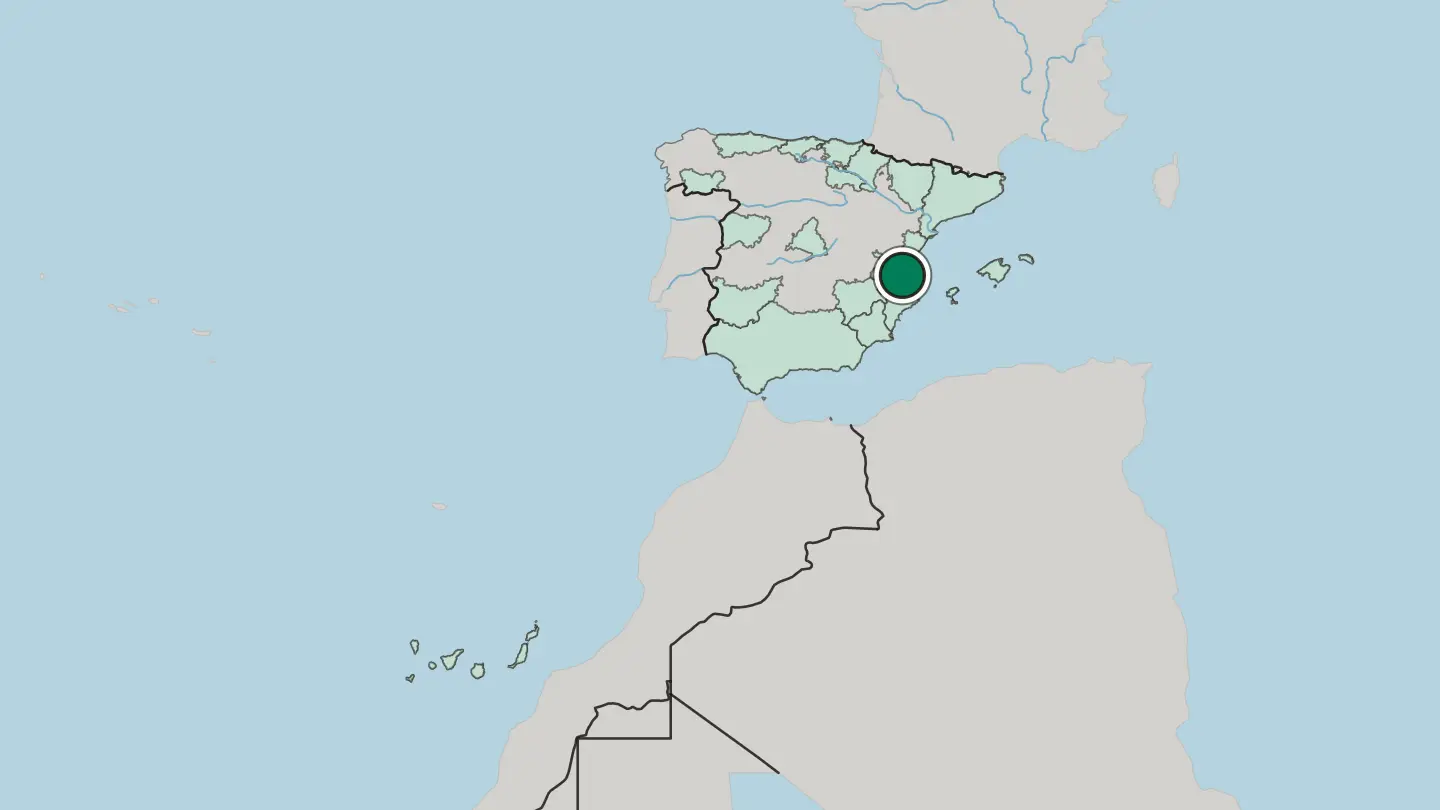
 Spain
Spain
Sevilla
Orange trees and the Giralda over the Barrio de Santa Cruz: Sevilla stands on the Guadalquivir in Andalusia, known for its Gothic cathedral and flamenco.Where to stay →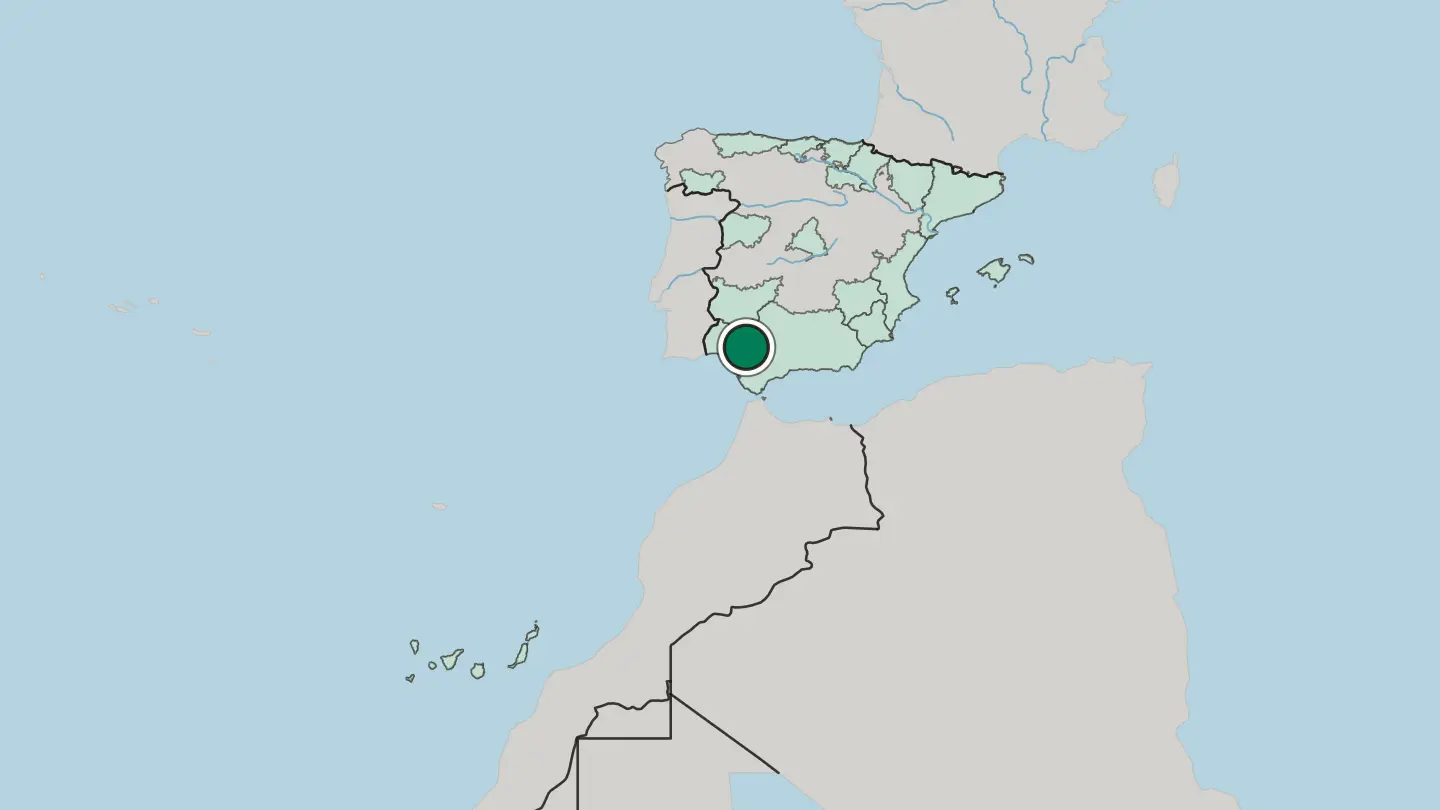
 Spain
Spain
Málaga
The Roman Theatre of Malaca and the Alcazaba share the old core of Málaga, capital of its province and the largest city on the Costa del Sol.Where to stay →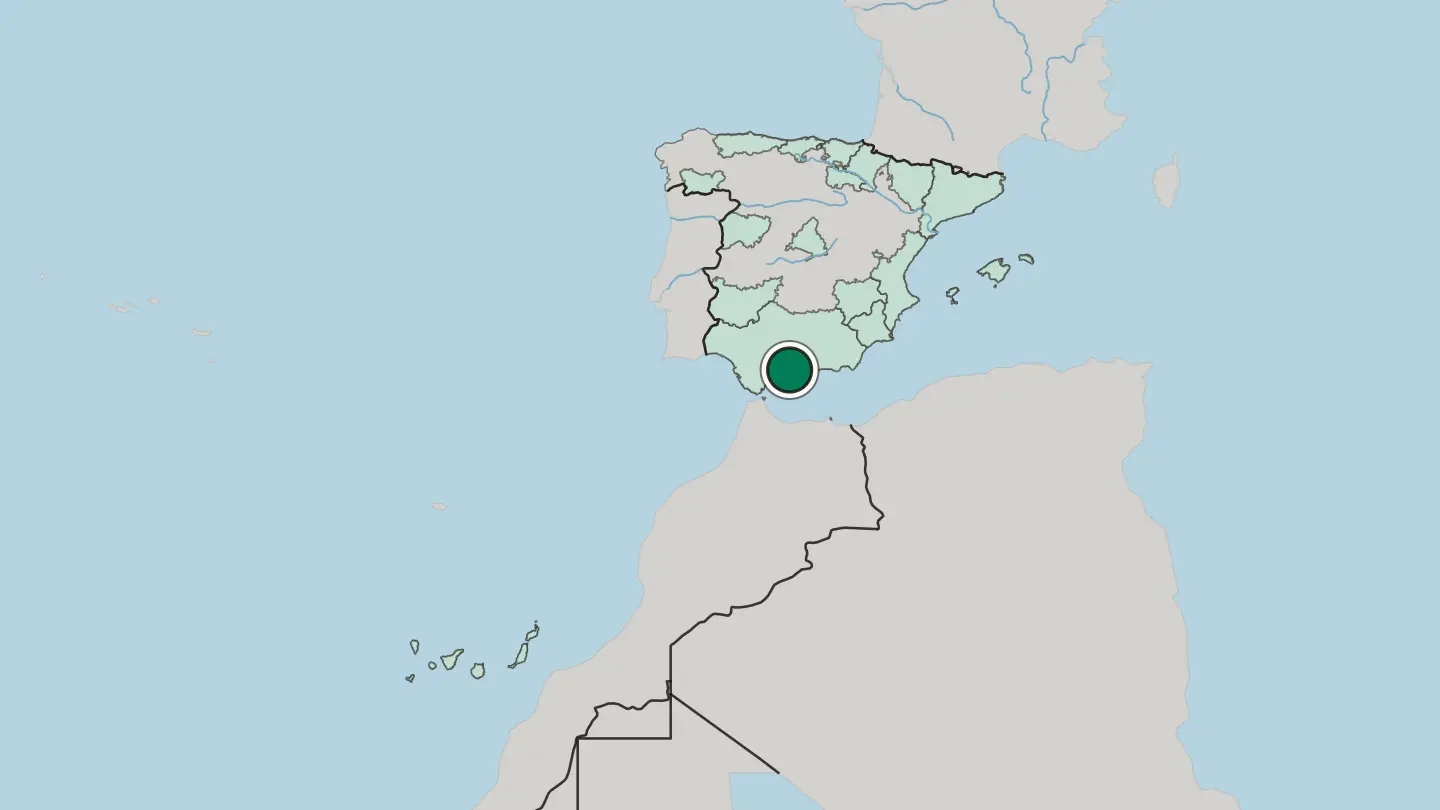
 Spain
Spain
Bilbao
Iron ore built Bilbao and titanium remade it, a Basque port on the Nervión known for the Guggenheim Museum Bilbao and Plaza Nueva.Where to stay →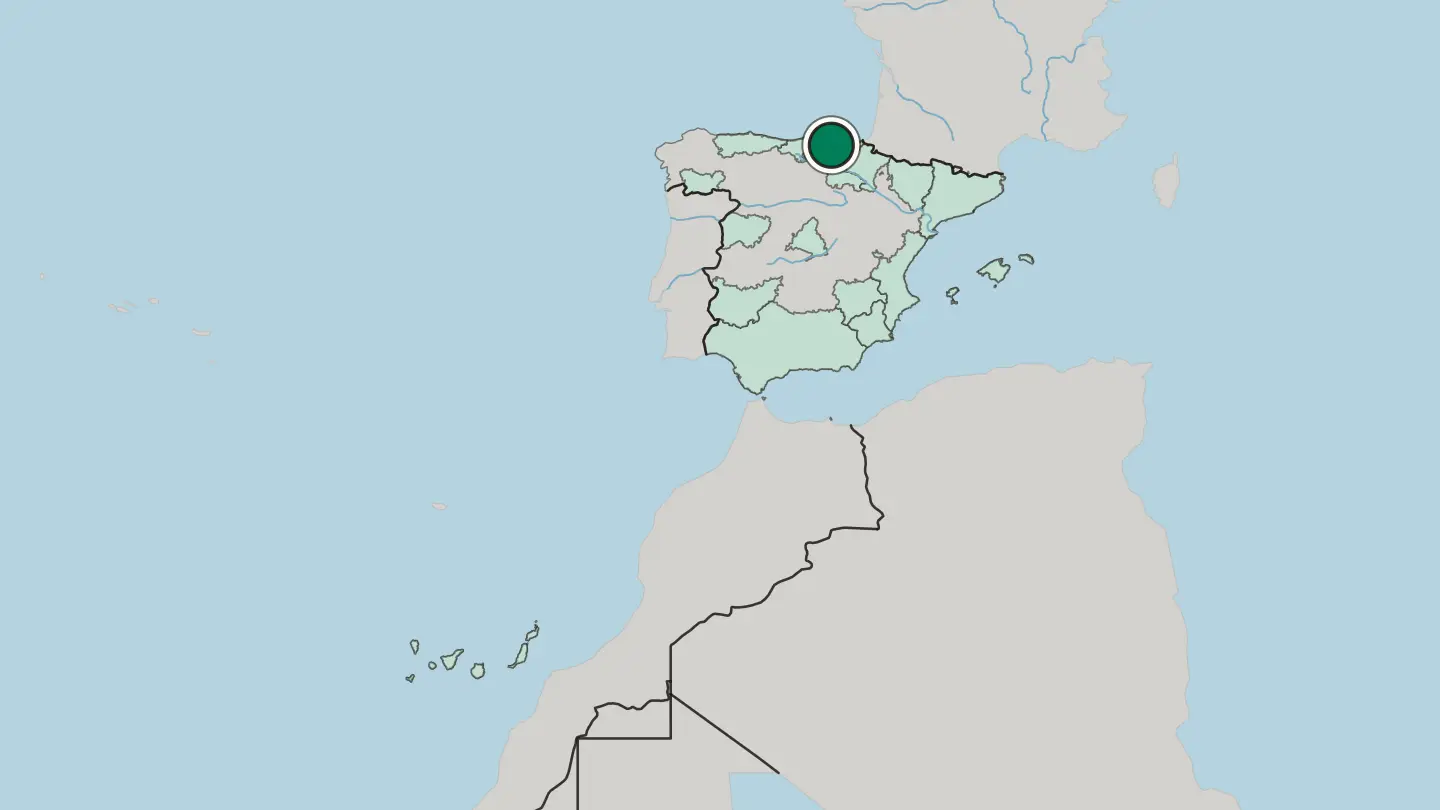
 Spain
Spain
Girona
Four rivers meet under the walls of Girona, a Catalan city known for the painted Cases de l'Onyar and the stair up to Girona Cathedral.Where to stay →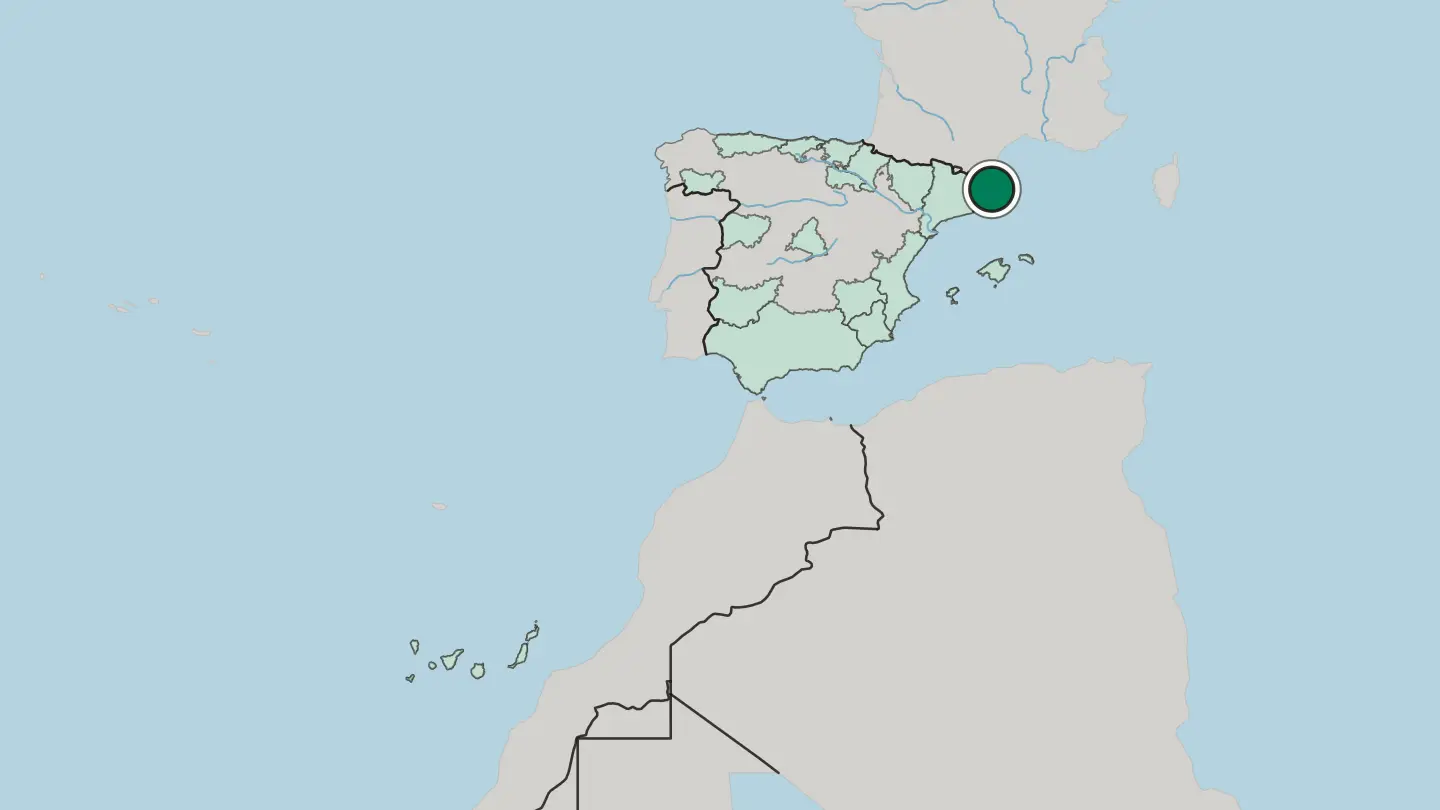
 Spain
Spain
Granada
Snow sits on the Sierra Nevada above Granada, a city on the vega of inland Andalusia, known for the Alhambra and the Royal Chapel of Granada.Where to stay →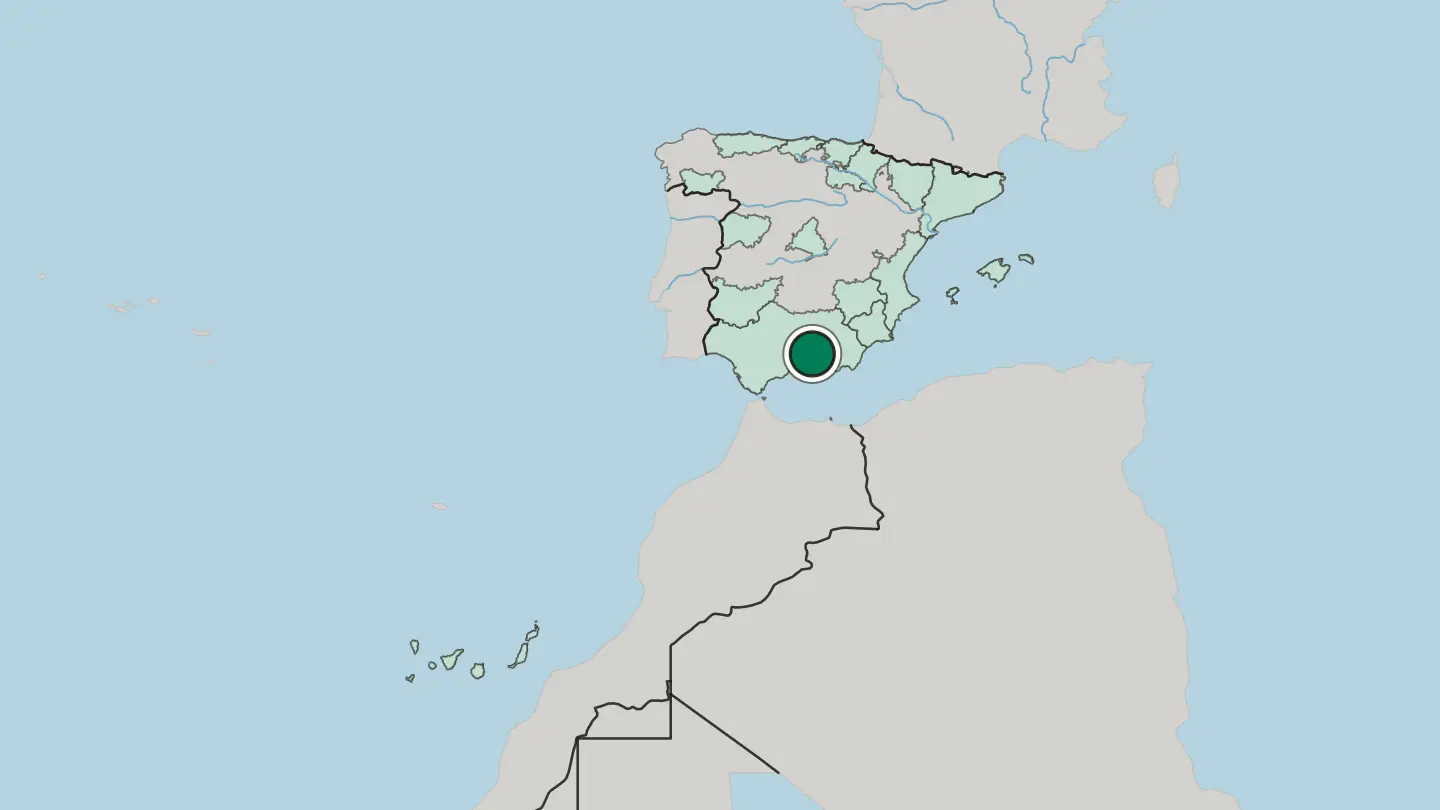
 Spain
Spain
Alicante
Santa Bárbara Castle stands over the harbour at Alicante, a Mediterranean port in the Valencian Community, known for the beaches of the Costa Blanca.Where to stay →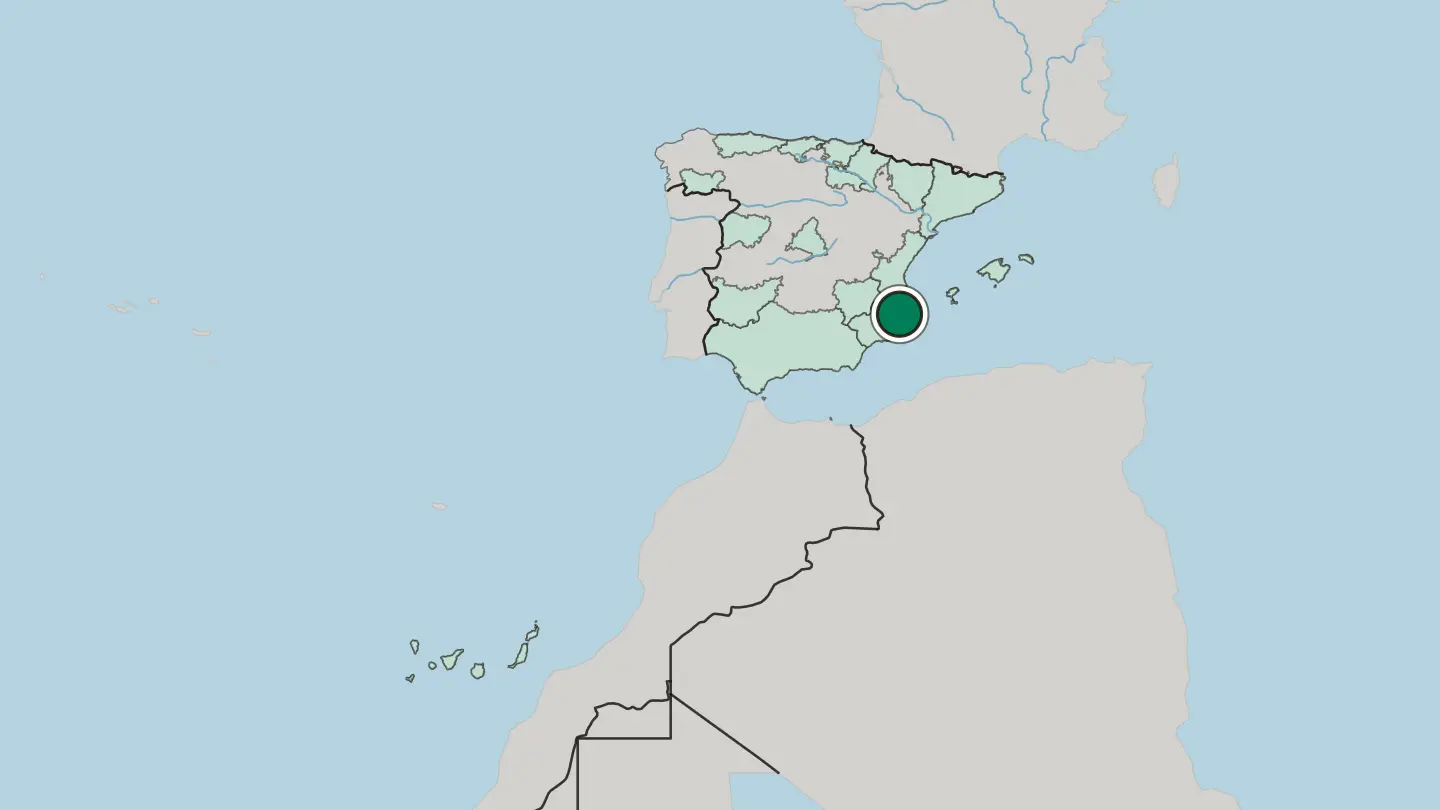
Hotel links are affiliate links: booking through them may earn us a commission, at no extra cost to you. It never affects how places are ranked. How this works
Regions of Spain
Spain
Andalusia
Andalusia is the southernmost of Spain's regions, where the Guadalquivir, the Sierra Nevada and two seas meet.Towns & cities →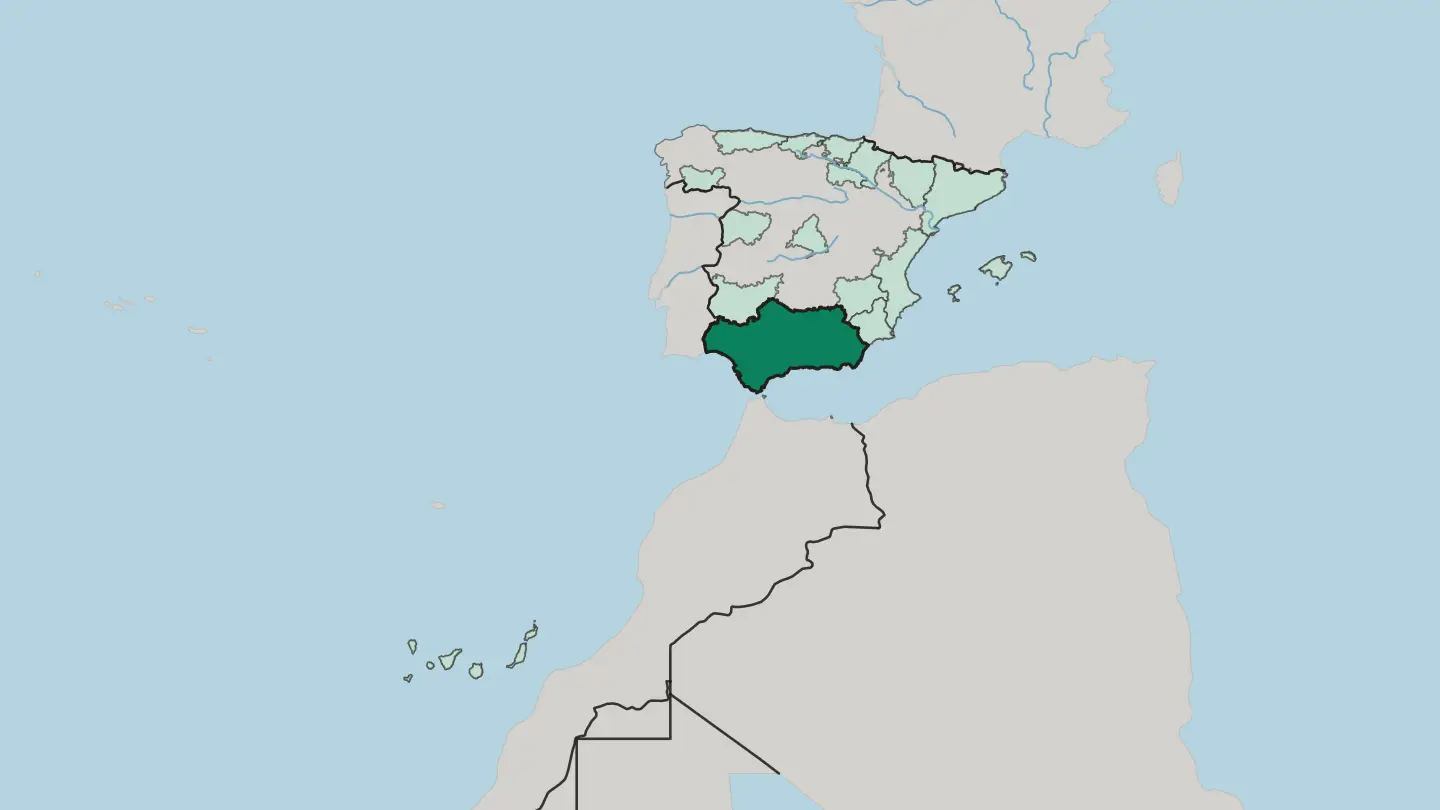
 Spain
Spain
Aragon
Aragon is a landlocked region of northeastern Spain, reaching from the high Pyrenees down through the Ebro valley to the dry uplands of Teruel.Towns & cities →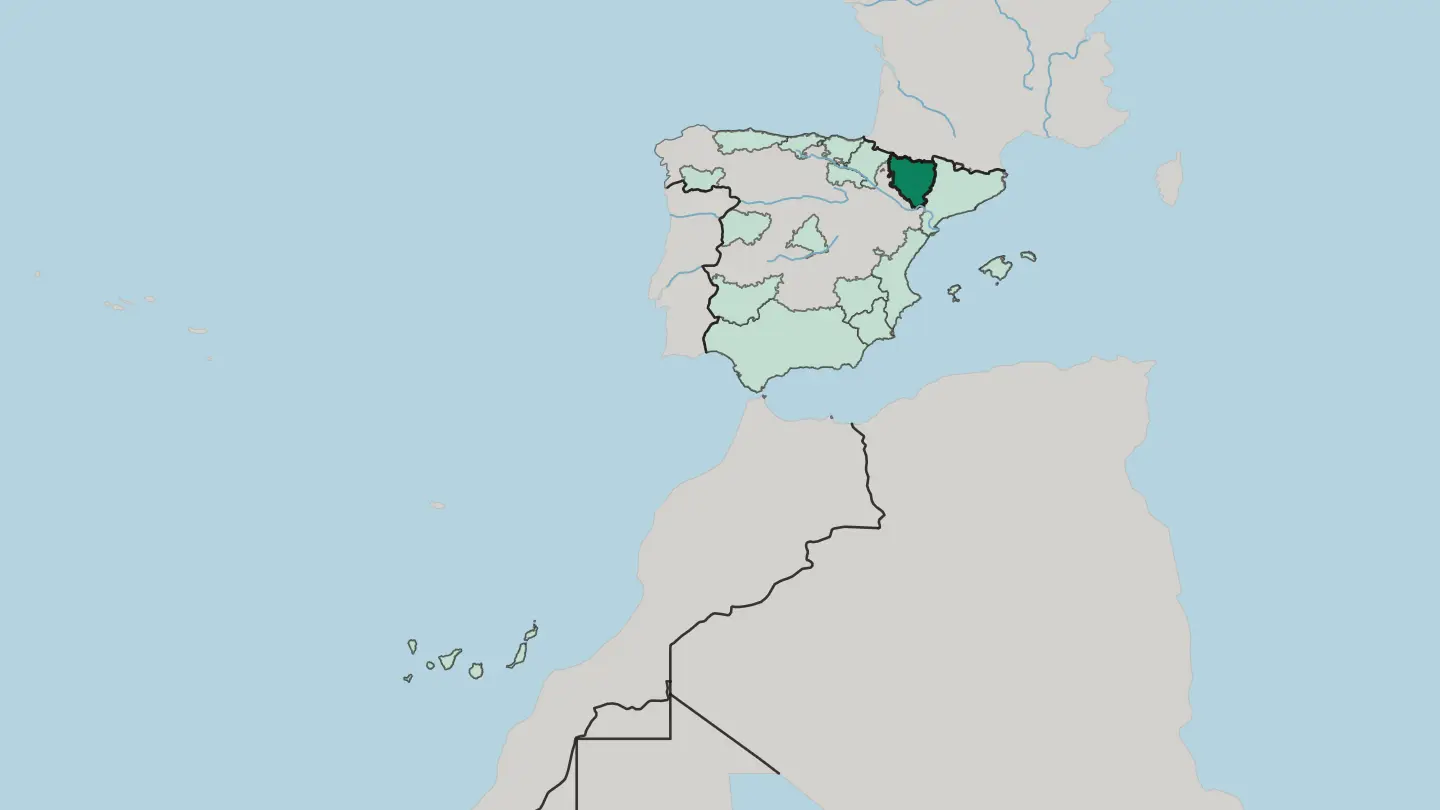
 Spain
Spain
Canary Islands
The Canary Islands are a Spanish volcanic archipelago in the Atlantic, off the northwest coast of Africa.Towns & cities →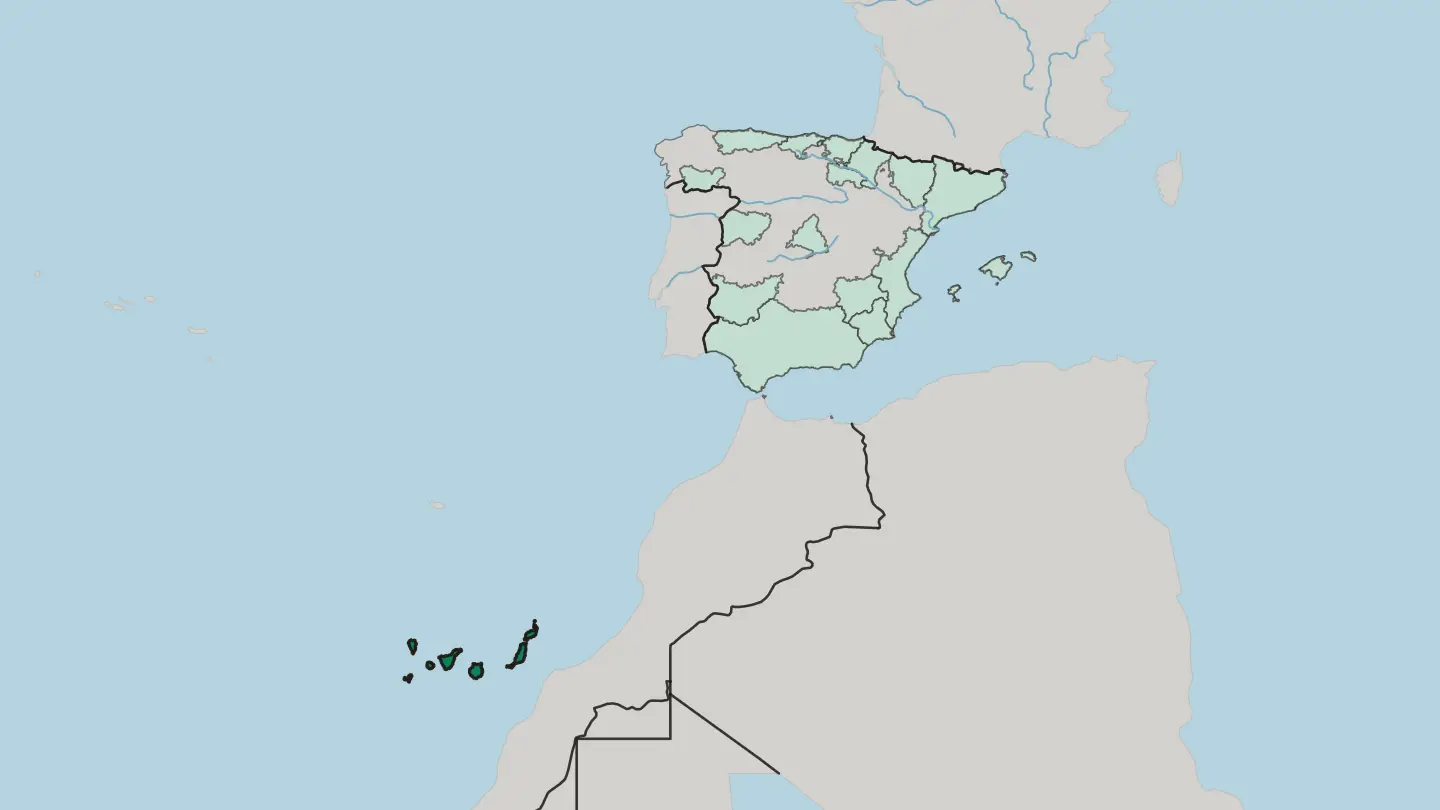
 Spain
Spain
Cantabria
Cantabria is a region on the north coast of Spain, where the Cantabrian Mountains drop to the sea and Santander is the capital.Towns & cities →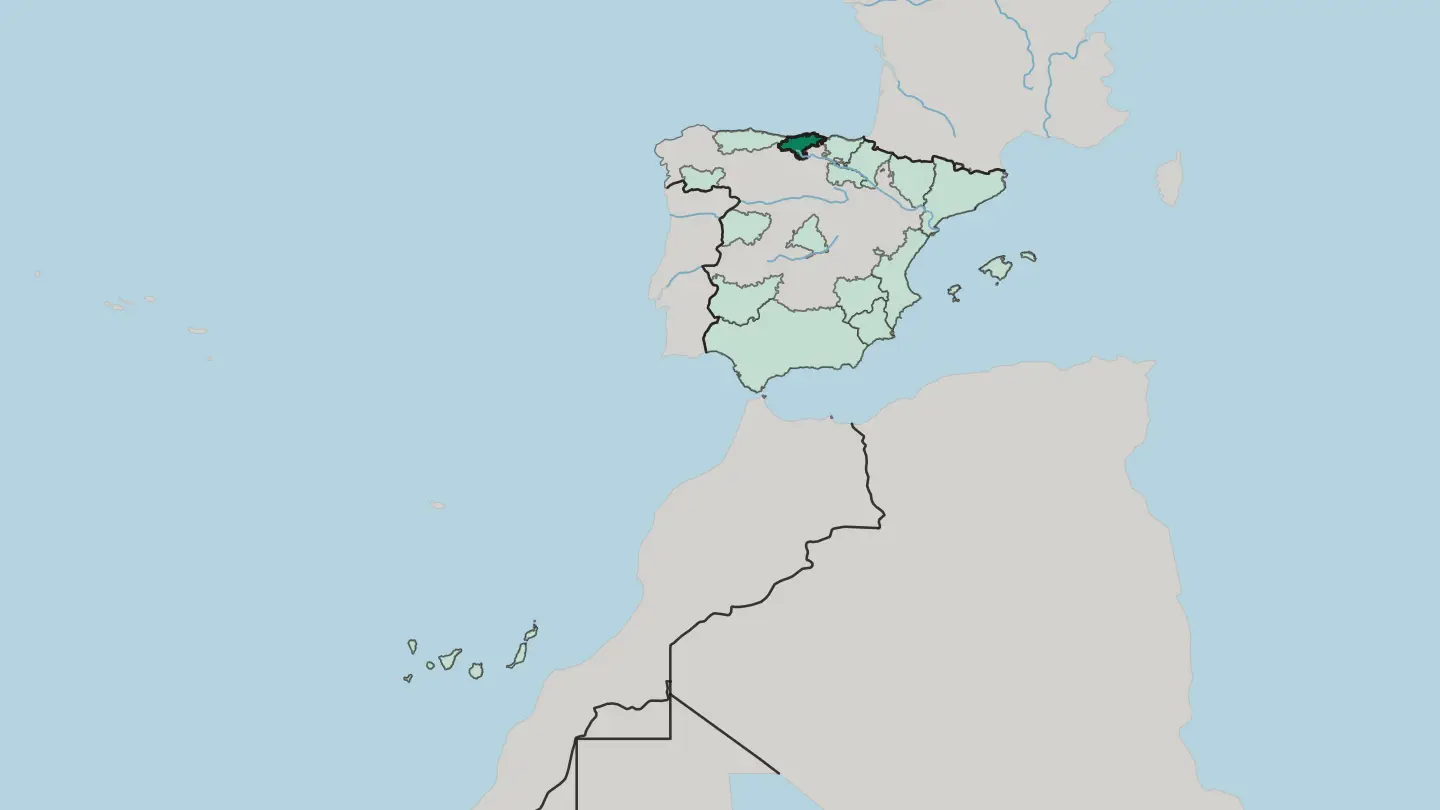
 Spain
Spain
Castilla y León
Castilla y León is Spain's largest region, a high inland plateau of medieval cities strung along the Duero.Towns & cities →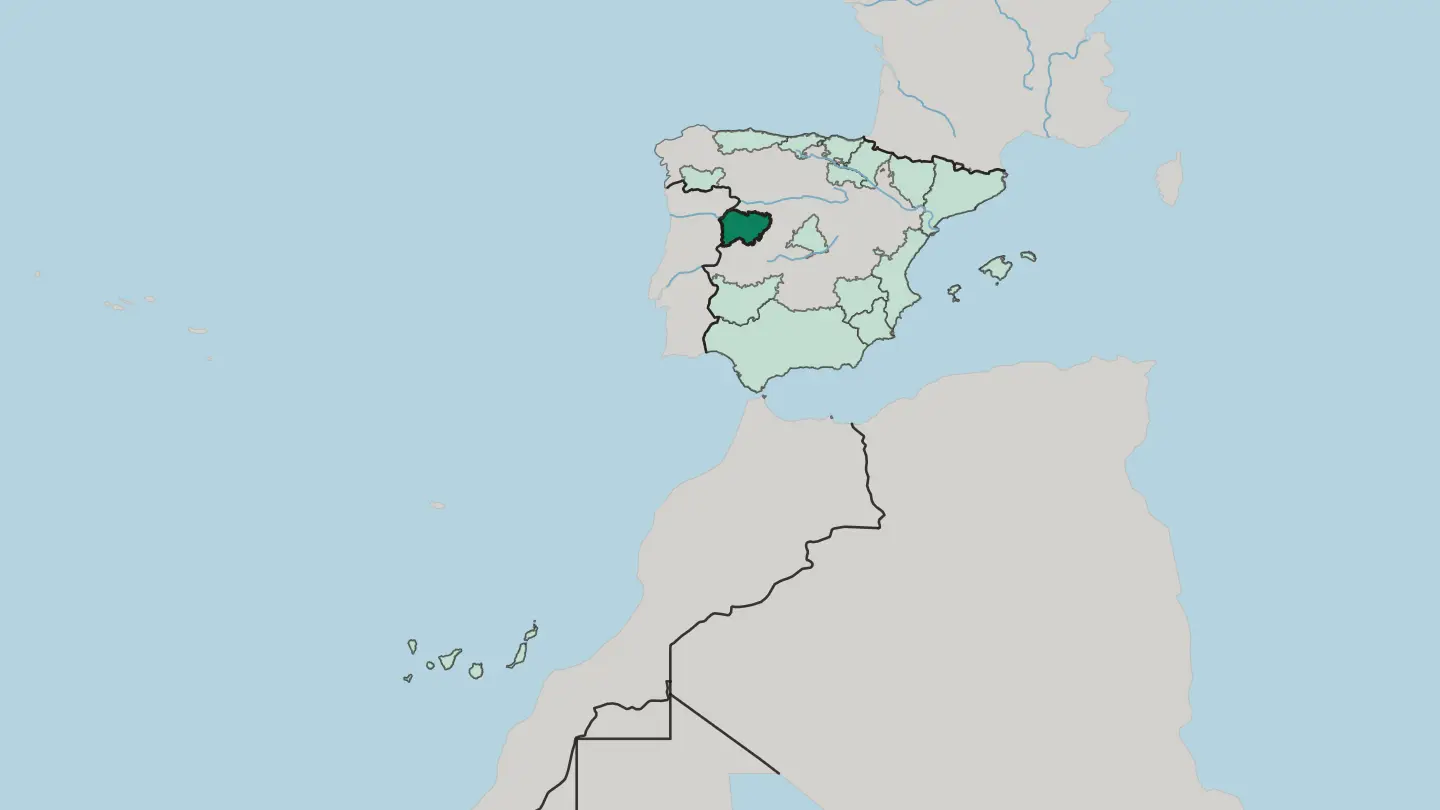
 Spain
Spain
Castilla-La Mancha
Castilla-La Mancha is Spain's wide central plateau of windmills, vineyards and walled Toledo, south of Madrid.Towns & cities →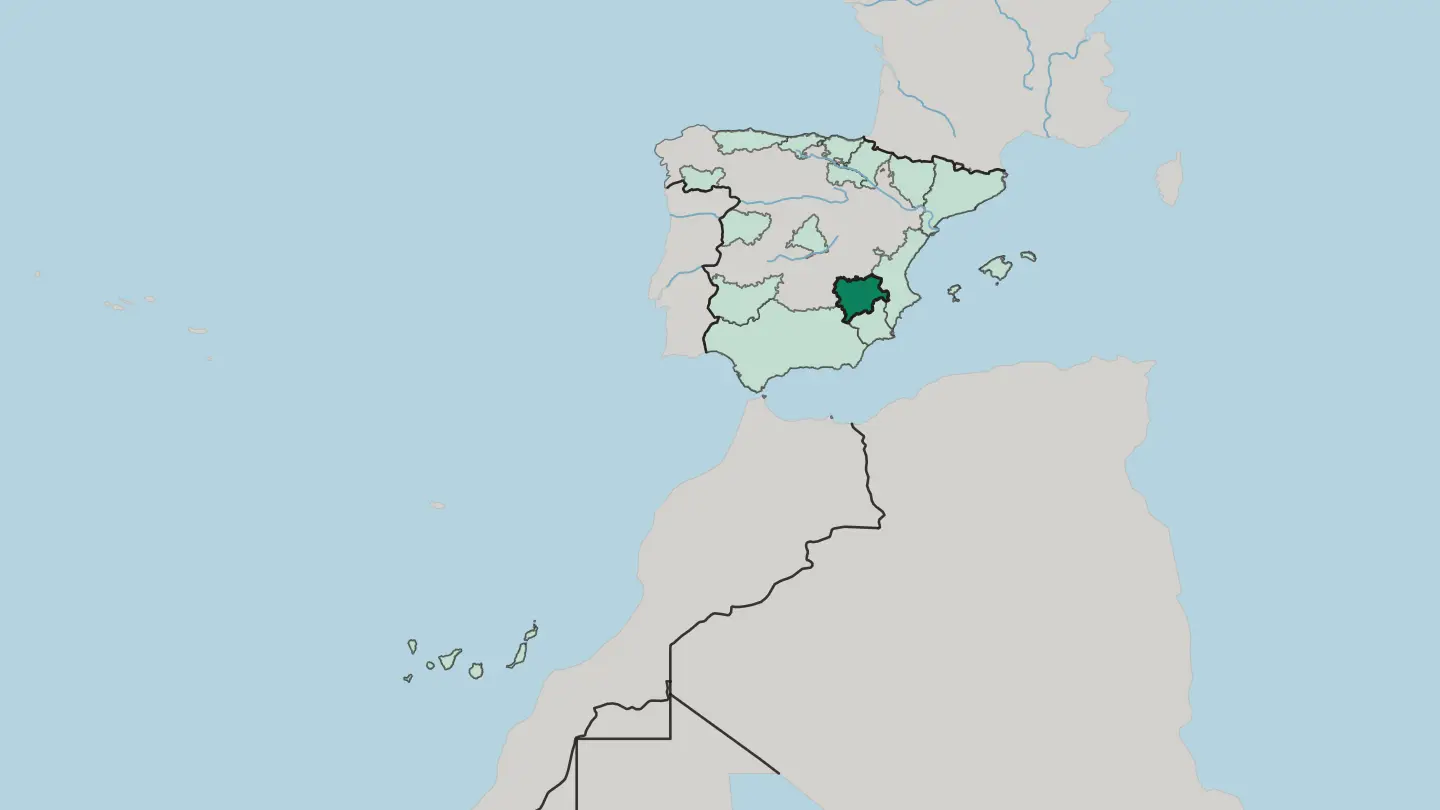 Spain
Spain
Catalunya
Catalunya is an autonomous community of Spain on the north-east of the Iberian Peninsula, south of the Pyrenees, with Barcelona as its capital.Towns & cities →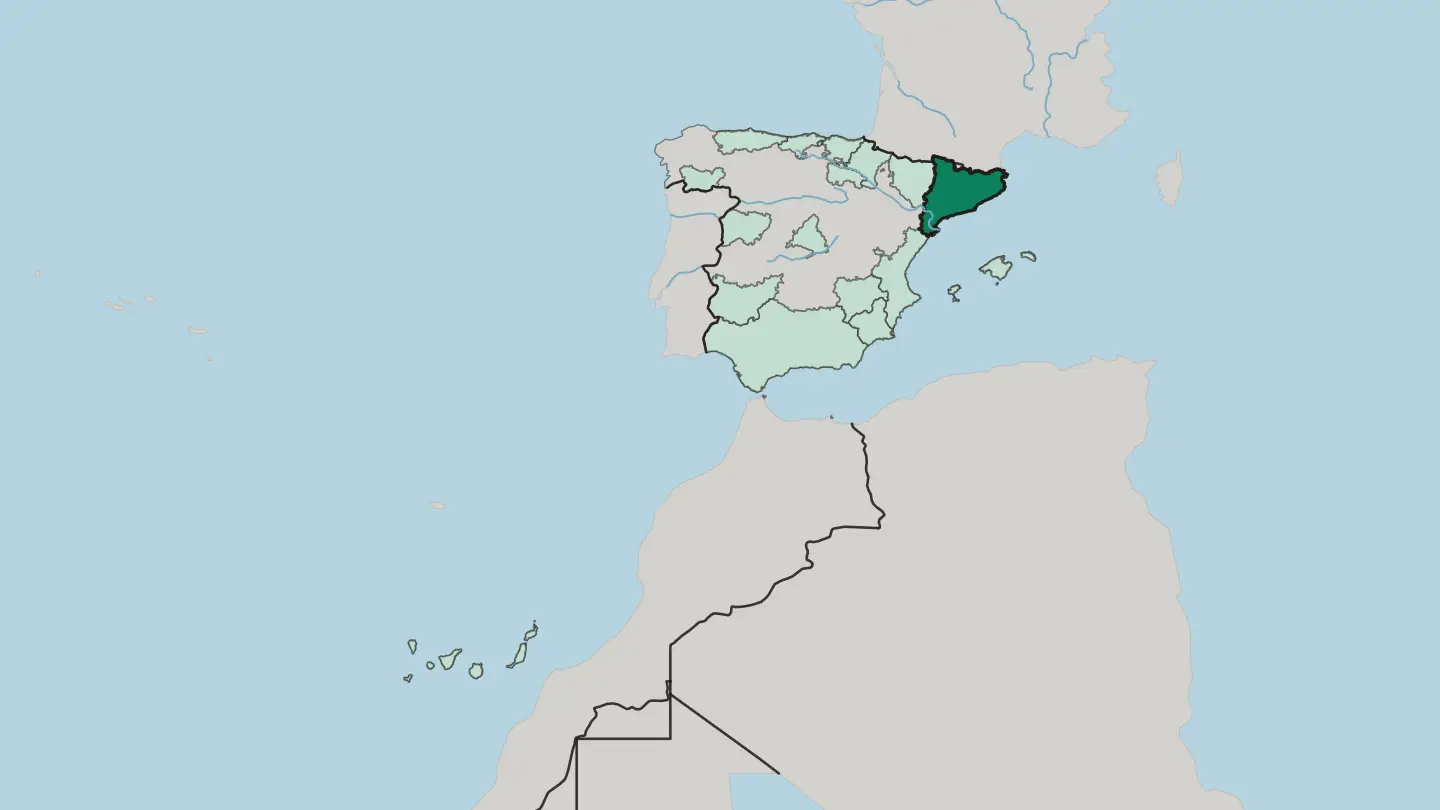
 Spain
Spain
Ceuta
Ceuta is a Spanish autonomous city on the North African coast, wrapped around Monte Hacho at the edge of the Strait of Gibraltar.Towns & cities →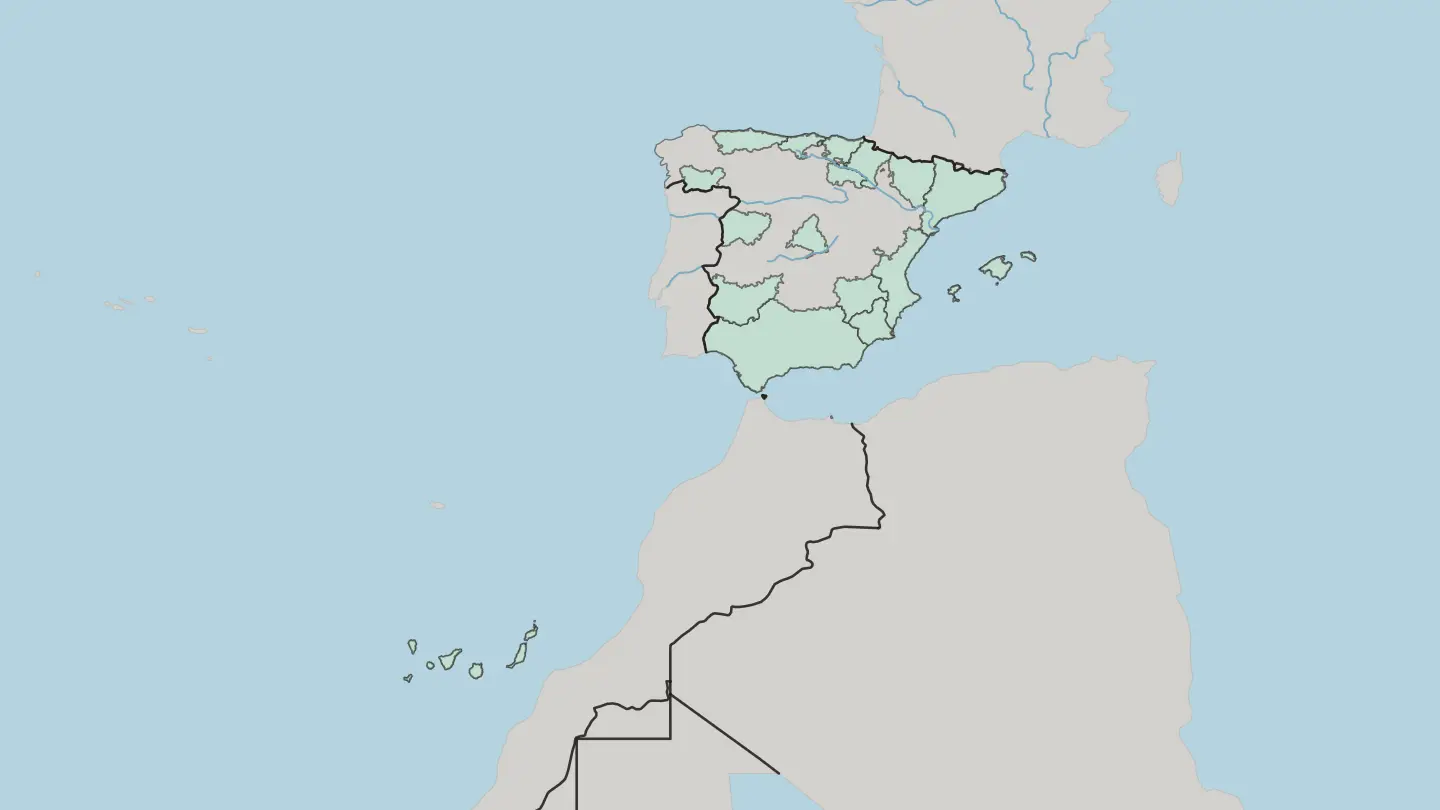 Spain
Spain
Comunidad de Madrid
Comunidad de Madrid is an autonomous community at the heart of the Iberian Peninsula, built around Madrid, the capital of Spain.Towns & cities →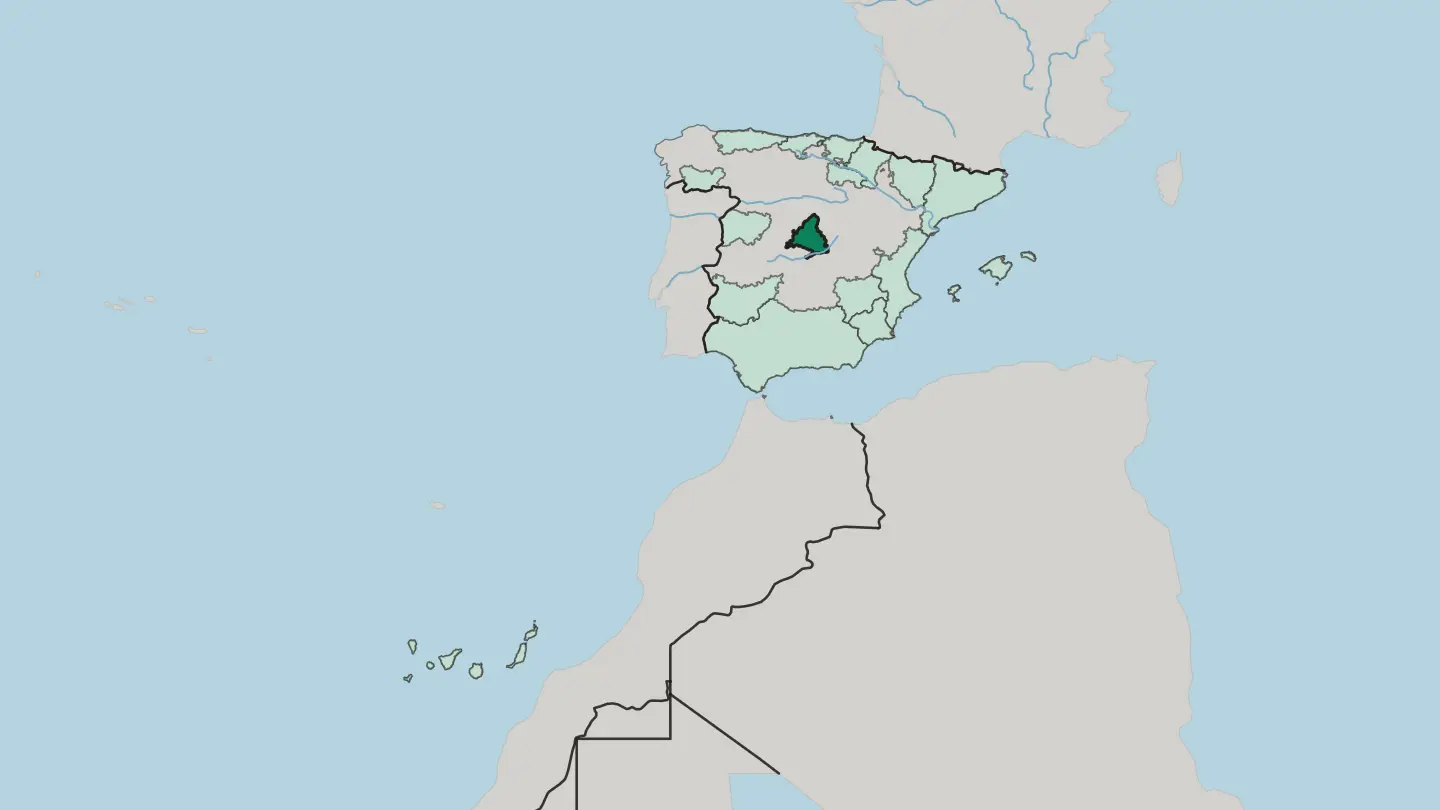
 Spain
Spain
Comunitat Autònoma de les Illes Balears
The Balearic Islands are a Spanish archipelago in the western Mediterranean: Mallorca, Menorca, Ibiza and Formentera.Towns & cities →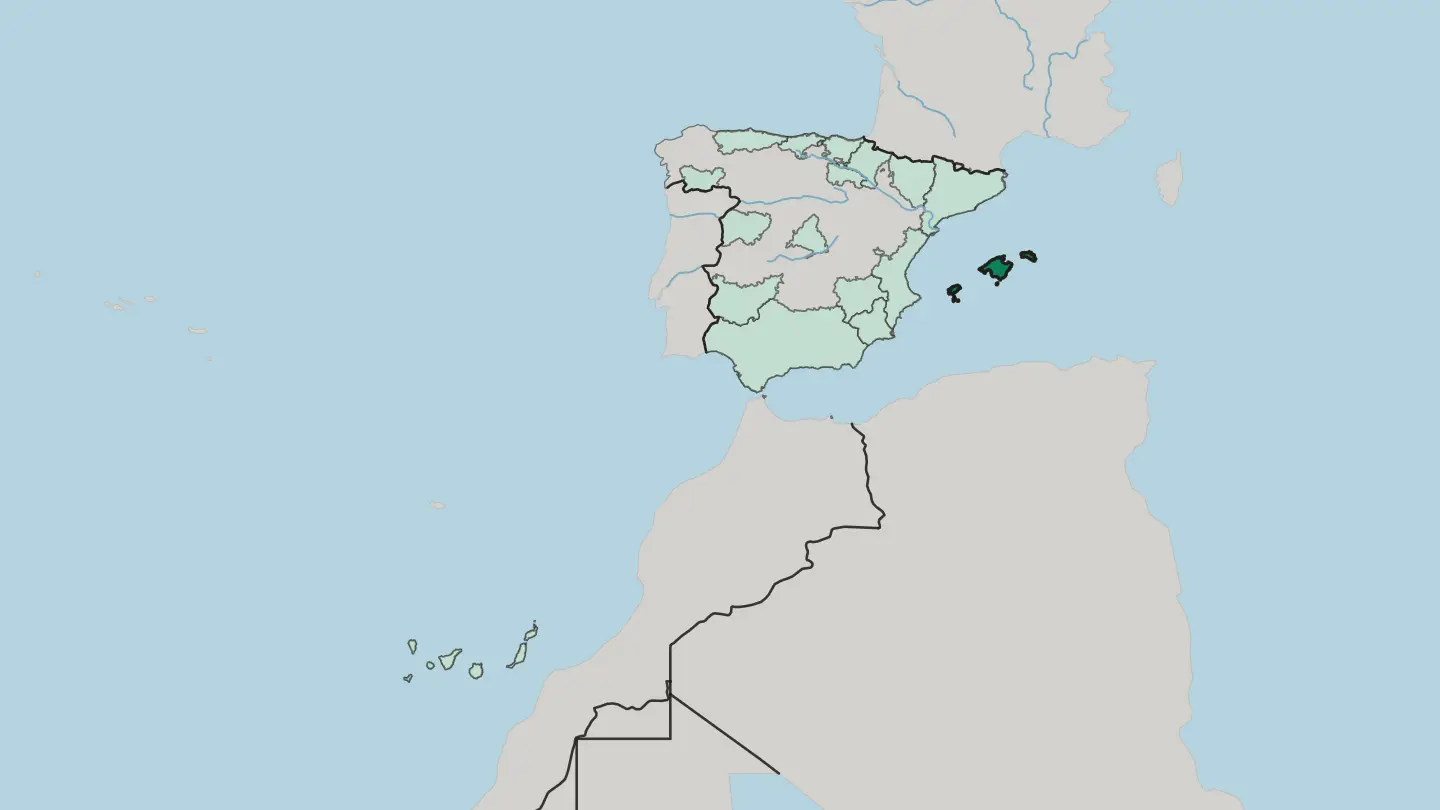 Spain
Spain
Comunitat Valenciana
The Valencian Community runs down Spain's Mediterranean coast, a strip of orange groves, rice paddies and beach resorts east of Madrid.Towns & cities →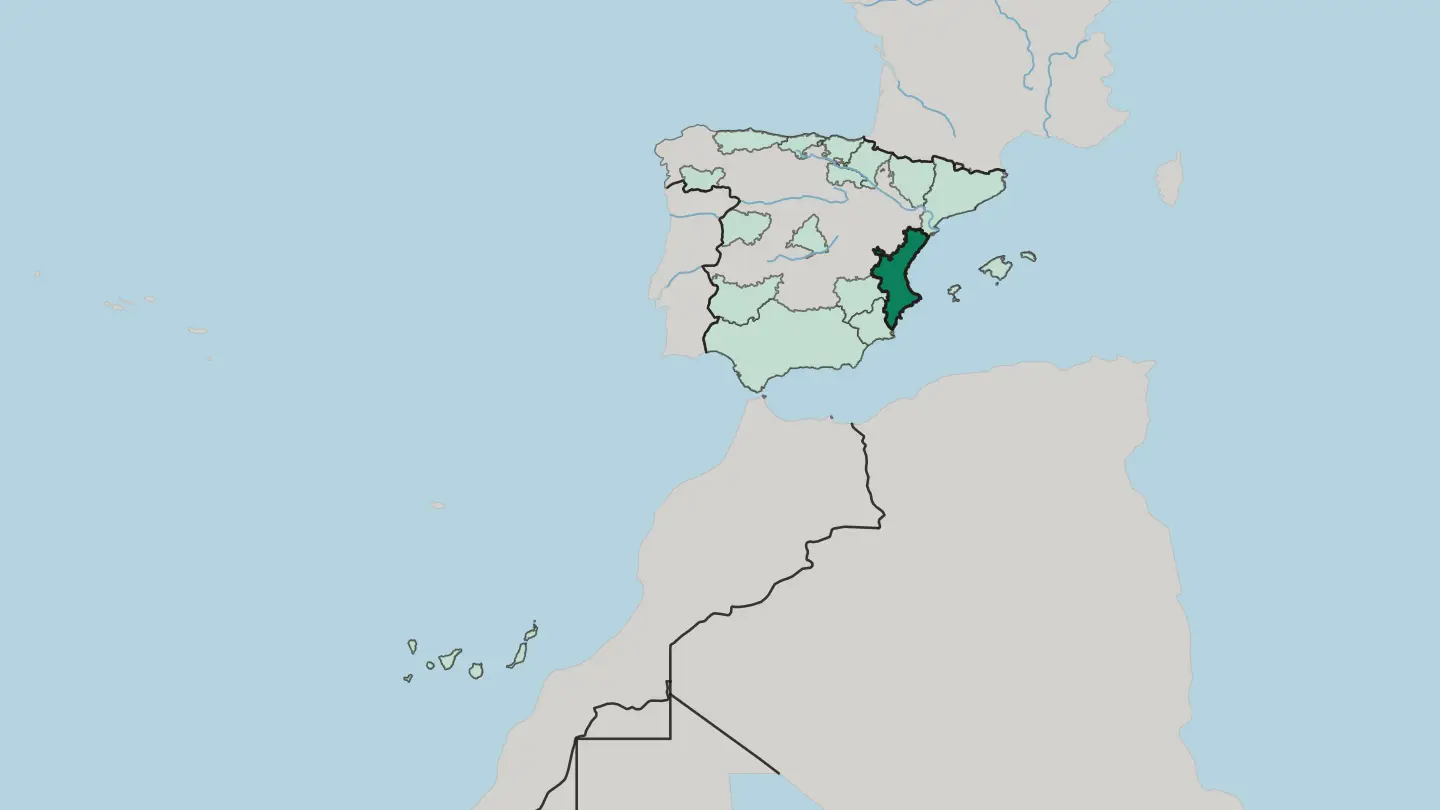 Spain
Spain
Euskal Autonomia Erkidegoa
The Basque Country is an autonomous region of northern Spain, set on the Bay of Biscay between the Cantabrian coast and the western Pyrenees.Towns & cities →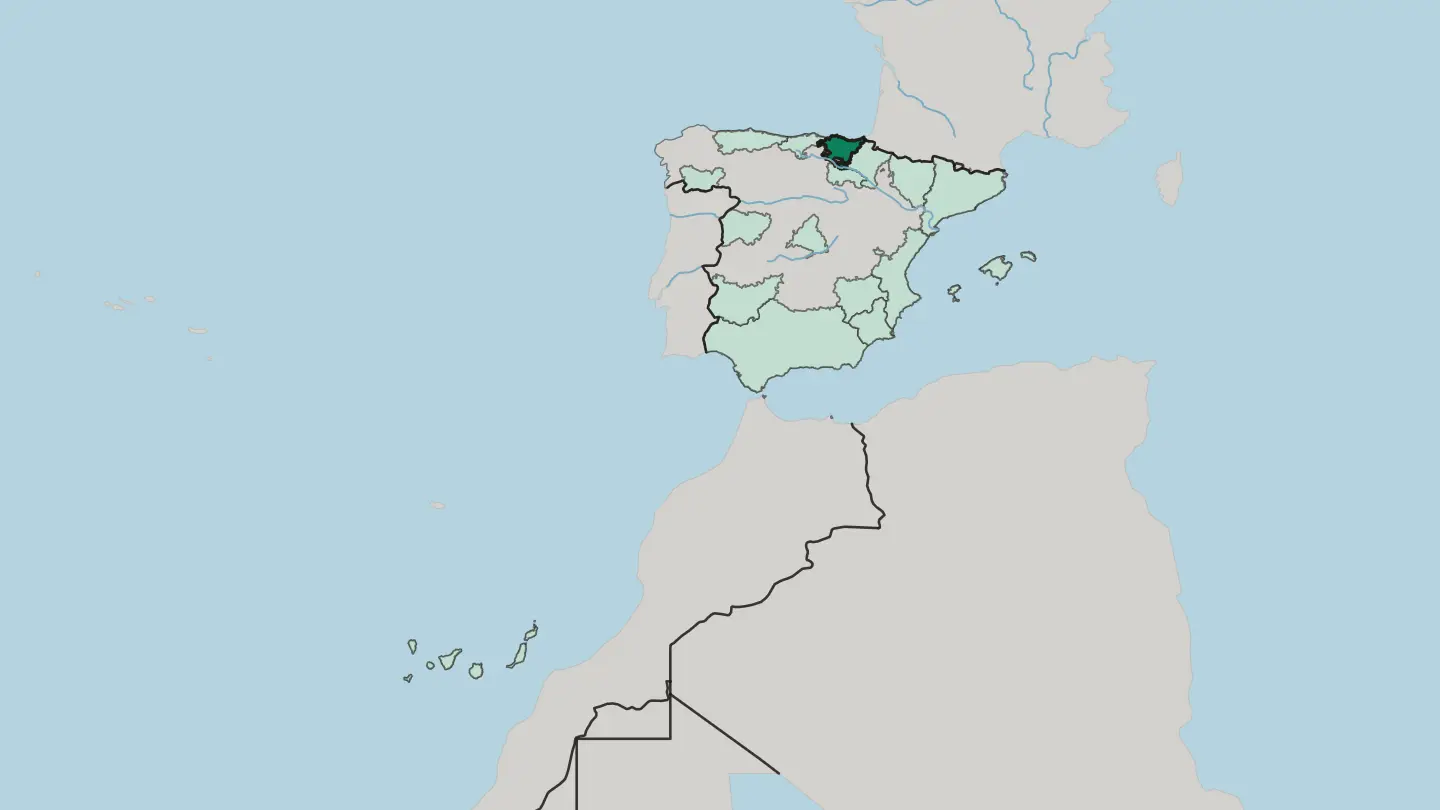
 Spain
Spain
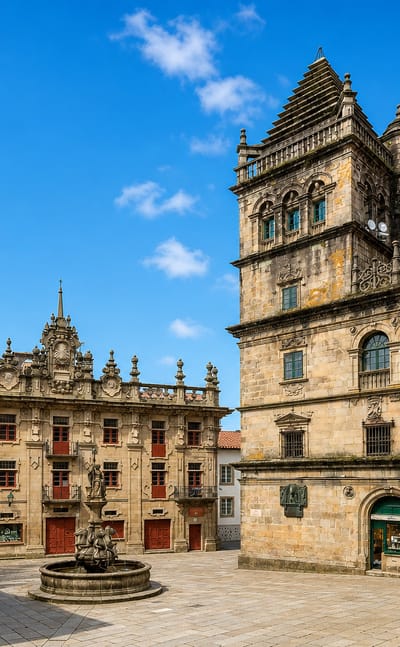
Extremadura
Extremadura is inland Spain's western frontier, where the Tagus and Guadiana cut across oak dehesa to the Portuguese border.Towns & cities →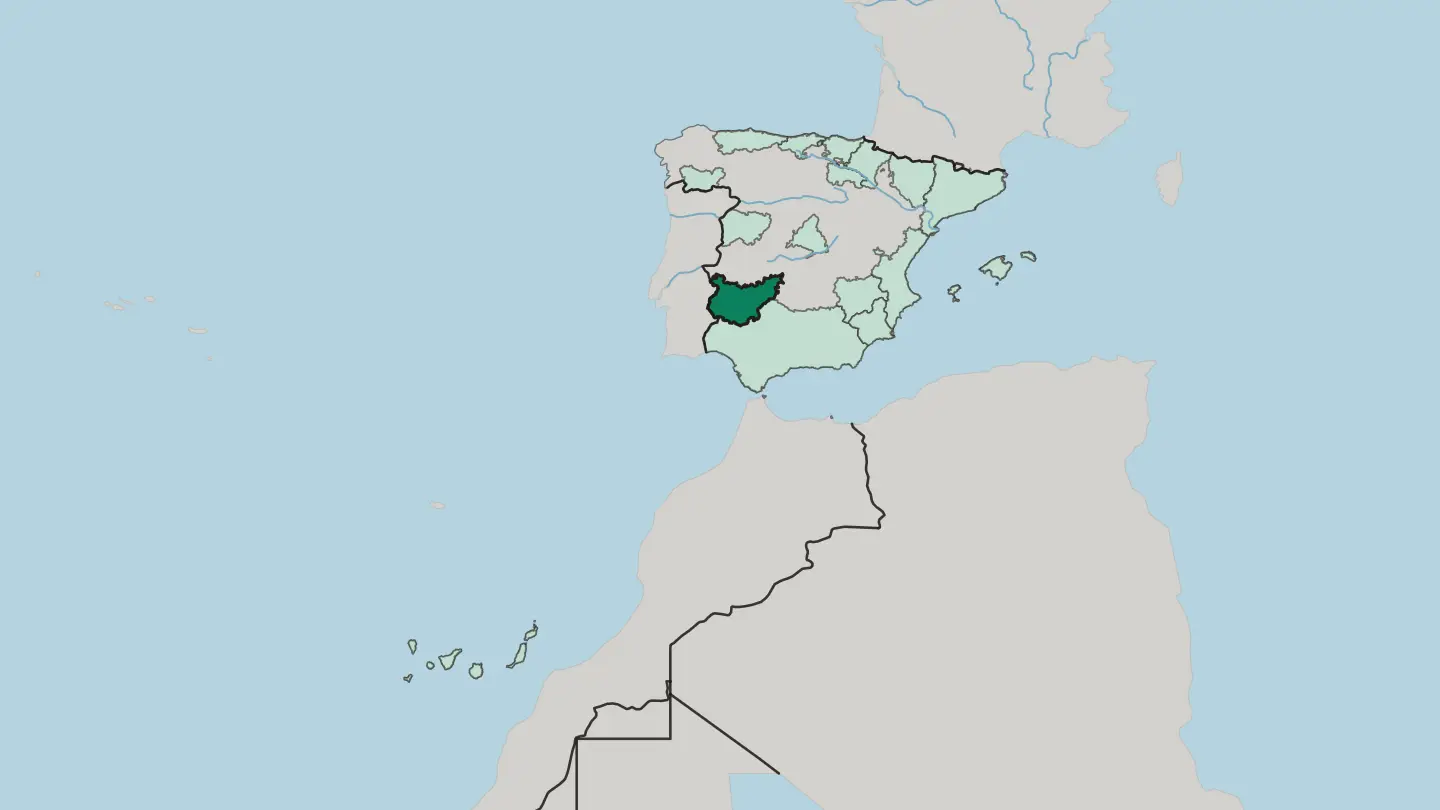
 Spain
Spain
Galicia
Galicia is an autonomous community of the Kingdom of Spain, a self-governing region that includes the city of Santiago de Compostela.Towns & cities →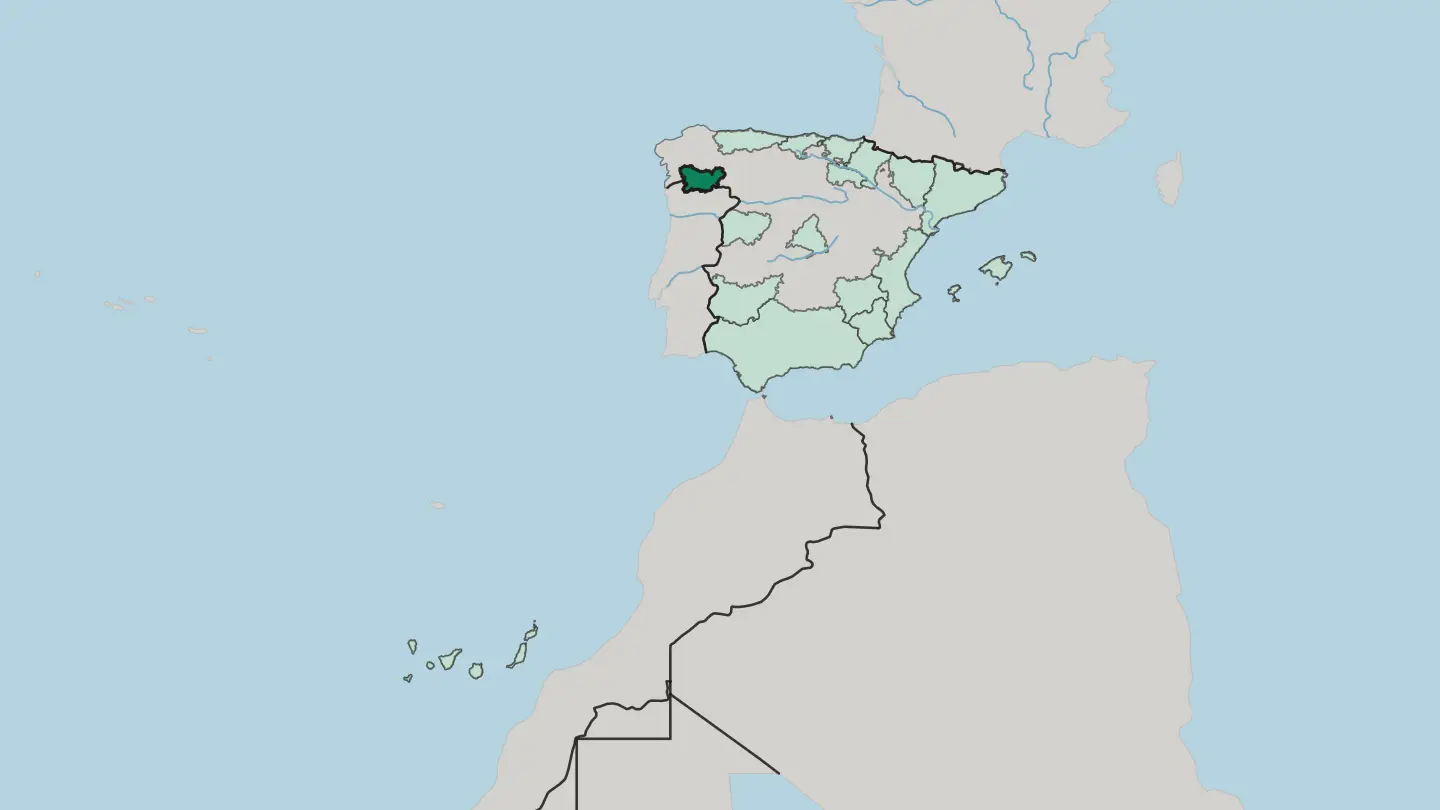
 Spain
Spain
La Rioja
La Rioja is Spain's smallest mainland region, a strip of the Ebro valley whose Tempranillo vineyards made Rioja wine famous worldwide.Towns & cities →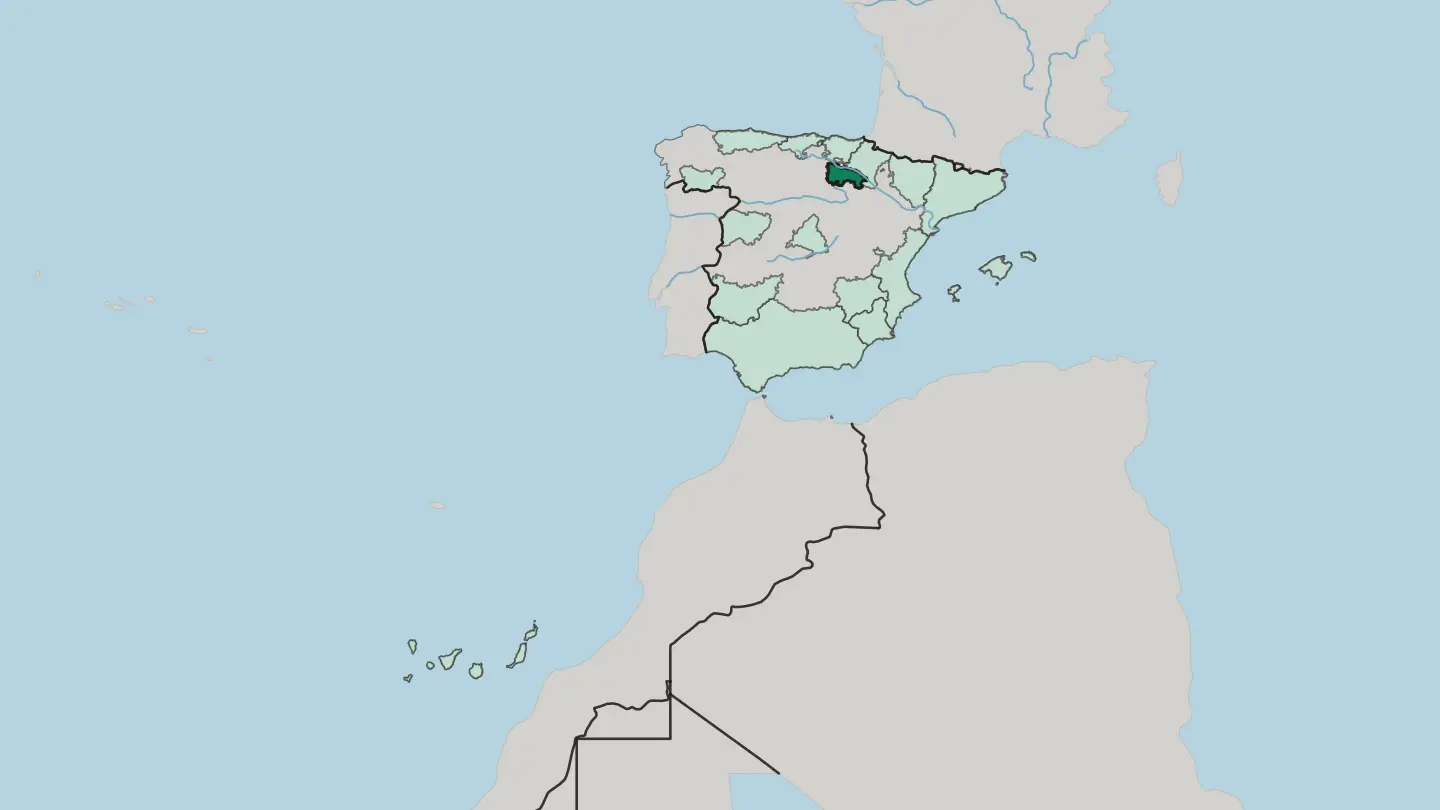
 Spain
Spain
Melilla
Melilla is a Spanish city on the North African coast, wrapped by Morocco and facing the Alboran Sea.Towns & cities →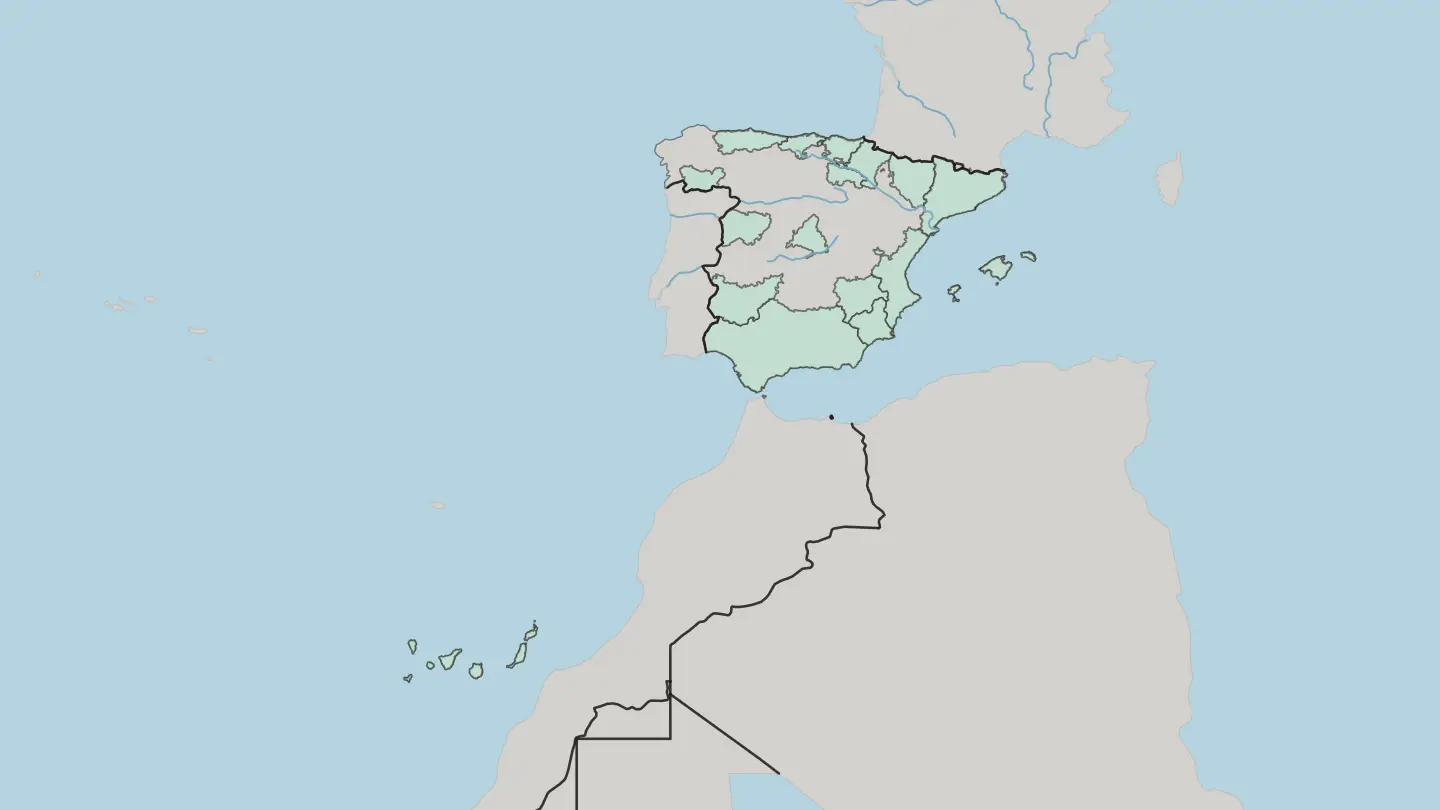 Spain
Spain
Navarra
Navarra is a chartered region of northern Spain, running from the Pyrenees down to the Ebro, with Pamplona at its heart.Towns & cities →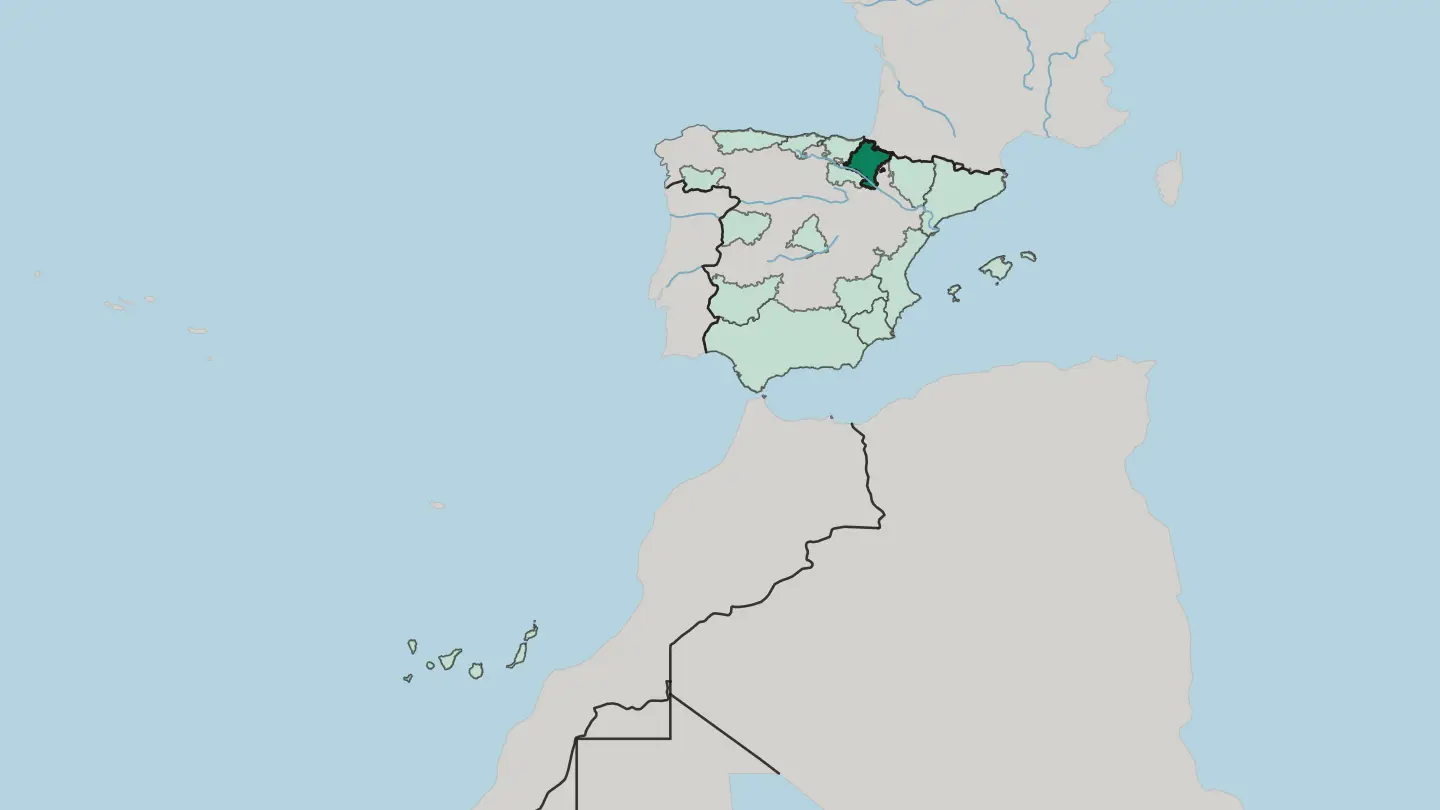
 Spain
Spain
Principality of Asturias
Asturias is a green, mountainous region on the north coast of Spain, wedged between the Cantabrian Mountains and the sea.Towns & cities →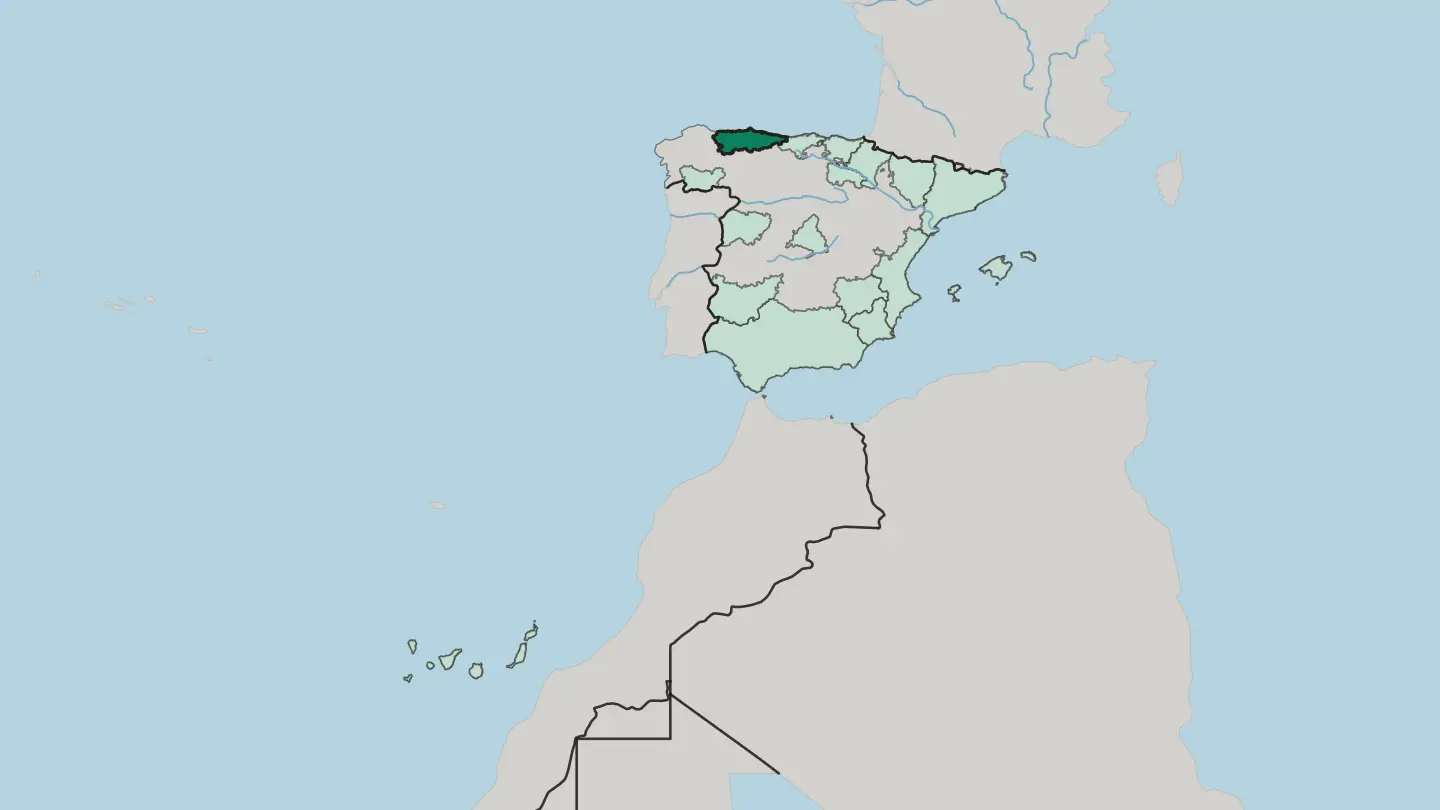
 Spain
Spain
Región de Murcia
Región de Murcia is Spain's warm southeastern corner, where the Segura river feeds green huertas between dry hills and a Mediterranean coast.Towns & cities →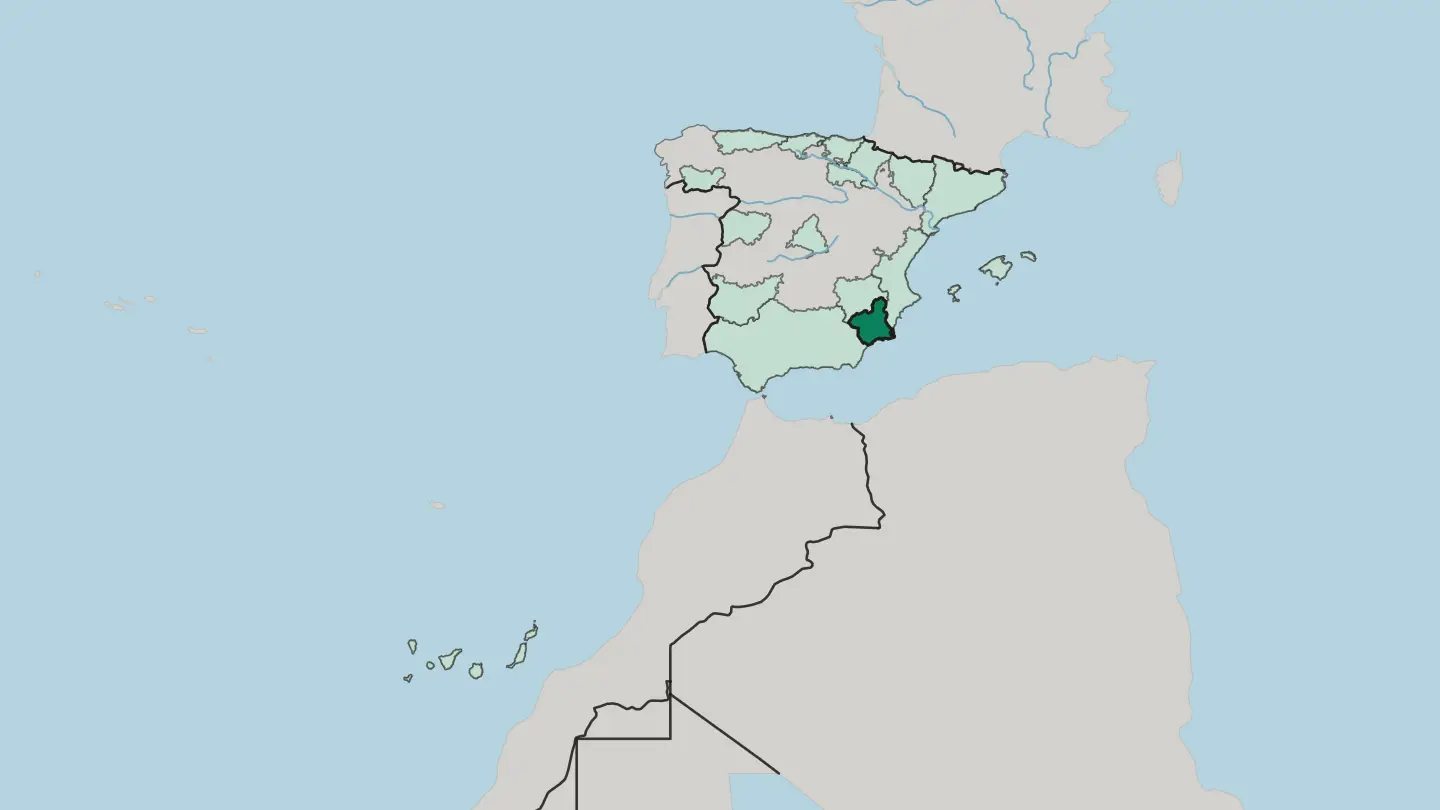
Explore by experience
Not sure which place? Start from how you want to travel.

About Spain
What is Spain known for?
Spain is known for the Iberian Peninsula it fills, its two island groups, and a heritage drawn from the old Spanish Empire. Its cities carry much of the fame. Madrid, Barcelona, Valencia, and Seville anchor a country whose World Heritage Cities outnumber any other's.
Beyond them lie the islands. The Balearic Islands sit in the Mediterranean and the Canary Islands in the Atlantic, each a world apart from the mainland.
Where is Spain?
Spain fills most of the Iberian Peninsula in south-western Europe. Mountains, high plains, and long coasts divide the country. The peninsula meets the Bay of Biscay along its northern shore, the Atlantic Ocean to the west beside Portugal, and the Mediterranean Sea along the east and south.
Two seas frame it at once. To the north the land borders France and Andorra, while its southern tip stands close to Africa across the strait, near Gibraltar and Morocco. Only a narrow strait separates the peninsula from the African mainland.
Beyond the mainland lie two island groups. The Balearic Islands rise from the Western Mediterranean, a short way off the eastern coast. The Canary Islands sit far out in the Eastern Atlantic Ocean, nearer to Africa than to the peninsula.
Spain also holds the walled cities of Ceuta and Melilla on the North African mainland, keeping the country present on the far shore. This spread gives Spain a rare reach, from the green coast on the Bay of Biscay to subtropical islands in the open ocean. Water and mountains set its bounds on almost every side.
What is the history of Spain?
Spain grew from the many kingdoms of the Iberian Peninsula. Over long centuries the crowns of the peninsula drew together, and by 1715 the Kingdom of Spain had taken its modern, centralised form. From its Atlantic and Mediterranean ports the country built the vast Spanish Empire, whose reach ran far beyond Europe.
Seville and the Atlantic ports grew rich as the doors of that empire, and the Spanish language crossed the ocean to become one of the world's most spoken tongues. That empire shaped much of the map of the Americas. Trade and conquest carried Spain far.
Closer to home the peninsula changed hands and rulers many times. The lands that became Spain sat at the meeting of Europe and Africa, and that position drew in peoples from both shores. Ceuta and Melilla still hold Spanish ground on the North African mainland, a survival of that older reach across the strait.
The heritage of these long centuries is dense; Spain counts more World Heritage Cities than any other country and stands second only to Italy in World Heritage Sites. Its cities, from Madrid to Barcelona, carry the layers of that past. History here is written in stone across the whole peninsula.
What is Spain like?
Spain shares one state but many cultures. The Spanish language binds the country, yet each region keeps its own table, festivals, and folklore. Food sits at the centre of daily life, from the long shared meal to the late evening out.
The rhythm of the day runs late. Festivities fill the calendar, and across the Iberian Peninsula town after town keeps its own saint's days, processions, and fairs, a folklore that shifts from the north coast to the Mediterranean shore. The islands and the cities each add their own note.
Madrid, Barcelona, Valencia, and Seville carry the weight of Spanish art, music, and street life, while the Balearic Islands and the Canary Islands keep a slower, sea-facing culture of their own. Regional tongues live beside Spanish across the country, part of the weave that the peninsula's long history left behind. Centuries as the core of the Spanish Empire spread the language and faith far beyond Europe.
At home that same past shows in the churches, plazas, and old quarters that fill the World Heritage Cities. In the end the country reads best as many, not one.
What is the climate of Spain?
Spain sits in the temperate band of south-western Europe, though its climate splits by region and coast. The Mediterranean south and east run hot and dry in summer, mild in winter, with the sea close at hand. The Atlantic north is greener and wetter, cooled by the Bay of Biscay.
Inland the extremes sharpen. The Canary Islands, far out in the ocean off Africa, stay warm and subtropical the year round.
How do you get to Spain?
Spain is one of Europe's most connected countries, tied to the continent by land, sea, and air. Road and rail cross the northern border from France and Andorra into the Iberian Peninsula, where Madrid and Barcelona anchor the busiest arrivals. Ferries and flights link the mainland to the Balearic Islands and the Canary Islands, which the sea sets well apart.
The coasts do the rest. Sea routes reach across the Mediterranean toward Africa and out onto the Atlantic.
Good for
Updated September 2026