Spain
Cantabria, Spain — Towns & Travel Guide
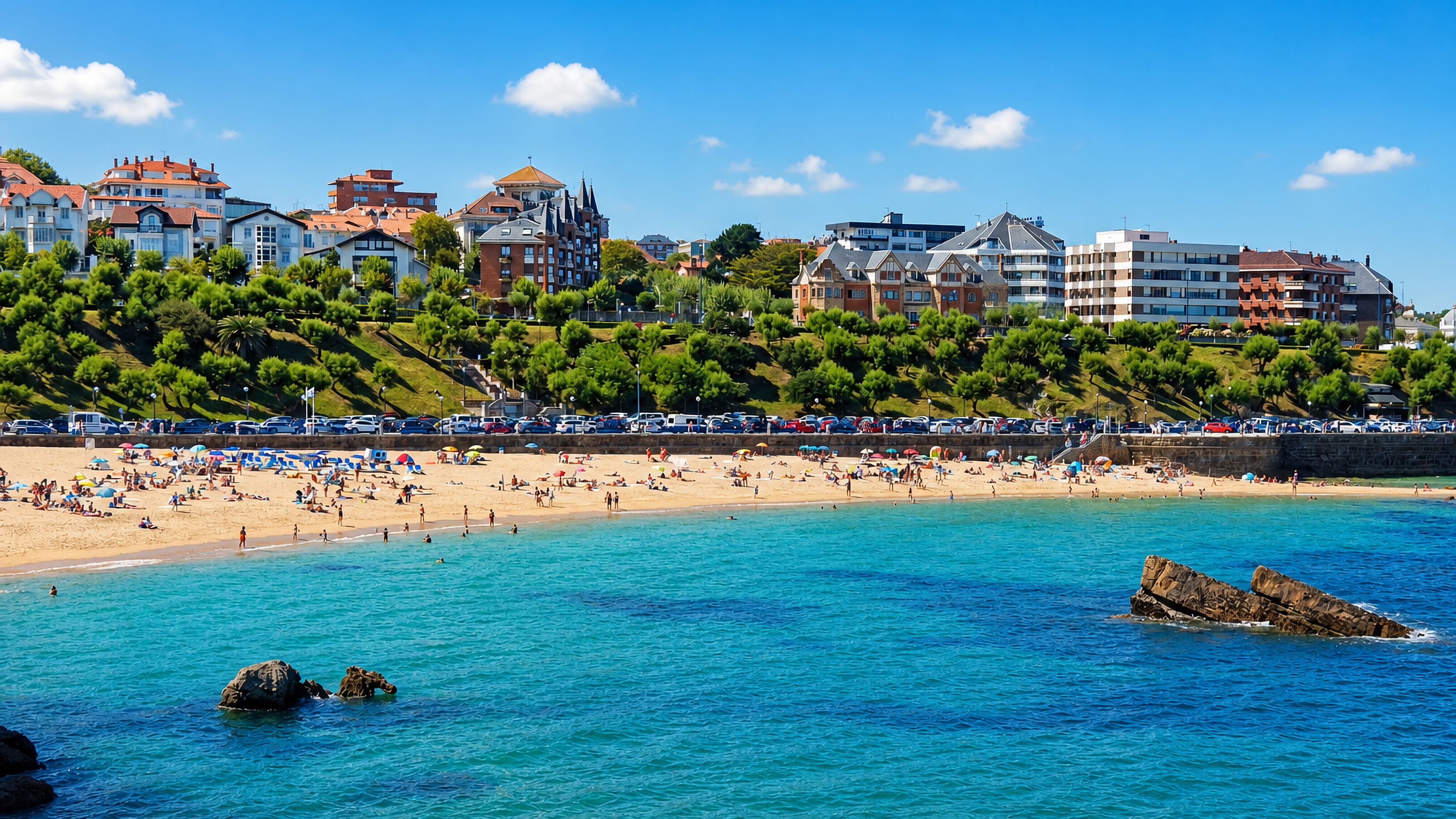
Cantabria is a region on the north coast of Spain, where the Cantabrian Mountains drop to the sea and Santander is the capital.
Hotel links are affiliate links: booking through them may earn us a commission, at no extra cost to you. It never affects how places are ranked. How this works


Towns & cities in Cantabria
Pick a town or city — each links to where to stay.

 Spain
Spain
Santander
Santander wraps a deep green bay on Spain's north coast, capital of Cantabria, known for El Sardinero, the Magdalena peninsula and the Centro Botín.Where to stay →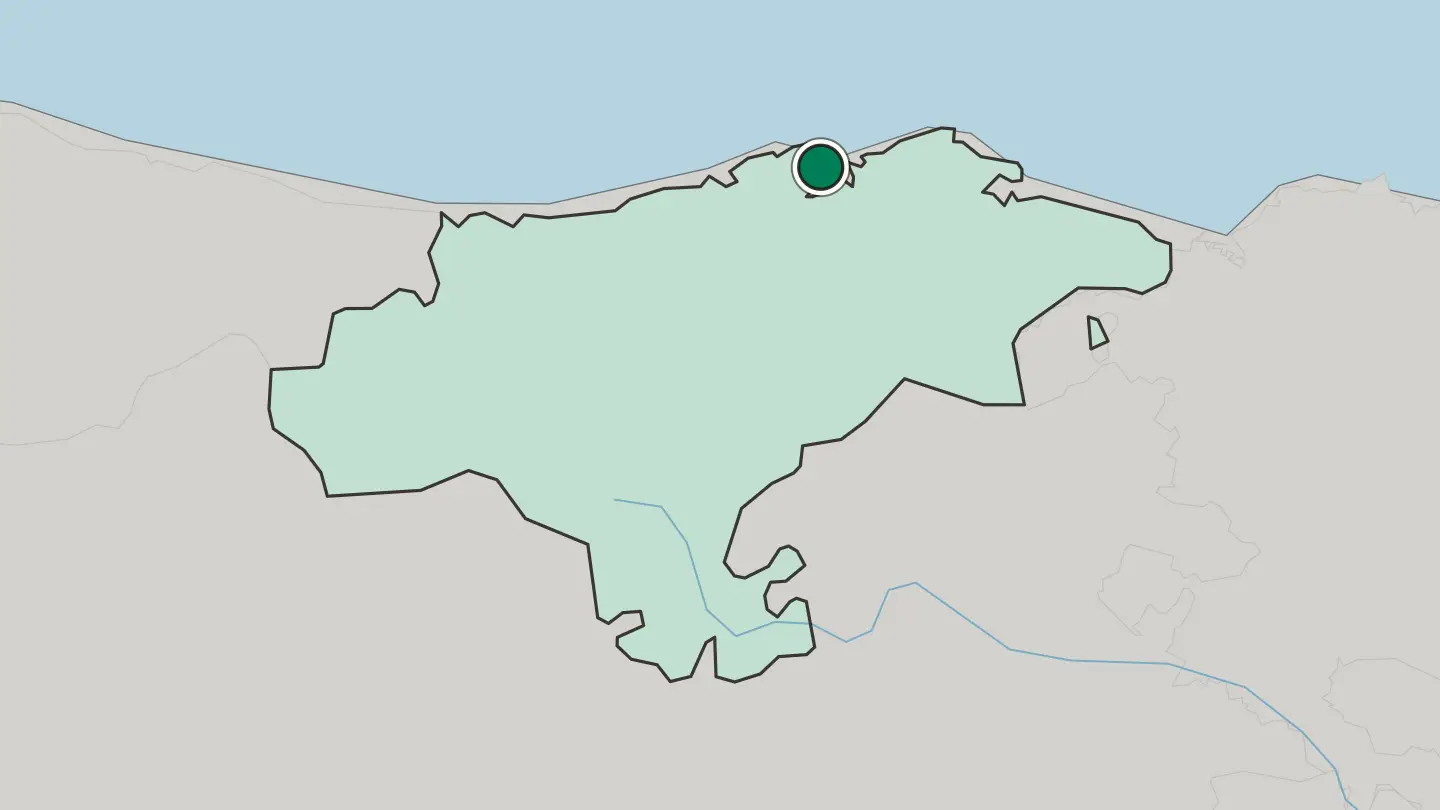 Spain
Spain
Torrelavega
An industrial and commercial hub of Cantabria in northern Spain, Torrelavega carries the name of its 13th-century founder, Garci Lasso de la Vega I.Where to stay →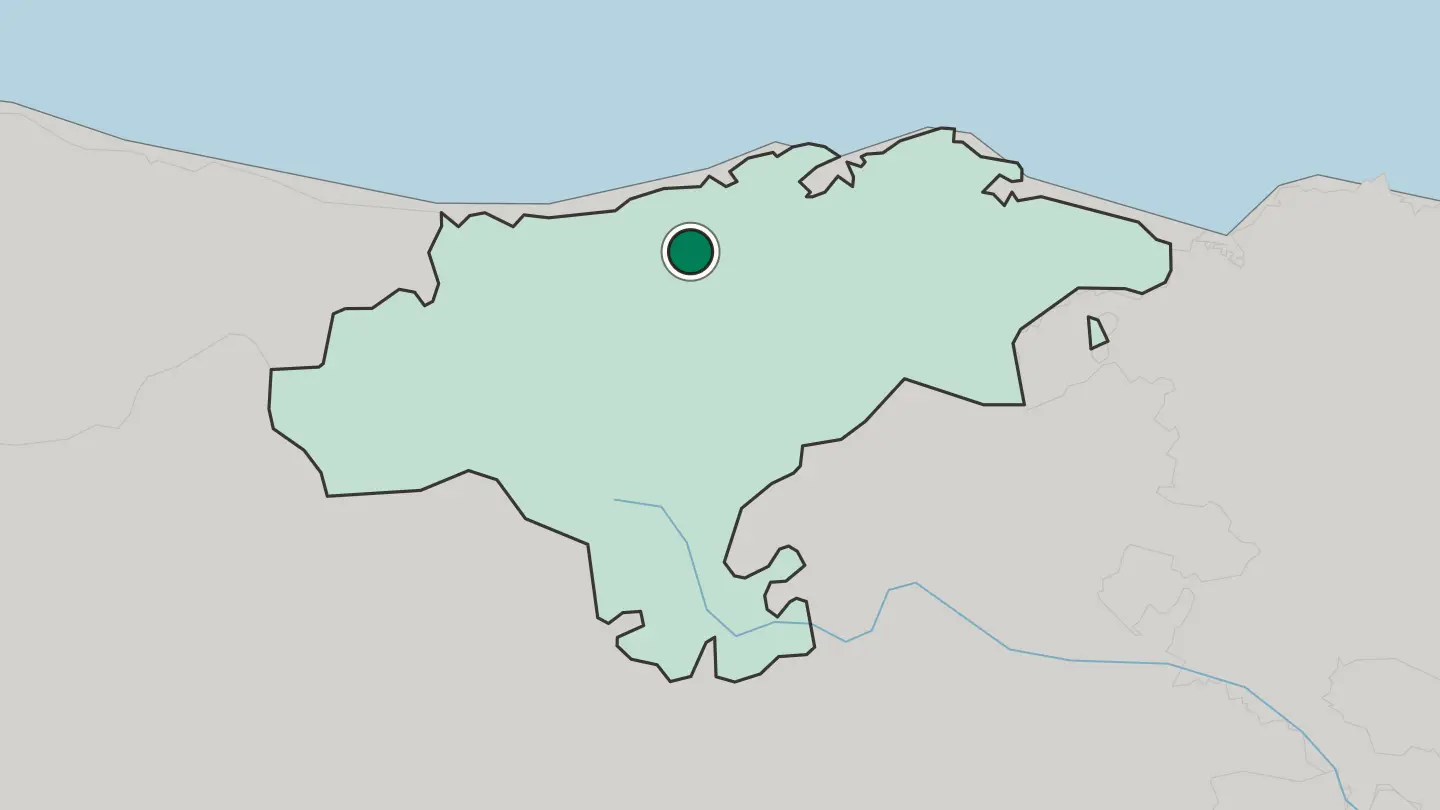
Hotel links are affiliate links: booking through them may earn us a commission, at no extra cost to you. It never affects how places are ranked. How this works
About Cantabria
Cantabria belongs to Green Spain.
What is Cantabria known for?
It fills the wet, wooded coast between the Bay of Biscay and the high ground inland, and Santander is the capital and the point most trips begin. Behind the coast the Cantabrian Mountains rise fast, and the Picos de Europa carry summits above 2,500 metres within sight of the water. Altamira, the painted cave near Santillana del Mar, is the region's oldest fame.
Green hills, a cold sea, and stone villages.
Where is Cantabria?
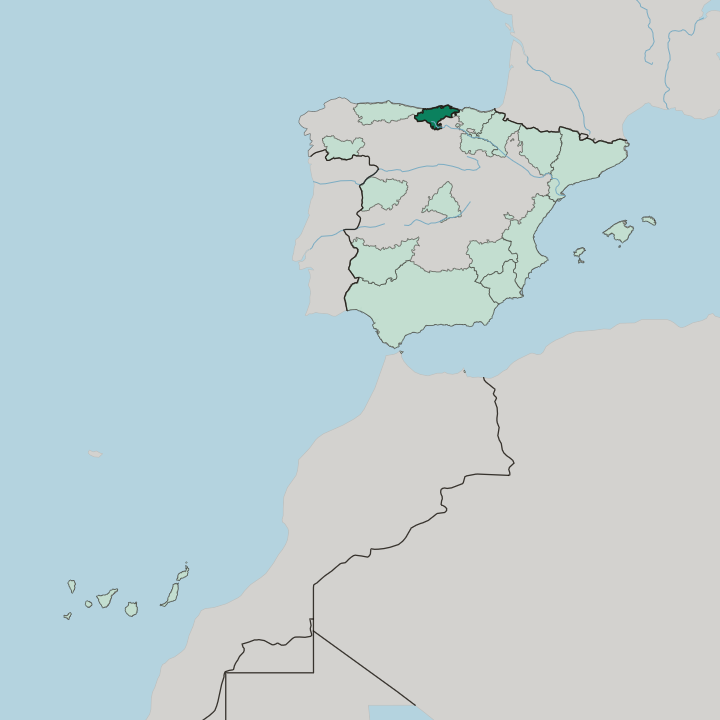
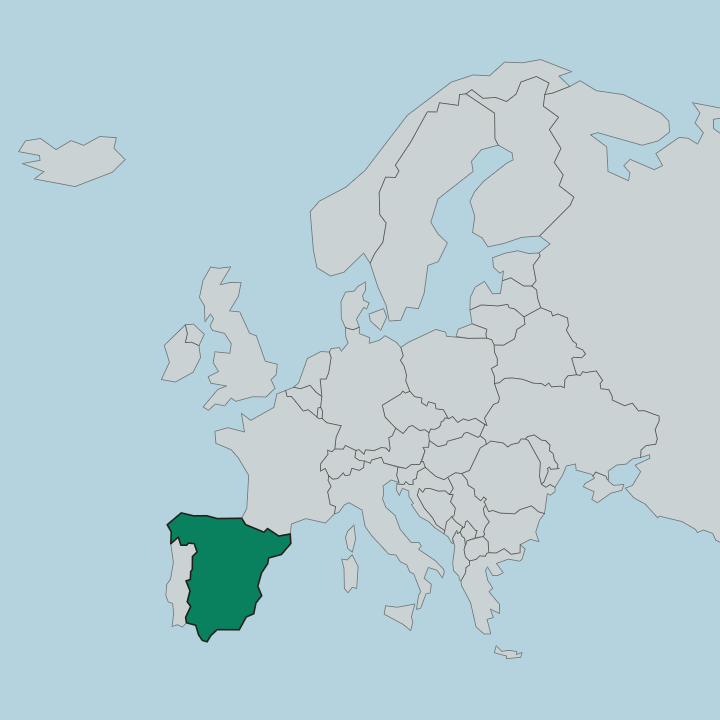
Cantabria fills a narrow band of northern Spain between the mountains and the sea. The Cantabrian Sea, an arm of the Bay of Biscay, washes its whole northern edge. Asturias lies to the west and the Basque Country to the east, the two other stretches of Green Spain along this coast. To the south, across the ridgeline of the Cantabrian Mountains, the land drops into the dry meseta of Castile and León.
Surf and summit sit close. A coastal strip of wide, low valleys runs some 10 kilometres inland before the ground climbs, and the mountains rise abruptly from there. In the south-west the Picos de Europa lift past 2,500 metres, close enough to the water that the two are often in one view.
The rivers here are short and steep, tumbling north off the range into estuaries and rias that notch the coast. Santander Bay is the deepest of those indentations. Yet not every river runs to the Cantabrian Sea.
In the high south, near Reinosa in the Campoo country, the Ebro is born at Fontibre and turns away south-east across Spain toward the distant Mediterranean. Santander stands on the north coast, on the bay that shares its name. That closeness of mountain and ocean shapes everything about the region.
What is Cantabria like?
Cantabria carries the name of the Cantabri, the mountain people Rome fought hard to subdue, and the region wears that deep past plainly. Its oldest mark is at Altamira, where Palaeolithic hunters painted bison on a cave ceiling near Santillana del Mar tens of thousands of years ago. Archaeologists rank it among the finest cave art anywhere.
Spanish is the common language, spoken across Cantabria as across the country, though an old mountain speech called Montañés lingers in a few valleys. Food is a serious matter here. Cocido montañés, the mountain stew of beans, cabbage and pork, is the winter dish of the interior, while the coast lives off the sea.
Santoña cures anchovies that reach tables far beyond Spain. Pastry counts too, above all the sobao and the quesada of the Pas valleys, made in the pastoral country the Pasiegos have worked since the Middle Ages. The University of Cantabria in Santander keeps the region's academic life.
Village and mountain traditions run alongside the coast's port culture, and the two rarely blur. It is a small region that guards its own character.
What is the history of Cantabria?
The Cantabri fought Rome hard. Their war ran from 29 BC until the region was finally broken about a decade later, though the mountains themselves were never truly tamed. In the Middle Ages the coastal ports bound themselves into a maritime brotherhood, the Four Coastal Towns, Santander among them, and grew rich on Atlantic trade.
For centuries the land was governed as the province of Santander within Castile. It took its historic name back in 1982, when the province became the autonomous community of Cantabria and stepped out of Castile and León.
What is the climate of Cantabria?
Cantabria has a mild, humid oceanic climate, the reason it counts as Green Spain. The Bay of Biscay keeps summers warm rather than hot and winters soft, with rain spread through the year and roughly 1,200 millimetres falling on the coast. That damp is what keeps the oak and beech woods green and the pastures thick.
Up in the Picos de Europa the weather turns alpine, and snow holds on the high peaks long after the coast has warmed. Sea cloud is routine.
How do you get to Cantabria?
Santander is the way in for most visitors, with a small airport and a ferry port linking the region to Britain across the Bay of Biscay. Trains and roads run west along the coast from the Basque Country and on toward Asturias. Reaching the interior means climbing.
The mountain road up to Potes and the Liébana valleys switches back through the foothills of the Cantabrian Mountains, and the pass south to Castile and León crosses the range near Reinosa. Inside the region, a coastal rail line ties the towns together.
Common questions
What is the best area to stay in Cantabria?
Santander: getting a first feel for Cantabria from Santander. Santillana del Mar: the Altamira cave and old stone. Castro-Urdiales: the eastern harbour coast. Potes: the Picos de Europa mountains.
Good for
More regions in Spain
Updated September 2026