Spain · Comunitat Autònoma de les Illes Balears
Where to Stay in Calvià, Comunitat Autònoma de les Illes Balears
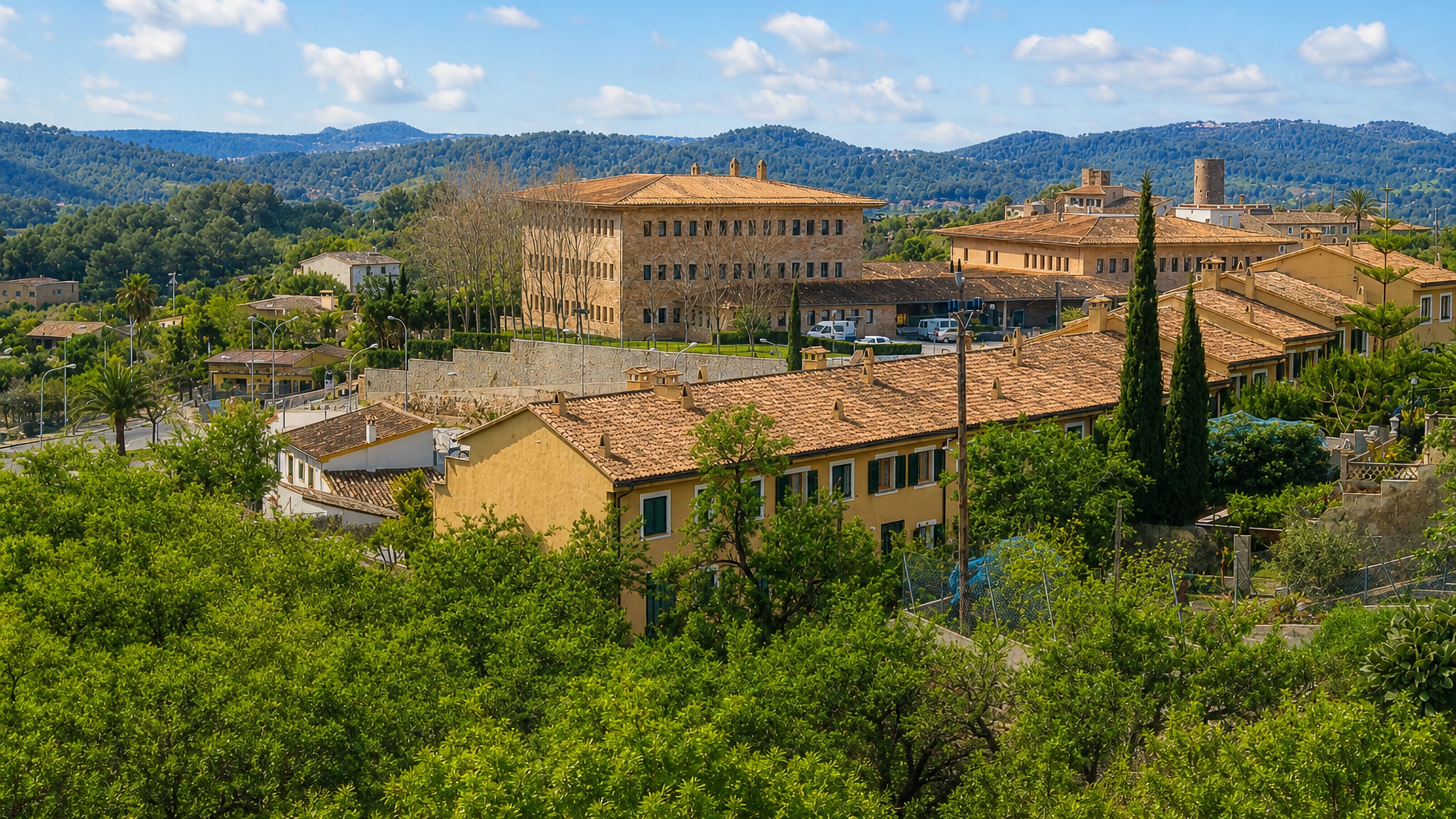
Calvià is a Mallorcan municipality west of Palma, an inland town of the same name overtaken by coast resorts from Magaluf to Peguera.
Hotel links are affiliate links: booking through them may earn us a commission, at no extra cost to you. It never affects how places are ranked. How this works


Where to stay in Calvià
The practical side of choosing where to sleep.
The bay decides everything here. Magaluf and Palma Nova sit at the Palma end of the municipality, with Portals Nous on the same stretch, which puts them closest to the capital and to everything the capital offers. The capital is close.
Take it if you want the shortest way back into Palma. The Serra de Na Burguesa stands between that end and the city. Santa Ponsa and Peguera sit further along the coast, and a room in either trades proximity to Palma for a quieter bay under the Serra de Tramuntana.
The water is the reason to be at that end. Both sit in the western part of the municipality. Calvià Vila is the third option and the odd one, a small inland town with the town hall, the older street plan and the hills of the prehistoric sites behind it, which suits anyone who would rather walk to the Cova de Son Boronat than to a beach.
Beds inland are fewer than on the coast. Booking by bay rather than by municipality saves a long drive at the end of a flight.
Find hotels in Calvià
Direct booking searches for these neighbourhoods.
Magaluf and Palma Nova
The Palma end of the municipality, with Portals Nous on the same stretch of coastFind hotels in Magaluf and Palma NovaQuieter bays in the western part of the municipalitySanta Ponsa and Peguera
The coast under the Serra de Tramuntana, well away from the capital's edgeFind hotels in Santa Ponsa and PegueraWalkers heading for the Cova de Son Boronat rather than a beachCalvià Vila
The inland seat of the municipality, with the fortified hills of Son Font and Torà behind it. Lodging is scarce in this area; reserve in advance.Find hotels in Calvià VilaHotel links are affiliate links: booking through them may earn us a commission, at no extra cost to you. It never affects how places are ranked. How this works
About Calvià
Resorts define the shoreline.
What is Calvià known for?
Magaluf, Palma Nova, Portals Nous, Santa Ponsa and Peguera line the municipal coast, while Calvià Vila keeps the town hall and the older street plan inland. The contrast is the point. Between them stand the Serra de Tramuntana and the Serra de Na Burguesa, which is why the road from one bay to the next climbs more than a map of a holiday coast suggests.
What are the main landmarks in Calvià?
Prehistory is the built record here. The Cova de Son Boronat opens in the hillside, and nine archaeological sites are scattered across the municipality, among them the Habitació prehistòrica de Benàtiga Vell at Es Puig and the remains at Benicoraix. Three of them share one name.
The Burotell group takes in Es Porrassaret, the Coma de s'Aigo and Ses Rafalasses, while the fortified hills of Son Font at Puig de Cas Meler and of Torà at Puig des Moros de Llevant held the high ground long before any resort existed.
What is the history of Calvià?
People were here long before the bays had names. Ten sites are recorded across the municipality, from the Cova de Son Boronat to the scatter of prehistoric remains at Benicoraix, Valldurgent and Son Roig Vell, and they cluster on the higher ground rather than the shore. Height mattered then.
The Turó fortificat de Son Font at Puig de Cas Meler and the Turó fortificat de Torà at Puig des Moros de Llevant were fortified hills, which says something about how the coast was regarded by the people who lived above it. Calvià Vila held the municipality together. The seat of the town sits inland, small and unhurried, and for most of its existence the coast below it drew far less attention than the town itself.
Then the resorts arrived. Magaluf, Palma Nova, Portals Nous, Santa Ponsa and Peguera filled bay after bay until the town that gives the municipality its name was greatly outgrown by the settlements on its own shoreline. Geography kept the two apart.
The Serra de Tramuntana rises behind the municipality and the Serra de Na Burguesa closes it off toward Palma, so the bays sit apart from one another rather than running together into a single strip. Distance finished what the ranges began. Calvià Vila still keeps the older street plan, the prehistoric sites still sit on their hills above it, and the shoreline settlements still take the traffic that comes west out of Palma.
Where is Calvià?
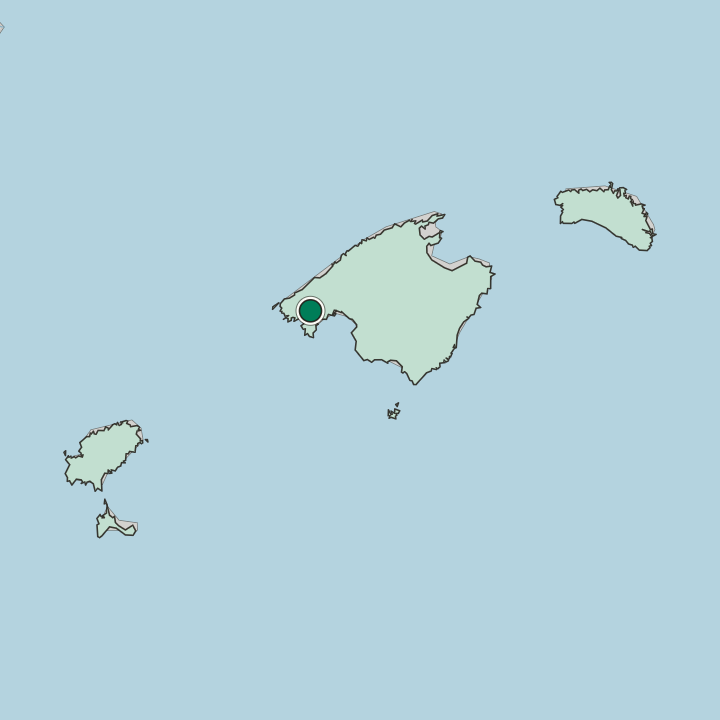
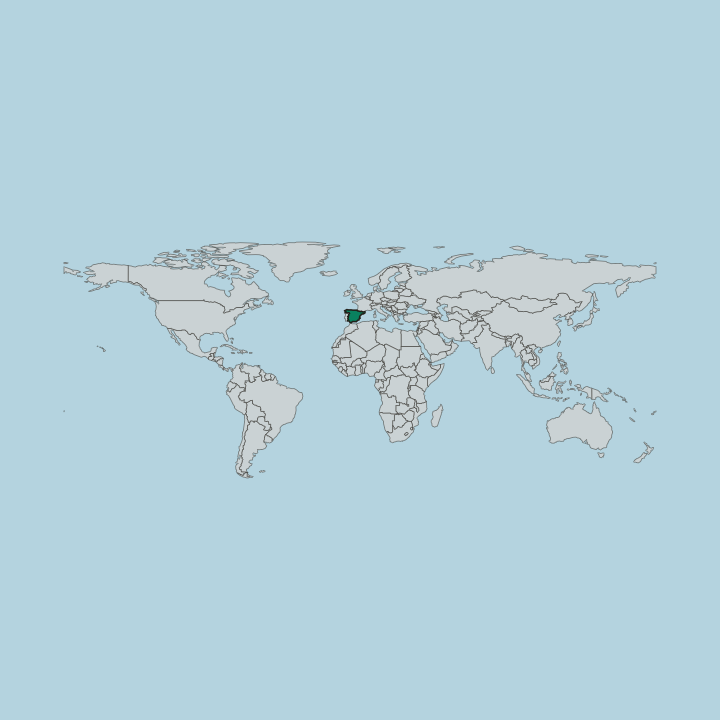
Two ranges frame the municipality. The Serra de Tramuntana stands behind Calvià and the Serra de Na Burguesa separates it from Palma, leaving a coast of separate bays that carries Magaluf, Palma Nova, Portals Nous, Santa Ponsa and Peguera. The land runs to a hundred and forty-five square kilometres.
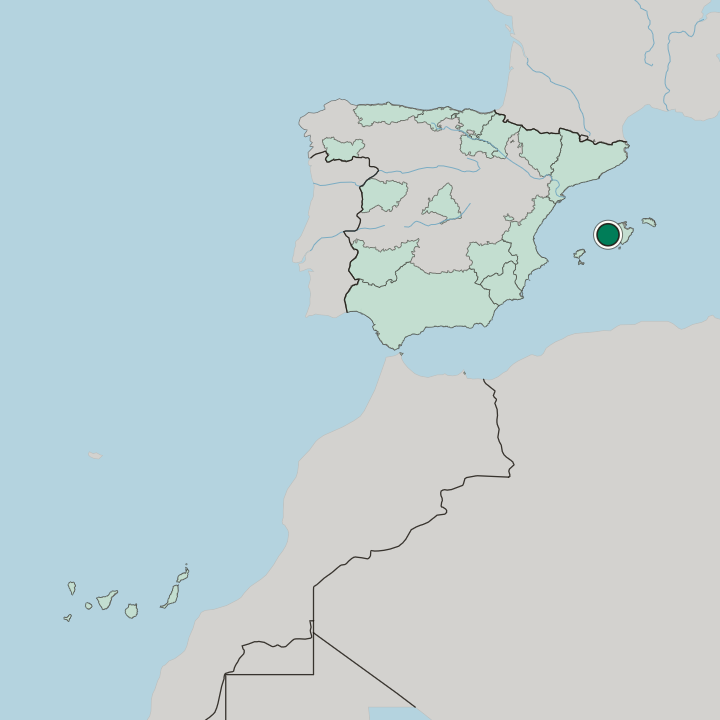
Calvià Vila sits inland among the hills, on the island of Mallorca in the Balearic Islands.
What is the climate of Calvià?
The Serra de Tramuntana takes the weather first. What reaches Calvià has already crossed those ridges, and the sea around Mallorca holds the winters mild enough that the bays stay usable well outside the middle of the year. Island air is steady.
Peguera and Santa Ponsa feel the sea breeze before the inland town does.
How do you get to Calvià?
Palma is the way in. The road runs west from the capital, over or around the Serra de Na Burguesa, and reaches Portals Nous and Palma Nova before anything else in the municipality. Calvià Vila needs a turn inland.
Santa Ponsa and Peguera lie further along the same coast, so the last stretch depends entirely on which bay the booking names.
Common questions
What is the best area to stay in Calvià?
Magaluf and Palma Nova: Stays wanting the shortest run back into Palma. Santa Ponsa and Peguera: Quieter bays in the western part of the municipality. Calvià Vila: Walkers heading for the Cova de Son Boronat rather than a beach.
Good for
Another city in Comunitat Autònoma de les Illes Balears
Updated September 2026