Spain
Comunitat Autònoma de les Illes Balears, Spain — Towns & Travel Guide
The Balearic Islands are a Spanish archipelago in the western Mediterranean: Mallorca, Menorca, Ibiza and Formentera.
Hotel links are affiliate links: booking through them may earn us a commission, at no extra cost to you. It never affects how places are ranked. How this works


Towns & cities in Comunitat Autònoma de les Illes Balears
Pick a town or city — each links to where to stay.

 Spain
Spain
Palma
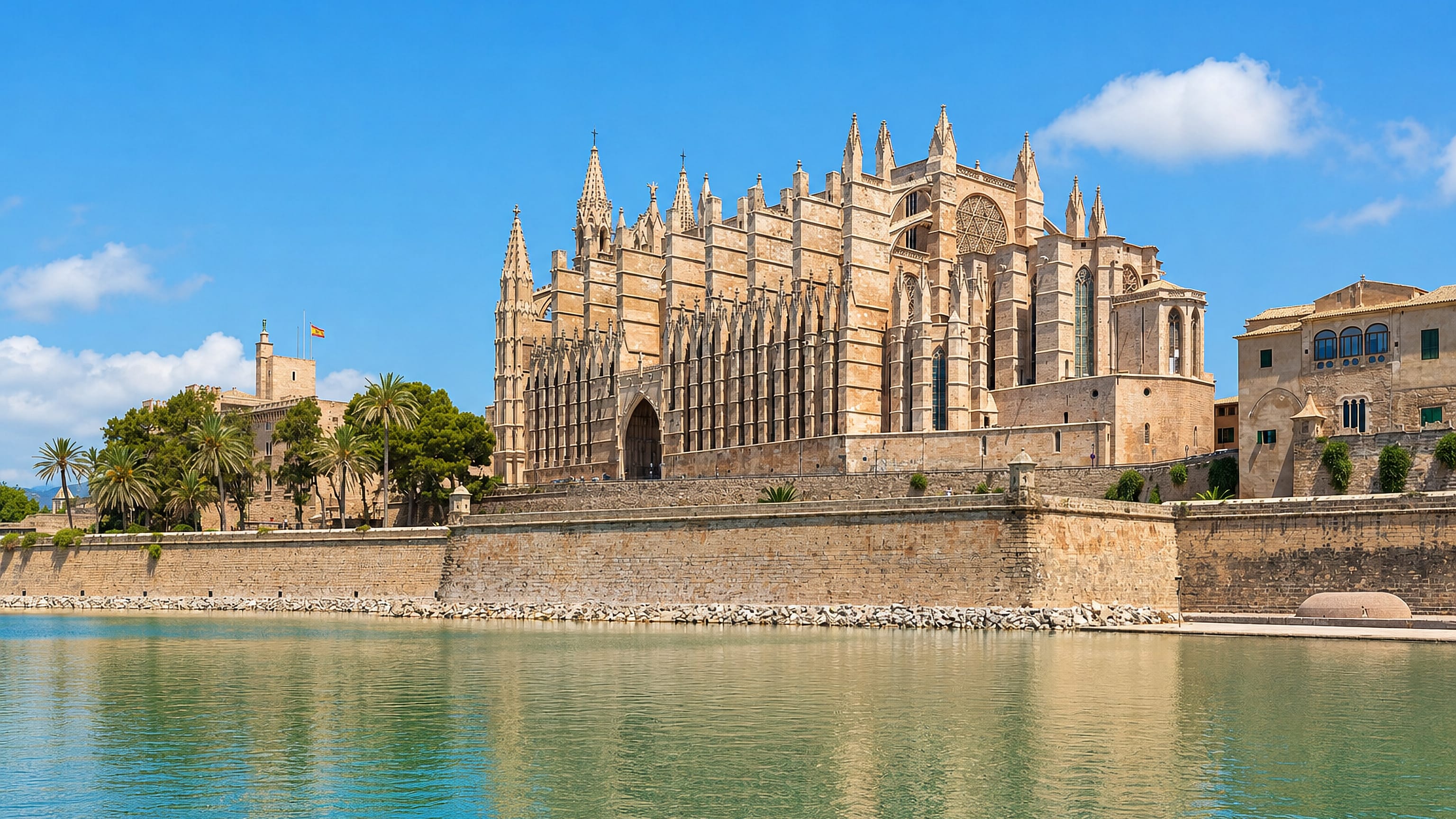
Sea light works the stone at Palma, capital of the Balearic Islands on the south coast of Mallorca, known for Bellver Castle and Es Baluard.Where to stay →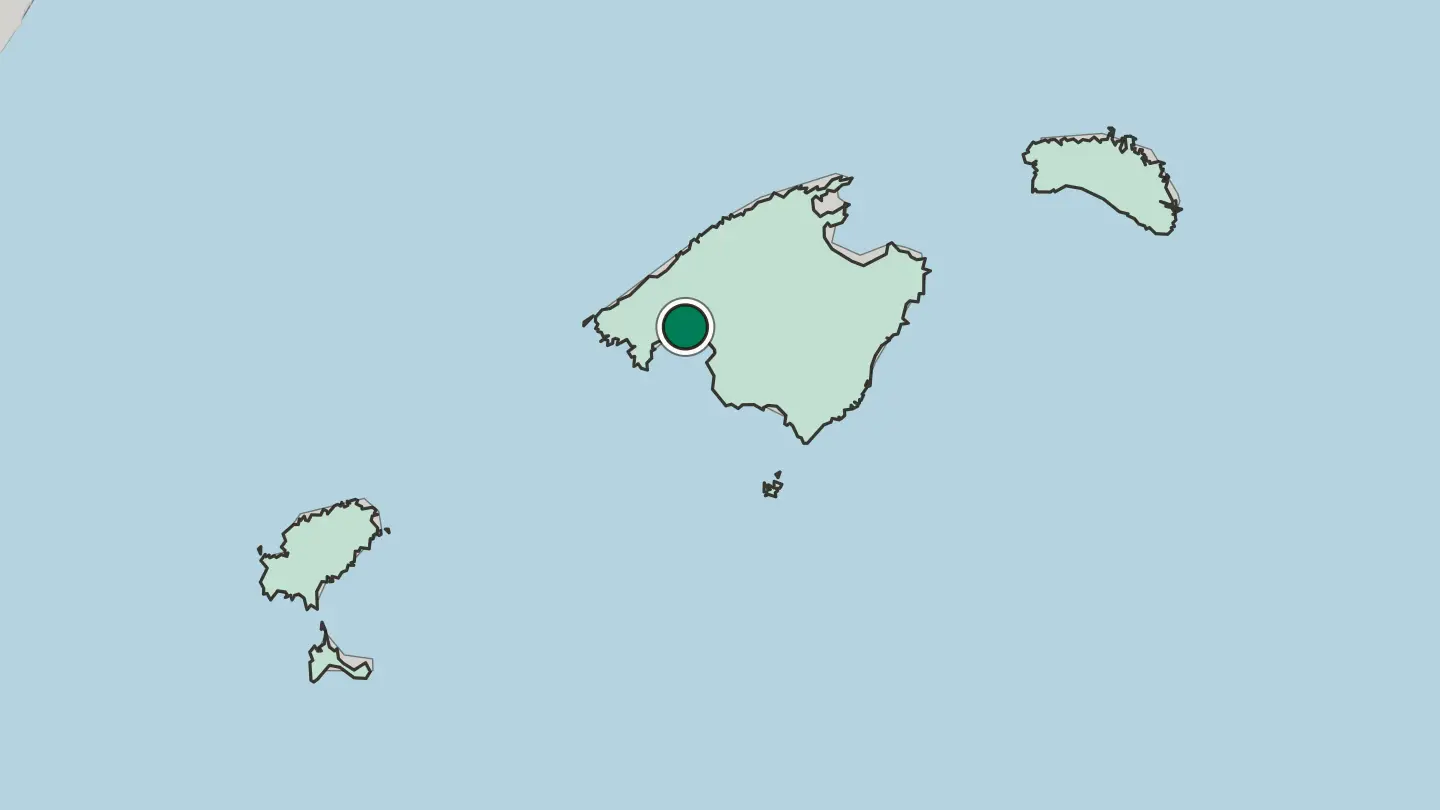
 Spain
Spain
Calvià
Calvià is a Mallorcan municipality west of Palma, an inland town of the same name overtaken by coast resorts from Magaluf to Peguera.Where to stay →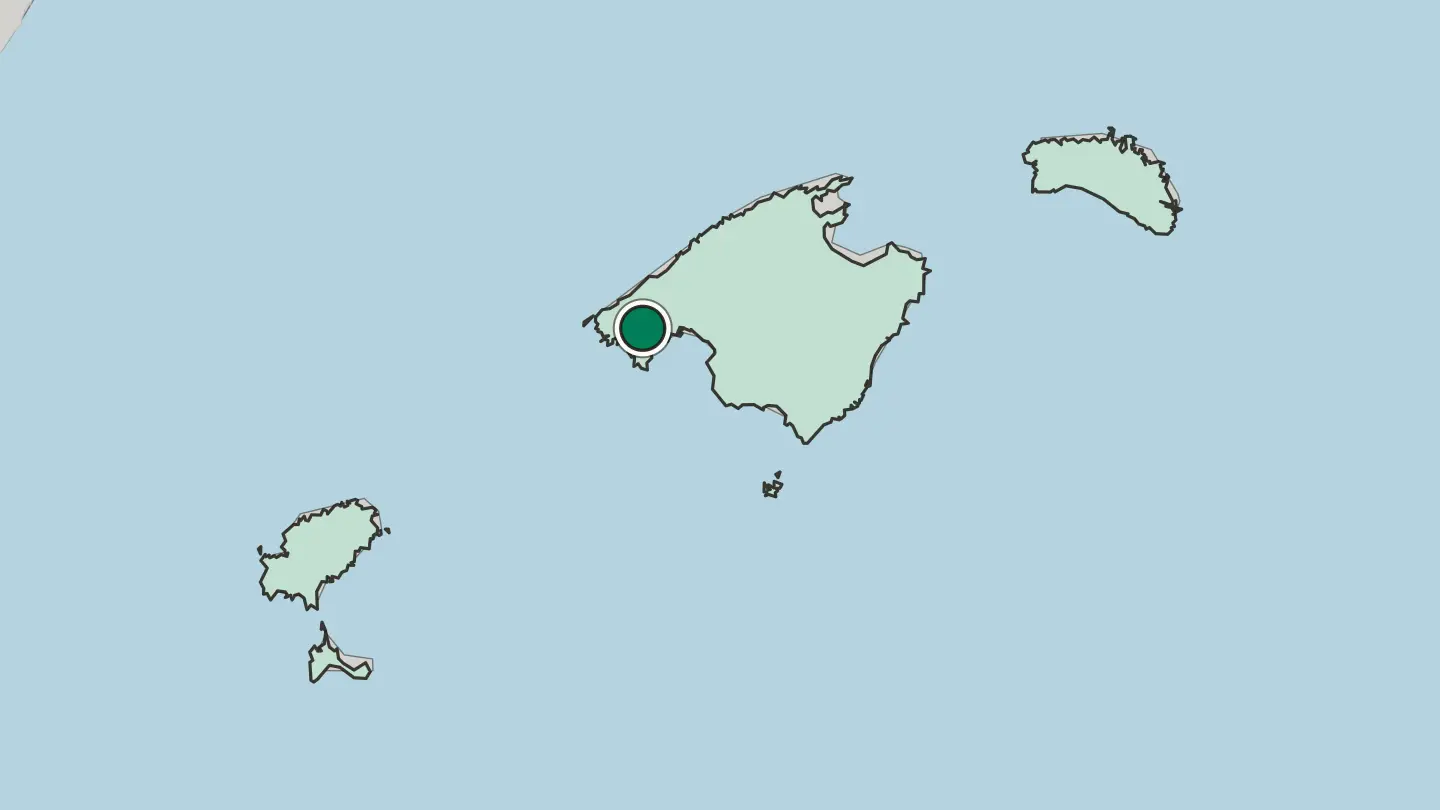
Hotel links are affiliate links: booking through them may earn us a commission, at no extra cost to you. It never affects how places are ranked. How this works
About Comunitat Autònoma de les Illes Balears
Four islands carry the name.
What is Comunitat Autònoma de les Illes Balears known for?
Mallorca is the largest and holds the capital, Palma, where most trips to the archipelago begin. Ibiza built a global reputation on its summer nightclubs, drawing crowds to a coast that also hides quiet coves and pine-covered hills inland. Menorca stays calmer and greener, ringed by beaches that never filled with high-rise resorts, while tiny Formentera sits off Ibiza as the flattest and least developed of the group.
Behind the beaches, Mallorca rises into the limestone wall of the Serra de Tramuntana, a range steep enough to earn World Heritage status.
Where is Comunitat Autònoma de les Illes Balears?
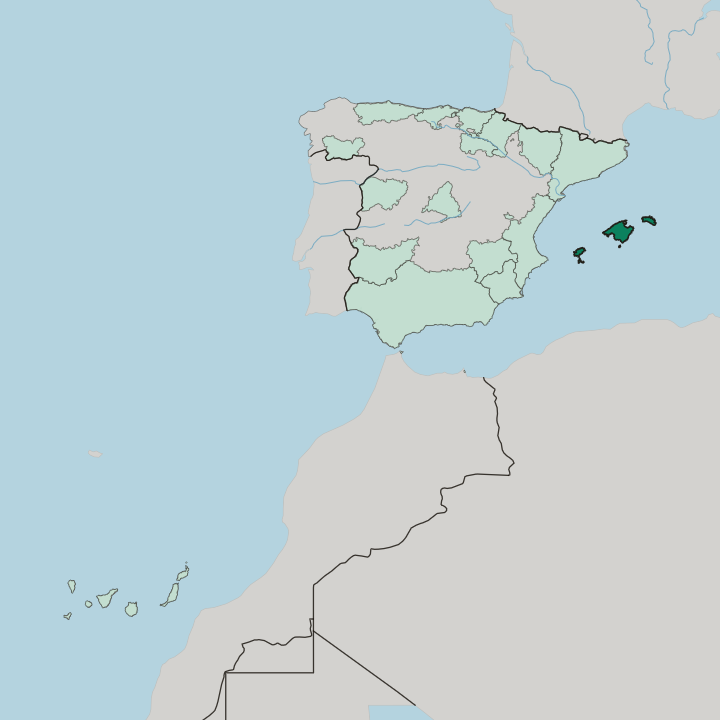
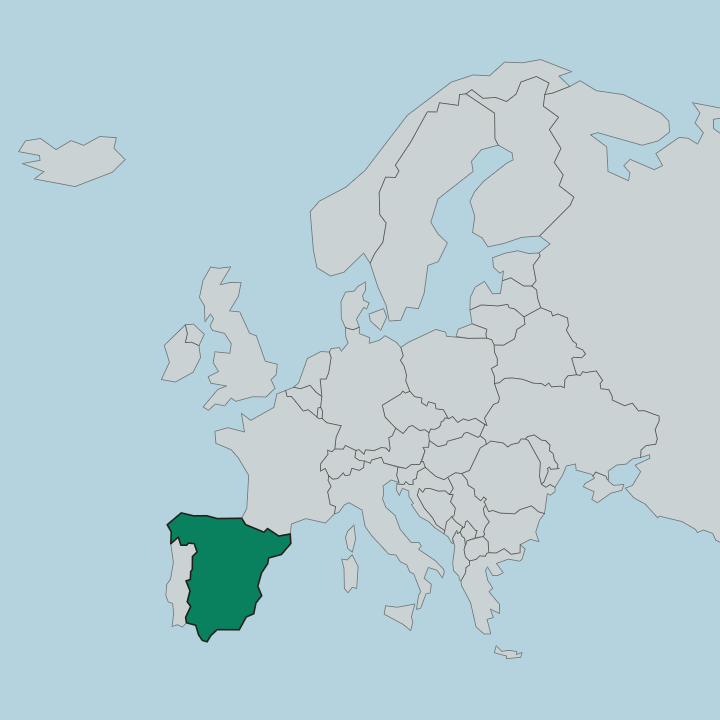
The Balearic Islands lie in the western Mediterranean, off the eastern coast of mainland Spain. The archipelago splits into two natural groups. Mallorca and Menorca form the eastern pair, the Gymnesians, while Ibiza and Formentera make up the western Pityusic Islands closer to the Spanish shore.
Mallorca dominates. It is far larger than the other three put together, and Palma sits on its southern bay. Along Mallorca's north-western edge the land buckles upward into the Serra de Tramuntana, a limestone range running the length of that coast.
Puig Major crowns it, the highest point on the island and in the archipelago, rising above the pine forests to more than 1,400 metres. Menorca is lower and gentler off to the north-east. Ibiza and Formentera sit apart to the south-west, ringed by the Balearic Sea, the arm of the Mediterranean that gives the islands their name.
Water separates every island from the next. Nothing here is more than a short crossing from open sea, and that has shaped the archipelago as much as any ridge or valley on land.
What is Comunitat Autònoma de les Illes Balears like?
The islands are bilingual. Catalan and Spanish are both official, and most of the population speaks Catalan, though in forms that shift from island to island. On Mallorca people speak mallorquí, on Menorca menorquí, and on Ibiza and Formentera the eivissenc variety, each with its own turns of vocabulary shaped by centuries of living apart on the water.
That insular history runs through the built landscape too. Palma's cathedral rises straight off the seafront, a vast Gothic hulk begun after the medieval conquest and worked on for generations. Ibiza guards its own defences: the walled upper town of Dalt Vila climbs above the harbour behind Renaissance ramparts.
Stone watchtowers still stud the coasts, a memory of the corsair raids the islanders once feared. Food leans Mediterranean and local. The sobrassada sausage and the ensaïmada pastry both come from Mallorca, and almonds, olives and fish fill out a table that owes as much to the mainland as to the sea.
Two things hold across all four islands: the Catalan tongue and a coastline that has drawn outsiders for a very long time.
What is the history of Comunitat Autònoma de les Illes Balears?
Islam held the islands for centuries. That ended when James I of Aragon captured Palma on the last day of 1229, taking Mallorca for his crown; Ibiza followed in 1235, and Menorca fell later. For a time the islands stood as a separate Kingdom of Majorca, before that realm was folded back into the Crown of Aragon.
Spanish provincial rule came in the nineteenth century. The four islands were finally joined as a single autonomous community under the Statute of Autonomy of 1983, with Palma as its capital.
What is the climate of Comunitat Autònoma de les Illes Balears?
The Balearic Islands have a Mediterranean climate. Summers are hot, dry and long, with clear skies over the sea from June well into autumn; the winters stay mild, and most of the rain falls between then and spring. The surrounding water keeps the extremes off, so frost is rare even inland.
Only the high ground of the Serra de Tramuntana on Mallorca turns properly cold, sometimes catching snow on Puig Major. It is a climate built for the beach.
How do you get to Comunitat Autònoma de les Illes Balears?
For most travellers, the Balearics begin at the airport. Palma's airport on Mallorca is one of the busiest in Spain, and Ibiza and Menorca have their own airports fed by flights from across Europe. Formentera has none: reaching it means flying into Ibiza and finishing the trip by ferry across the Balearic Sea.
Boats also cross from the mainland ports of Barcelona, València and Dénia, and shorter services hop between the islands themselves. Once you land, the sea is close.
Common questions
What is the best area to stay in Comunitat Autònoma de les Illes Balears?
Palma: a first base in the islands. Ibiza: nightlife and the western Pityusic coast. Menorca: unhurried beaches away from the crowds. Formentera: pale sand and a slow pace.
Good for
More regions in Spain
Updated September 2026