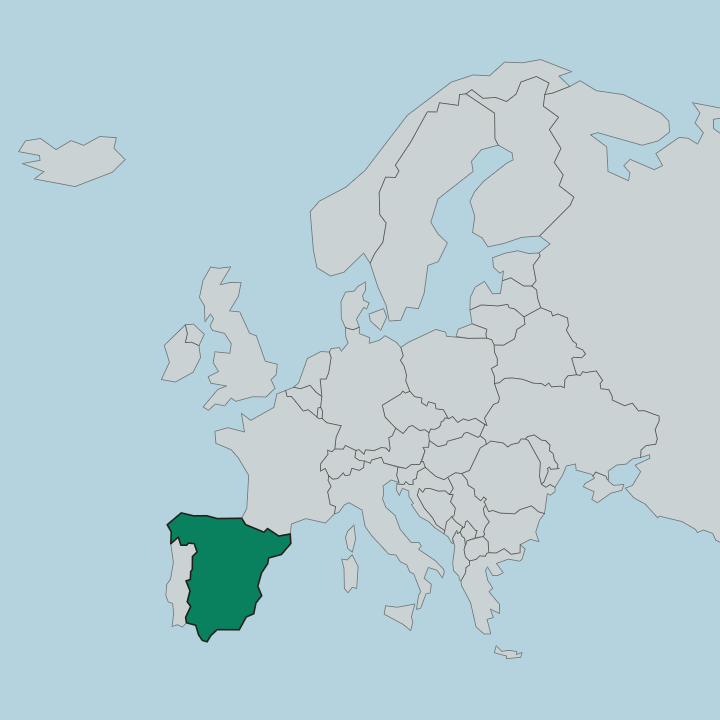
Spain · Comunitat Autònoma de les Illes Balears
Where to Stay in Palma, Comunitat Autònoma de les Illes Balears
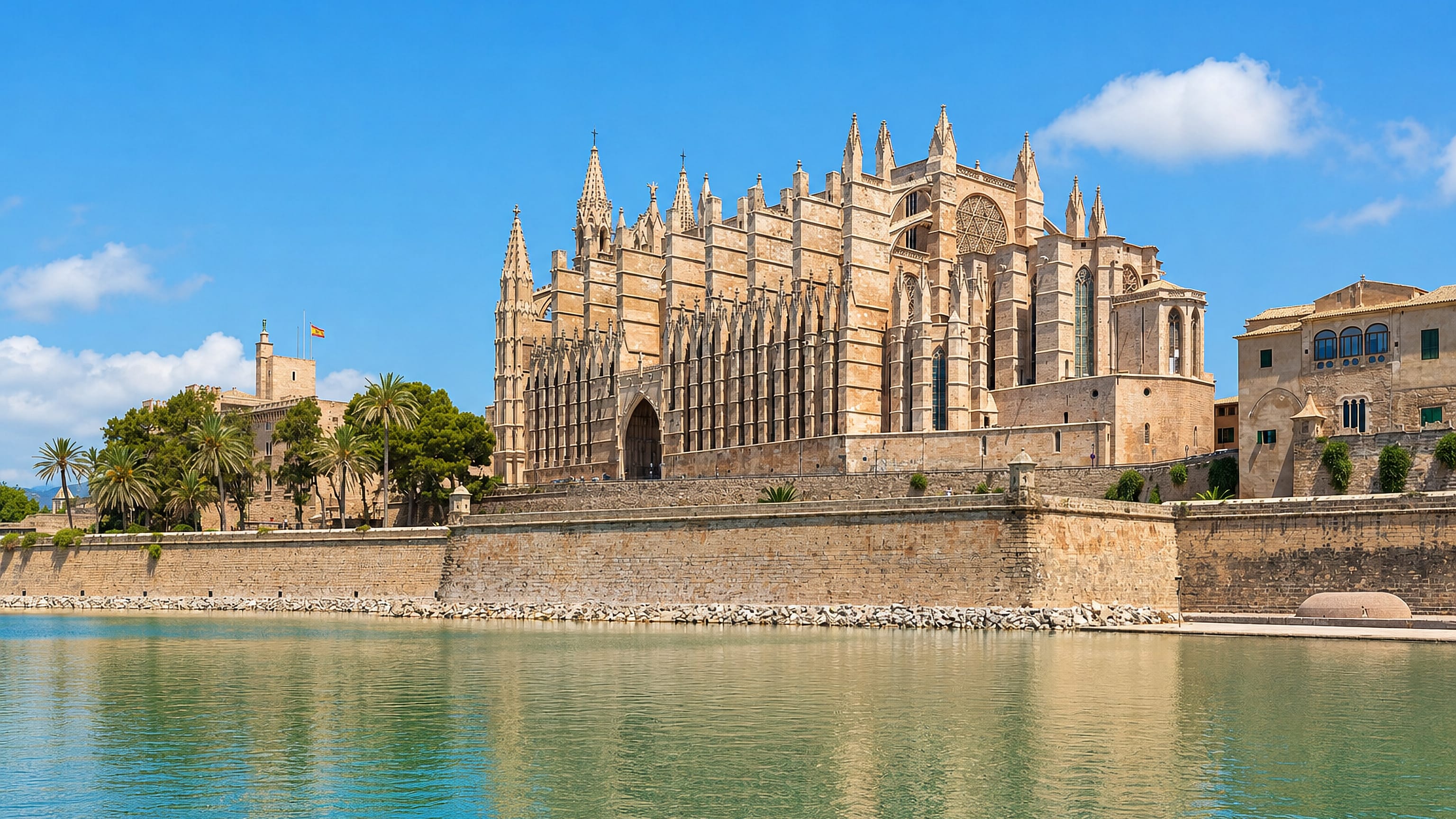
Sea light works the stone at Palma, capital of the Balearic Islands on the south coast of Mallorca, known for Bellver Castle and Es Baluard.
Hotel links are affiliate links: booking through them may earn us a commission, at no extra cost to you. It never affects how places are ranked. How this works


Where to stay in Palma
The right area depends on your trip — here's what each neighbourhood is best for.

 PalmaSpain
Es Molinar
The Església de la Soledat and the Torre d'en Pau are the two names the record gives Es Molinar, a district of Palma.Where to stay → PalmaSpain
Coll d'en Rabassa
Es Coll d'en Rabassa is a barrio of Palma de Mallorca about six kilometres from the centre, grown after the city walls came down in the 19th century.Where to stay →PalmaSpainSon Roca
Son Roca is an urbanización and barrio in western Palma de Mallorca, at the foot of the Puigpunyent mountain yet apart from it. Fields close it north.Where to stay → PalmaSpain
Son Ferriol
Son Ferriol is a town inside the municipal borough of Palma, on Mallorca, about six kilometres out from the centre of Palma itself.Where to stay → PalmaSpain
Cala Estancia
Cala Estancia, written Cala Estància locally, is a cove district of Palma with Palma Aquarium behind it and Illot Galera offshore.Where to stay →Hotel links are affiliate links: booking through them may earn us a commission, at no extra cost to you. It never affects how places are ranked. How this works
Find hotels in Palma
Direct booking searches for these neighbourhoods.
The old town around La Almudaina
Lanes narrow enough to hold the shade, with the Museu de Mallorca, the Església de Santa Clara and the Convent de les Caputxines inside themFind hotels in The old town around La AlmudainaModern art housed inside old defencesEs Baluard
The bastion the museum took its name from, and the collection that occupies it nowFind hotels in Es BaluardStays built around Can Solleric and the Museu Fundació Juan MarchGran Hotel and Can Casasayas
Palma's later and grander architecture, running from the Gran Hotel to Can CasasayasFind hotels in Gran Hotel and Can CasasayasWeekends fixed by what is on at Son MoixSon Moix
Ground given over to the Palau Municipal d'Esports Son Moix and the Velòdrom Illes Balears, where a fixture list decides the weekFind hotels in Son MoixHotel links are affiliate links: booking through them may earn us a commission, at no extra cost to you. It never affects how places are ranked. How this works
Things to do in Palma
Ranked by global recognition; descriptions from Wikidata (CC0).
Museums & Galleries
3- Poble Espanyol de Palma
- Fundació Miró Mallorca
- Es Baluard
Churches & Religious Sites
4- Església de Santa Clara Heritage
- Església de Sant Jaume de Palma Heritage
- Santa Catalina de Sena Heritage
- Convent de les Caputxines Heritage
Castles & Historic Sites
8- Bellver Castle Heritage
- Royal Palace of La Almudaina Heritage
- Gran Hotel Heritage
- Arab Baths of Palma de Mallorca Heritage
- Consolat de Mar de Palma Heritage
Show 3 more →
- Can Casasayas Heritage
- Can Solleric Heritage
- Illot Galera Heritage
Stadiums & Sports
2- Velòdrom Illes Balears
- Palau Municipal d'Esports Son Moix
Landmarks & Notable Places
1- Torre d'en Pau Heritage
worth knowingacross 5 categories in Palma
About Palma
What is Palma known for?
Palma is the capital of the Balearic Islands and the largest city on Mallorca. Its fuller name is Palma de Mallorca, and the Arab Baths of Palma de Mallorca are what the Muslim island left standing. Defence shaped the rest.
Bellver Castle, the Royal Palace of La Almudaina and the bastion that gave Es Baluard its name are the buildings the city is known by, and the Consolat de Mar de Palma records the sea business that paid for them. Modern Mallorca answers on the same streets, at the Fundació Miró Mallorca and the Museu Fundació Juan March.
What are the main landmarks in Palma?
Palma's landmark stone runs from defence to devotion. Bellver Castle and the Museo Histórico Militar de San Carlos hold the military end of the list, the Royal Palace of La Almudaina the royal one, and the Arab Baths of Palma de Mallorca the Moorish. Places of worship take over from there.
Església de Sant Nicolau, Església de Sant Jaume de Palma, Església de Santa Clara and the Convent de les Caputxines carry it, while Es Baluard, the Fundació Miró Mallorca and the Museu de Mallorca hold the collections.
What is the history of Palma?
Palma's history is legible in what it built and never cleared away. The Arab Baths of Palma de Mallorca survive from the Muslim centuries, and the Royal Palace of La Almudaina is the royal seat of the Christian ones that followed. Trade paid the bills.
The Consolat de Mar de Palma took its name from the merchants' sea court, the institution that settled the port's disputes. Money went into churches, and the Església de Sant Nicolau, the Església de Sant Jaume de Palma and the Església de Santa Clara went up with the convents beside them, Santa Catalina de Sena and the Convent de les Caputxines among the survivors. Es Baluard preserves a bastion of the city walls, and the Museo Histórico Militar de San Carlos keeps the military record that went with them.
The later city is easier to date by its buildings. The Gran Hotel and Can Casasayas belong to it, the Monument to the victims of the cruiser Baleares records a loss at sea, and the Museu d'Història de la Ciutat now keeps the whole account. Through all of it Palma stayed the capital of the Balearic Islands and the largest city on Mallorca.
Where is Palma?
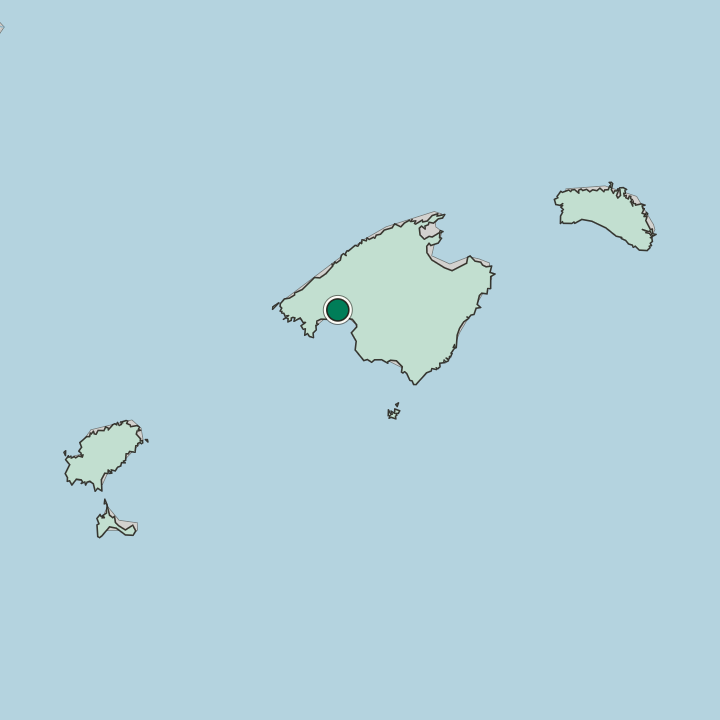
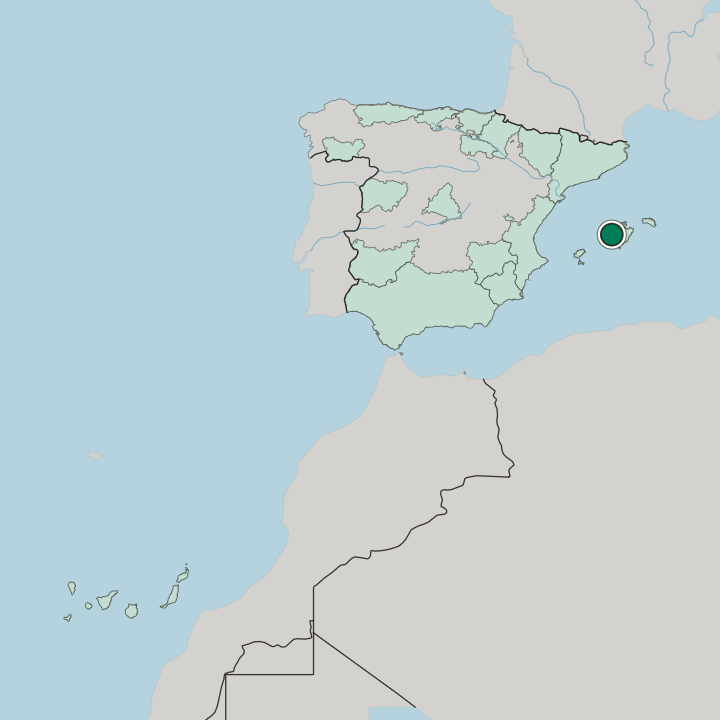
Palma stands on the south coast of Mallorca, at the head of the Bay of Palma. The bay names the city and shapes it. Palma is the capital of the Balearic Islands, and the archipelago's government and shipping come back to this one shore, which is why the largest city on Mallorca faces the water rather than the interior.
The municipal ground runs well back from the sand, so the city's outer edges are inland rather than more coast.
What is the climate of Palma?
The Mediterranean sets Palma's terms. An island city on the south coast takes long dry summers and a short wet winter, and the sea keeps both ends of that from going extreme. Heat sits in the lanes of the old town, where the stone holds it after dark, while the Bay of Palma stays a few degrees kinder.
Winter turns the city back to its museums.
How do you get to Palma?
Palma is on an island, so every arrival comes by sea or air. The Bay of Palma has taken sea traffic for as long as the city has traded, and the Consolat de Mar de Palma exists because that traffic needed a court. Everything else lands and drives in.
The old town does not reward a car: the lanes around the Royal Palace of La Almudaina and the Església de Sant Jaume de Palma were not cut for them, and they have not widened.
Common questions
What is the best area to stay in Palma?
The old town around La Almudaina: First visits that want the Royal Palace of La Almudaina and the Arab Baths on foot. Es Baluard: Modern art housed inside old defences. Gran Hotel and Can Casasayas: Stays built around Can Solleric and the Museu Fundació Juan March. Son Moix: Weekends fixed by what is on at Son Moix.
Good for
Another city in Comunitat Autònoma de les Illes Balears
Updated October 2026