Spain · Región de Murcia
Where to Stay in Lorca, Región de Murcia
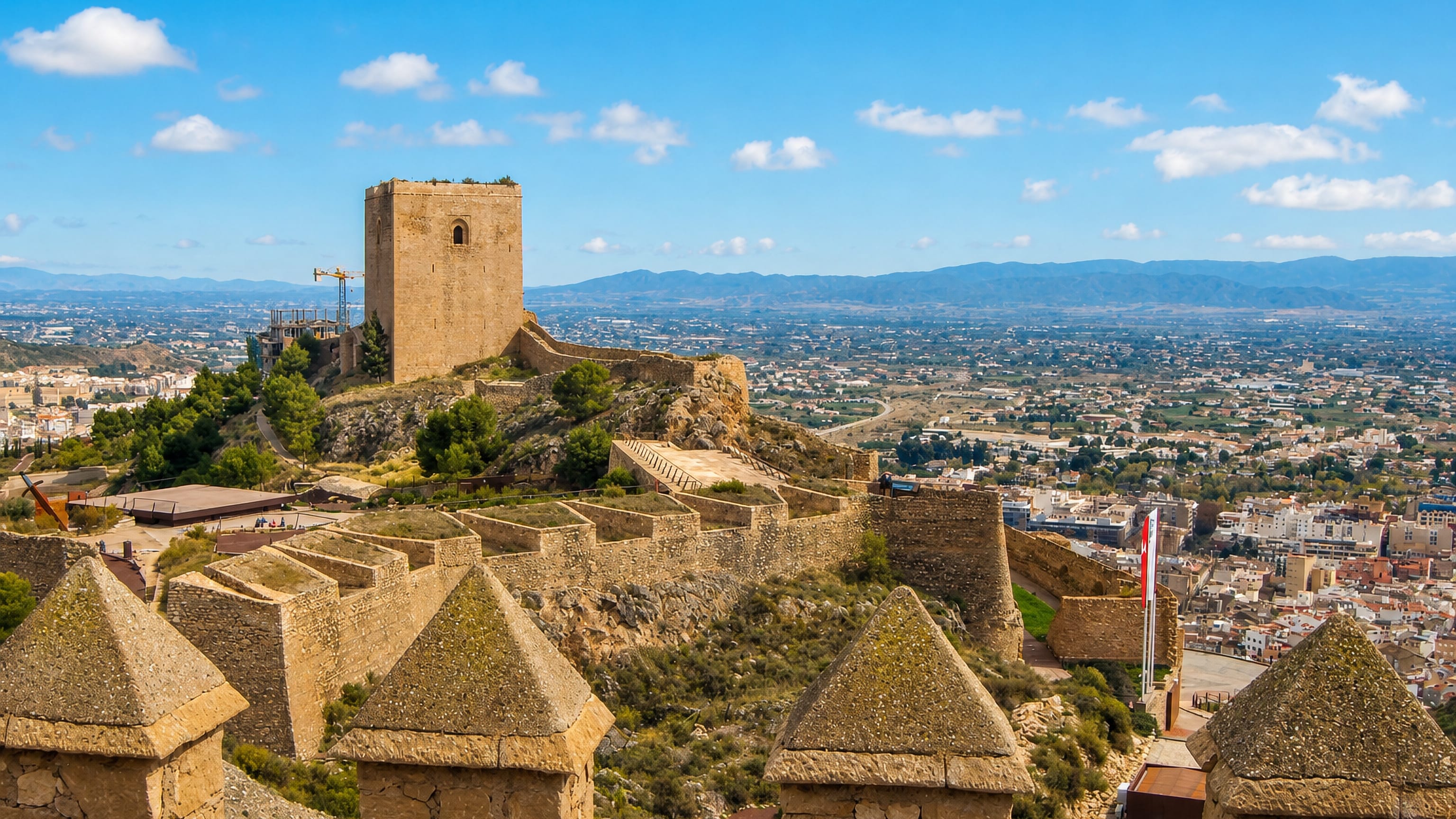
Lorca is an inland baroque city of the Región de Murcia, held under its castle, with embroidery museums for two Holy Week brotherhoods.
Hotel links are affiliate links: booking through them may earn us a commission, at no extra cost to you. It never affects how places are ranked. How this works


Where to stay in Lorca
The practical side of choosing where to sleep.
The choice starts with the castle hill. Rooms under the Castle of Lorca put the climb at the door and the Colegiata de San Patricio de Lorca a few streets below, which is the shortest way to see both the fortress and the baroque town in one morning. The slope is steep.
Take it if you want the walls above the window. The Church of San Diego and Palacio de Guevara sit on the flatter ground where the slope eases. Down in the streets the museums decide it.
Beds near muBBla, the Museo de Bordados del Paso Encarnado and the Museo Azul de la Semana Santa suit a visit built around Holy Week rather than around the castle, and the Iglesia de San Francisco and the Church of Saint James fall on the same short circuit. Palacio Huerto Ruano is on that walk. Further out the municipality turns to farmland and sixteen hundred square kilometres of it, so a room beyond the town means driving back in for the Archaeological Museum of Lorca and everything around it.
Check the distance before booking out there.
Find hotels in Lorca
Direct booking searches for these neighbourhoods.
Below the Castle of Lorca
The walls stand directly above, with the Colegiata de San Patricio de Lorca a few streets down the slopeFind hotels in Below the Castle of LorcaHoly Week visits centred on muBBla and the Paso Encarnado collectionThe embroidery museum streets
The Museo Azul de la Semana Santa, the Iglesia de San Francisco and Palacio Huerto Ruano share one short circuitFind hotels in The embroidery museum streetsDrivers happy to trade the baroque centre for open farmlandOut in the municipality
Sixteen hundred square kilometres of country lie beyond the Castle of Lorca and its townFind hotels in Out in the municipalityHotel links are affiliate links: booking through them may earn us a commission, at no extra cost to you. It never affects how places are ranked. How this works
Things to do in Lorca
Ranked by global recognition; descriptions from Wikidata (CC0).
Museums & Galleries
3- Archaeological Museum of Lorca
- CiuFRONT Museo Medieval de Lorca
- MASS. Museo Azul de la Semana Santa
Churches & Religious Sites
3- Colegiata de San Patricio de Lorca Heritage
- Iglesia de San Francisco Heritage
- Church of Saint James
Castles & Historic Sites
4- Castle of Lorca Heritage
- Palacio de Guevara Heritage
- Palacio Huerto Ruano Heritage
- Edificio de la Comunidad de Regantes (Sindicato de Riegos) Heritage
worth knowingacross 3 categories in Lorca
About Lorca
Holy Week runs the calendar.
What is Lorca known for?
Two brotherhoods keep their own museums of processional embroidery, muBBla for the Paso Blanco and the Museo de Bordados del Paso Encarnado for the other, and the Museo Azul de la Semana Santa sets the season out for anyone arriving outside it. The Castle of Lorca stands over all of it. The Colegiata de San Patricio de Lorca carries the baroque weight downhill, and the Lorca Rock Festival takes the same streets once a year.
What are the main landmarks in Lorca?
A fortress holds the ridge. The Castle of Lorca keeps the high ground, and below it the Colegiata de San Patricio de Lorca, the Church of Saint James, the Iglesia de San Francisco and the Church of San Diego mark out a town that spent its money on stone facades. Palacio de Guevara is one of two palaces.
Palacio Huerto Ruano is the other, and the Archaeological Museum of Lorca and the CiuFRONT Museo Medieval de Lorca hold the older record between them.
What is the history of Lorca?
The castle came before the town's fortunes. Lorca grew under the Castle of Lorca on its ridge, and the CiuFRONT Museo Medieval de Lorca now sets out the medieval city that lived below the walls, while the Archaeological Museum of Lorca reaches back past it. Stone accumulated slowly.
Renaissance and baroque work followed, giving the Colegiata de San Patricio de Lorca, the Church of Saint James, the Iglesia de San Francisco and the Church of San Diego to a single inland town. Money took a house. Palacio de Guevara and Palacio Huerto Ruano put family names on facades, in the manner of a town whose wealth came off the land rather than out of a harbour.
Water made that land work. The Edificio de la Comunidad de Regantes, the seat of the Sindicato de Riegos, exists because the irrigation of a municipality this large had to be governed, and that building is as much a monument as any church here. Then there is Holy Week.
Two brotherhoods, the Paso Blanco and the Paso Encarnado, built separate collections of processional embroidery, and muBBla and the Museo de Bordados del Paso Encarnado exist to keep the work of each. The Museo Azul de la Semana Santa explains the whole season. Nicolás Salzillo gave his name to a museum of embroidery and sculpture, and the Museo del Belén at the Ermita de San Roque keeps the nativity figures that belong to the same craft.
Where is Lorca?
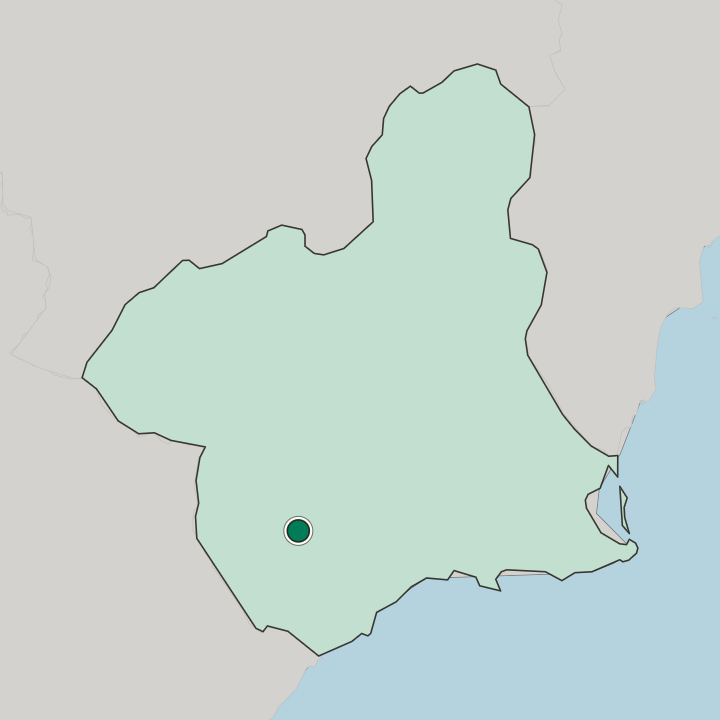
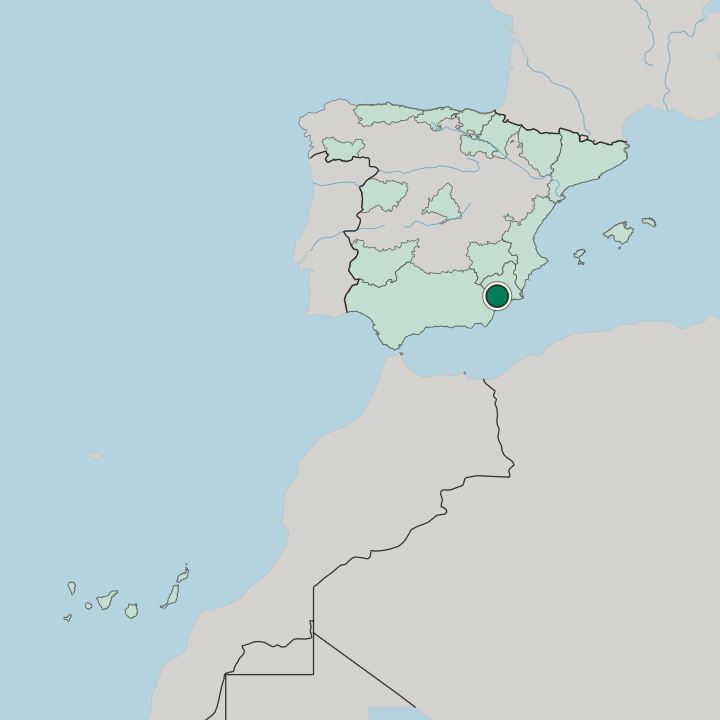
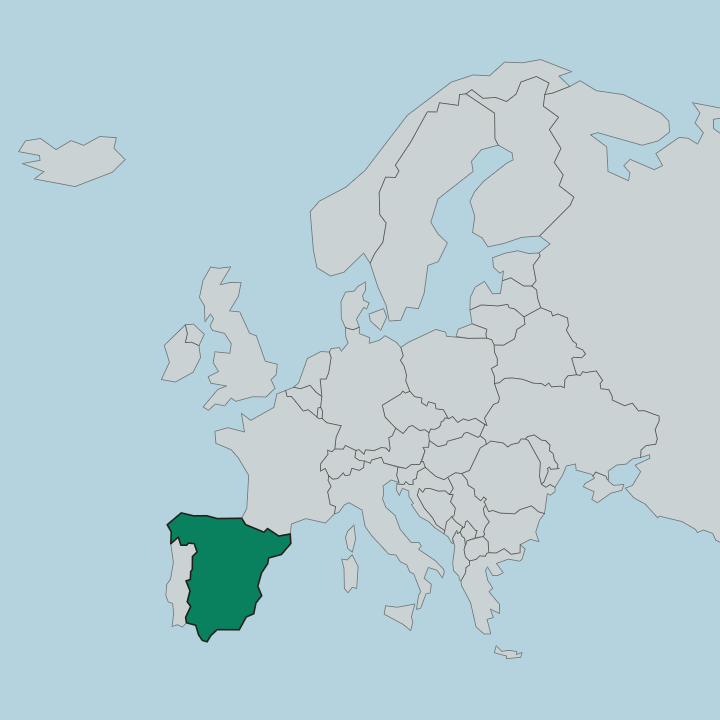
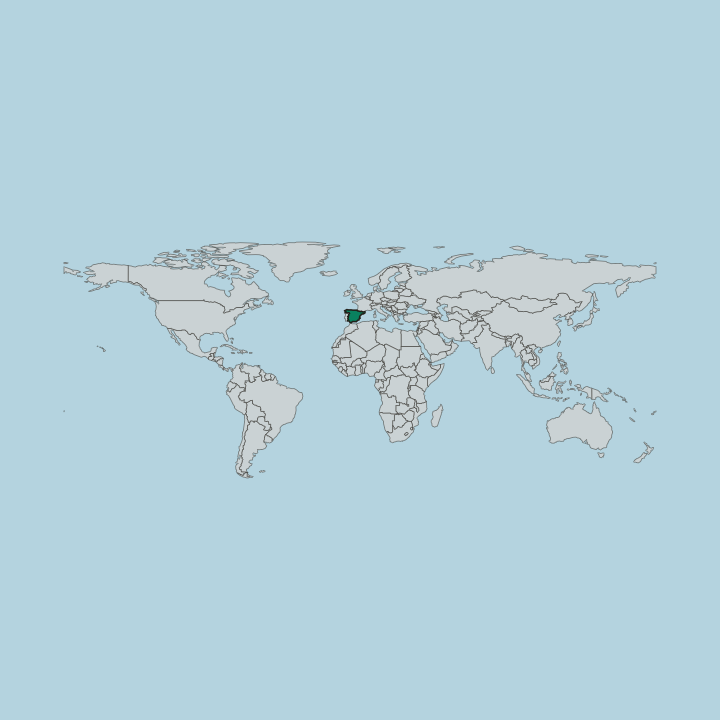
Lorca is placed inland. The municipality spreads over more than sixteen hundred square kilometres, the second largest surface area of any in Spain after Cáceres, so most of the name belongs to open country rather than to streets. The castle ridge marks the centre.
From there the built town falls away below the Castle of Lorca, and the city of Murcia lies fifty-eight kilometres off across the interior.
What is the climate of Lorca?
Irrigation is the tell. A municipality that needed a Sindicato de Riegos to govern its water is a dry one, and the inland position keeps the sea from softening either the summer heat or the cold of a winter night. Shade is worth having.
The Castle of Lorca stands in full sun for most of the year.
How do you get to Lorca?
The road from Murcia does the work. Fifty-eight kilometres of interior separate Lorca from the city of Murcia, and the drive crosses farmland that belongs to the same municipality long before the Castle of Lorca comes into view. The castle is the marker.
Anyone arriving sees it first and finds the Colegiata de San Patricio de Lorca after.
Common questions
What is the best area to stay in Lorca?
Below the Castle of Lorca: Guests who want the fortress climb starting at the door. The embroidery museum streets: Holy Week visits centred on muBBla and the Paso Encarnado collection. Out in the municipality: Drivers happy to trade the baroque centre for open farmland.
Good for
More cities in Región de Murcia
Updated October 2026