Spain · Región de Murcia
Where to Stay in Murcia, Región de Murcia
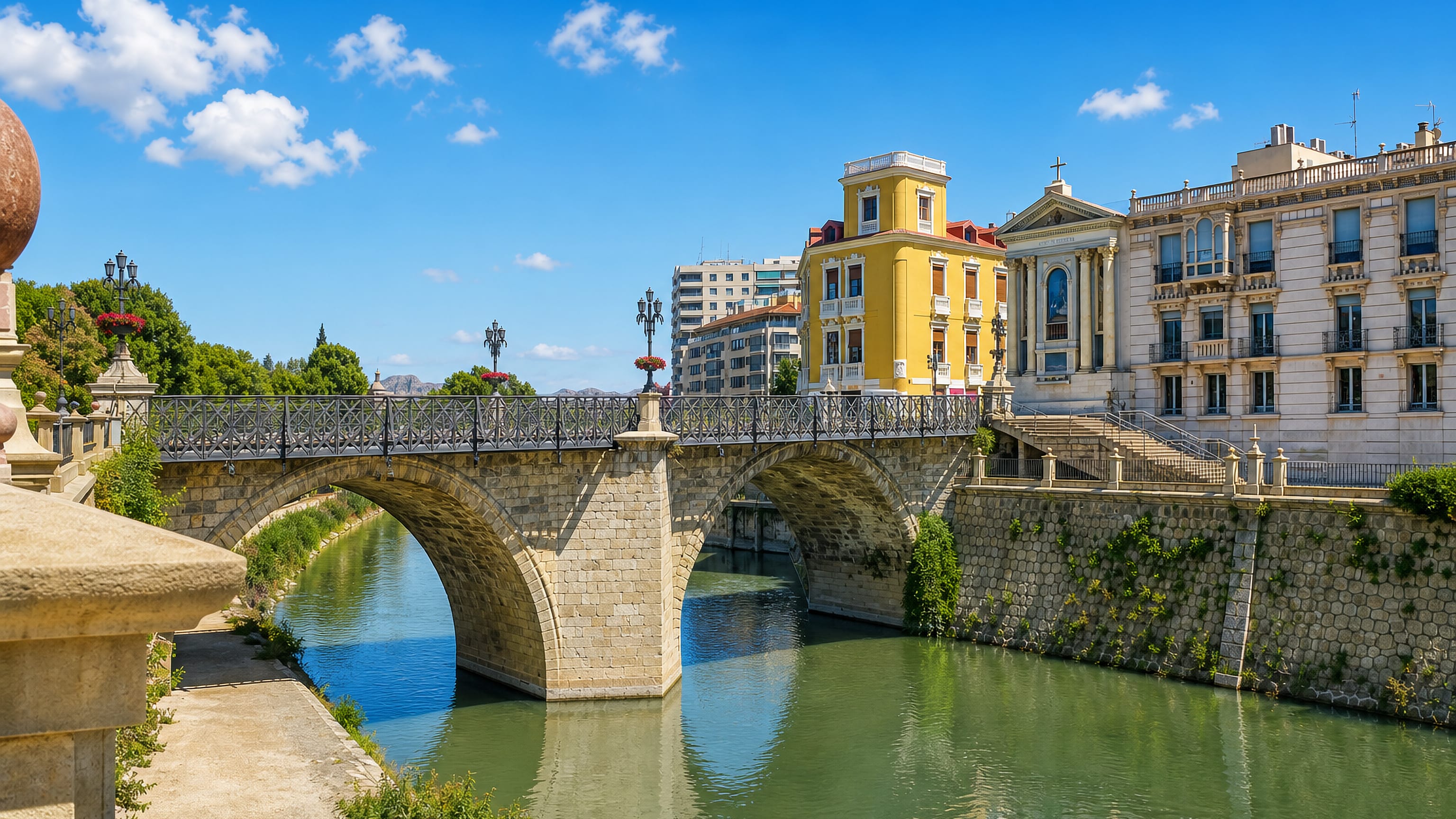
Murcia is the capital of the Región de Murcia, a cathedral city on the Segura River, with an Al-Andalusian palace at San Esteban.
Hotel links are affiliate links: booking through them may earn us a commission, at no extra cost to you. It never affects how places are ranked. How this works


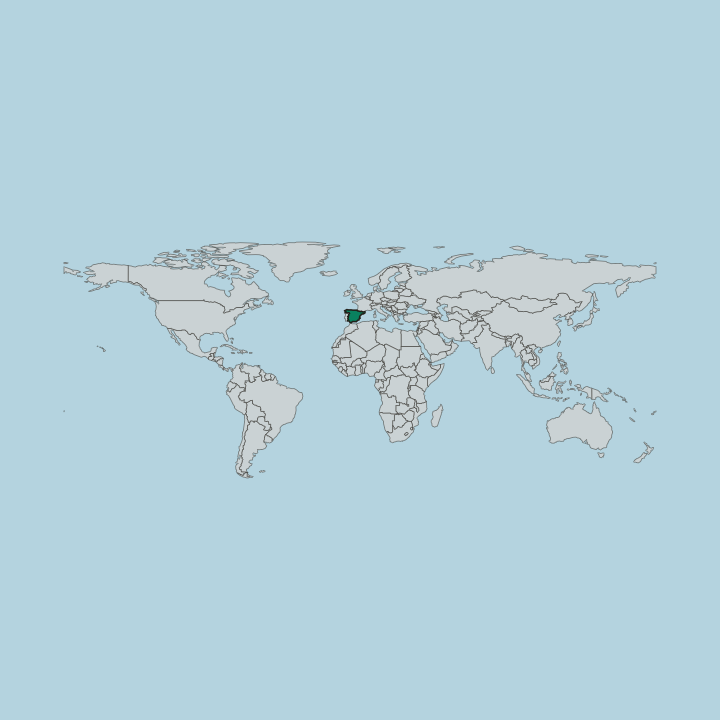
Where to stay in Murcia
Where visitors usually base themselves, and why.
The cathedral square is the obvious base. Rooms in the streets around Murcia's Cathedral put the Museo de la Catedral de Murcia, the Church of Santa Eulalia and the Iglesia de San Bartolomé inside a few minutes on foot, and the tangle of lanes between them is where the city keeps its evenings. Noise comes with that.
Take it if you want the old parishes at the door. The Museo Salzillo sits a little further out. Casa Díaz Cassou and the Iglesia de San Lorenzo are on the same short walk.
San Esteban offers a quieter address. The Palacio de San Esteban and the excavated Al-Andalusian palatial complex beneath the same neighbourhood give that side a different weight, and the Monasterio de Santa Clara la Real stands within reach of it. Beds there face museums rather than bars.
Along the Segura River the Paseo del Malecón gives a walk instead of a view, and rooms on that edge trade the cathedral bells for the embankment and the plain beyond, which suits anyone driving in and out. The Arco de Santo Domingo is the marker between the two.
Find hotels in Murcia
Direct booking searches for these neighbourhoods.
Around Murcia's Cathedral
The Museo de la Catedral de Murcia, the Church of Santa Eulalia and the Iglesia de San Bartolomé are minutes away on footFind hotels in Around Murcia's CathedralQuieter nights beside the excavated Al-Andalusian palaceSan Esteban
The Palacio de San Esteban and the Monasterio de Santa Clara la Real anchor this side of the centreFind hotels in San EstebanDrivers who want the embankment walk and the plain at the doorAlong the Paseo del Malecón
The Segura River runs below the Paseo del Malecón at the edge of the old streetsFind hotels in Along the Paseo del MalecónHotel links are affiliate links: booking through them may earn us a commission, at no extra cost to you. It never affects how places are ranked. How this works
Things to do in Murcia
Ranked by global recognition; descriptions from Wikidata (CC0).
Museums & Galleries
3- Museo Salzillo Heritage
- Archaeological Museum of Murcia Heritage
- Museo de Bellas Artes de Murcia Heritage
Churches & Religious Sites
8- Murcia's Cathedral Heritage
- Monasterio de Santa Clara la Real Heritage
- Vélez chapel Heritage
- Church of San Juan de Dios, Murcia Heritage
- Arco de Santo Domingo Heritage
Show 3 more →
- Church of San Juan Bautista, Murcia Heritage
- Church of Santa Eulalia, Murcia Heritage
- Iglesia de San Bartolomé Heritage
Castles & Historic Sites
7- Al-Andalusian palatial complex and neighborhood of San Esteban Heritage
- Palacio de San Esteban Heritage
- Paseo del Malecón Heritage
- Convento de las Agustinas del Corpus Christi Heritage
- Casa Díaz Cassou Heritage
Show 2 more →
- Hospicio de Santa Florentina Heritage
- Palacio Vinader Heritage
worth knowingacross 3 categories in Murcia
About Murcia
The cathedral does the announcing.
What is Murcia known for?
Murcia's Cathedral carries the Vélez chapel on its flank and the Museo de la Catedral de Murcia within, and around it the Iglesia de San Bartolomé, the Church of Santa Eulalia and Saint Nicholas Church keep the older parishes going. Salzillo has his own museum. The Museo Salzillo, the Museo de Bellas Artes de Murcia and the Archaeological Museum of Murcia divide the collections between them, with the Museo de la Ciudad de Murcia telling the city's own story.
What are the main landmarks in Murcia?
Nine churches share the old streets. The Church of San Juan de Dios, the Iglesia de Jesús, the Iglesia de San Lorenzo, the Church of San Juan Bautista and the Church of Santiago stand among them, with the Monasterio de Santa Clara la Real and the Convento de las Agustinas del Corpus Christi holding their enclosures behind walls. The Arco de Santo Domingo marks a corner.
Palacio de San Esteban, Palacio Vinader, Casa Díaz Cassou and the Hospicio de Santa Florentina carry the civil architecture, and the Paseo del Malecón runs along the embankment at the edge of it all.
What is the history of Murcia?
The ground under San Esteban is the oldest chapter. An Al-Andalusian palatial complex and its neighbourhood were found there, and the Palacio de San Esteban now stands over the same block, so the Islamic city and the administrative one occupy one address. The Segura River explains why.
Settlement gathered on the river, the Archaeological Museum of Murcia keeps what came out of the ground around it, and the Monasterio de Santa Clara la Real holds another layer behind its own walls. Then the cathedral took over. Murcia's Cathedral rose as the centrepiece of a Christian city, the Vélez chapel was added to its flank, and the Museo de la Catedral de Murcia now keeps what the building accumulated across those centuries.
Parishes multiplied around it. The Church of Santa Eulalia, the Iglesia de San Bartolomé, Saint Nicholas Church, the Church of Santiago and the Iglesia de San Lorenzo each took a quarter of the town, and the Convento de las Agustinas del Corpus Christi and the Hospicio de Santa Florentina added the charitable and enclosed institutions that a city of that size required. Salzillo changed the look of it.
The Museo Salzillo gathers the sculptor's work, the Casa-Museo del Belén keeps the nativity figures that came out of the same workshop tradition, and the Iglesia de Jesús keeps its own place in that account. Civil building followed the money. Palacio Vinader and Casa Díaz Cassou put private fronts on the streets, the Arco de Santo Domingo survives from an older arrangement, and the Paseo del Malecón gave the city a walk along the Segura River.
The Museo de la Ciudad de Murcia assembles the whole account.
Where is Murcia?
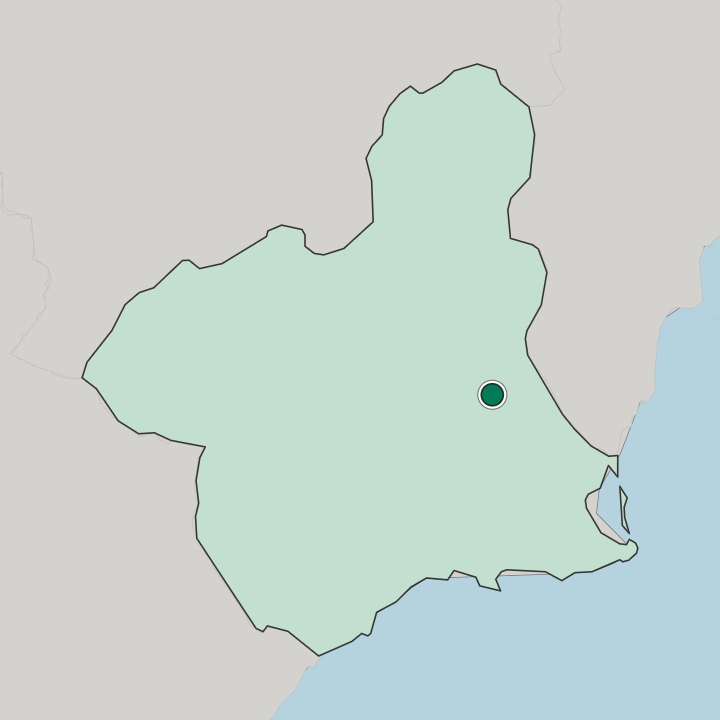
The Segura River runs through it. Murcia sits on the river in a broad plain of the Región de Murcia, and the flat ground let the city spread rather than climb, which is why Murcia's Cathedral shows above the roofs from well outside the centre. The Paseo del Malecón follows the water.
Beyond the embankment the plain carries on toward the rest of the region.
What is the climate of Murcia?
Summers here are hot. Winters stay mild and the rain that falls is little enough that the Segura River, not the sky, has always been the reliable water, which is a fact the whole plain is organised around. Shade beats sunshine.
The Paseo del Malecón is a better walk in the evening than at noon.
How do you get to Murcia?
Everything in the region points here. Murcia holds the capital's job for the Región de Murcia, so the roads of the plain converge on the city rather than skirt it, and arrivals end up somewhere near the Segura River whichever way they come. The cathedral tower orients the rest.
Murcia's Cathedral shows the way in and the old streets sort themselves out around it.
Common questions
What is the best area to stay in Murcia?
Around Murcia's Cathedral: First visits wanting the cathedral bells and the old parishes at the door. San Esteban: Quieter nights beside the excavated Al-Andalusian palace. Along the Paseo del Malecón: Drivers who want the embankment walk and the plain at the door.
Good for
More cities in Región de Murcia
Updated October 2026