Ethiopia · Amhara Region
Where to Stay in Gonder, Amhara Region
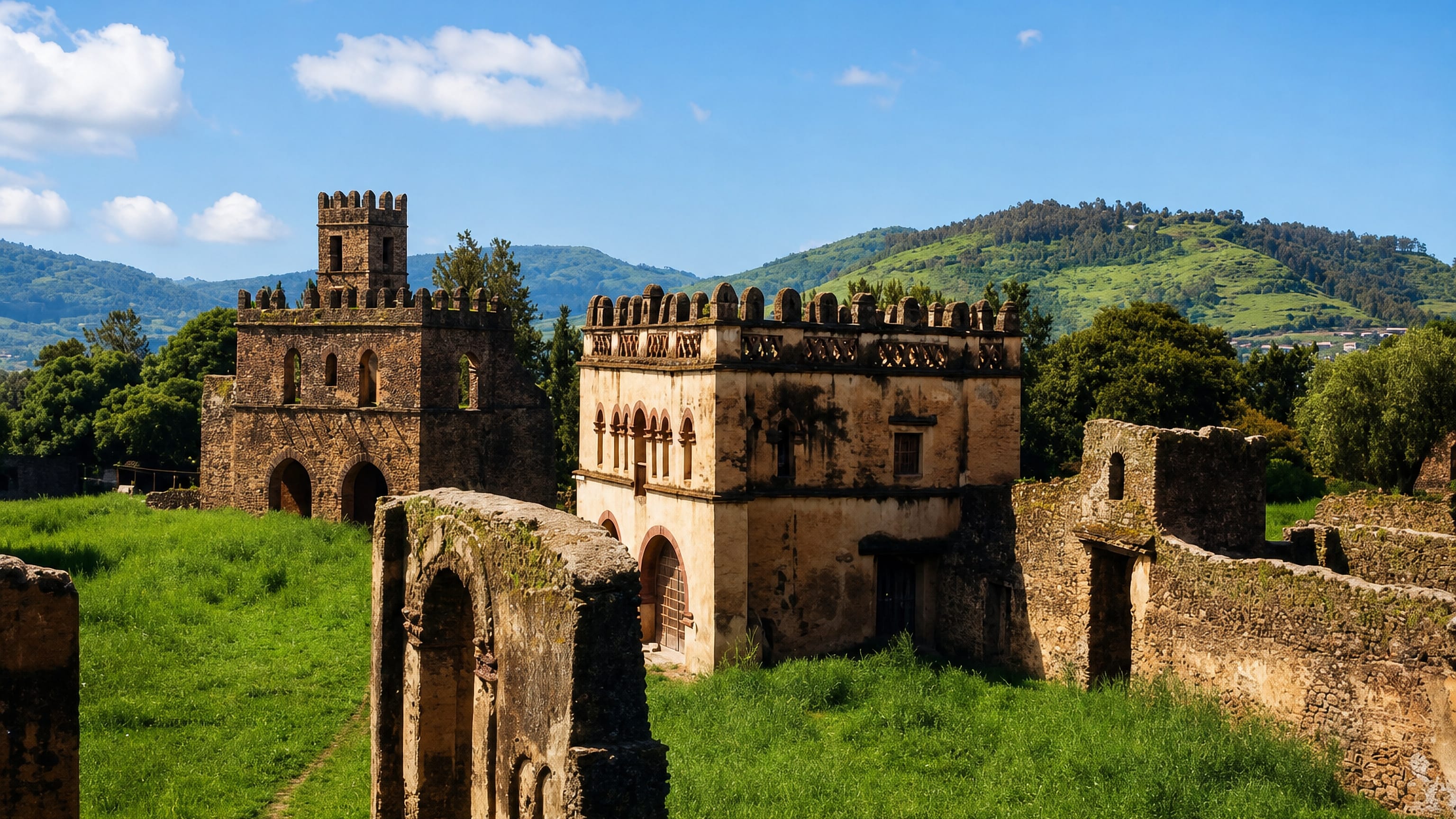
Gondar is a highland city of northern Ethiopia, the old imperial capital whose stone castles have earned it the name of the Camelot of Africa.
Hotel links are affiliate links: booking through them may earn us a commission, at no extra cost to you. It never affects how places are ranked. How this works


Where to stay in Gonder
Where visitors usually base themselves, and why.
Where you stay in Gondar turns on the old city or the newer town. The streets around Fasil Ghebbi keep the castles, the churches, and the markets within a walk, and staying by the walls suits anyone here for the royal city. The castles rise over the roofs.
Old walls edge the lanes. Out toward the Simien road and the ridges, the town gives way to farmland, churches, and mountain slopes. A room on the heights trades the old city for the painted church, the Fasilides bath, and the views to the Simien peaks.
Green ridges climb to the north. Stay by the walls for the castles, or on the heights for the views. The old city lies a short way down.
Find hotels in Gonder
Direct booking searches for these neighbourhoods.
The old royal city
Around the castle walls in townFind hotels in The old royal cityStays wanting the views and mountain tripsThe heights and Simien road
Out toward the ridges and SimienFind hotels in The heights and Simien roadHotel links are affiliate links: booking through them may earn us a commission, at no extra cost to you. It never affects how places are ranked. How this works
Things to do in Gonder
Ranked by global recognition; descriptions from Wikidata (CC0).
Churches & Religious Sites
3- Church of Debra Berhan Selassie
- Hamara Noh
- Qǝddus Yoḥannǝs
Castles & Historic Sites
2- Fasil Ghebbi UNESCO
- Ras gimb
worth knowingacross 2 categories in Gonder
About Gonder
Gondar is the city of the Ethiopian castles.
What is Gonder known for?
High in the Amhara mountains north of Lake Tana, it was for two centuries the capital of the emperors, and it keeps the walled royal city of Fasil Ghebbi with its stone castles, the bathing pool of Fasilides where the faithful gather at Epiphany, a church roofed with painted angels at Debre Berhan Selassie, and the road to the Simien peaks nearby. The highland air runs cool and thin. Green mountains ring the town.
What are the main landmarks in Gonder?
Fasil Ghebbi is the wonder of Gondar. The walled royal city with its cluster of stone castles and palaces, raised by the emperors on the ridge, rises over the town, the emblem of the city, above the highland. A painted church stands nearby.
The church of Debre Berhan Selassie shows its ceiling of winged angel faces, while the bath of Fasilides, the ruined palaces, and the old churches mark the streets of Gondar.
What is the history of Gonder?
Gondar was the seat of the Ethiopian emperors. The emperor Fasilides fixed his capital here in the seventeenth century, ending the age when the court had wandered from camp to camp, and he raised a walled city of stone castles on the ridge. Emperors built for lifetimes.
Each ruler who followed added palaces, churches, and halls within the walls, and Gondar grew into the splendid capital of the realm. War and time worked at the city. When the emperors' power waned and later wars swept through, the royal city was battered and part of it fell to ruin, though its great castles still stood.
The court passed away in the end. Ethiopia's capital moved south in the modern age, and Gondar sank to a highland town, but it kept its castles, its painted church, and its royal baths above Lake Tana. The old castles still hold the ridge.
Gondar keeps its castles and its churches in the Amhara highlands.
Where is Gonder?
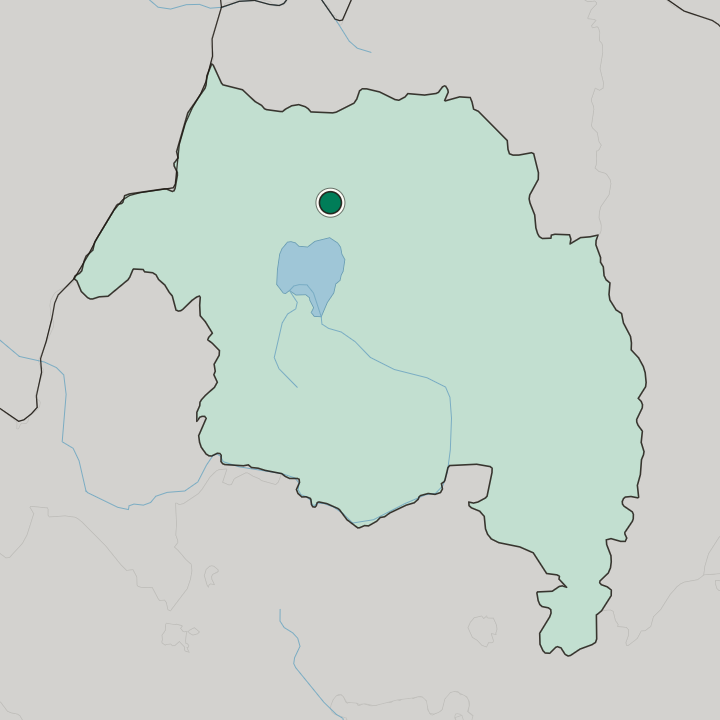
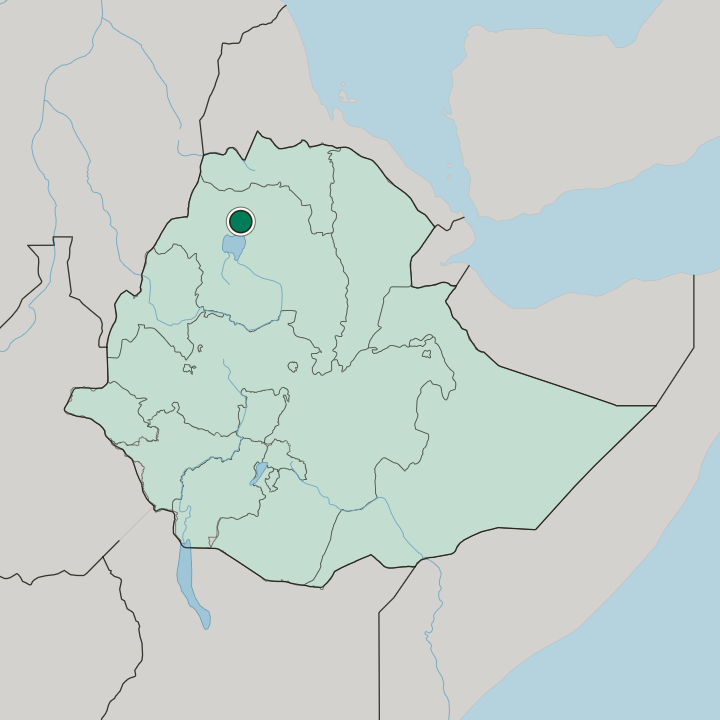
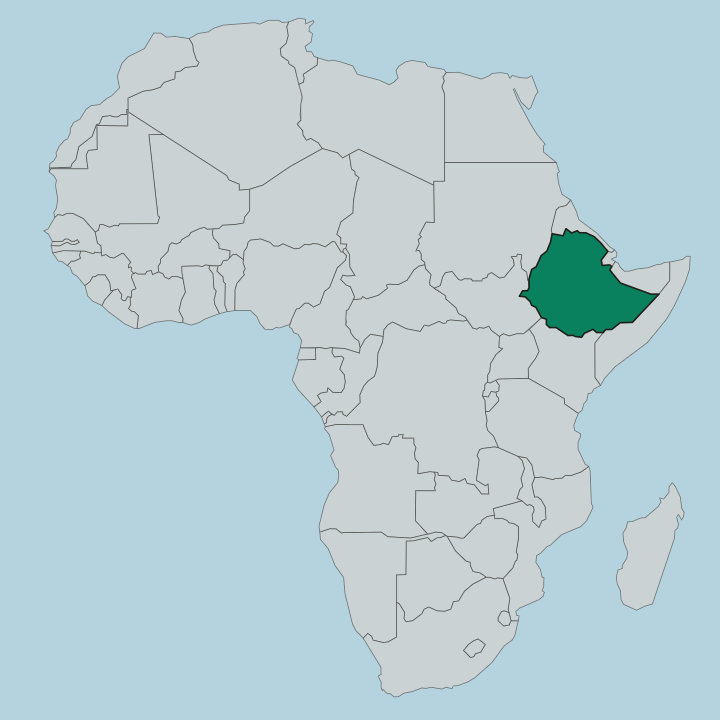
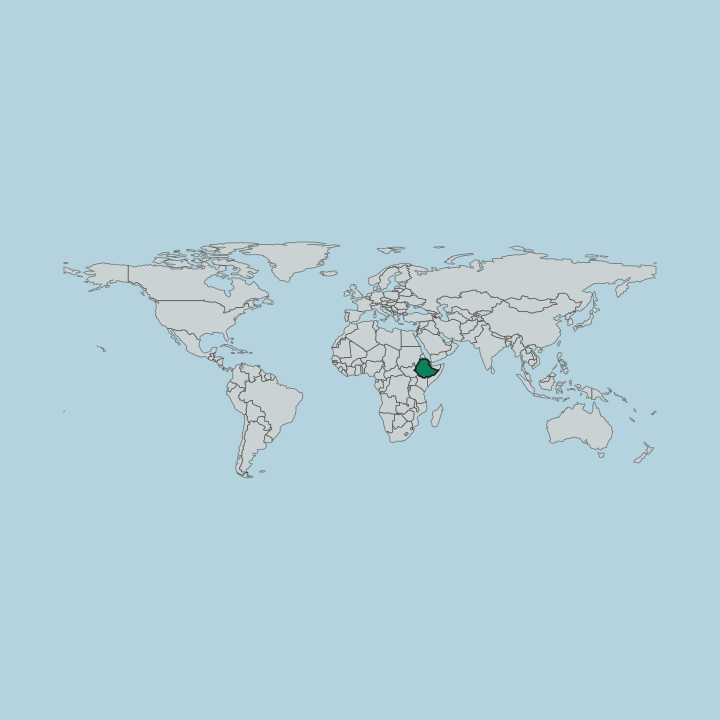
Gondar lies in the north of Ethiopia, in the highlands of Amhara above Lake Tana. The city stands on a ridge of the high plateau where streams cut down toward the great lake, with the jagged Simien Mountains rising to the north and the source-lake of the Blue Nile below to the south. The plateau rolls high and green.
Mountains wall the northern sky.
What is the climate of Gonder?
Gondar has a mild highland climate. Warm days and cool nights hold all year at this height, tempered by the altitude, with a long dry season and heavy summer rains that green the hills. The rains sweep the highland in summer.
Nights stay cool the year round.
How do you get to Gonder?
Gondar lies in the Amhara highlands, north of Lake Tana in northern Ethiopia. Roads climb to it over the plateau from Bahir Dar and the lake, and an airport links it to the capital. Lanes run out to the castles.
Bahir Dar lies south by the lake.
Common questions
What is the best area to stay in Gonder?
The old royal city: Visitors here for Fasil Ghebbi and the churches. The heights and Simien road: Stays wanting the views and mountain trips.
Good for
Another city in Amhara Region
Updated September 2026