Finland · Paijat-Hame Region
Where to Stay in Iitti, Paijat-Hame Region
Iitti is a rural lakeside parish in Paijat-Hame Region, southern Finland, set among ancient rock paintings.
Find your area →


Where to stay in Iitti
Where you base yourself shapes the visit — here's the character of each area.
Iitti keeps a small stock of beds for a rural parish of Paijat-Hame Region, the kind of place where a guesthouse, a farm room, or a lakeside cottage is the usual choice. The heritage village of Iitin kirkonkylä suits first visitors, close to the Iitin kirkko, its wooden belfry the Iitin kirkon tapuli, and the old wooden houses of the church centre. It makes the obvious starting point.
Out across the lakes and forests of this corner of southern Finland, cottages and cabins stand among the trees near the painted cliffs, including the Karhusaaren kalliomaalaus, a fine base for paddling, fishing, and tracing the Stone Age shores by boat. Rooms grow scarce away from the village. Visitors drawn to the prehistoric art often stay near the Kymenkäänteen kalliomaalaus and the Mertakallion kalliomaalaukset, while many travellers instead sleep in the larger towns of the region and drive in to Iitti for the day.
Book ahead in summer, when the lakeside cottages of Paijat-Hame Region fill and the few rooms in the village go early.
About Iitti
What is Iitti known for?
Iitti is known as a rural lakeside parish of Paijat-Hame Region in southern Finland, famous for the prehistoric rock paintings on its lake cliffs. Stone Age painters left their mark here. Red ochre figures at the Karhusaaren kalliomaalaus and the Kymenkäänteen kalliomaalaus survive on the shores, among the oldest works of human hand in the country.
An old parish gathers around its church. The Iitin kirkko and its wooden belfry, the Iitin kirkon tapuli, stand at the heart of the heritage village of Iitin kirkonkylä.
What are the main landmarks in Iitti?
The painted cliffs are Iitti's oldest landmarks, Stone Age rock paintings set on the lake shores of Paijat-Hame Region. Red ochre figures cross the granite at the Karhusaaren kalliomaalaus and the Kymenkäänteen kalliomaalaus, with the Mertakallion kalliomaalaukset among the cliffs too. An old parish keeps its centre.
The Iitin kirkko stands in the heritage village of Iitin kirkonkylä, its separate wooden belfry, the Iitin kirkon tapuli, rising beside it above the southern Finnish lakeland.
What is the history of Iitti?
Iitti's history reaches back to the Stone Age. Long before any parish, hunters and fishers lived along the lakes of this corner of southern Finland and painted figures in red ochre on the cliffs, leaving the Karhusaaren kalliomaalaus, the Kymenkäänteen kalliomaalaus, and the Mertakallion kalliomaalaukset on the rocks. Settlement followed the water.
A farming and fishing parish grew on the shores, its heart at the village now kept as the heritage centre of Iitin kirkonkylä. A church anchored the later parish. The Iitin kirkko rose at the centre of the village, its wooden belfry the Iitin kirkon tapuli standing beside it, the focus of a scattered country of farms and lakes.
Town rights came when Iitti was chartered in 1865, gathering the lakeside villages of the parish under one administration. Through the centuries the parish has held to its rural character, a quiet lakeland corner of Paijat-Hame Region where the prehistoric cliffs and the old church village mark the long human story of the place.
Where is Iitti?
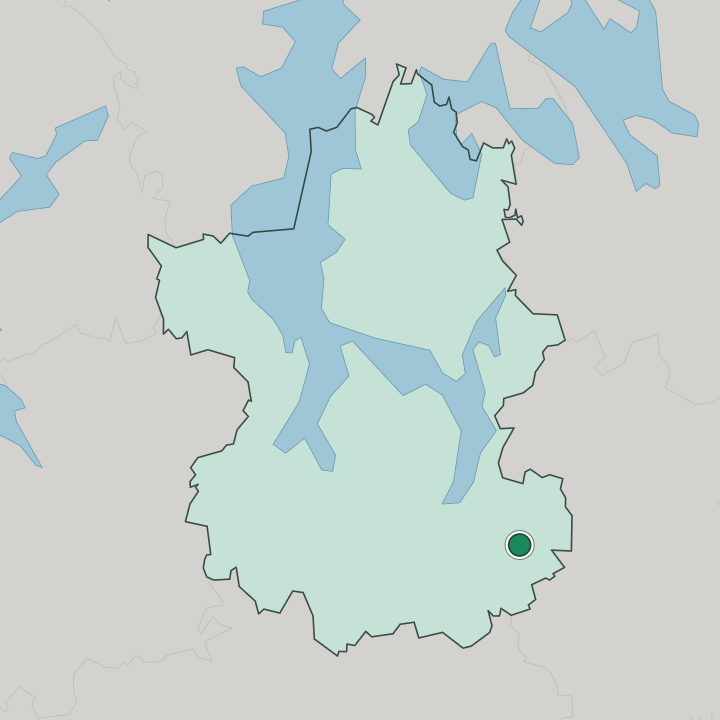
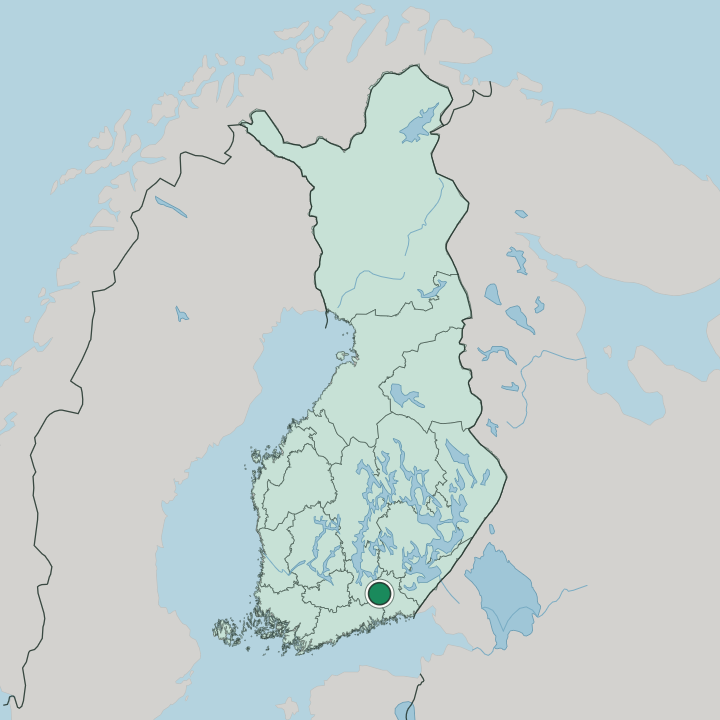
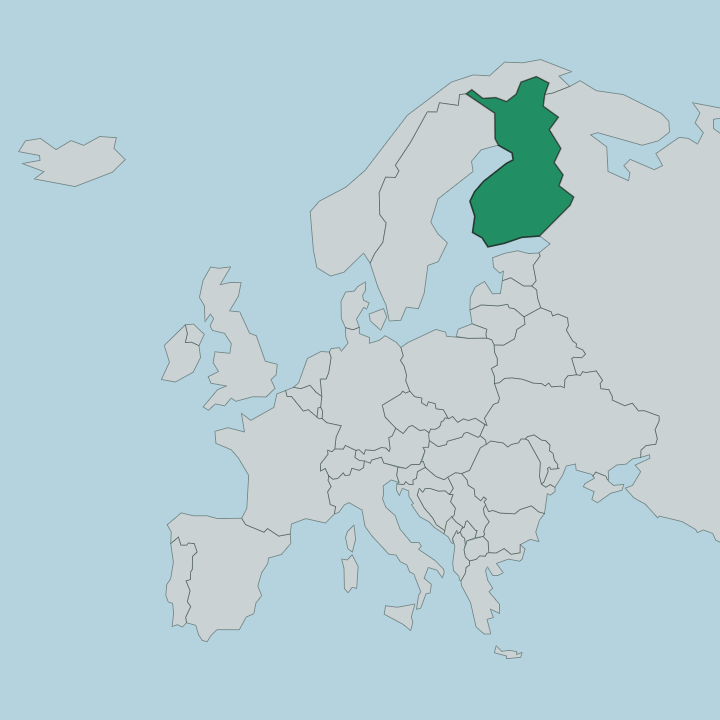
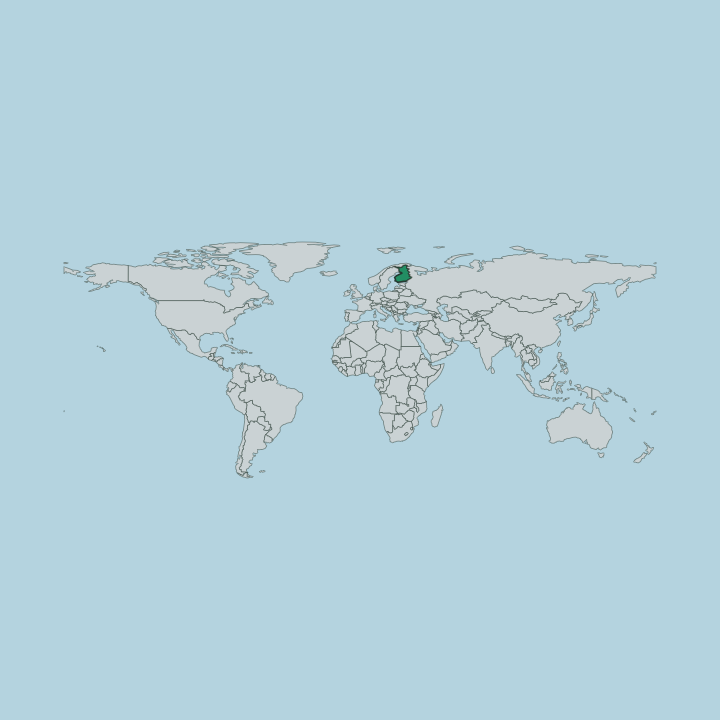
Iitti lies in the lake country of Paijat-Hame Region, in southern Finland, a broad rural municipality of water, forest, and farm. Lakes and granite cliffs fill the parish, the church village gathered on higher ground while shores and islands spread out around it. The water orders the settlement.
The heritage centre of Iitin kirkonkylä sits among the farms, the painted cliffs of the Karhusaaren kalliomaalaus rise from the lake shores, and pinewood and water stretch out toward the neighbouring towns of southern Finland.
What is the climate of Iitti?
Iitti has a cool inland climate, among the milder of Finland thanks to its place in the south. Winters are long and snowy, frost lying over the lakes and the granite cliffs of Paijat-Hame Region from early in the season until the spring thaw. The summer months turn warm and bright.
The long northern daylight warms the lakes and the pinewoods around Iitti through the short growing season, the months when the cottages of this corner of southern Finland fill before the snow returns to the parish.
How do you get to Iitti?
Iitti sits on the main road and railway through Paijat-Hame Region, and access is straightforward. Trains and buses reach the parish from the larger towns of southern Finland, threading the lake country to the church village and the painted shores. The road runs through forest and water.
Coaches and cars link Iitti to the neighbouring towns of the region, bringing visitors to the heritage centre of Iitin kirkonkylä and the prehistoric cliffs by the lakes.
Good for
More cities in Paijat-Hame Region
Updated September 2026