Finland · Paijat-Hame Region
Where to Stay in Padasjoki, Paijat-Hame Region
Padasjoki is a lakeside municipality in Päijät-Häme, southern Finland, on the western shore of Lake Päijänne.
Find your area →


Where to stay in Padasjoki
The right area depends on your trip — here's what each neighbourhood is best for.
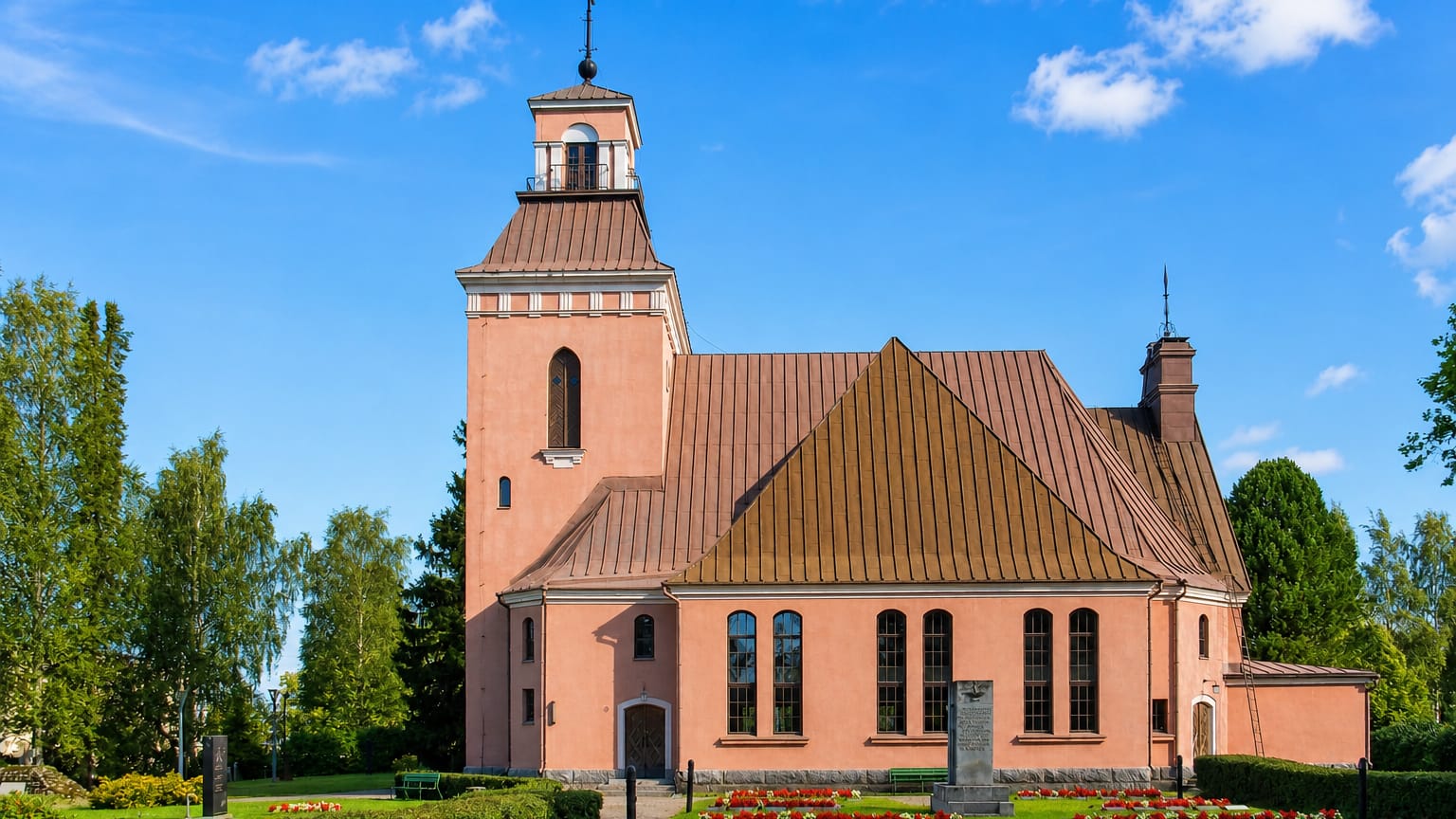
Padasjoki keeps a modest stock of beds for a lake parish of Päijät-Häme, the kind of place where a small guesthouse or a lakeside cottage is the usual room. The church village around the Padasjoen kirkko suits first stays, with the shops, the church and the local heritage of the Padasjoen kotiseutumuseo within an easy walk of the harbour on Lake Päijänne. It is the easiest place to start from.
Out across the forests and ridges of the broad municipality, cabins stand among the trees toward the old villages of Auttoinen and Vesijako and the trails of the Salpausselkä Geopark, a good base for touring the southern Finnish lakeland by car. Rooms grow scarce beyond the church village. Travellers drawn to the deeper past often stay near the manor of Saksalan kartano or the old ironworks of Vierun ruukki, while many visitors instead sleep in nearby Lahti and drive in for the day.
Reserve early for summer, when the cottages along Lake Päijänne book up and the handful of village rooms fill fast.
About Padasjoki
What is Padasjoki known for?
Padasjoki is known across Päijät-Häme as a quiet lake parish on the western shore of Lake Päijänne. The wooden Padasjoen kirkko anchors the church village, and the broad municipality runs back from the water through forest and the ridges of the Salpausselkä Geopark. Water and ridge shape it.
Old villages like Auttoinen and Vesijako keep the rural past, the manor of Saksalan kartano and the ironworks of Vierun ruukki recall earlier trades, and the local story is held in the Padasjoen kotiseutumuseo of this southern corner of Finland.
What are the main landmarks in Padasjoki?
The Padasjoen kirkko is the landmark that gathers the church village, the wooden parish church set back from the shore of Lake Päijänne in this Päijät-Häme municipality. Around it lies a scattered country of old villages and trades. The manor of Saksalan kartano keeps a noble estate, the ironworks of Vierun ruukki recall an older industry, and the heritage villages of Auttoinen and Vesijako preserve the rural past.
Ridges run through it all. The eskers of the Salpausselkä Geopark cross the municipality, and the local story is held in the Padasjoen kotiseutumuseo of southern Finland.
What is the history of Padasjoki?
Padasjoki's history is the slow settlement of a lakeshore parish. People gathered on the western shore of Lake Päijänne, clearing farms from the forest and raising the wooden Padasjoen kirkko at the centre of the village. The lake drew them in.
Scattered hamlets spread back along the ridges of what is now Päijät-Häme, among them the old villages of Auttoinen and Vesijako, whose timber houses still keep the look of the early parish. Later centuries brought manor and forge to the backwoods. The estate of Saksalan kartano held its own ground near the water, while the ironworks of Vierun ruukki worked the lake-and-bog ore of the southern forests.
Farming, fishing and forestry carried the parish through the years, its tools and rooms now gathered in the Padasjoen kotiseutumuseo. Padasjoki settled into its place as a lake parish of southern Finland, the great esker chain now marked as the Salpausselkä Geopark running across the land it grew on.
Where is Padasjoki?
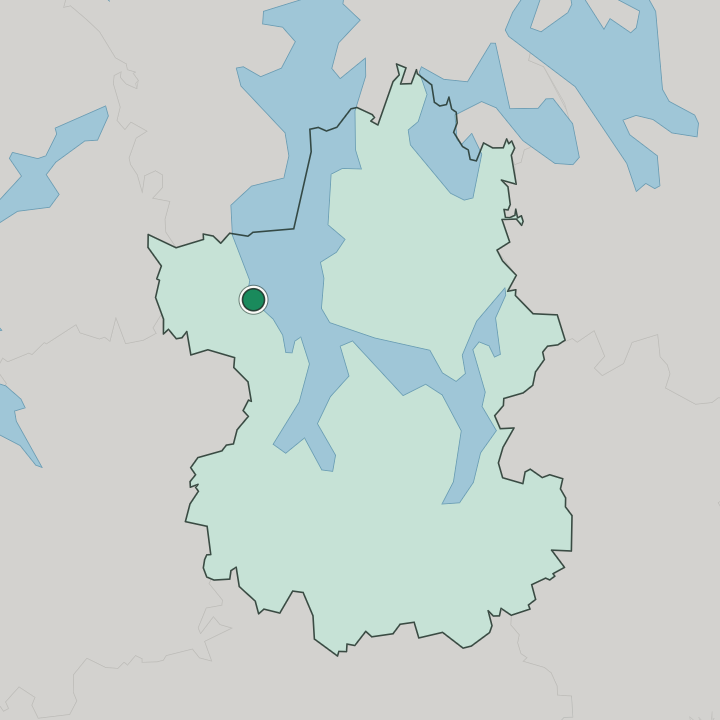
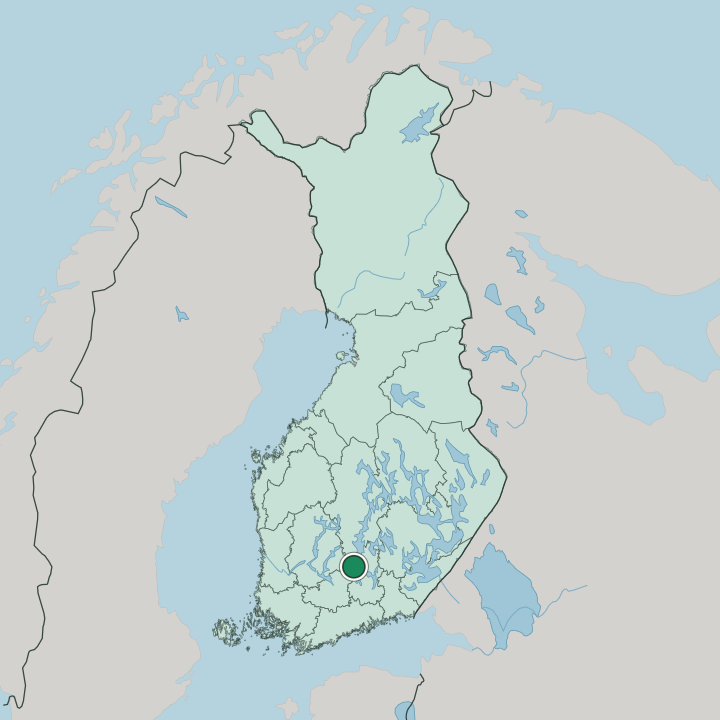
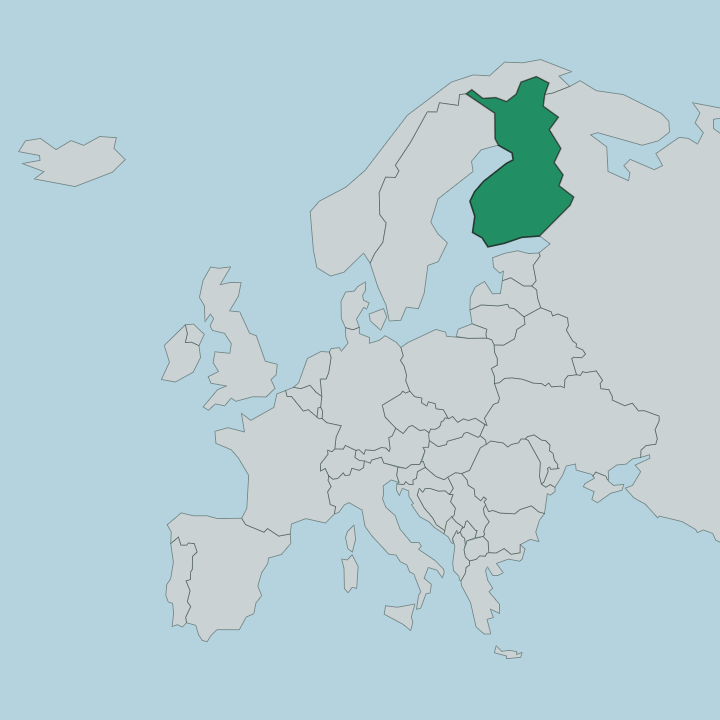
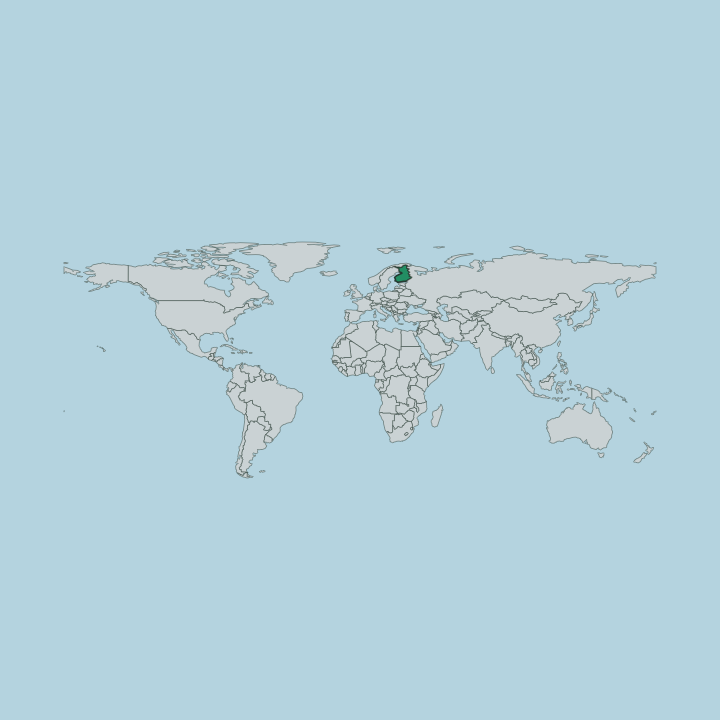
Padasjoki lies on the western shore of Lake Päijänne, in the lake-and-ridge country of Päijät-Häme, in southern Finland. The great lake fills the eastern edge while forest, bog and esker ridge spread back across the broad municipality, the church village gathered by the Padasjoen kirkko near the water. Ridges thread the land.
The eskers of the Salpausselkä Geopark run through the parish, and the old villages of Auttoinen and Vesijako lie scattered among the woods of this southern corner of Finland.
What is the climate of Padasjoki?
Padasjoki keeps the four seasons of the southern Finnish lakeland, its weather worked on by the great water of Lake Päijänne. The lake holds the heat. Winters run cold and snowy, frost gripping the bays and the forests of Päijät-Häme from early in the season, though the deep lake freezes later than the smaller waters around it.
The summers are warm, long and bright, when the northern daylight thaws the lake and the cottages along the shore around Padasjoki fill for the green weeks before the autumn turns this southern country cold again.
How do you get to Padasjoki?
Padasjoki is reached by road through Päijät-Häme, with no railway of its own. The main road runs in to the church village beside Lake Päijänne, close to the Padasjoen kirkko and the lake harbour. The car is the natural way in.
Regional buses link Padasjoki to Lahti to the south and on toward Heinola, and most visitors from farther off come through Lahti before the last stretch up the western shore of the lake into this southern corner of Finland.
Good for
More cities in Paijat-Hame Region
Updated September 2026