Finland · Paijat-Hame Region
Where to Stay in Lahti, Paijat-Hame Region
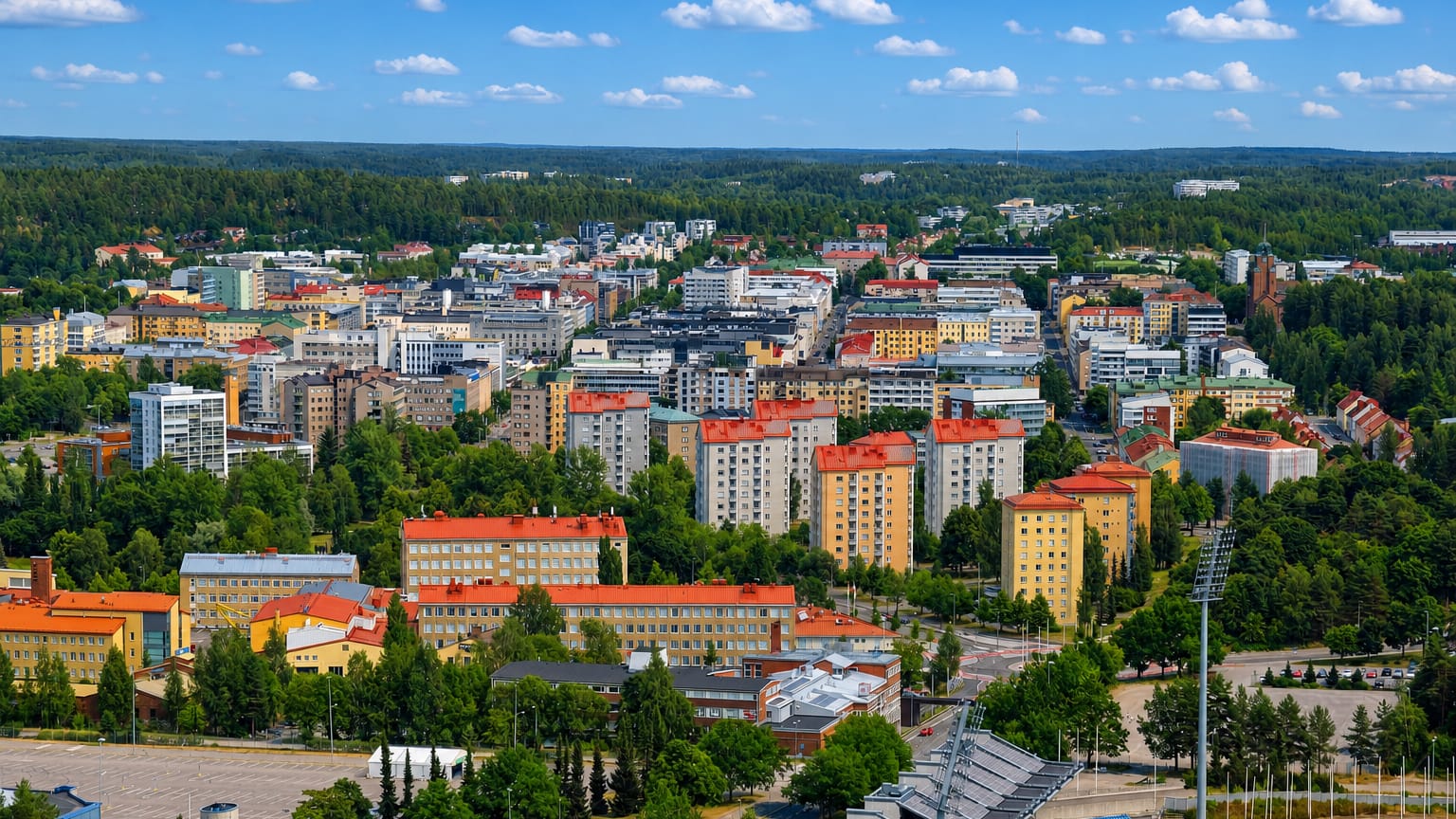
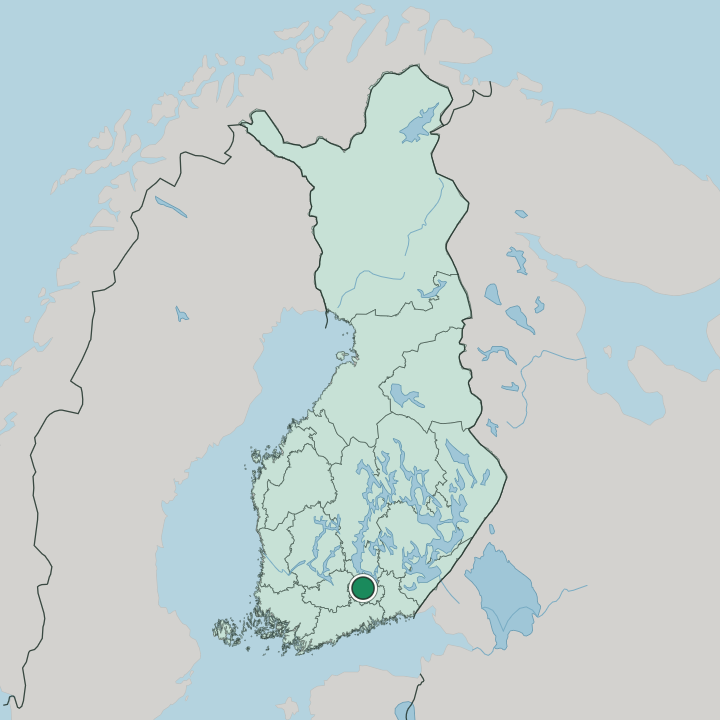
Lahti is the regional capital of Päijät-Häme in southern Finland, set on Lake Vesijärvi below the Salpausselkä esker.
Find your area →


Where to stay in Lahti
The right area depends on your trip — here's what each neighbourhood is best for.
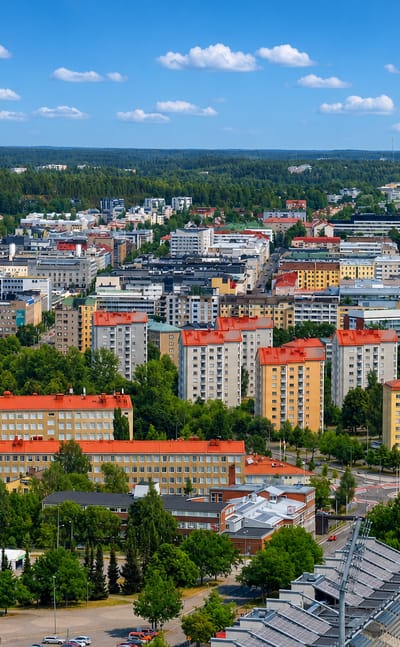
 LahtiFinland
Anttilanmäki
Anttilanmäki is a central district of Lahti, the Päijät-Häme regional capital in southern Finland.Where to stay →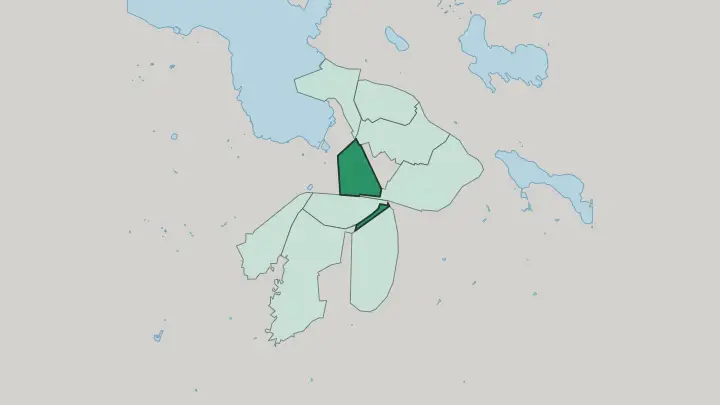 LahtiFinland
Asemantausta
Asemantausta is a western district of Lahti, set just behind the railway station in the Päijät-Häme regional capital.Where to stay →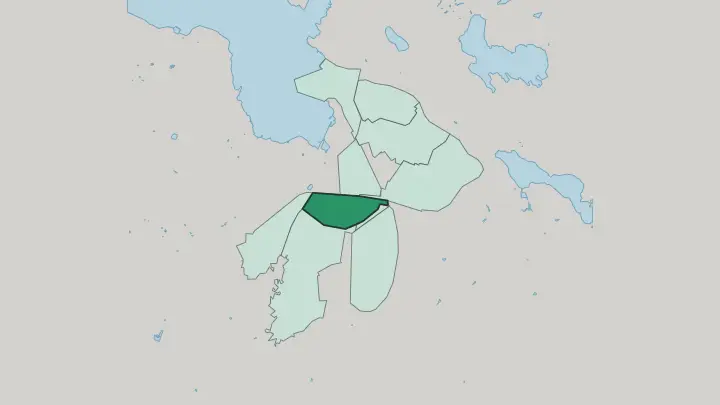 LahtiFinland
Hennala
Hennala is a former garrison district on the western side of Lahti, in southern Finland.Where to stay →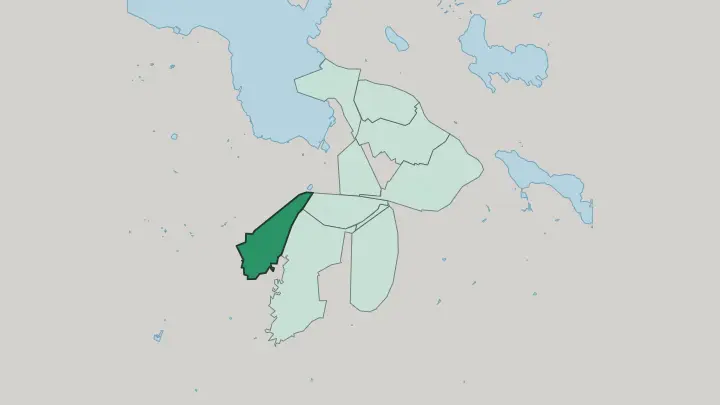 LahtiFinland
Kiveriö
Kiveriö is a north-eastern district of Lahti, the Päijät-Häme regional capital in southern Finland.Where to stay →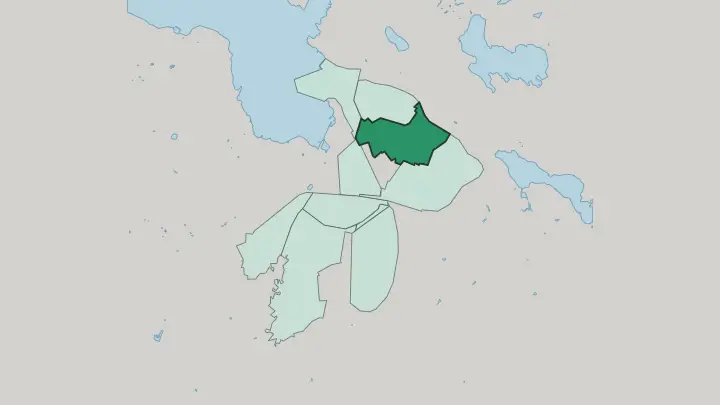 LahtiFinland
Kivimaa
Kivimaa is a north-eastern district of Lahti, the Päijät-Häme regional capital in southern Finland.Where to stay →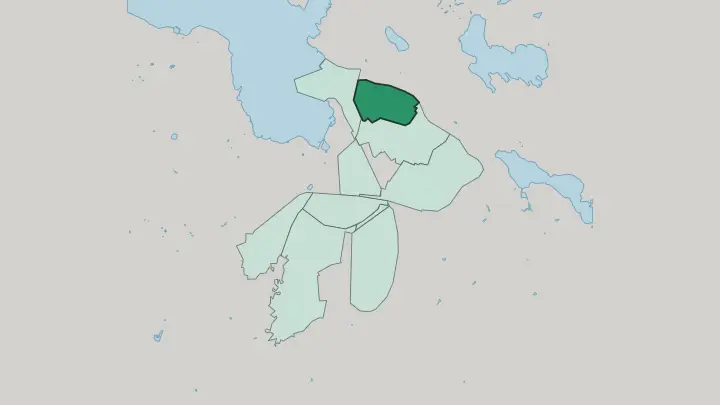
 LahtiFinland
Laune
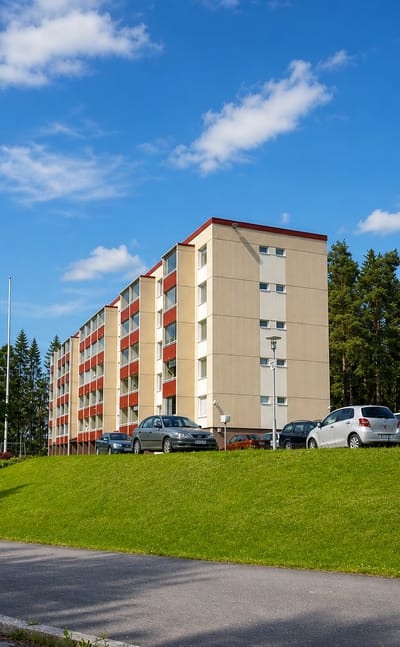
Laune is a residential district on the southern side of Lahti, in southern Finland.Where to stay →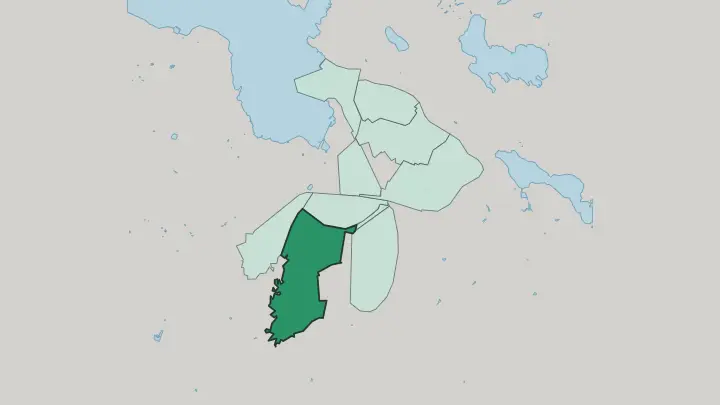
 LahtiFinland
Liipola
Liipola is a southern district of Lahti, regional capital of Päijät-Häme in southern Finland.Where to stay →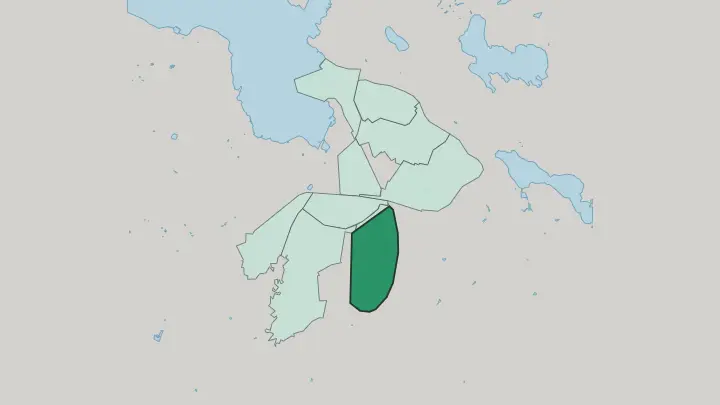 LahtiFinland
Möysä
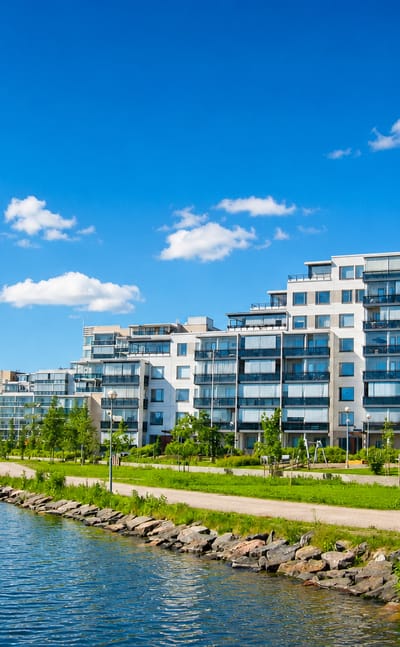
Möysä is a residential district on the eastern side of Lahti, in southern Finland.Where to stay →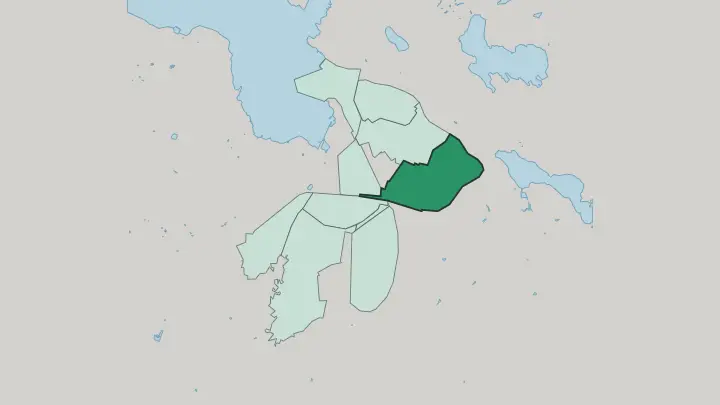
 LahtiFinland
Niemi
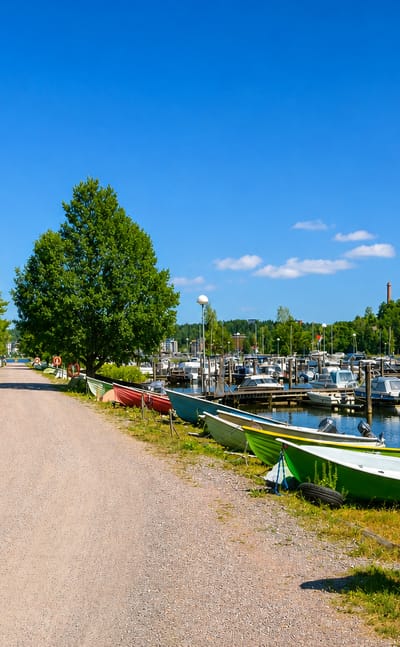
Niemi is a district on the northern side of Lahti, in southern Finland.Where to stay →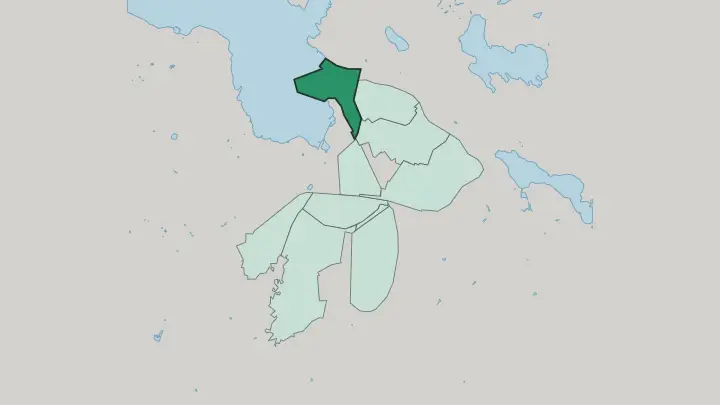
 LahtiFinland
Kartano
Kartano is the second district of Lahti, in Päijät-Häme, bordered by Niemi, Kiveriö, Keski-Lahti, Salpausselkä and Jalkaranta.Where to stay →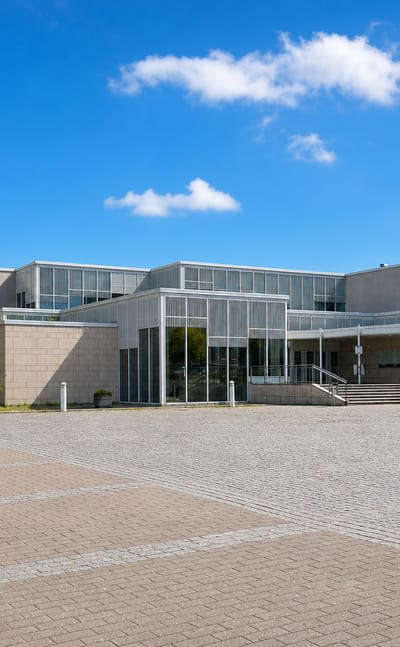 LahtiFinland
Paavola
Paavola is the third district of Lahti, bordered by Kiveriö, Möysä and Keski-Lahti in the region of Päijät-Häme.Where to stay →Things to do in Lahti
Ranked by global recognition; descriptions from Wikidata (CC0).
Museums & Galleries
4- Suomen moottoripyörämuseo transportation museum
- Hiihtomuseo
- Radio- ja tv-museo Mastola
- Lahden Historiallinen museo cultural history museum
Churches & Religious Sites
3- Pyhän Kolminaisuuden kirkko Heritage Orthodox church
- Ristinkirkko
- Joutjärven kirkko
worth knowingacross 2 categories in Lahti
About Lahti
What is Lahti known for?
Lahti is known for winter sport and lakeside life, the regional capital of Päijät-Häme on the shore of Vesijärvi in southern Finland. The ski jumps above the city draw the crowds of the Finnish Lakeland, and the Hiihtomuseo tells the long story of Nordic skiing here. Skis made its name.
The Ristinkirkko stands over the centre, the Lahden taidemuseo and the Radio- ja tv-museo Mastola gather its collections, and the long ridge of the Salpausselkä esker runs along the southern edge of the city through this part of southern Finland.
What are the main landmarks in Lahti?
The Ristinkirkko is the landmark that marks the centre of Lahti, a modern church rising over the regional capital of Päijät-Häme. Skiing crowns the skyline too. The ski jumps and the Hiihtomuseo stand on the Salpausselkä esker, the Lahden taidemuseo and the Lahden Historiallinen museo keep the city's art and past, and the Radio- ja tv-museo Mastola at the old radio masts tells the story of Finnish broadcasting.
Other sights gather the local story, from the Orthodox Pyhän Kolminaisuuden kirkko and the Lutherin kirkko to the Mannerheimin patsas, set among the streets of this lakeside city of southern Finland.
What is the history of Lahti?
Lahti is a young city by Finnish reckoning, raised where the lake and the ridge meet. A village by Vesijärvi at the foot of the Salpausselkä esker, it grew swiftly once the railway came through and was chartered as a town in 1905, in the country that would soon be southern Finland's own. Rail and water built it.
The new town spread out from the shore of Vesijärvi, the Ristinkirkko rose over its centre, and the timber and furniture trades of the Päijät-Häme forests gave the place its early industry. Winter sport became the city's signature. The ski jumps on the Salpausselkä esker drew national and international meets, the Hiihtomuseo grew to keep the record of Nordic skiing, and the city took its place as a capital of Finnish winter sport.
Broadcasting left its mark too. The radio masts that became the Radio- ja tv-museo Mastola carried the nation's signal, the Lahden taidemuseo and the Lahden Historiallinen museo gathered art and memory, and Lahti settled into its role as the regional capital of Päijät-Häme on the edge of the Finnish Lakeland.
Where is Lahti?
Lahti sits at the southern end of Vesijärvi in the Finnish Lakeland, in southern Finland. The long sand-and-gravel ridge of the Salpausselkä esker runs along the southern edge of the city, while the lake opens to the north toward the wider waters of Päijät-Häme. Water and ridge frame it.
The harbour and shore of Vesijärvi mark the lakeside, the ski jumps stand on the esker above the streets, and the forests of the region spread out around the regional capital of southern Finland.
What is the climate of Lahti?
Lahti has a cold inland climate softened a little by the water of Vesijärvi. Winters are long and snowy, the lake freezing hard and the ski jumps on the Salpausselkä esker drawing the winter-sport season through the dark months until the late thaw. Summers arrive warm and full of light.
The long northern daylight warms the lake and the forests of Päijät-Häme through the short growing season, drawing boats onto Vesijärvi before the snow returns to this part of southern Finland.
How do you get to Lahti?
Lahti is well connected as the regional capital of Päijät-Häme. The fast rail line carries most travellers in from the capital region to the south, and the motorway brings cars across the lakeland country in under an hour from the largest cities of southern Finland. The train brings a great many in.
Buses fan out across the region, and visitors bound for the lakes step off into a city set on the shore of Vesijärvi below the Salpausselkä esker.
Good for
More cities in Paijat-Hame Region
Updated September 2026