Greece · Crete
Where to Stay in Chaniá, Crete
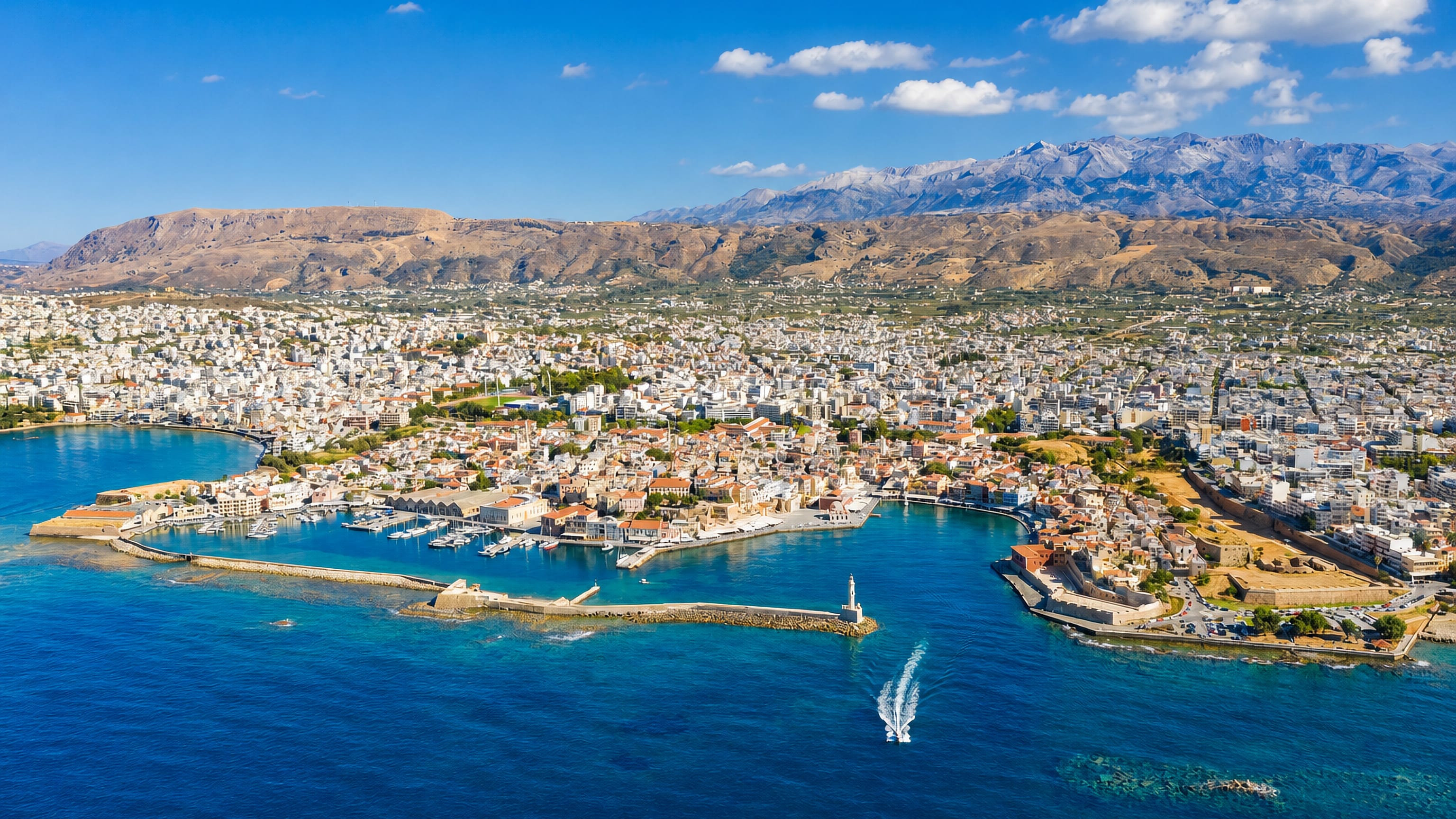
A Venetian harbour curves through Chaniá, a port town on the northwest coast of Crete, capital of the Chania regional unit with an old Ottoman quarter.
Hotel links are affiliate links: booking through them may earn us a commission, at no extra cost to you. It never affects how places are ranked. How this works


Where to stay in Chaniá
Where visitors usually base themselves, and why.
Chaniá rewards a stay inside the old town, where the Venetian harbour and the lanes behind it hold the town's whole character. Most visitors base themselves around the waterfront, ringed by the tall houses the Venetian and Turkish rulers left behind and lined with tavernas that spill out toward the water. The harbour is the draw.
From here the Nautical Museum of Crete and the Archaeological Museum of Chania sit within a short walk, and the narrow streets lead back past churches and small museums to the covered market. Rooms in the old town run from restored merchant houses to small harbour hotels facing the boats. The Chalepa quarter offers a calmer alternative.
This leafy district east of the centre gathers around the Eleftherios Venizelos Museum of Chalepa and the Tower of Chalepa, a quieter base a short ride from the harbour. Stay in the old town for the harbour and the museums at your door, or in Chalepa for a slower, residential base with the Venizelos sites close by.
Find hotels in Chaniá
Direct booking searches for these neighbourhoods.
Old town harbour
The lanes of tall Venetian and Turkish houses around the old harbour, a short walk from the Nautical Museum of Crete and the Archaeological Museum of Chania.Find hotels in Old town harboura quieter residential base near the Venizelos sites east of the centreChalepa
The leafy Chalepa quarter east of the harbour, gathered around the Eleftherios Venizelos Museum of Chalepa and the Tower of Chalepa.Find hotels in ChalepaHotel links are affiliate links: booking through them may earn us a commission, at no extra cost to you. It never affects how places are ranked. How this works
Things to do in Chaniá
Ranked by global recognition; descriptions from Wikidata (CC0).
Museums & Galleries
3- Eleftherios Venizelos Museum of Chalepa Heritage
- Archaeological Museum of Chania
- War Museum of Chania
Churches & Religious Sites
4- Church of St Mary Magdalene Heritage
- Chrysopigi monastery, Chania Heritage
- Church of Agios Rokkos Heritage
- Saint Catherine church Heritage
Castles & Historic Sites
3- Venizelos graves
- Fallschirmjäger memorial
- Agia Aikaterini square excavations
Stadiums & Sports
2- Kladisos Indoor Gymnasium
- Palia Ilektriki Indoor Sports Hall
Landmarks & Notable Places
3- House of Ant. Katzouraki
- House of Eleftherios Venizelos, Mournies
- House of G. Papadopetrou, Chania
worth knowingacross 5 categories in Chaniá
About Chaniá
What is Chaniá known for?
Chaniá is known for its old Venetian harbour and the layered town that grew around it. Its lanes carry the mark of the Venetian and Turkish rulers who held this corner of Crete for centuries. The harbour defines the place.
Around the waterfront stand the Nautical Museum of Crete and the domed shell of a former mosque, while the wider town honours the statesman Eleftherios Venizelos, born nearby.
What are the main landmarks in Chaniá?
Chaniá gathers its landmarks around the old harbour. The Nautical Museum of Crete stands at the waterfront, and the Archaeological Museum of Chania and the Byzantine Museum hold finds from the island's long past. Inland the Assumption Cathedral rises over the lanes, while the church of Agios Nikolaos carries the mark of both its Christian and Ottoman years.
East of the centre the Tower of Chalepa and the graves of Eleftherios Venizelos look out over the sea.
What is the history of Chaniá?
Chaniá grew as one of the great harbour towns of Crete, its shape drawn by the rulers who held the island in turn. The Venetians built the sea walls and the tall houses that still ring the old harbour, and their long rule left the town its enduring plan. The Ottomans took Chaniá next.
Under Turkish rule mosques and fountains joined the Venetian streets, and the old church of Agios Nikolaos gained the minaret that still marks its Ottoman years. The layers stacked up over centuries. Chaniá later served as the capital of Crete through the island's move toward union with Greece, a period bound up with the statesman Eleftherios Venizelos, born just outside the town and buried on the hill above the sea.
The Nautical Museum of Crete and the Archaeological Museum of Chania now hold the record of that long history, from Venetian galleys to the finds of the island's ancient past.
Where is Chaniá?
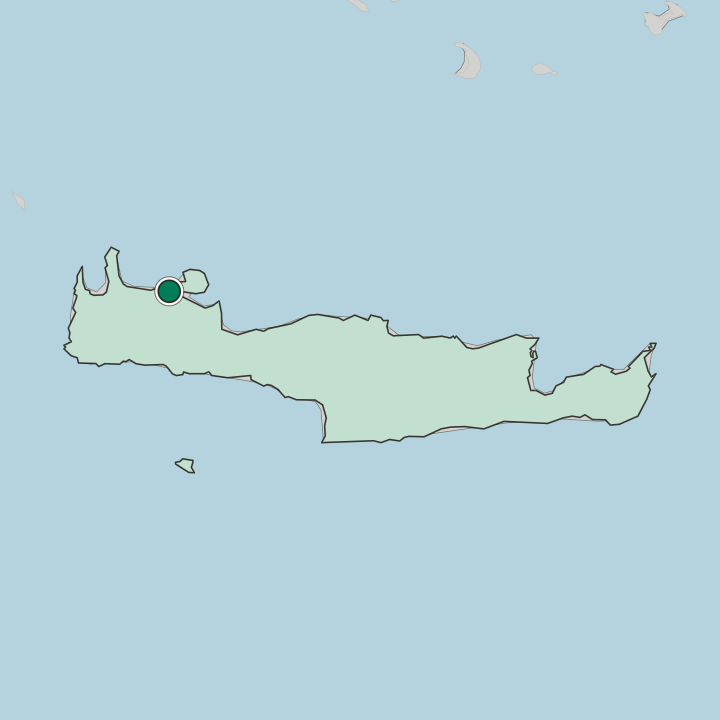
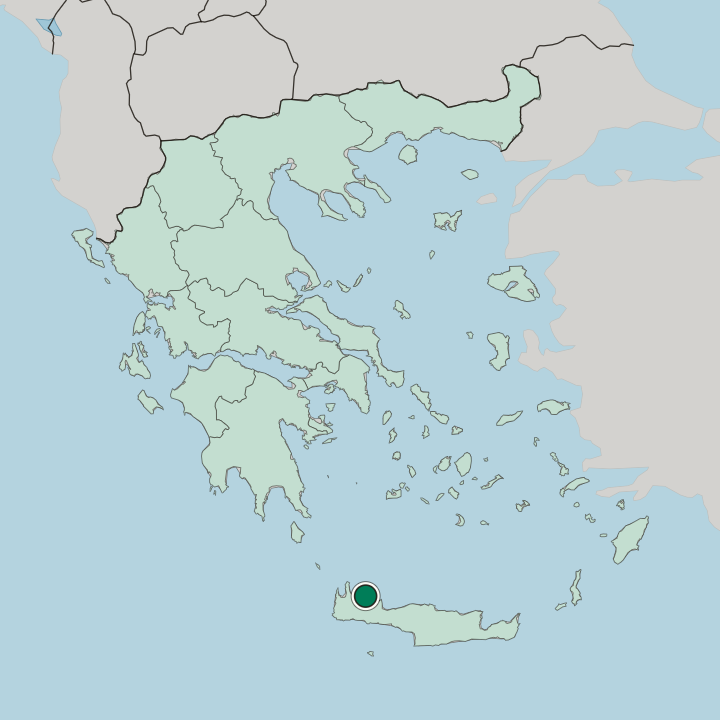
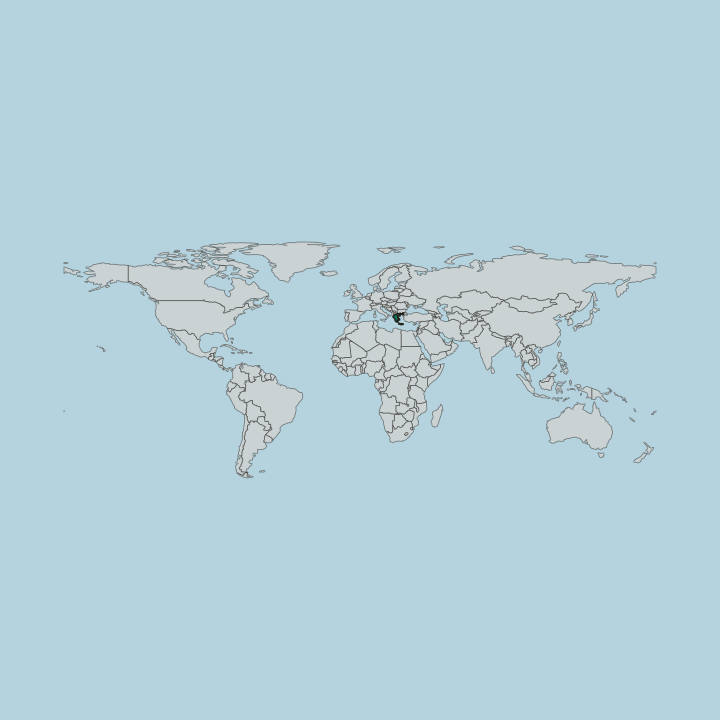
Chaniá lies on the northwest coast of the island of Crete, facing the open sea. It is the capital of the Chania regional unit, set west of Rethymno and Heraklion along the island's northern shore. The town wraps around a sheltered harbour, with hills rising behind it and the coast stretching away on either side.
The water frames the whole town.
What is the climate of Chaniá?
Chaniá has a hot, dry Mediterranean climate. Summers are long and rainless, tempered by the sea breeze off the northern coast of Crete, while winters stay mild and bring most of the year's rain. The harbour keeps its warmth late into autumn.
Frost is almost unknown here.
How do you get to Chaniá?
Chaniá is the main way into the northwest of Crete. Most visitors arrive by air or by the ferries that dock along the coast, and roads run east from the town toward Rethymno and Heraklion across the island's northern shore. Buses reach the harbour from the airport.
From here the town spreads out below the hills toward the sea.
Common questions
What is the best area to stay in Chaniá?
Old town harbour: first stays inside the Venetian harbour, steps from the Chaniá museums. Chalepa: a quieter residential base near the Venizelos sites east of the centre.
Good for
Another city in Crete
Updated October 2026