Greece · Crete
Where to Stay in Irákleion, Crete
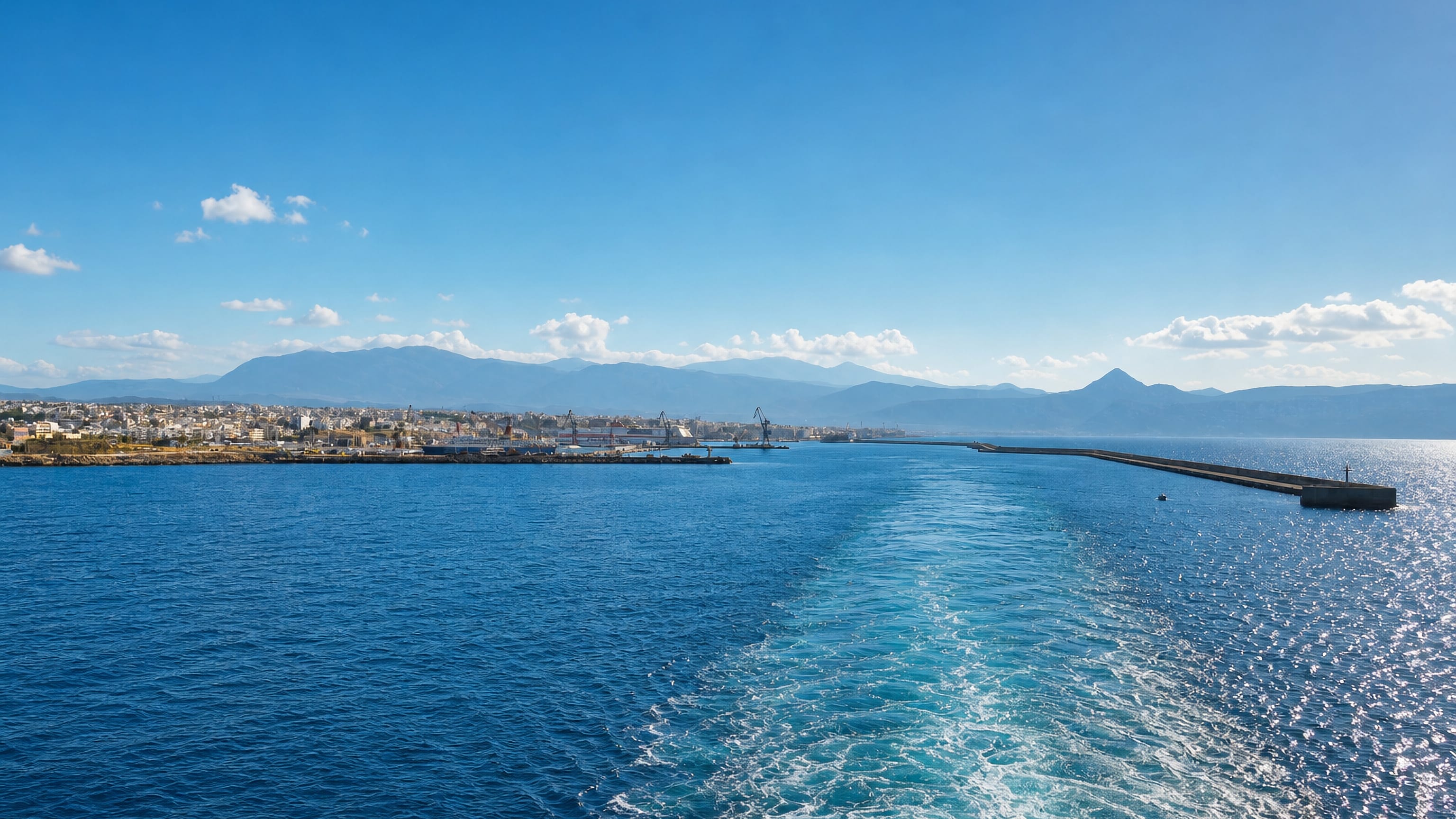
Venetian ramparts ring the old harbour at Irákleion, the capital of Crete, known for the Heraklion Archaeological Museum and nearby Knossos.
Hotel links are affiliate links: booking through them may earn us a commission, at no extra cost to you. It never affects how places are ranked. How this works


Where to stay in Irákleion
The practical side of choosing where to sleep.
Where to stay in Irákleion sorts cleanly by how close you want to be to the walls and the water. The old town inside the Venetian ramparts is the obvious first base, a grid of narrow lanes threading between Hagios Titos church, the Venetian loggia at Agios Marcos, and the cafe tables that fill the squares each evening. Stay here and the Heraklion Archaeological Museum, the Historical Museum of Crete, and the ferry quay are all short walks apart.
Down at the old harbour the mood shifts toward the sea. The stone arcades of the East venetian shipyards and The Gate of Dermata mark the working edge of the city, and rooms on this side trade a little quiet for a view of the fishing boats and the fort. Families and slower travellers often prefer the streets around the Natural History Museum of Crete, set back from the busiest lanes yet still an easy stroll to Agia Aikaterini and the Collection of Agia Aikaterini of Sinai.
Wherever you land, distances stay modest. The whole walled core crosses in under half an hour on foot, so the choice is really about atmosphere rather than logistics.
Find hotels in Irákleion
Direct booking searches for these neighbourhoods.
Old town within the Venetian walls
The lanes between Hagios Titos church and Agios Marcos put the Heraklion Archaeological Museum and the ferry quay within a short walk.Find hotels in Old town within the Venetian wallstravellers who want the sea and the fort at the doorOld harbour and the shipyards
Rooms beside the East venetian shipyards and The Gate of Dermata trade quiet for fishing boats and a working waterfront.Find hotels in Old harbour and the shipyardsfamilies and slower travellers wanting calmer lanesStreets around the Natural History Museum of Crete
Back from the busiest squares yet an easy stroll to Agia Aikaterini and the Collection of Agia Aikaterini of Sinai.Find hotels in Streets around the Natural History Museum of CreteHotel links are affiliate links: booking through them may earn us a commission, at no extra cost to you. It never affects how places are ranked. How this works
Things to do in Irákleion
Ranked by global recognition; descriptions from Wikidata (CC0).
Museums & Galleries
3- Heraklion Archaeological Museum
- Historical Museum of Crete
- Museum of the Battle of Crete
Churches & Religious Sites
7- Hagios Titos church Heritage
- Agios Marcos Heritage
- Agia Aikaterini Heritage
- St Matthew of the Sinaites, Heraklion Heritage
- Church of Agios Georgios (Agios Ioannis Armenion) Heritage
Show 2 more →
- Lady of the Crusades Heritage
- Enclosure of the Panagia Akrotiriani monastery (Kapnokoptirion) Heritage
Castles & Historic Sites
2- East venetian shipyards
- The Gate of Dermata
Stadiums & Sports
3- Nea Alikarnassos Indoor Sports Hall
- Markos Karanastasis Indoor Sports Hall
- Pateles Indoor Sports Hall
Landmarks & Notable Places
1- Konaki tou Sami Bei Heritage
worth knowingacross 5 categories in Irákleion
About Irákleion
What is Irákleion known for?
Irákleion is the largest city in the Greek islands and the administrative capital of Crete, best known as the port that opens onto the Minoan palace of Knossos just inland. Its Heraklion Archaeological Museum holds the finest collection of Minoan artefacts anywhere. Venetian walls still ring the centre.
The old harbour keeps its stone East venetian shipyards, and the Historical Museum of Crete traces the island from late antiquity onward. Compact and walkable, the core rewards a slow afternoon on foot.
What are the main landmarks in Irákleion?
The main landmarks in Irákleion cluster inside the Venetian walls and along the old harbour. The Heraklion Archaeological Museum anchors the set with its Minoan holdings, while Hagios Titos church and the loggia beside Agios Marcos give the centre its Venetian face. Most sit within a short walk.
Down at the water stand the East venetian shipyards and The Gate of Dermata. The Historical Museum of Crete, the Natural History Museum of Crete, and the Museum of the Battle of Crete round out a dense museum quarter, and Agia Aikaterini keeps its Collection of Agia Aikaterini of Sinai a few steps away.
What is the history of Irákleion?
The history of Irákleion runs deeper than almost any city in Europe. The greater area has been continuously inhabited since at least the seventh millennium BCE, one of the oldest inhabited regions on the continent. Just inland, the Minoan palace of Knossos rose between roughly 2000 and 1350 BCE as a major centre of a civilization that flourished on Crete, and it is often called Europe's oldest city.
The settlement by the harbour grew through successive rulers, and its Venetian centuries left the deepest marks on the surviving streets of the old core. Walls went up around the port. Merchants raised the loggia at Agios Marcos and the arcades of the East venetian shipyards, while Hagios Titos church carried the city's Christian dedication across changing hands.
That layered past is now read indoors as much as out. The Heraklion Archaeological Museum holds the Minoan finds, the Historical Museum of Crete follows the island from late antiquity, and the Museum of the Battle of Crete records the fighting that swept the island in the twentieth century. Together they make Irákleion a place where prehistory, empire, and modern memory sit within a single walled square kilometre.
Where is Irákleion?
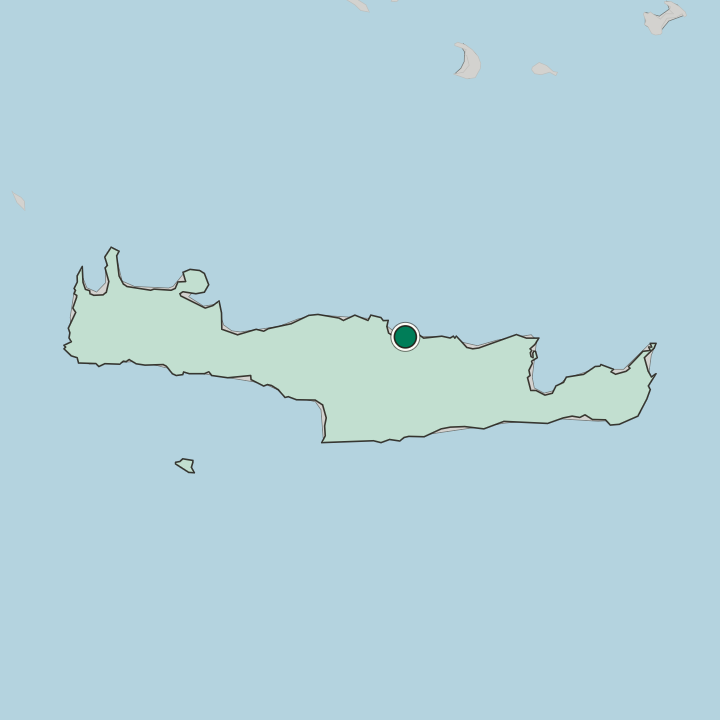
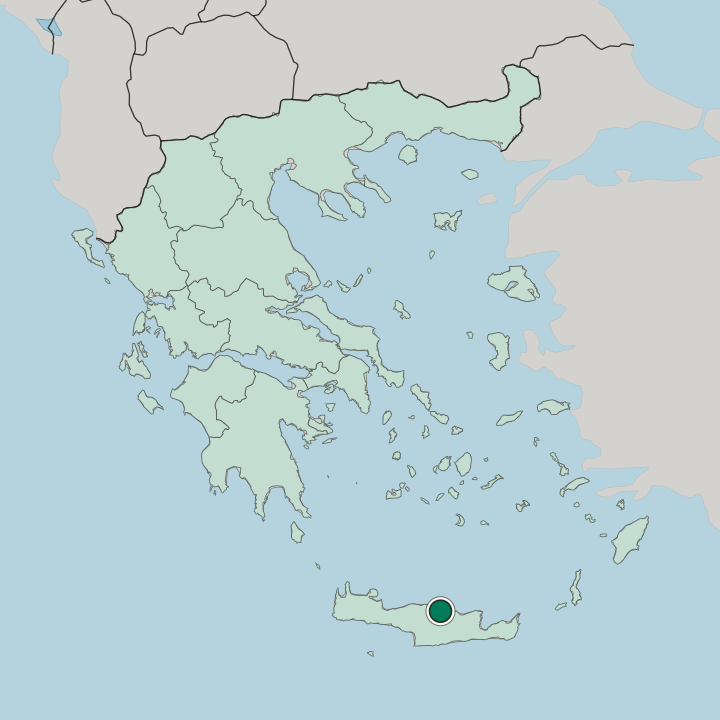
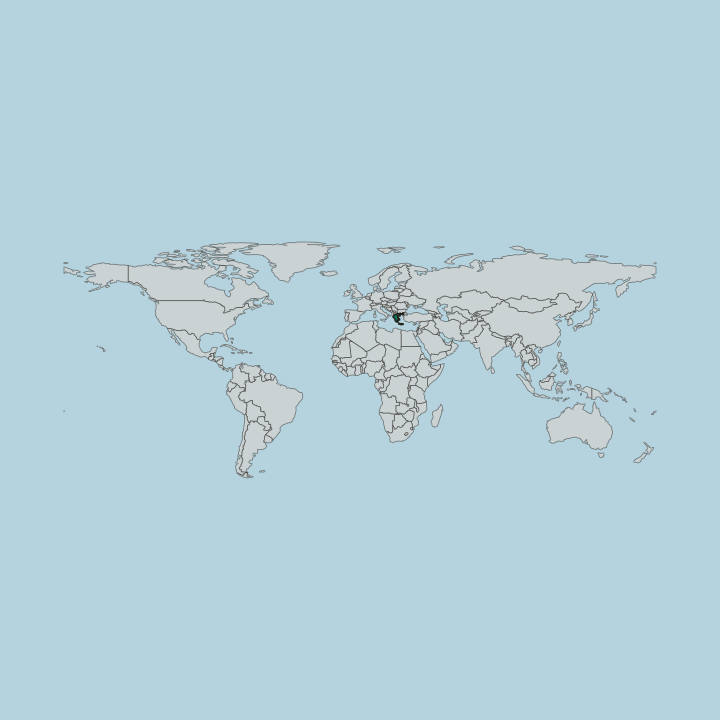
Irákleion sits on the north coast of Crete, the largest of the Greek islands, facing the Aegean. The city spreads back from an old harbour sheltered by a Venetian sea fort, with the walled core rising just behind the quay. Knossos lies a short way inland to the south.
As the administrative capital of Crete and the seat of its regional unit, Irákleion is the island's main port and its busiest gateway by sea and air.
What is the climate of Irákleion?
The Mediterranean sets Irákleion's weather, warm through most of the year. Its position on the north coast of Crete gives it long, hot, and dry summers, with clear skies holding over the Aegean for weeks at a stretch. Irákleion's winters remain mild along the Cretan coast.
Most of the year's rain falls in those cooler months, while sea breezes off the harbour temper the midday heat and frost is rare inside the walled town. Spring and autumn suit the ramparts best.
How do you get to Irákleion?
Irákleion is easiest to reach by air or sea. The city's airport lies just east of the centre and links the island of Crete to mainland Greece and beyond, carrying most arriving visitors. Ferries dock at the old port.
The overnight crossing runs to and from Piraeus, tying up beside the Venetian fort, and from the quay it is only a short walk up past the East venetian shipyards to the Heraklion Archaeological Museum and the harbour squares.
Common questions
What is the best area to stay in Irákleion?
Old town within the Venetian walls: first-time visitors who want the museums and harbour on foot. Old harbour and the shipyards: travellers who want the sea and the fort at the door. Streets around the Natural History Museum of Crete: families and slower travellers wanting calmer lanes.
Good for
Another city in Crete
Updated October 2026