Greece · Epirus
Where to Stay in Ioánnina, Epirus
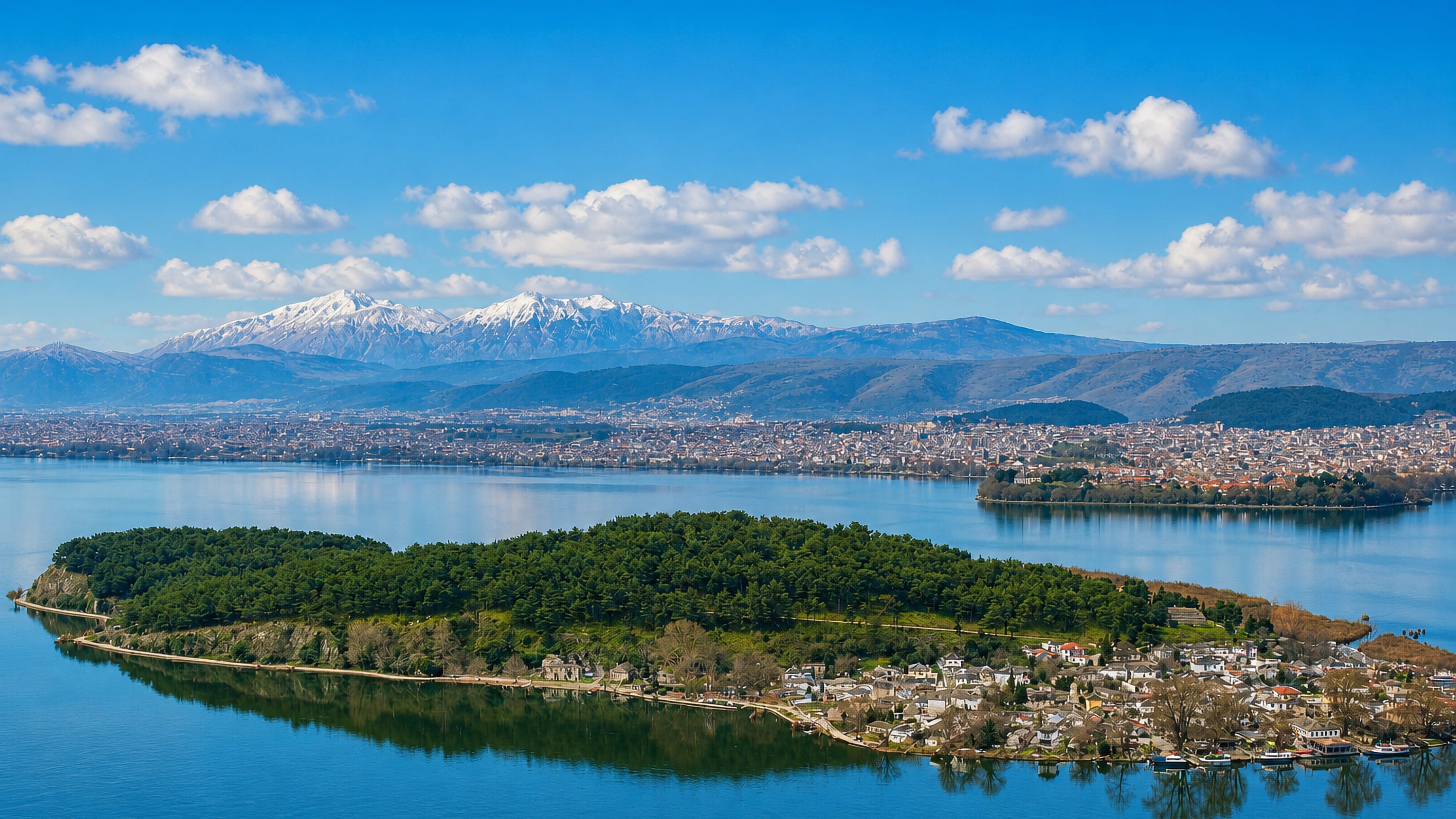
Walls ring the old town at Ioánnina, a lakeside city in northwestern Greece, capital of Epirus and marked by the minaret of the Aslan Pasha Mosque.
Hotel links are affiliate links: booking through them may earn us a commission, at no extra cost to you. It never affects how places are ranked. How this works


Where to stay in Ioánnina
The practical side of choosing where to sleep.
Ioánnina rewards a stay in or beside the walled old town, where the castle quarter meets the lake. Most visitors base themselves in the Ioannina Castle district, the walled precinct on the water where the Aslan Pasha Mosque and the Byzantine Museum of Ioannina sit among stone lanes above the shore. The walls hold the whole story.
From here the waterfront path leads out to the boats that cross to the island monasteries, and the old town's tavernas look across the lake to the mountains beyond. Rooms in the castle quarter run from small guesthouses to restored houses within the walls. The modern centre offers a busier base.
Spread inland from the lakefront around the Archaeological Museum of Ioannina and the Municipal Ethnographic Museum of Ioannina, this side of the city carries the shops, the university crowd and quick roads out across Epirus. This is where the working city gathers. Stay in the castle quarter for the walls and the lake at your door, or in the modern centre for a livelier base near the museums.
Find hotels in Ioánnina
Direct booking searches for these neighbourhoods.
Castle quarter
The walled Ioannina Castle precinct on the lake, where the Aslan Pasha Mosque and the Byzantine Museum of Ioannina stand among stone lanes above the shore.Find hotels in Castle quartera livelier base near the Ioánnina museums and roads across EpirusModern centre
The inland centre around the Archaeological Museum of Ioannina and the Municipal Ethnographic Museum of Ioannina, with shops and quick roads out across Epirus.Find hotels in Modern centreHotel links are affiliate links: booking through them may earn us a commission, at no extra cost to you. It never affects how places are ranked. How this works
Things to do in Ioánnina
Ranked by global recognition; descriptions from Wikidata (CC0).
Museums & Galleries
3- Archaeological Museum of Ioannina
- Byzantine Museum of Ioannina
- Municipal Ethnographic Museum of Ioannina
Churches & Religious Sites
3- Monastery of Agios Nikolaos Filanthopinon Heritage
- Aslan Pasha Mosque
- Church of Agios Nicholaos Agoras
Castles & Historic Sites
1- Ioannina Castle Heritage
Stadiums & Sports
1- Limnopoula Indoor Gym
Landmarks & Notable Places
1- House of Neomartyr Georgios
worth knowingacross 5 categories in Ioánnina
About Ioánnina
What is Ioánnina known for?
Ioánnina is known for its walled old town on the shore of a mountain lake in Epirus. Tall defensive walls ring the castle quarter, and the minaret of the Aslan Pasha Mosque rises over the water. The lake defines the city.
Out on its island stand a cluster of old monasteries, while the Archaeological Museum of Ioannina and the Byzantine Museum of Ioannina hold the record of the region's long past.
What are the main landmarks in Ioánnina?
Ioánnina holds its landmarks within the walls of the Ioannina Castle, high above the lake. The Aslan Pasha Mosque keeps its minaret over the castle quarter, while the Byzantine Museum of Ioannina fills the old citadel and the lake island carries a cluster of monasteries around the Monastery of Agios Ioannis Prodromos. Two more draw visitors out.
Below the town the Cave of Perama runs deep into the hillside, and the Archaeological Museum of Ioannina and the Folk Art Museum of Epirus hold the region's finds.
What is the history of Ioánnina?
Ioánnina grew as the walled capital of Epirus, its old town rising within stone ramparts on the shore of a mountain lake. The Byzantine city fortified the promontory, and the citadel that became the Ioannina Castle held the town behind its walls for centuries. The lake gave it shelter.
Under Ottoman rule the city flourished as a centre of trade and learning, and the Aslan Pasha Mosque was raised within the castle, its minaret still standing over the water. The town reached its height as a seat of power. In that age Ioánnina ruled much of Epirus and the surrounding mountains, a reach recorded now in the Archaeological Museum of Ioannina and the Byzantine Museum of Ioannina within the old citadel.
The walls, the mosque and the lake island monasteries together trace the arc from the Byzantine stronghold to the regional capital on the water.
Where is Ioánnina?
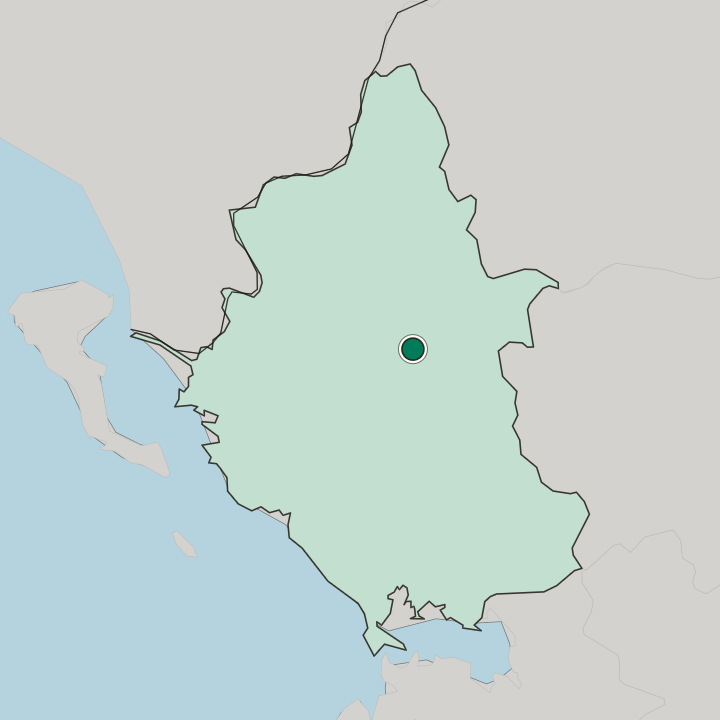
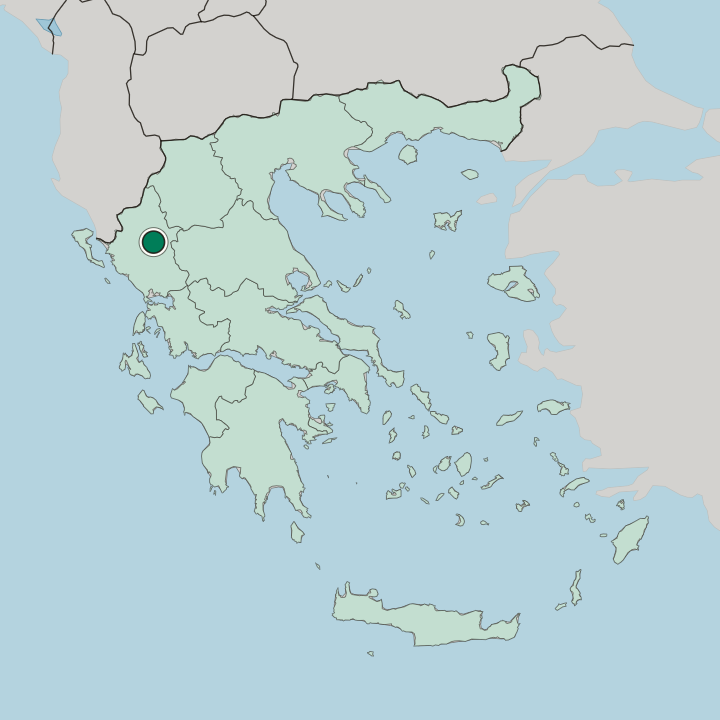
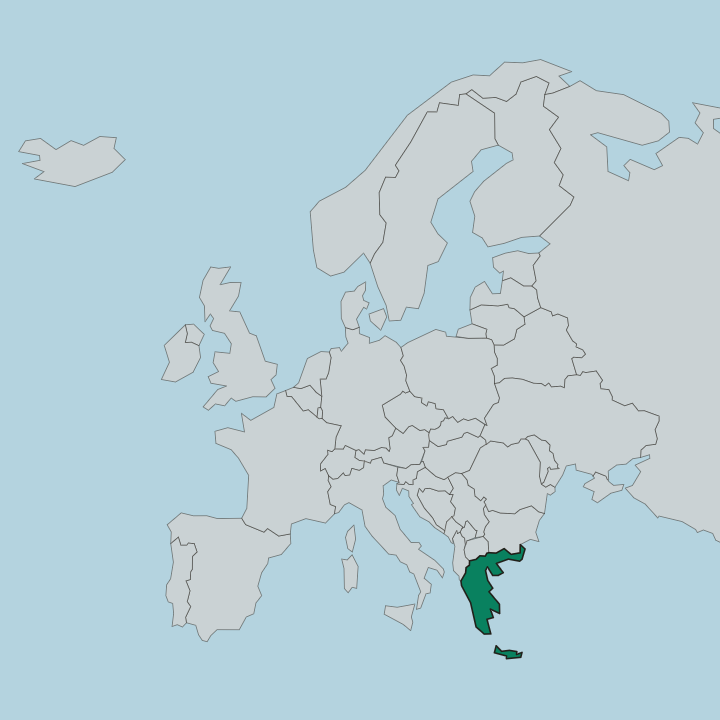
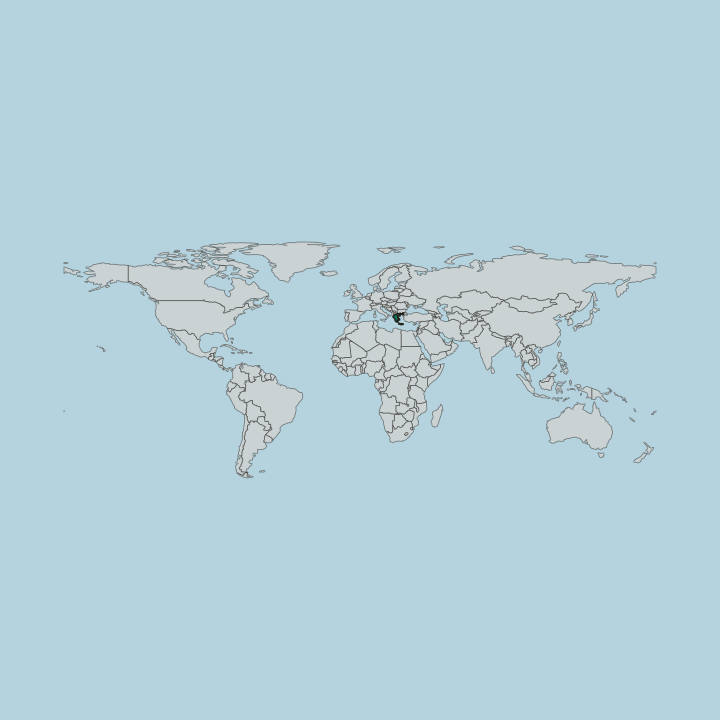
Ioánnina sits in northwestern Greece, on the shore of a mountain lake in the region of Epirus. It is the capital of the Ioannina regional unit and of Epirus, set on a plain ringed by the high ranges of the interior. The old town occupies a promontory jutting into the lake, with a wooded island a short crossing offshore.
Mountains close the horizon on every side.
What is the climate of Ioánnina?
Ioánnina has a cooler, wetter climate than the Greek coast, shaped by its inland lake and the mountains of Epirus. Summers are warm and often thundery over the water, while winters turn cold and damp, with snow settling on the ranges around the plain. The lake holds the morning mist.
Frost is common on winter nights here.
How do you get to Ioánnina?
Ioánnina is the main hub of Epirus and the mountains of northwestern Greece. Roads climb to it through the ranges, linking the city to the coast and to the interior, and a small airport serves the plain nearby. Buses run in from across the region.
From the lakefront the boats cross to the island offshore.
Common questions
What is the best area to stay in Ioánnina?
Castle quarter: a stay within the walled old town on the Ioánnina lakefront. Modern centre: a livelier base near the Ioánnina museums and roads across Epirus.
Good for
Updated October 2026