Greece · South Aegean
Where to Stay in Ródos, South Aegean
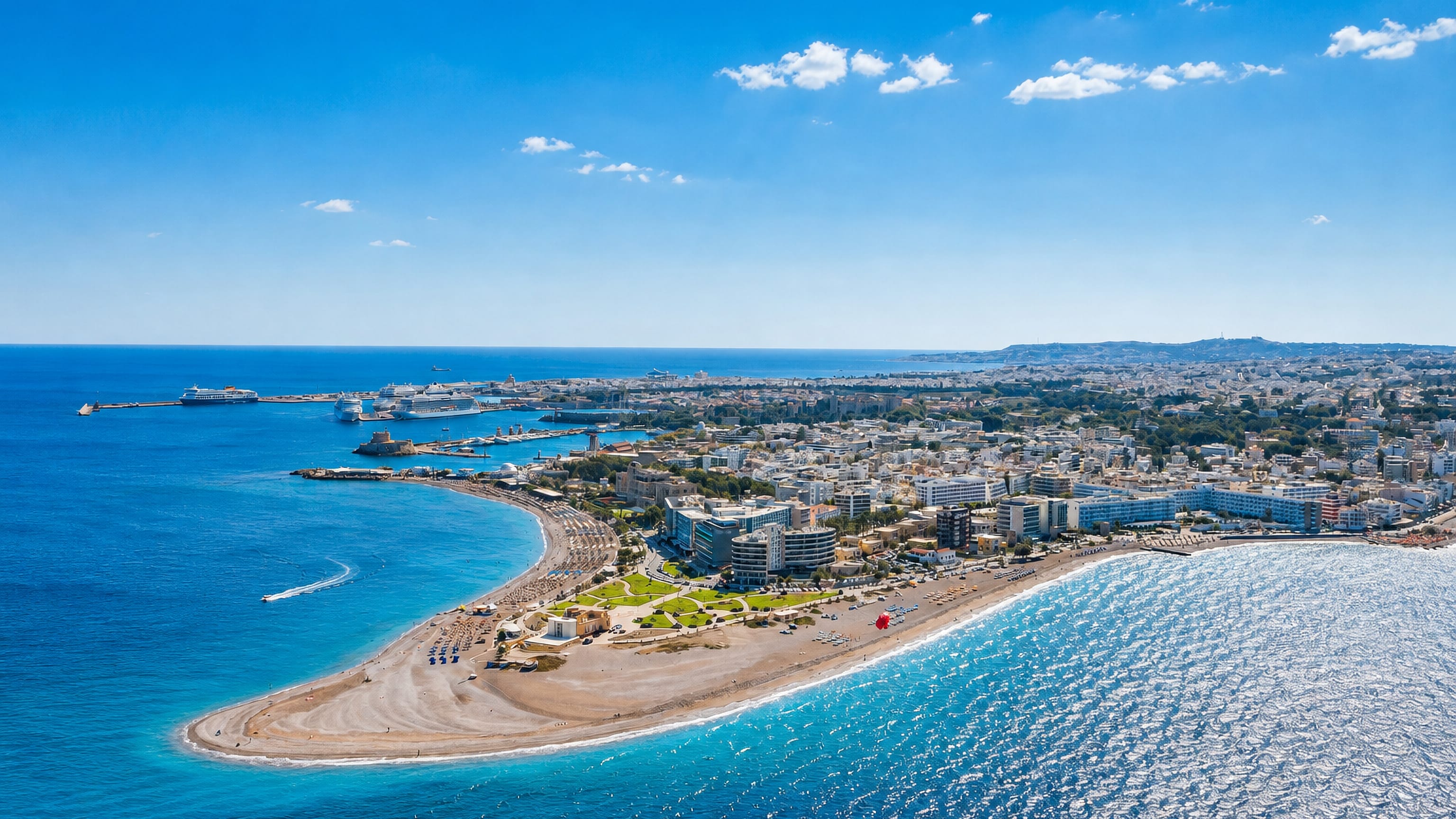
Medieval walls enclose the old town of Ródos, the main city of Rhodes in the South Aegean and historical capital of the Dodecanese islands.
Hotel links are affiliate links: booking through them may earn us a commission, at no extra cost to you. It never affects how places are ranked. How this works


Where to stay in Ródos
How the choice of base plays out on the ground.
Ródos divides between the walled old town and the beach resorts along the shore. Most visitors after the history base themselves inside the medieval walls, the maze of lanes below the Palace of the Grand Master where the Street of the Knights and the Suleymaniye Mosque set the mood. The walls seal it off.
From here the Archaeological Museum of Rhodes and the harbour towers lie within an easy walk, and the old gates open straight onto the sea. Rooms inside the walls run from small guesthouses in stone houses to boutique hotels along the quiet lanes. The new town offers the beaches and the nightlife.
Spreading north of the walls toward the tip of the island, this modern quarter gathers the seafront hotels, the Aquarium of Rhodes and the long beaches that face both the calm and the open sides of the coast. This is the resort side of the city. Stay inside the walls for the medieval old town and the museums, or in the new town for the beaches and the sea air off the Aegean.
Find hotels in Ródos
Direct booking searches for these neighbourhoods.
Medieval old town
The lanes within the medieval walls below the Palace of the Grand Master, along the Street of the Knights and past the Suleymaniye Mosque.Find hotels in Medieval old towna beach base near the Aquarium of Rhodes at the island's northern tipNew town beaches
The modern quarter north of the walls toward the tip of Rhodes, gathering the seafront hotels, the Aquarium of Rhodes and the long beaches.Find hotels in New town beachesHotel links are affiliate links: booking through them may earn us a commission, at no extra cost to you. It never affects how places are ranked. How this works
Things to do in Ródos
Ranked by global recognition; descriptions from Wikidata (CC0).
Museums & Galleries
3- Archaeological Museum of Rhodes
- Panagia tou Kastrou
- Jewish Museum of Rhodes
Churches & Religious Sites
3- Suleymaniye Mosque, Rhodes
- Holy Trinity church, Rhodes
- Church of the Evangelismos
Castles & Historic Sites
3- Acropolis of Rhodes Heritage
- Hellenic Necropolis Rodini Park Heritage
- Palace of the Grand Master of the Knights of Rhodes
Stadiums & Sports
3- Diagoras Indoor Sports Hall
- Rhodion Athlisis Indoor Sports Hall
- Venetokleio Indoor Sports Hall
Landmarks & Notable Places
3- Milos Windmill
- Naillac Tower
- Tower of France, Rhodes
worth knowingacross 5 categories in Ródos
About Ródos
What is Ródos known for?
Ródos is known for its walled medieval old town, the largest of its kind in the Dodecanese. The Knights of Saint John raised its ramparts, and the Palace of the Grand Master still commands the walls above the harbour. The walls tell the story.
Within them the Street of the Knights runs down toward the sea, past the Archaeological Museum of Rhodes and the domed Suleymaniye Mosque left by the Ottoman centuries.
What are the main landmarks in Ródos?
Ródos holds its landmarks within the medieval walls. The Palace of the Grand Master crowns the old town, reached along the cobbled Street of the Knights. Below it the Archaeological Museum of Rhodes fills a knights' hospital, and the Suleymaniye Mosque marks the Ottoman quarter.
On the hill above the city the ancient Acropolis of Rhodes keeps its Temple of Apollo, while the Naillac Tower once guarded the harbour mouth of this old capital of the Dodecanese.
What is the history of Ródos?
Ródos has been the chief city of the island of Rhodes since ancient times, when the Acropolis of Rhodes and its Temple of Apollo crowned the hill above the harbour. The classical city built its wealth on the sea, its harbour famous across the ancient world. The knights changed everything.
From 1310 the Knights of Saint John of Jerusalem ruled the island, and over two centuries they walled the town and raised the Palace of the Grand Master and the towers that still guard the harbour. Their rule ended in 1522. When the Ottomans took the island they added mosques within the walls, among them the Suleymaniye Mosque, and the old town kept its medieval plan intact through the centuries that followed.
The Archaeological Museum of Rhodes now gathers the record of that long past, from the ancient acropolis to the walled capital of the Dodecanese.
Where is Ródos?
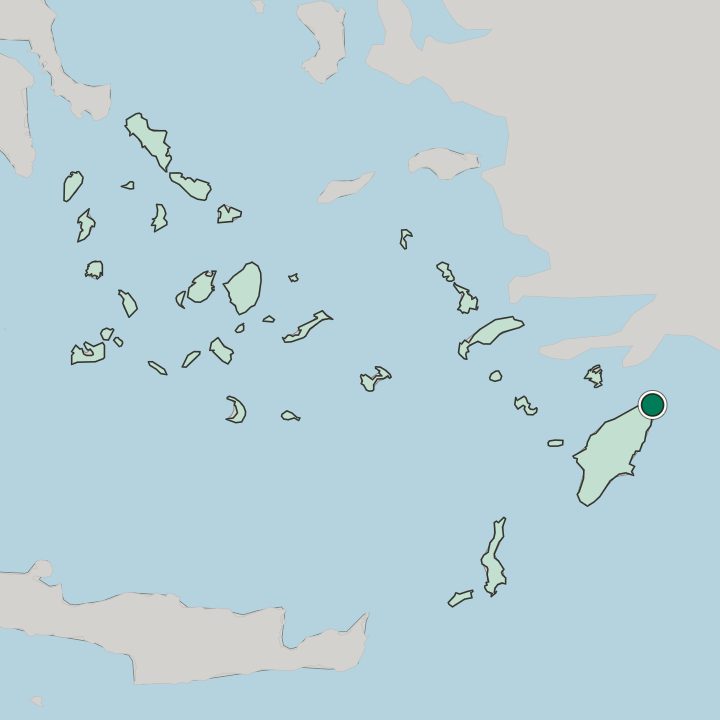
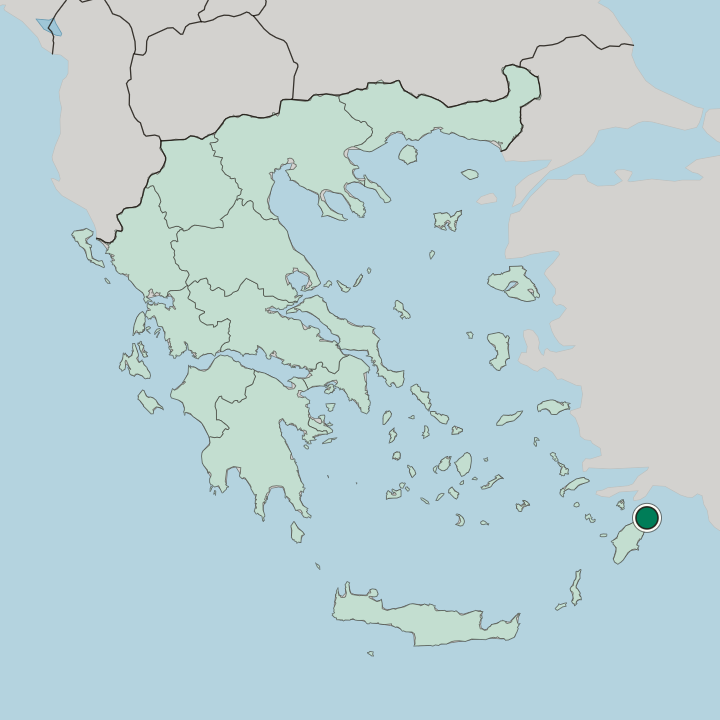
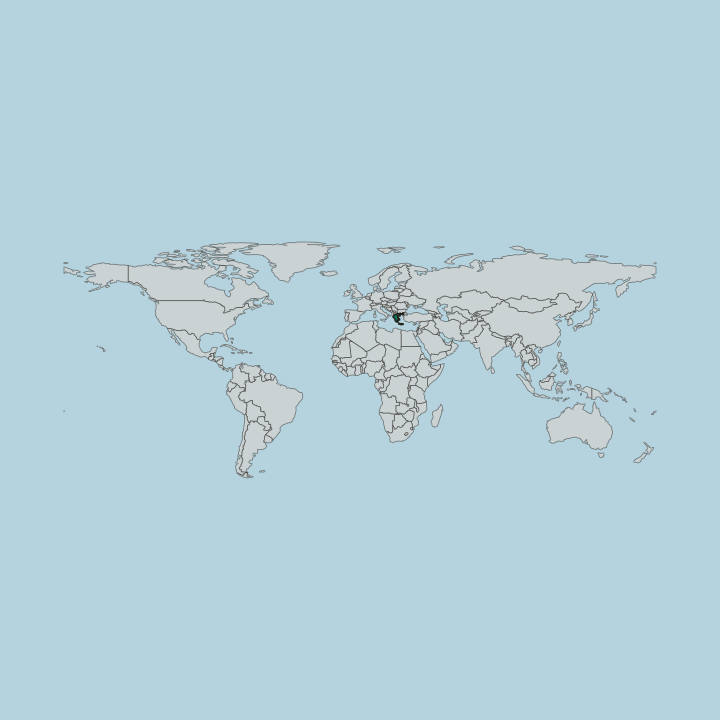
Ródos stands at the northern tip of the island of Rhodes, in the South Aegean. It is the principal town of the Rhodes regional unit, the largest of the Dodecanese islands, which lie northeast of Crete and southeast of Athens. The old town sits behind its walls above the harbour, while the new quarter reaches out to the beaches at the island's point.
The sea wraps the town on two sides.
What is the climate of Ródos?
Ródos has a warm, dry Mediterranean climate with long sunny spells. Summers are hot and rainless, cooled by the sea breezes that cross the island of Rhodes, while winters stay mild and bring most of the year's rain to the South Aegean. The sun defines the island.
Frost almost never touches the coast here.
How do you get to Ródos?
Ródos is the main way into the Dodecanese and the South Aegean. Most visitors arrive by air or by the ferries that dock below the medieval walls, linking the island to Athens, to Crete and to the smaller isles around it. Boats run out from the old harbour.
From the port the walled town rises straight above the quays.
Common questions
What is the best area to stay in Ródos?
Medieval old town: a history-first stay inside the walled town below the Palace of the Grand Master. New town beaches: a beach base near the Aquarium of Rhodes at the island's northern tip.
Good for
Updated October 2026