Greece · Attica
Where to Stay in Athens, Attica
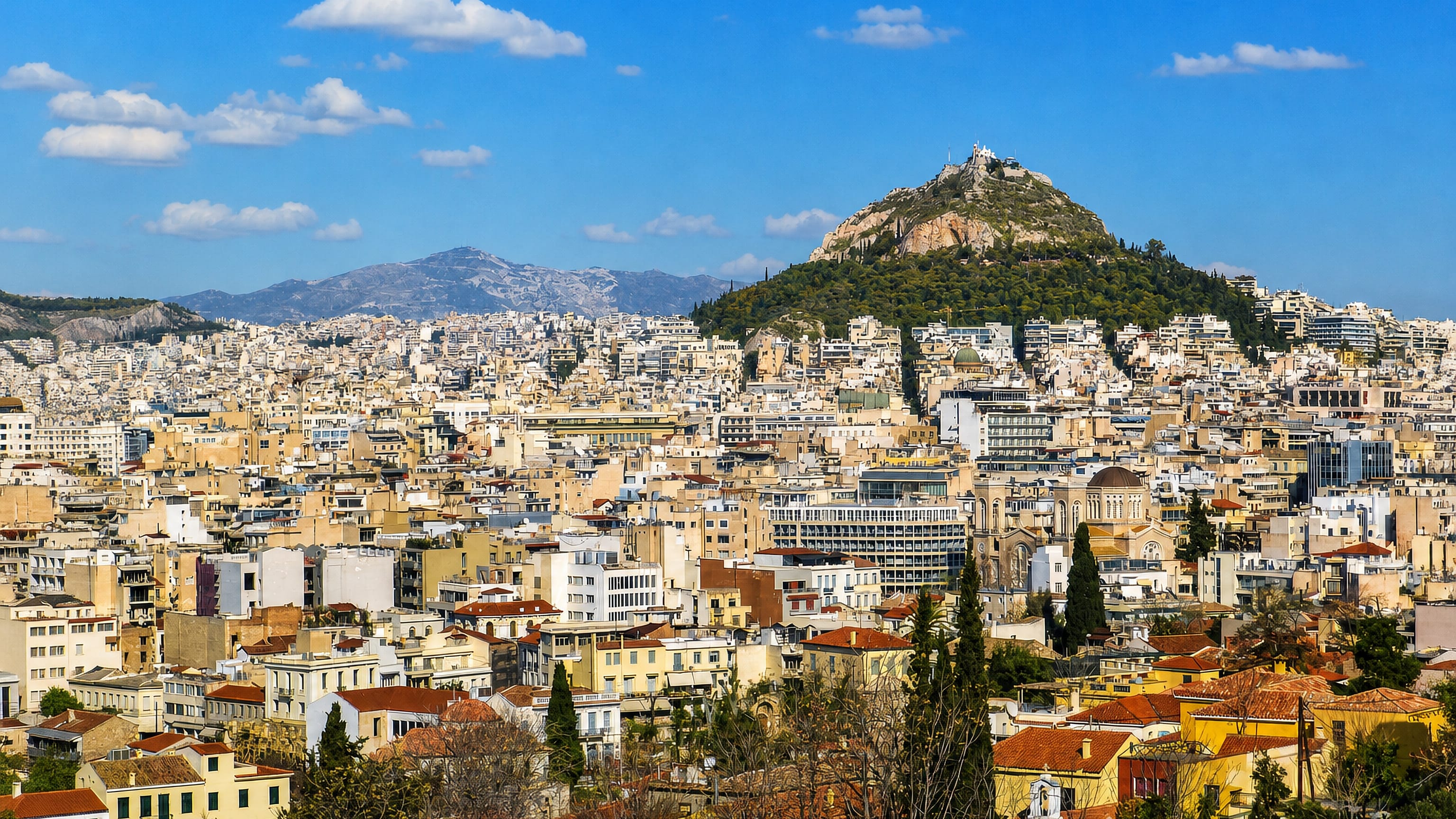
Marble temples crown the Acropolis above Athens, the capital of Greece and a coastal city on the Mediterranean shaped by Classical Greece.
Hotel links are affiliate links: booking through them may earn us a commission, at no extra cost to you. It never affects how places are ranked. How this works


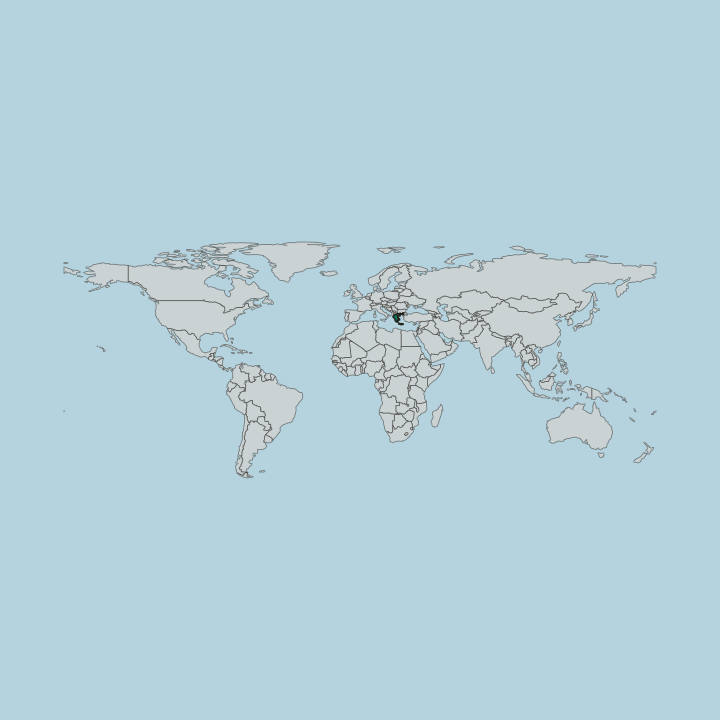
Where to stay in Athens
Where you base yourself shapes the visit — here's the character of each area.

 AthensGreece
Metaxourgeio
Metaxourgeio lies just north of central Athens, named for its silk mill, between Kolonos and Plateia Vathi near the Kerameikos. Avdi Square is its centre.Where to stay →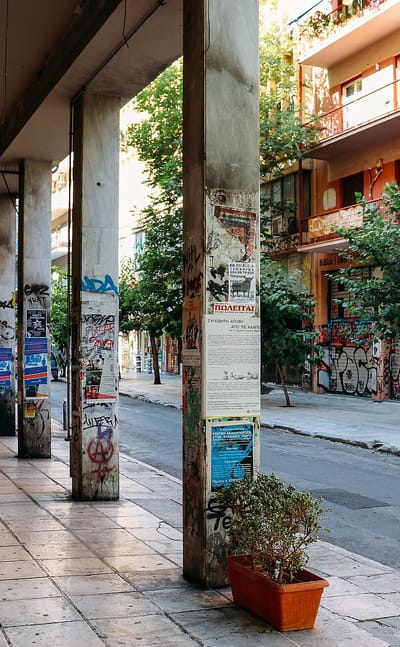 AthensGreece
Exarcheia
Exarcheia is a central Athens quarter below Mount Lycabettus, grown around Exarcheia Square, the National Archaeological Museum on Patission Street.Where to stay → AthensGreece
Psyri
Psyri is a gentrified quarter in central Athens just north of Monastiraki, once leather workshops and now mezedopoleia and bars. Also Psiri or Psyrri.Where to stay → AthensGreece
Monastiraki
Monastiraki is the flea-market quarter of Athens, around Monastiraki Square and the Church of the Pantanassa. Pandrossou and Adrianou run through it.Where to stay → AthensGreece
Kerameikos
Kerameikos is a former potters' quarter and burial ground northwest of Athens' centre, beyond Thiseio on the Eridanos River. Gazi lies across the way.Where to stay → AthensGreece
Anafiotika
Anafiotika is a tiny cluster of whitewashed cottages on the northeast slope of the Acropolis, part of Plaka in old Athens. Cyclades islanders built it.Where to stay → AthensGreece
Plaka
Plaka is the old quarter of Athens under the Acropolis, a walk from Syntagma Square. The Choragic Monument of Lysicrates stands within.Where to stay → AthensGreece
Kolonaki
Kolonaki is an upscale neighborhood in central Athens on the south slopes of Mount Lycabettus, centred on Kolonaki Square. The name means Little Column.Where to stay →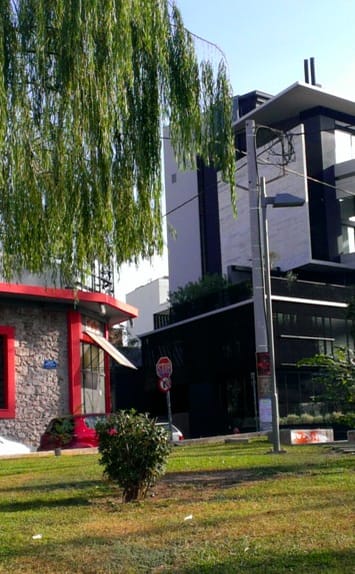 AthensGreece
Gazi
Gazi is a former industrial quarter of west Athens, named for the coal-gas works, Technopolis filling the old gasworks by the Kerameikos metro.Where to stay → AthensGreece
Thiseio
Thiseio is a traditional neighbourhood of old Athens northwest of the Acropolis, named for the Temple of Hephaestus. Apostolou Pavlou is its spine.Where to stay → AthensGreece
Pangrati
Pangrati is a leafy quarter in central Athens east of the National Gardens and the Panathenaic Stadium, named for a sanctuary of Hercules Pancrates.Where to stay → AthensGreece
Koukaki
Koukaki is a neighbourhood south of the Acropolis in Athens, running from the Acropolis Museum downhill to Syngrou Avenue. Plaka is a short walk.Where to stay →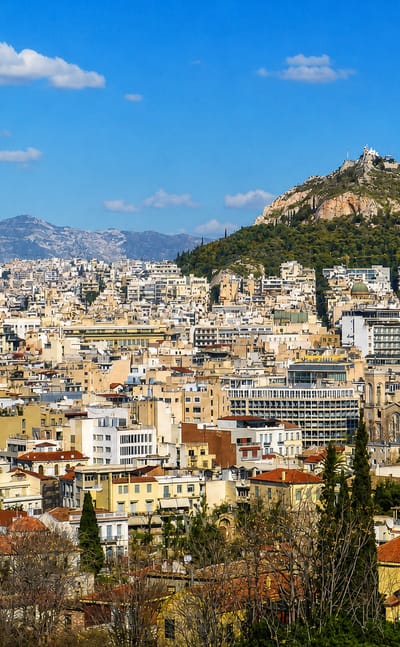 AthensGreece
Ymittos
Ymittos is a small residential suburb in the Athens urban area, a municipal unit of Dafni-Ymittos just southeast of the Acropolis of Athens.Where to stay →Hotel links are affiliate links: booking through them may earn us a commission, at no extra cost to you. It never affects how places are ranked. How this works
Find hotels in Athens
Direct booking searches for these neighbourhoods.
Around the Acropolis
The old streets below the Acropolis, within walking reach of the Acropolis Museum, the Ancient Agora of Athens and the Temple of Olympian Zeus.Find hotels in Around the Acropolischeaper central stays around Omonoia Square with fast transportOmonoia Square
The busier modern centre north of the ancient core, around Omonoia Square, with quick links across Attica and down to the coast.Find hotels in Omonoia SquareHotel links are affiliate links: booking through them may earn us a commission, at no extra cost to you. It never affects how places are ranked. How this works
Things to do in Athens
Ranked by global recognition; descriptions from Wikidata (CC0).
Museums & Galleries
3- National Archaeological Museum of Athens
- Acropolis Museum
- Benaki Museum
Churches & Religious Sites
2- Tzistarakis Mosque Heritage
- Church of Agios Ioannis the Hunter
Castles & Historic Sites
8- Panathenaic Stadium Heritage
- Platonic Academy Heritage
- Erechtheion Heritage
- Temple of Olympian Zeus Heritage
- Ancient Agora of Athens Heritage
Show 3 more →
- Temple of Athena Nike Heritage
- Theatre of Dionysus Heritage
- Odeon of Herodes Atticus Heritage
Nature & Outdoors
1- National Garden of Athens
Stadiums & Sports
2- Mets Indoor Hall
- Ergani Indoor Sports Hall
worth knowingacross 5 categories in Athens
About Athens
What is Athens known for?
Athens is known worldwide as the city of the Acropolis and the cradle of Classical Greece. The Parthenon still crowns the hill above the streets, and the ancient city that shaped Western civilization draws travellers from across the world to Greece. The past is everywhere.
Ancient monuments stand among the modern streets, from the Ancient Agora of Athens to the Temple of Olympian Zeus. Greece keeps its capital here.
What are the main landmarks in Athens?
Athens holds the greatest concentration of ancient monuments in Greece. The Acropolis rises above the city, crowned by the Parthenon and joined by the Erechtheion and the Temple of Athena Nike. Ruins fill the slopes below.
The Theatre of Dionysus, the Ancient Agora of Athens and the Temple of Olympian Zeus lie close to the rock, near the Arch of Hadrian. The Acropolis Museum and the National Archaeological Museum of Athens hold the finds, while the Panathenaic Stadium recalls the ancient games.
What is the history of Athens?
Athens is one of the oldest cities in Europe, its history running back thousands of years. In the age of Classical Greece it grew into a major cultural, political and religious centre, and the ideas formed here shaped the course of Western civilization. Athens gave the world its first democracy.
At its sacred heart stood the Acropolis. The Parthenon and the temples around it rose on the rock, while assemblies met on the Pnyx and philosophers taught at the Platonic Academy. Public life gathered in the Ancient Agora of Athens.
Empires came and went across the centuries that followed. Roman builders left the Arch of Hadrian and Hadrian's Library, later centuries added Byzantine churches, and Ottoman rule left the Tzistarakis Mosque in the old centre. Layer sits on layer here.
The Panathenaic Stadium held the ancient games. When modern Greece won its independence, Athens became the capital, and the ancient city and the new nation grew together around the same rock. The old and the new stand together in the streets.
That long past still fills the everyday streets of Athens, from the market squares to the temples on the rock. The Acropolis watches over it all.
Where is Athens?
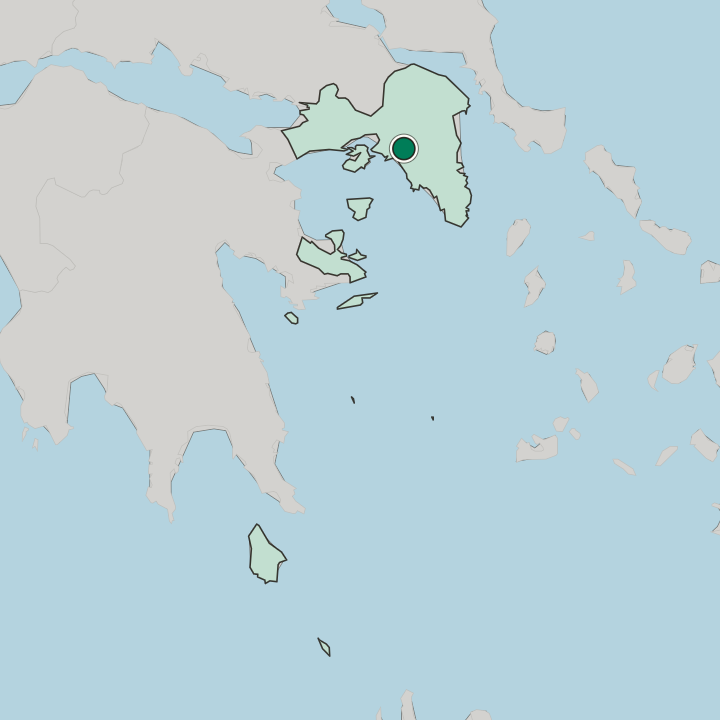
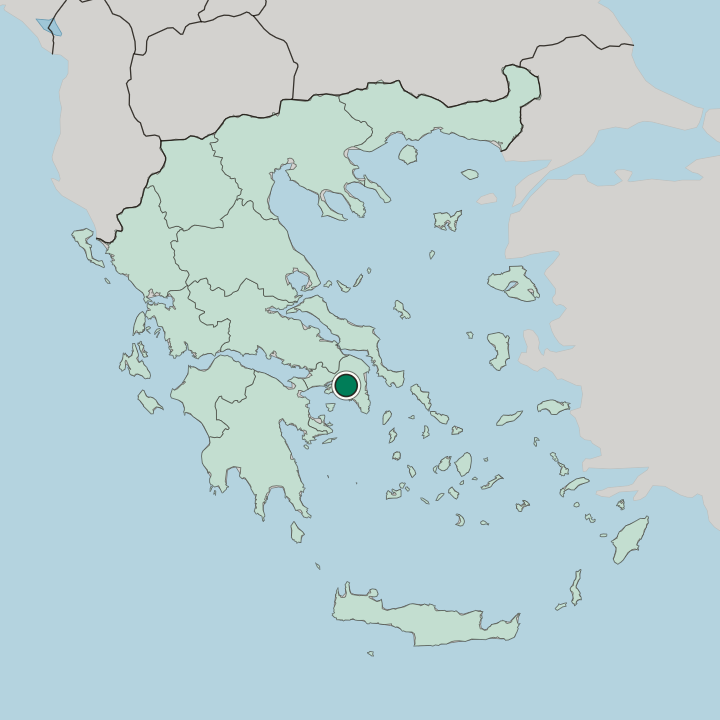
Athens spreads across the Attica region, close to the coast of the Mediterranean. It is the capital of the Attica region and a coastal urban area on the Mediterranean, ringed by hills and built around the rock of the Acropolis at its centre. The rock defines it.
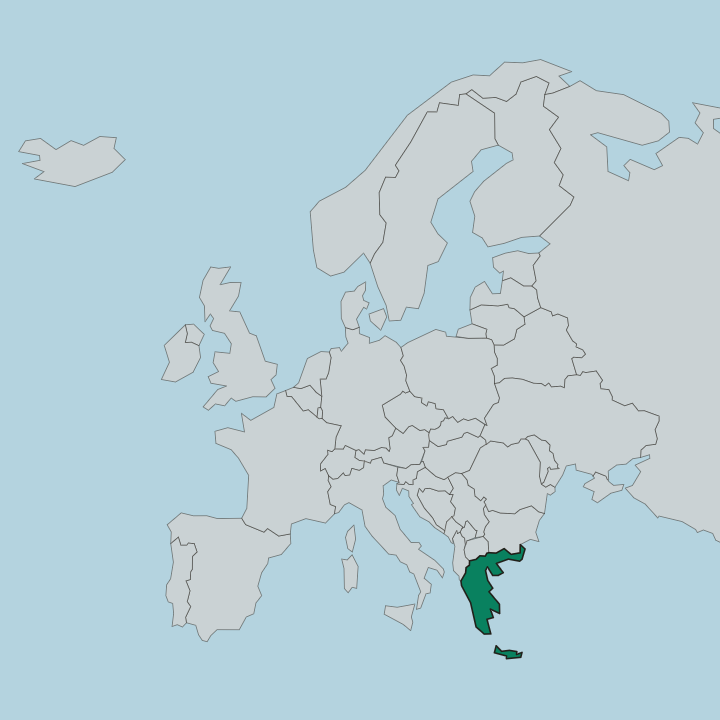
Athens is the southernmost capital on the European mainland, looking out toward the Aegean Sea beyond the Attic Peninsula. The sea lies just to the south.
What is the climate of Athens?
Athens sits firmly in the hot, dry Mediterranean band. Summers are long, hot and rainless, with the heat held in by the ring of hills, while winters stay mild and bring most of the year's rain. The city bakes in summer.
Sea breezes off the Aegean Sea bring some relief on the hottest days. Snow falls rarely.
How do you get to Athens?
Athens is the main way into Greece and the whole Attica region. Most visitors arrive by air, and a metro line links the airport to the centre below the Acropolis, while roads and rail run out across Attica and north into the rest of Greece. The sea is close too.
Ferries reach the islands from ports along the Attica coast, out toward the Aegean Sea. From the centre, everything is within reach.
Common questions
What is the best area to stay in Athens?
Around the Acropolis: first-time stays a short walk from the Acropolis and its museums. Omonoia Square: cheaper central stays around Omonoia Square with fast transport.
Good for
More cities in Attica
Updated October 2026