Greece · Western Macedonia
Where to Stay in Kozáni, Western Macedonia
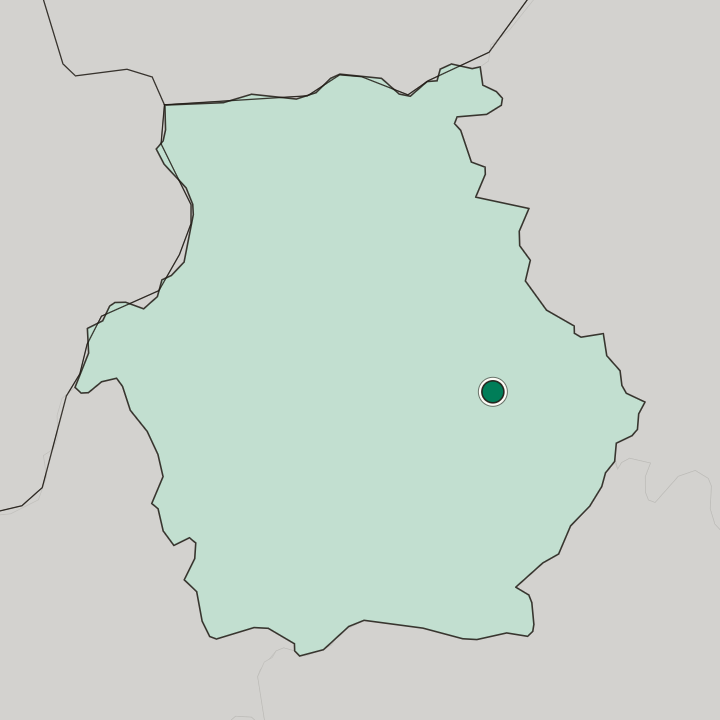
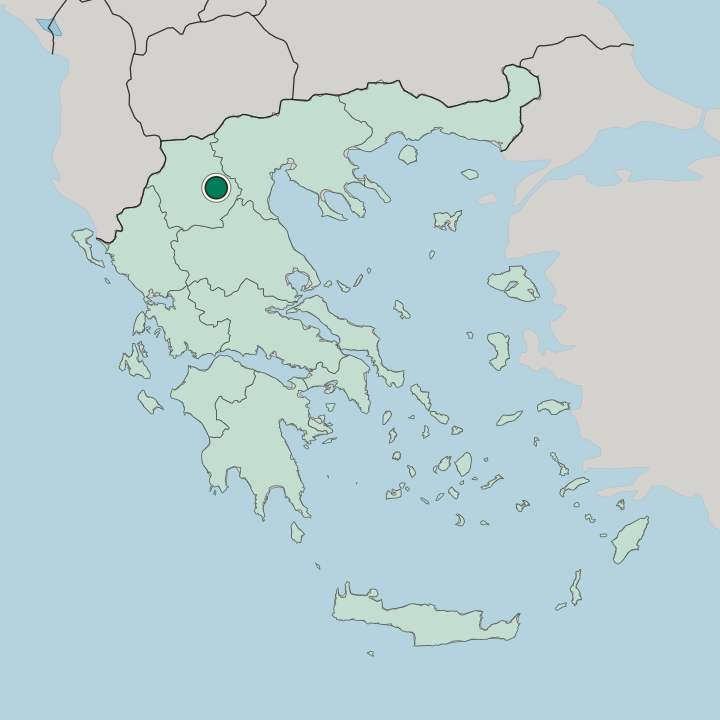
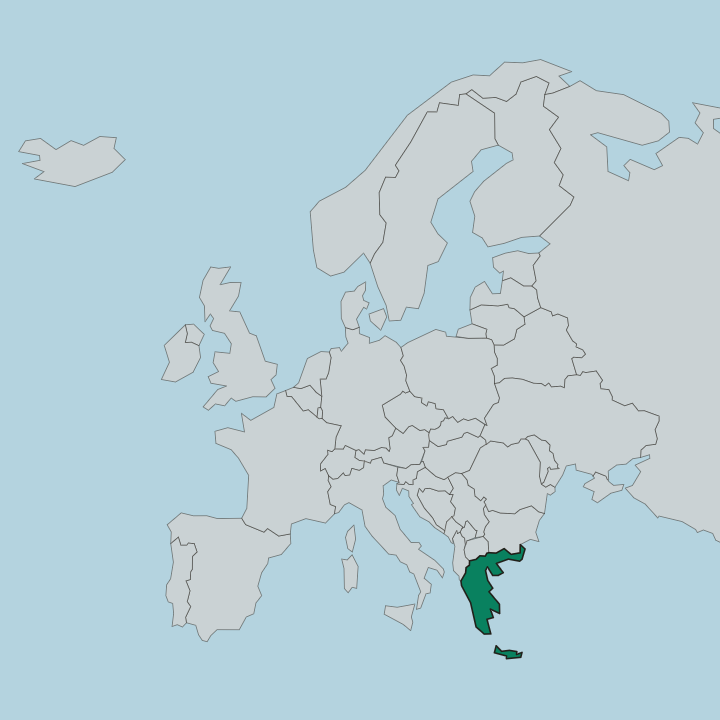
Kozáni, capital of Western Macedonia, stands in the north of the Aliakmonas valley in northern Greece, ringed by four mountains.
Hotel links are affiliate links: booking through them may earn us a commission, at no extra cost to you. It never affects how places are ranked. How this works


Where to stay in Kozáni
Where the beds are, and what that means for the visit.
The choice in Kozáni runs between the mansion streets and the road toward Polyfytos. Rooms near Vourkas Mansion and Vamvakas Mansion put Saint Nicholas Church, the Archaeological Museum of Kozani and the Municipal map library of Kozani within a walk, which suits travellers who came for the record the city keeps rather than the country around it. Walking covers it.
The older streets sit tight against one another and the museums are barely apart, so a night in that quarter buys distance saved rather than comfort. South-east the ground drops toward the artificial lake Polyfytos, fifteen kilometres off, and beds on that side of Kozáni favour anyone driving the Aliakmonas valley or working out of the city by car. Parking gets easier out there.
Saint Demetrius Church and the Historical, Folklore and Natural History Museum of Kozani stay in reach either way, since the built-up ground is not wide enough to make a long crossing of it. If you want range rather than nearness, Thessaloniki lies 120 km north-east and Ioannina 160 km the other way, and either one turns Kozáni into a day's run instead of a base.
Find hotels in Kozáni
Direct booking searches for these neighbourhoods.
The mansion streets
The older core of Kozáni, where Vourkas Mansion and Vamvakas Mansion stand near Saint Nicholas Church and the Archaeological Museum of Kozani.Find hotels in The mansion streetsdrivers working the Aliakmonas valley below the cityThe Polyfytos side
The south-eastern edge of Kozáni facing the artificial lake Polyfytos, fifteen kilometres down the valley, with easier parking than the mansion streets. Rooms are few around here — worth securing early.Find hotels in The Polyfytos sideHotel links are affiliate links: booking through them may earn us a commission, at no extra cost to you. It never affects how places are ranked. How this works
Things to do in Kozáni
Ranked by global recognition; descriptions from Wikidata (CC0).
Museums & Galleries
3- Historical – Folklore and Natural History Museum of Kozani
- Archaeological Museum of Kozani
- Vourkas Mansion
Churches & Religious Sites
3- Saint Nicholas Church, Kozani Heritage
- Saint Demetrius Church, Kozani
- Life-giving Spring Church, Kozani
Castles & Historic Sites
1- Kozani Heroon
Landmarks & Notable Places
1- Vamvakas Mansion
worth knowingacross 4 categories in Kozáni
About Kozáni
Administration is the first thing the name carries.
What is Kozáni known for?
The city is the capital of Western Macedonia and of the Kozani regional unit, and it holds that role from 710 metres above sea level in the north of the Aliakmonas valley. Three collections answer for the rest. The Archaeological Museum of Kozani and the Historical, Folklore and Natural History Museum of Kozani keep the local record between them, while the Municipal map library of Kozani looks after its surveyed end.
Vourkas Mansion and Vamvakas Mansion survive from the merchant fabric.
What are the main landmarks in Kozáni?
Churches and mansions carry most of it. Saint Nicholas Church and Saint Demetrius Church anchor the older streets, the Life-giving Spring Church makes a third on the same list, and the Kozani Heroon stands as the city's memorial to its dead. The museums are the other half: the Archaeological Museum of Kozani for what the ground has given up, the Historical, Folklore and Natural History Museum of Kozani for what households and the country around them handed over.
Vourkas Mansion and Vamvakas Mansion hold the merchant end. The roll reaches past the city to the Botanic Museum of Siatista.
What is the history of Kozáni?
A founding date is one thing Kozáni does not have. What the record keeps instead is a position and a job: a city in the north of the Aliakmonas valley, 710 metres above sea level, which came to serve as capital of the Kozani regional unit and of Western Macedonia as a whole. The mountains did the shaping.
Pieria, Vermio, Vourinos and Askio close the ground around the city, and a settlement placed inside that ring drew its traffic off the valley floor rather than off any coast. The buildings carry what the dates do not. Vourkas Mansion and Vamvakas Mansion stand for the merchant households that once ran the town's business, and Saint Nicholas Church and Saint Demetrius Church for the parishes that outlasted them.
The Kozani Heroon marks the dead. Museums hold the gathered version of all this: the Archaeological Museum of Kozani for excavated material, the Historical, Folklore and Natural History Museum of Kozani for what came out of households and the country around them, and the Municipal map library of Kozani for the surveyed record. Water changed the valley below.
The artificial lake Polyfytos sits fifteen kilometres south-east, a made thing on the Aliakmonas rather than a natural one.
Where is Kozáni?
Four mountains box the city in. Pieria, Vermio, Vourinos and Askio stand around Kozáni, which sits 710 metres above sea level in the north of the Aliakmonas valley, in the western part of Macedonia. The floor falls away south-east.
Fifteen kilometres in that direction the Aliakmonas is held back as the artificial lake Polyfytos, while past the mountain ring Thessaloniki lies 120 km north-east and Ioannina 160 km the other way.
What is the climate of Kozáni?
The mountain ring does the work. Pieria, Vermio, Vourinos and Askio cut Kozáni off from the sea air, and what settles over the Aliakmonas valley instead is a continental pattern: winters cold and dry, summers hot. Height adds to it.
Streets at 710 metres above sea level stand well above the artificial lake Polyfytos to the south-east, and that elevation belongs to the same continental account as the mountains do.
How do you get to Kozáni?
Roads carry everyone in. Thessaloniki lies 120 km north-east of Kozáni and Ioannina 160 km the other way, so the city falls near the midpoint of the overland run between the two. Neither leg is quick.
Coming up from the south-east means climbing out of the Aliakmonas valley past the artificial lake Polyfytos, fifteen kilometres below the city, before the ground levels off at 710 metres above sea level.
Common questions
What is the best area to stay in Kozáni?
The mansion streets: walkers who want Vourkas Mansion and Saint Nicholas Church on the doorstep. The Polyfytos side: drivers working the Aliakmonas valley below the city.
Good for
Updated October 2026