Greece
Western Macedonia, Greece — Towns & Travel Guide
Western Macedonia is Greece's only landlocked region, a highland corner of mountains, lakes and lignite in the far north-west.
Hotel links are affiliate links: booking through them may earn us a commission, at no extra cost to you. It never affects how places are ranked. How this works


Towns & cities in Western Macedonia
One town here has its own guide — it links to where to stay.
 Greece
Kozáni
Kozáni, capital of Western Macedonia, stands in the north of the Aliakmonas valley in northern Greece, ringed by four mountains.Where to stay →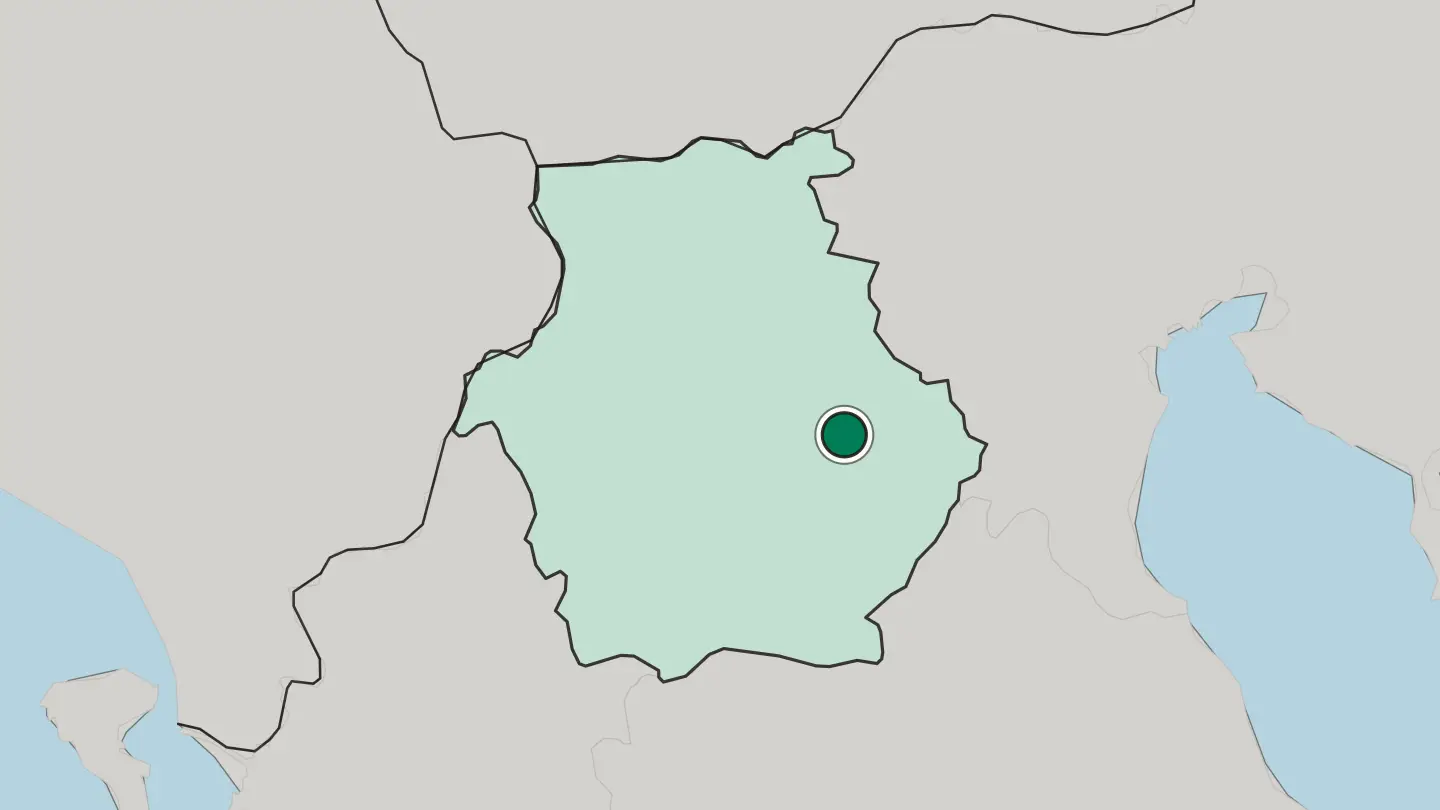
Hotel links are affiliate links: booking through them may earn us a commission, at no extra cost to you. It never affects how places are ranked. How this works
About Western Macedonia
This is Greece without a coastline.
What is Western Macedonia known for?
More than four-fifths of the region is mountainous, so travellers come for the highlands rather than the sea. Kastoria sits on a peninsula in Lake Orestiada and has traded fur since the 14th century, while Kozani, the regional capital, gives its name to the prized red saffron grown at nearby Krokos. The lignite basin around Ptolemaida burns the coal that long powered much of the Greek grid, and two ski centres, Vigla above Florina and Vasilitsa above Grevena, draw winter crowds into the Pindus.
Where is Western Macedonia?
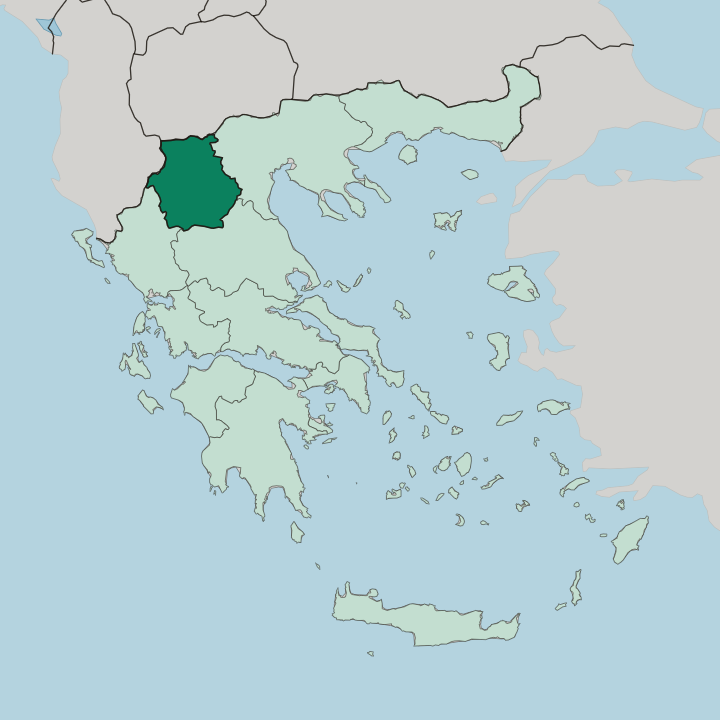
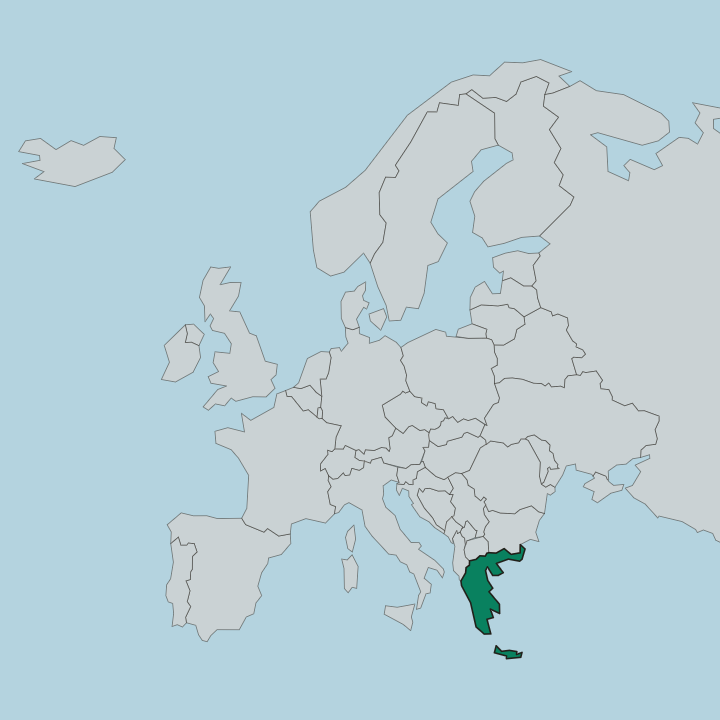
Western Macedonia fills the north-western corner of the Greek mainland, the westernmost slice of the broader Macedonia region. It is the only one of the country's thirteen regions with no sea coast at all. Mountains define almost everything here.
Better than four-fifths of the land is mountainous or semi-mountainous, and the ridges of the Pindus wall off the western edge, with Mount Grammos rising above the border country. The region divides into four regional units, named for their towns: Kozani in the south-east, Grevena to the south-west, Kastoria in the middle, and Florina to the north. Water fills the gaps between the ranges.
The Aliakmon, the longest river to run entirely inside Greece, drains south-east through Kozani and pools behind a dam in the long reservoir of Lake Polyfytos. Kastoria stands on its own lake, Lake Orestiada, and the twin Prespa lakes lie in the far north, shared with Albania and North Macedonia. Those two countries close off the region to the north; Central Macedonia lies to the east, Thessaly to the south, and Epirus to the west across the Pindus.
What is Western Macedonia like?
The culture here is bound to work, water and cold. Kastoria built its wealth on fur, tanning and stitching pelts that its merchants once shipped to Vienna, Budapest, Paris and Moscow, and the trade left behind grand lakeside mansions and more than seventy Byzantine and post-Byzantine churches on the peninsula. That craft still runs in family workshops across the town.
Kozani has its own signature: the deep-red saffron of Krokos, hand-picked flower by flower each October and holding a protected-origin name across the European Union. Winter is a season people mark rather than merely endure. Florina is famous across Greece for its street carnivals and the giant bonfires lit around the feast of Epiphany, when whole neighbourhoods gather at the fires.
The wider region keeps a mixed heritage in its village names and dialects, a legacy of the many peoples who farmed these highlands. Greek is the everyday language throughout. Food leans mountain-hearty here, built on the region's own beans, peppers and the Florina red pepper that carries the town's name onto tables far beyond it.
What is the history of Western Macedonia?
These highlands sat on ancient trade roads. Kastoria itself began when the emperor Justinian moved an older lakeshore town onto its promontory, and its Byzantine chapels date the long centuries that followed. The Ottomans took the region late in the 14th century and held it for over five hundred years.
Their rule ended in 1912. In the First Balkan War of that autumn, Greek forces pushed north and the wider region of Macedonia was split among the victorious Balkan states, and Western Macedonia became the Greek share of that partition.
What is the climate of Western Macedonia?
No sea moderates this region, so its climate turns sharply continental. Florina and the northern basins record hard frosts and reliable snow through winter, which is exactly what keeps the Vigla and Vasilitsa ski runs open. Summers run warm but short.
The high ground stays cooler than the lowland cities to the east, and snow lingers late on the Pindus peaks along the western rim. Spring and autumn are the kindest seasons for walking the lakes and gorges.
How do you get to Western Macedonia?
Most travellers drive in. The Egnatia Odos, the A2 motorway that crosses northern Greece from Igoumenitsa to the Turkish border, runs straight through Grevena and Kozani and ties the region to Thessaloniki about ninety minutes east. Kozani keeps its own small airport for domestic flights, usually reached with a change in Athens.
For international arrivals, Thessaloniki's airport is the practical gateway, an easy run west on the same motorway. Inside the region, the road connects Kozani, Kastoria and Florina across the passes.
Common questions
What is the best area to stay in Western Macedonia?
Kozani: the shortest transfer and a valley base. Kastoria: a lakeside stay wrapped by the water. Florina: walkers and skiers near the Prespa lakes.
Good for
More regions in Greece
Updated September 2026