Hungary · Baranya county
Where to Stay in Pécs, Baranya county
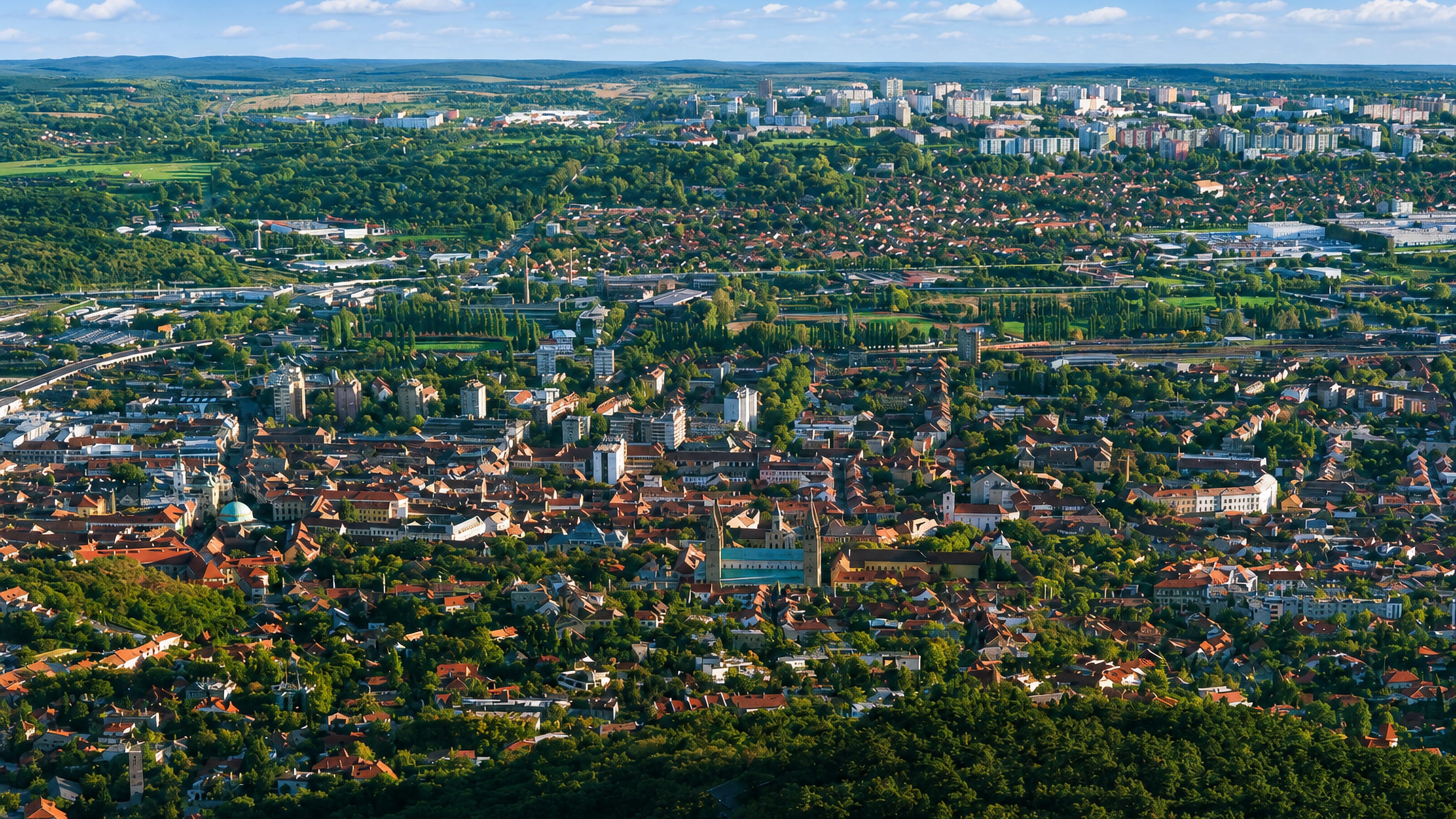
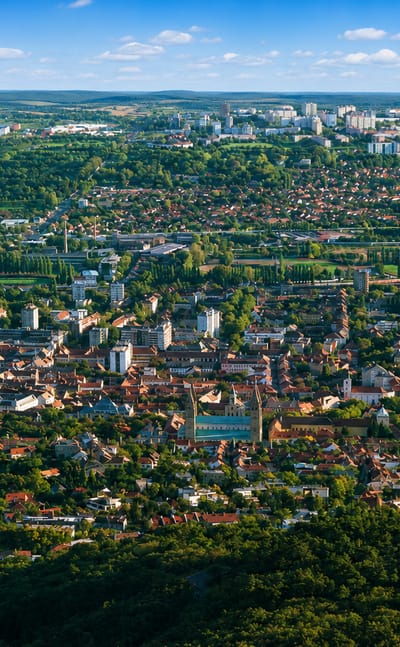
Warm light falls on Pécs, a city on the slopes of the Mecsek mountains in southwest Hungary, known for its early Christian tombs and Ottoman mosque.
Hotel links are affiliate links: booking through them may earn us a commission, at no extra cost to you. It never affects how places are ranked. How this works


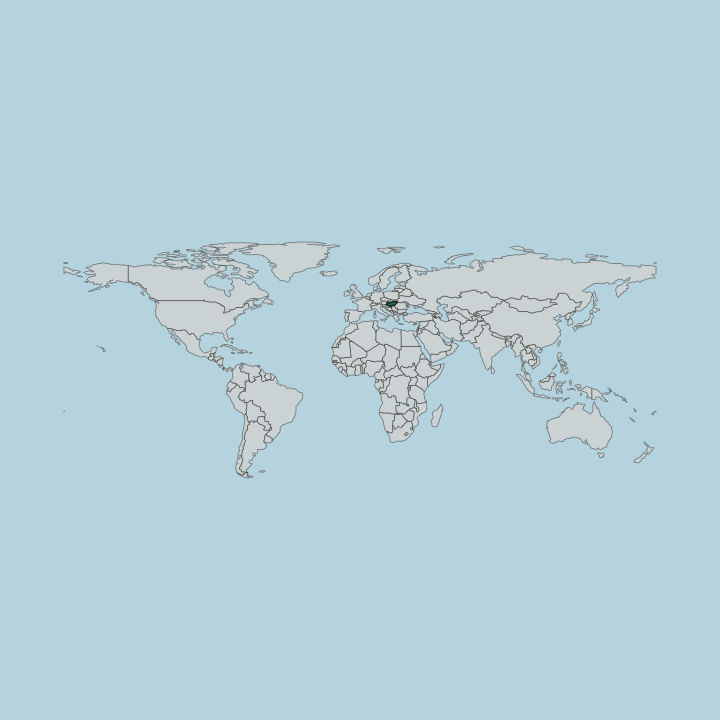
Where to stay in Pécs
One neighbourhood here has its own guide — here's what it is best for.
 PécsHungary
Üszögpuszta
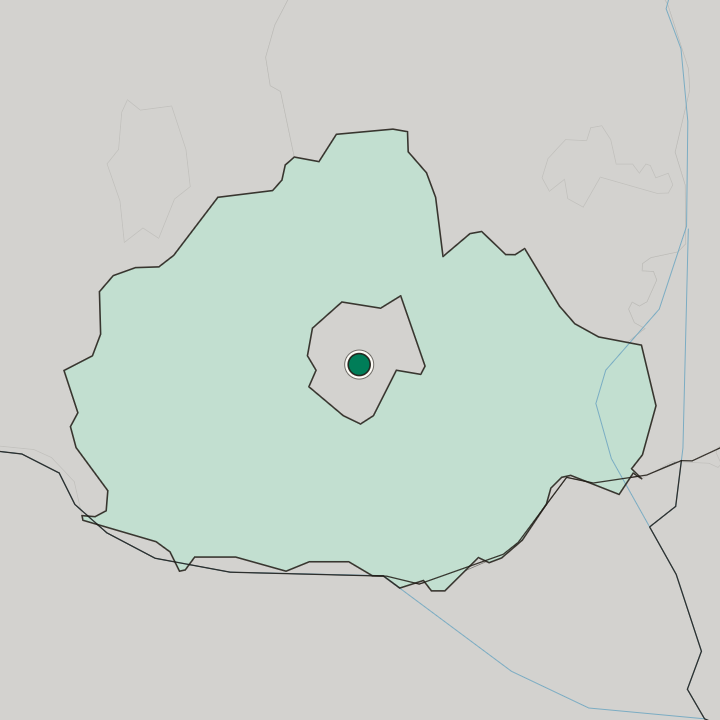
Üszögpuszta is an eastern district of Pécs, a named patch of Baranya county a few kilometres out from the city.Where to stay →Hotel links are affiliate links: booking through them may earn us a commission, at no extra cost to you. It never affects how places are ranked. How this works
Find hotels in Pécs
Direct booking searches for these neighbourhoods.
Old town below the cathedral
The centre clusters the Pécs Cathedral, the Yakovalı Hasan Paşa Mosque, and the Sopianae tombs a short walk apart.Find hotels in Old town below the cathedralTravellers wanting wooded slopes and quiet nights above the centreMecsek hillside
The Mecsek mountains climb behind town toward the Pécs TV Tower and the Tettyei Tufa Cave.Find hotels in Mecsek hillsideHotel links are affiliate links: booking through them may earn us a commission, at no extra cost to you. It never affects how places are ranked. How this works
Things to do in Pécs
Ranked by global recognition; descriptions from Wikidata (CC0).
Museums & Galleries
3- Szerecsen Pharmacy Museum Heritage
- Csontváry Museum
- Zsolnay Museum
Churches & Religious Sites
2- Pécs Cathedral
- Yakovalı Hasan Paşa Mosque
Castles & Historic Sites
2- Early Christian Necropolis of Pécs UNESCO
- Sopianae
Nature & Outdoors
1- Tettyei Tufa Cave
Stadiums & Sports
2- Stadion PMFC
- Lauber Dezső Sports Hall
Landmarks & Notable Places
1- Pécs TV Tower
worth knowingacross 6 categories in Pécs
About Pécs
What is Pécs known for?
Pécs is known for a heritage that stacks Roman, medieval, and Ottoman layers on top of one another. Few Hungarian cities hold so much. The centre of Baranya County keeps the early Christian tombs of the Sopianae necropolis, the Ottoman Yakovalı Hasan Paşa Mosque, and the great Pécs Cathedral, while the Zsolnay Museum shows the ceramics that carry the city's name.
It is an old university city in southwest Hungary.
What are the main landmarks in Pécs?
Pécs holds landmarks from every age of its long past. The Pécs Cathedral crowns the old town, the early Christian tombs of Sopianae lie beneath it, and the Ottoman Yakovalı Hasan Paşa Mosque survives from the Turkish century. Museums fill the same quarter.
The Zsolnay Museum, the Csontváry Museum, and the Victor Vasarely Museum gather the ceramics and painting that made the city's name, while the Pécs TV Tower rises on the Mecsek mountains behind the centre.
What is the history of Pécs?
Pécs carries one of the longest continuous pasts of any Hungarian city, and it wears each age in plain sight. Rome founded it as Sopianae, and the early Christian tombs of that settlement survive beneath the modern streets as one of the oldest layers in the country's southwest. Faith outlasted empire.
The Pécs Cathedral rose over the old Roman ground and grew through the Middle Ages into the seat of a diocese, its towers still the mark of the town on the slopes of the Mecsek mountains. The next age to arrive was Ottoman. Turkish rule left the Yakovalı Hasan Paşa Mosque and other Islamic buildings that stand beside the Christian churches, so mosque and cathedral share the same old core of Baranya County.
Later centuries brought art and learning. The Zsolnay ceramics gave the city an industrial fame, the museums gathered the work of Csontváry and Vasarely, and the university drew students to this corner of Hungary. Each period built beside the last rather than over it.
So Pécs endures as a stack of Roman, medieval, Ottoman, and modern layers standing together below the Mecsek mountains.
Where is Pécs?
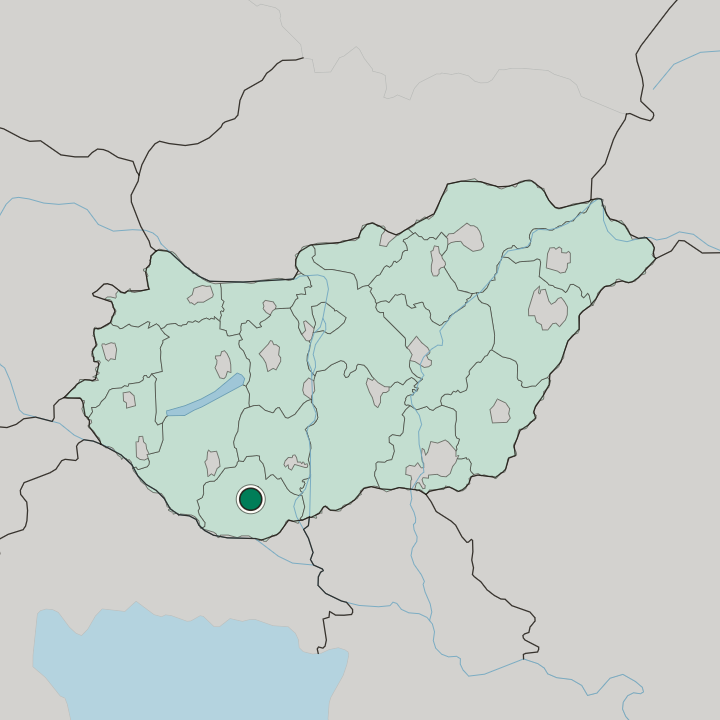
Pécs lies on the slopes of the Mecsek mountains, in southwest Hungary. Hills shelter it to the north. The centre of Baranya County spreads across the southern foot of the Mecsek mountains, close to the border with Croatia, so the town sits between wooded upland and open plain.
The ridge gives it shelter and warmth. This sheltered southern setting below the Mecsek mountains lends Pécs the mild air that marks its part of southwest Hungary.
What is the climate of Pécs?
Pécs has a mild, warm climate, softened by the shelter of the Mecsek mountains. The hills do much of the work. Their ridge shields the southern slopes from the harshest continental cold, so this corner of southwest Hungary, close to the border with Croatia, sees warmer, gentler weather than the open plains to the north.
Summers run long and warm, winters comparatively soft.
How do you get to Pécs?
Pécs is the main hub of southwest Hungary, gathering the routes of Baranya County. Roads and rail run in from the plain. As the fifth largest city of the country and the centre of Baranya County, close to the border with Croatia, it draws the region's traffic toward the foot of the Mecsek mountains, where the town spreads.
From the arrival points the old core and the Pécs Cathedral lie only a short way off.
Common questions
What is the best area to stay in Pécs?
Old town below the cathedral: First-time visitors reading Roman, Ottoman, and modern Pécs on foot. Mecsek hillside: Travellers wanting wooded slopes and quiet nights above the centre.
Good for
Updated October 2026