Hungary
Baranya county, Hungary — Towns & Travel Guide
Baranya county fills the far south of Hungary, where the Mecsek hills, red-wine villages and Roman Pécs meet the Dráva.
Hotel links are affiliate links: booking through them may earn us a commission, at no extra cost to you. It never affects how places are ranked. How this works


Towns & cities in Baranya county
One town here has its own guide — it links to where to stay.
 Hungary
Pécs
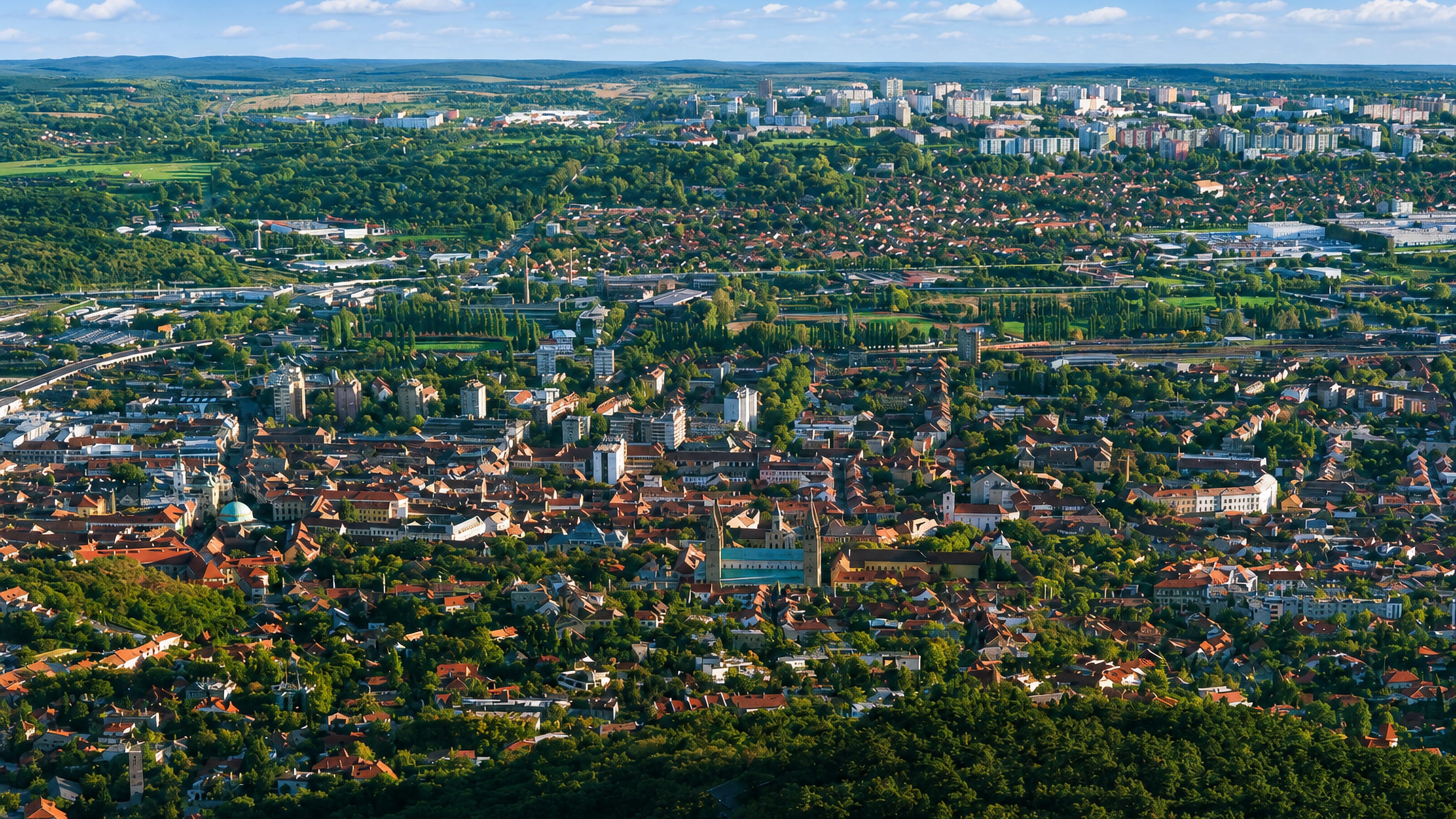
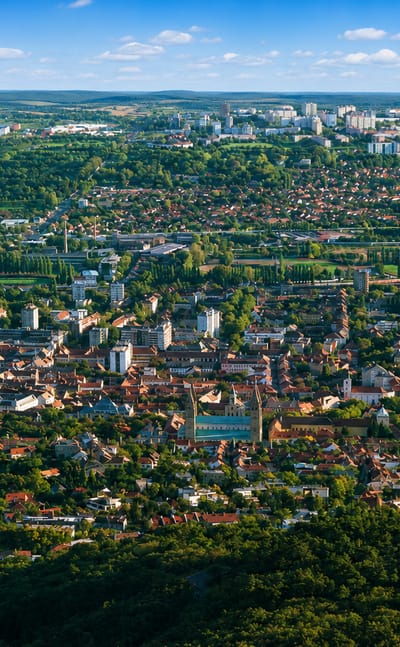
Warm light falls on Pécs, a city on the slopes of the Mecsek mountains in southwest Hungary, known for its early Christian tombs and Ottoman mosque.Where to stay →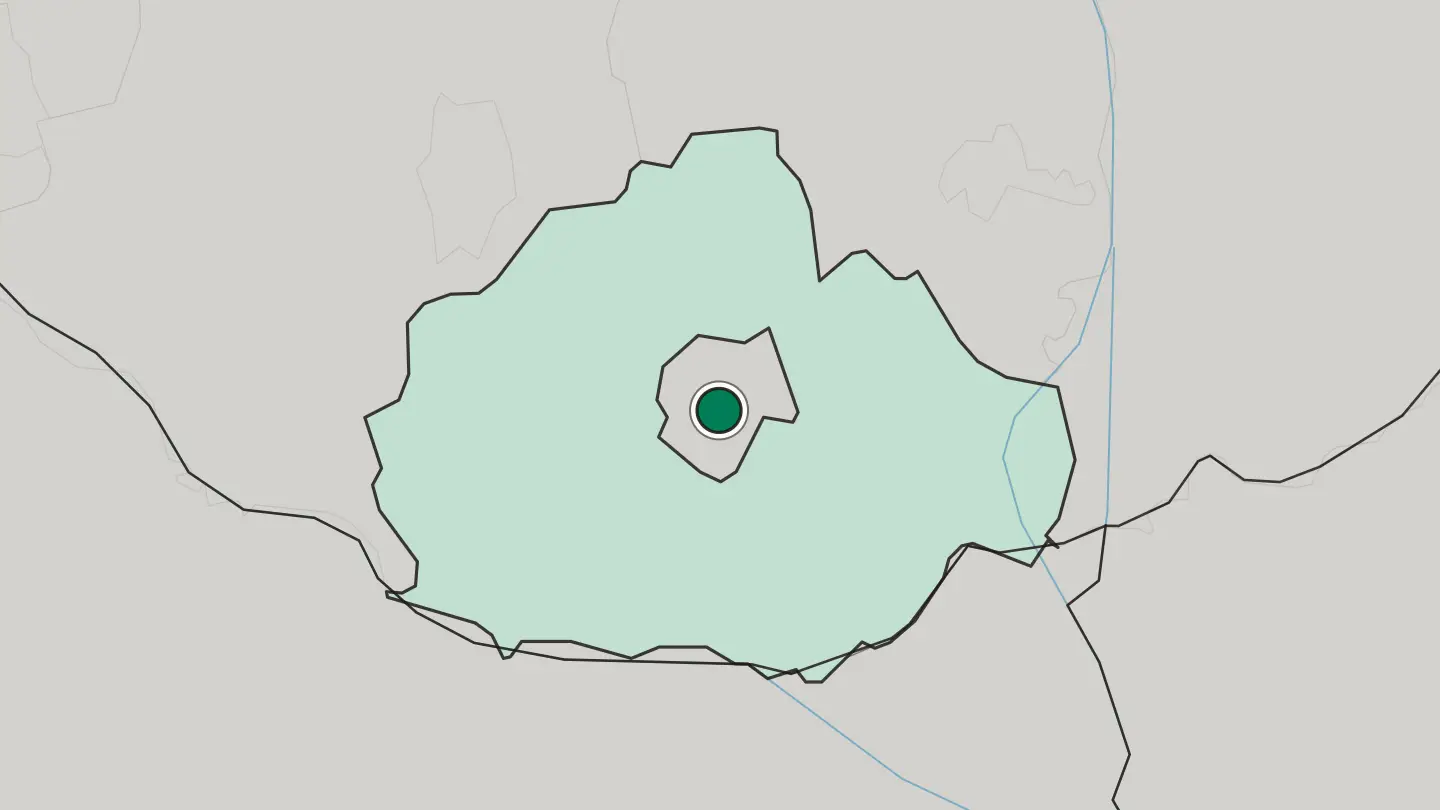
Hotel links are affiliate links: booking through them may earn us a commission, at no extra cost to you. It never affects how places are ranked. How this works
About Baranya county
What is Baranya county known for?
Baranya is Hungary's southern corner. Its seat, Pécs, wears the country's densest run of Ottoman-era buildings and a Roman burial ground old enough to hold UNESCO listing. The wooded Mecsek hills rise over the city, and just south of them the vineyards of Villány turn out the boldest reds in the country.
Spa water, porcelain and a warmer, near-Mediterranean air do the rest.
Where is Baranya county?
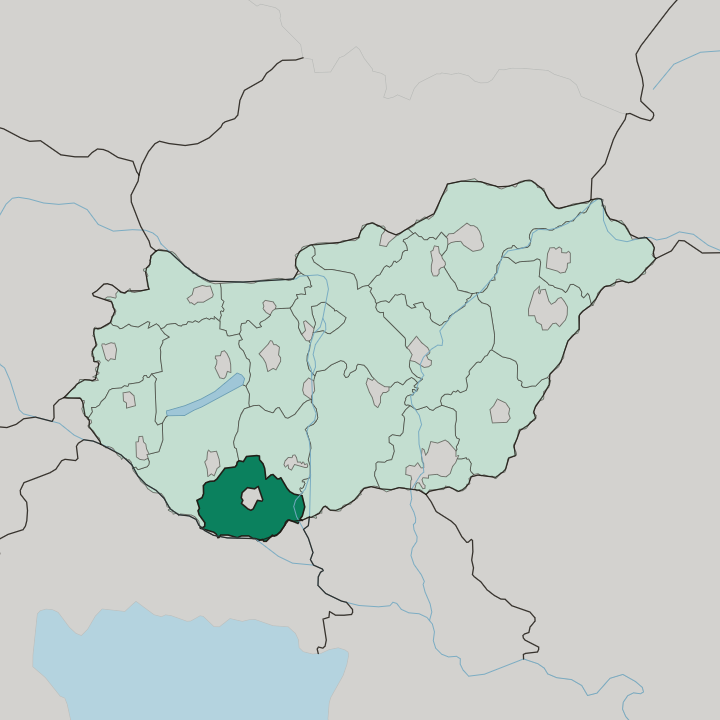
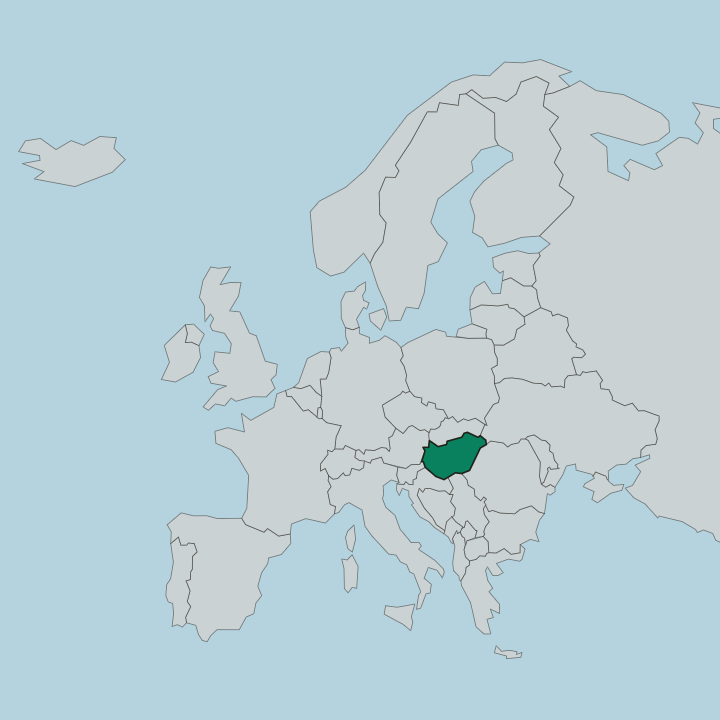
Baranya sits in the far south of Hungary, in the Southern Transdanubia region. Water marks two of its edges. The Danube runs down the county's eastern side, and the Dráva traces much of the southern border it shares with Croatia.
Between those rivers the land is not flat. The Mecsek hills climb across the north in a band of forest, and their highest point, Zengő, reaches 682 metres above the plain. Pécs stands on the southern flank of that range, sheltered where the hills give way to open ground.
South and east of the city the country levels out into the Pécs plain and the low ground running toward the Danube and the Dráva. This is the warmest lowland corner of Hungary, closer to the Mediterranean air than anywhere further north, and the vineyards of Villány and the spa springs of Harkány both sit within an easy drive of the county seat. Croatia begins just beyond the southern rivers.
What is Baranya county like?
Baranya holds more ethnic minorities than any other Hungarian county. Germans came first. From the 17th century, Danube Swabian farmers settled the villages along the river, and a Catholic subgroup from the Fulda country, the Stifolder, put down roots in the hills around Pécs.
Croats and Serbs live along the southern rivers, and their delegations still walk in the Villány wine parade each autumn. Layered under all of that is a Turkish past: 150 years of Ottoman rule left Pécs with the largest set of Ottoman buildings of any city in Central Europe, the Pasha Qasim mosque among them. Porcelain is the other thread.
The Zsolnay family made Pécs a name in ceramics through the 19th and 20th centuries, and their old factory has been rebuilt into a cultural quarter that anchored the city's turn as a European Capital of Culture. Wine ties the villages together. Cellars, castles and thermal parks give the county a rhythm that feels closer to the Balkans than to Budapest.
What is the history of Baranya county?
Romans built here first. Their town of Sopianae grew on the site of Pécs and, by the 4th century, held an early Christian cemetery whose painted burial chambers now carry UNESCO listing. A comitatus called Baranya appears in the Kingdom of Hungary from the 11th century, and the seat at Pécs won a bishopric and then one of the country's oldest universities.
Ottoman armies took the region after the nearby field of Mohács fell in 1526, holding it for a century and a half. The modern county, drawn in 1950, keeps the old name over much-changed borders.
What is the climate of Baranya county?
Baranya has the mildest weather in Hungary. Its position in the far south, and the reach of Mediterranean air up from the Adriatic, soften the winters that grip the rest of the country and give the county both the highest rainfall and a generous share of sunshine among the Hungarian counties. The Mecsek hills wring extra rain from passing weather, keeping their forests green, while the sheltered slopes below Pécs ripen the grapes that make Villány's reds.
Frost still comes, but it comes late.
How do you get to Baranya county?
Most arrivals come from Budapest. A train or a car covers the roughly two-and-a-half hours south-west from the capital to Pécs, which serves as the county's transport hub and the natural first stop. A small airport at Pogány, on the edge of Pécs, handles only occasional scheduled flights, so many travellers instead fly into Budapest and continue overland.
Within Baranya, buses link Pécs with Harkány, Villány and the towns along the Dráva. Croatia lies a short drive over the southern border.
Common questions
What is the best area to stay in Baranya county?
Pécs: a Roman and Ottoman city base. Harkány: thermal bathing near the Dráva. Villány: a red-wine cellar crawl. Siklós: a medieval castle stopover.
More regions in Hungary
Updated September 2026