Hungary · Fejér megye
Where to Stay in Dunaújváros, Fejér megye
Dunaújváros is an industrial city on the right bank of the Danube in Fejér County, built around Hungary's largest steelworks after the Second World War.
Hotel links are affiliate links: booking through them may earn us a commission, at no extra cost to you. It never affects how places are ranked. How this works


Where to stay in Dunaújváros
How the choice of base plays out on the ground.
The choice in Dunaújváros is between the planned blocks of the town centre and the water, and neither option is more than a short distance from the other in a city this size. The centre was drawn whole. Streets laid out in the post-war years run past Szentháromság-templom and the Dózsa Mozicentrum, so a room among them puts the architecture that people come to see directly outside the door.
The Church of the Transfer of the Relics of the Holy Father Nicholas stands in the same city, one more stop for anyone working through the list on foot. Exhibitions at the Institute of Contemporary Art and the Intercisa Múzeum Dunaújváros pull in a different kind of visitor, and staying near them turns an evening into a gallery walk instead of a mill view. The Danube changes the calculus.
A bed on the right bank trades the planned streets for the river, which is the one feature here older than the steelworks, the churches, and the town itself. Előszállás is another matter entirely, sitting out in the southwest of the district where a car matters more than a walk. Fejér County begins where the blocks end.
Find hotels in Dunaújváros
Direct booking searches for these neighbourhoods.
The planned centre
Szentháromság-templom and the Dózsa Mozicentrum stand inside the laid-out blocksFind hotels in The planned centreStays built around exhibitions rather than the steelworksAround the Institute of Contemporary Art
Contemporary galleries within reach of the Intercisa Múzeum DunaújvárosFind hotels in Around the Institute of Contemporary ArtTravellers who want the right bank of the Danube outside the doorThe Danube bank
River frontage below the planned town, away from the millsFind hotels in The Danube bankHotel links are affiliate links: booking through them may earn us a commission, at no extra cost to you. It never affects how places are ranked. How this works
About Dunaújváros
Steel made this city.
What is Dunaújváros known for?
The steelworks on the Danube is the largest in Hungary, and the town that went up around it in the years after the Second World War was planned whole rather than grown by accident. Its post-war architecture and street plan give an unusually clear view of how new towns were laid out in Eastern Europe. The Intercisa Múzeum Dunaújváros and the Institute of Contemporary Art fill in what the mills cannot.
What are the main landmarks in Dunaújváros?
The Institute of Contemporary Art puts new work into a city built for steel, and the Intercisa Múzeum Dunaújváros handles the record of what stood on the ground before the mills. Films run at the Dózsa Mozicentrum. Szentháromság-templom and the Church of the Transfer of the Relics of the Holy Father Nicholas hold the religious ground between them.
The Danube itself is the largest thing to look at.
What is the history of Dunaújváros?
Three names sit under this one city. In the 17th century the village on this stretch of the Danube was called Rácpentele, after the Serbs, or Rács, who lived there while the village was still under Ottoman rule. Later the place was Dunapentele, a small village on the right bank.
Then came the steel. A large steelworks and a whole planned settlement went up around that village after the Second World War, and the new town took the name Sztálinváros before becoming Dunaújváros in 1961. The mills are the largest in Hungary.
What went up beside them draws as much attention as the plant itself, since the streets, blocks and public buildings of the early post-war period survive here in one continuous piece of Eastern European planning. Intercisa Múzeum Dunaújváros keeps the older story, and Szentháromság-templom, the Church of the Transfer of the Relics of the Holy Father Nicholas, and the Dózsa Mozicentrum mark the layers that followed. County rights followed.
Dunaújváros holds the rank of a city with county rights inside Fejér County, an administrative standing that matches the size of what was built here.
Where is Dunaújváros?
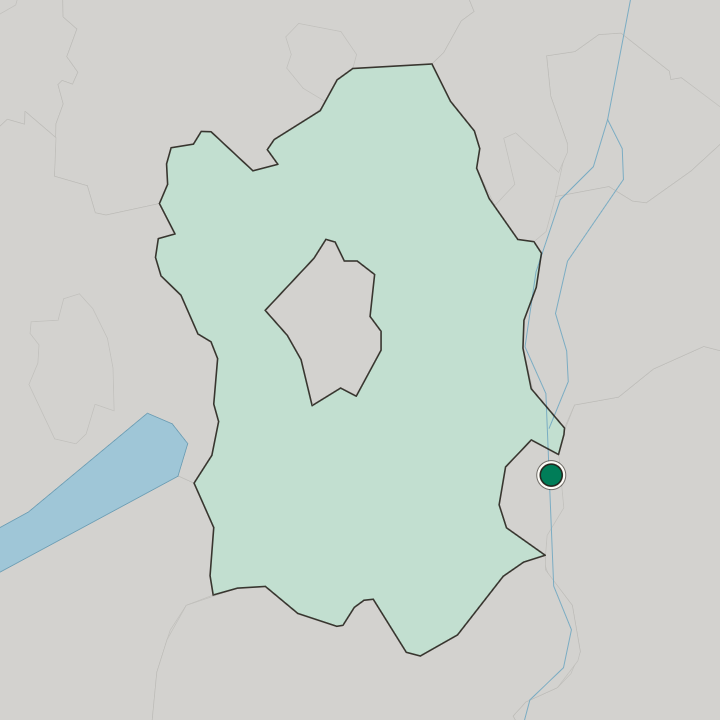
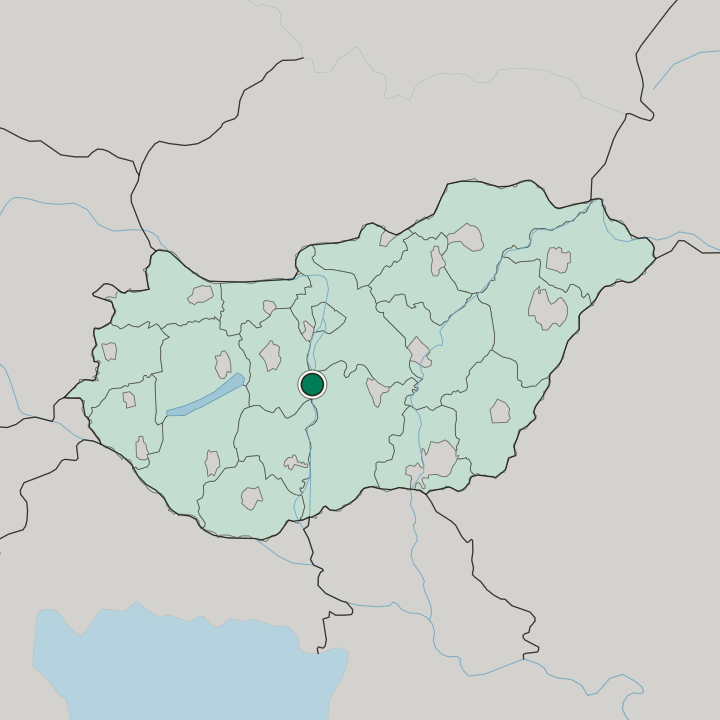
Dunaújváros holds the right bank of the Danube in Fejér County, roughly 70 kilometres south of Budapest, and its municipal ground covers some 53 square kilometres. The river sets its edge. Előszállás lies in the southwest of the same district.
Budapest lies upstream to the north, while the land around Dunaújváros belongs to Central Hungary and the Danube country that carries the river south.
What is the climate of Dunaújváros?
Winters here are properly cold. Dunaújváros sits in the temperate band well north of the tropics, so the year runs from a warm continental summer over the Danube flats to frost across the same open bank in January. Shelter is easy to find between the Dózsa Mozicentrum, the Intercisa Múzeum Dunaújváros, and the Institute of Contemporary Art when the weather closes in.
How do you get to Dunaújváros?
Dunaújváros sits about 70 kilometres south of Budapest on the right bank of the Danube, which puts the capital within an easy run north and the rest of Fejér County within a shorter one. Everything else is closer. Előszállás lies out in the southwest of the same district, and the smaller places of Fejér County ring the city on the landward side.
Common questions
What is the best area to stay in Dunaújváros?
The planned centre: Anyone reading the post-war street plan on foot. Around the Institute of Contemporary Art: Stays built around exhibitions rather than the steelworks. The Danube bank: Travellers who want the right bank of the Danube outside the door.
Good for
Another city in Fejér megye
Updated September 2026