Hungary
Fejér megye, Hungary — Towns & Travel Guide
Fejér vármegye spreads across Central Transdanubia, from the Danube's west bank to the warm shallows of Lake Velence and old Székesfehérvár.
Hotel links are affiliate links: booking through them may earn us a commission, at no extra cost to you. It never affects how places are ranked. How this works


Towns & cities in Fejér megye
Pick a town or city — each links to where to stay.
 Hungary
Székesfehérvár
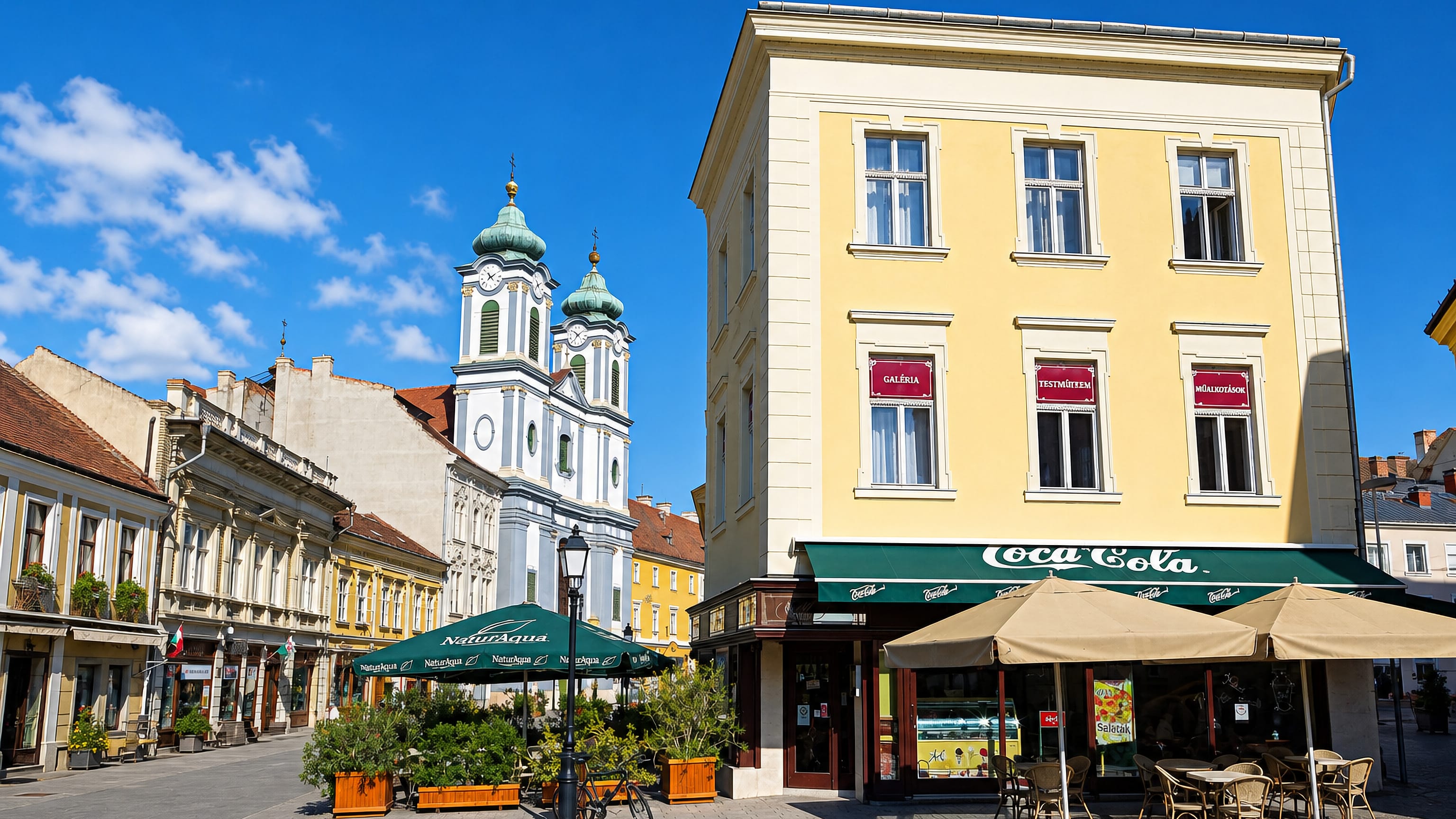
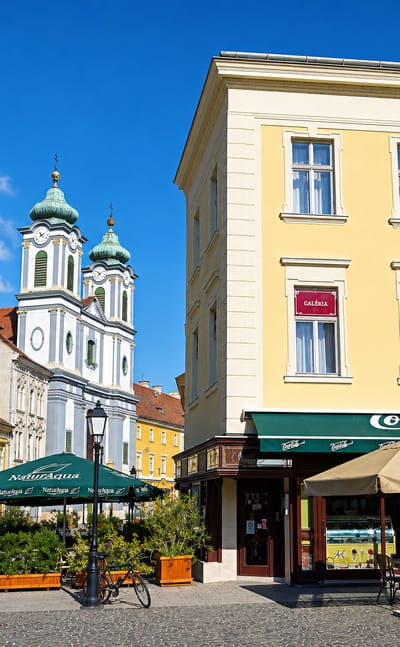
Old stone marks the coronation city of Székesfehérvár, a city in central Hungary between Lake Velence and Lake Balaton, the royal seat of Szent István.Where to stay →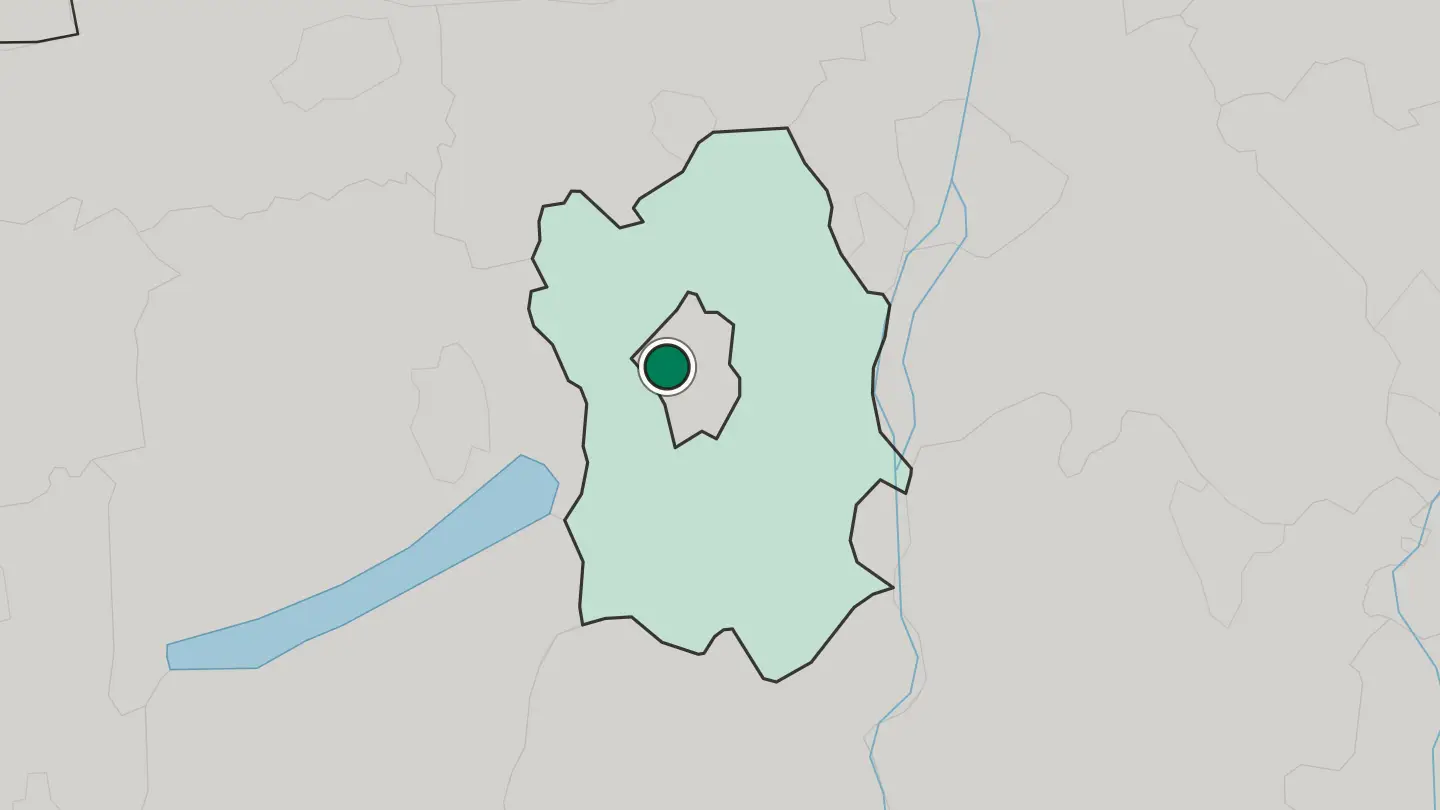 Hungary
Dunaújváros
Dunaújváros is an industrial city on the right bank of the Danube in Fejér County, built around Hungary's largest steelworks after the Second World War.Where to stay →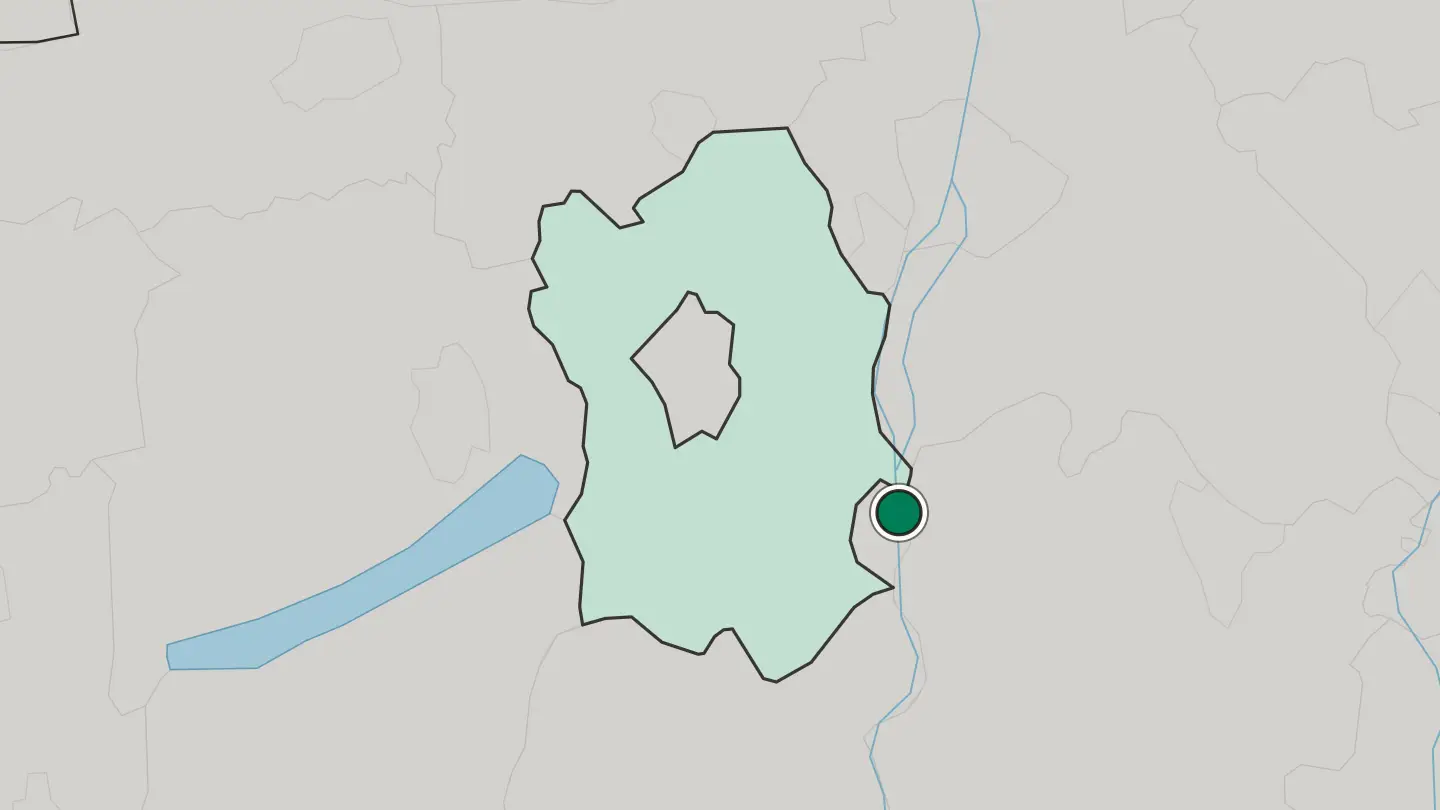
Hotel links are affiliate links: booking through them may earn us a commission, at no extra cost to you. It never affects how places are ranked. How this works
About Fejér megye
What is Fejér megye known for?
Fejér is Hungary's coronation heartland. Székesfehérvár, its seat, is where medieval kings of Hungary were crowned and buried, and the county still carries that weight in its churches and squares. Lake Velence, one of the warmest lakes in Europe, draws summer crowds to Gárdony and Velence, while Dunaújváros anchors the industrial Danube shore.
Vineyards climb the slopes around Mór. The Mezőföld plain rolls south toward the Great Hungarian Plain.
Where is Fejér megye?
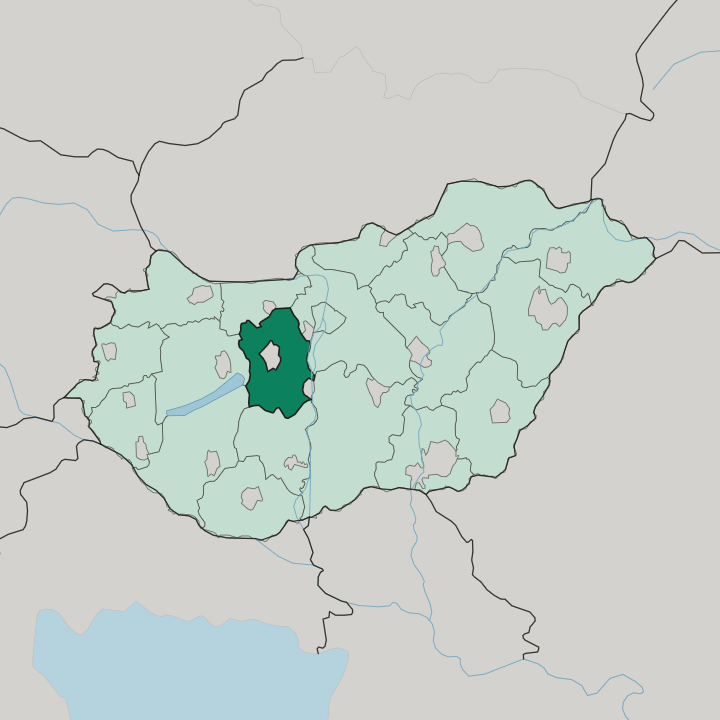
Fejér vármegye occupies the eastern reach of Transdanubia, filling the ground between the Danube and the near shore of Lake Balaton. It is a county of contrasts. The wooded Vértes hills rise along its northern edge, while the Mezőföld, a broad loess plain, spreads south and merges into terrain much like the Great Hungarian Plain across the river.
Lake Velence sits at the county's heart, shallow and reed-fringed, backed by the low granite knolls of the Velence Hills. The Sárvíz drains the interior southward toward the Danube. Water shapes the county twice over.
The great river runs down its eastern boundary, carrying barge traffic past Dunaújváros, and the lake at its centre gives Fejér its holiday face. Székesfehérvár stands roughly in the middle, on ground where the Gaja stream once braided into marshy islands. Neighbouring counties press in on every side, from Veszprém and Komárom-Esztergom in the west and north to Tolna and Bács-Kiskun in the south.
What is Fejér megye like?
Fejér's identity is bound to Székesfehérvár and its role as the crowning place of the Hungarian kingdom. For centuries the rulers of Hungary were anointed and laid to rest here, and the ruined medieval basilica at the city's core is still treated as sacred ground. That royal past sets the tone.
But the county's culture is not only medieval. Martonvásár holds the Brunszvik estate, where Beethoven stayed and taught, and its park now hosts open-air concerts under the summer sky. Mór gives its name to a small wine region, where the Ezerjó grape yields a sharp white poured in the town's cellars.
Dunaújváros tells a different story again, a planned socialist steel town raised in the 1950s, its wide avenues and workers' housing a deliberate break with everything older. Wine, water and iron all belong here. The threads rarely meet, yet together they make the county what it is.
What is the history of Fejér megye?
Fejér's story begins early. Prince Géza founded Székesfehérvár in 972 on marshy islands between the Gaja and the Sárvíz, and under his son, King Stephen, it became the seat of a new county and the coronation city of the realm. Kings were crowned and buried there for five centuries.
Ottoman armies held the county from the 1540s until the 1680s, wrecking villages and thinning its people, and only after their retreat was local rule slowly rebuilt.
What is the climate of Fejér megye?
Fejér has a warm continental climate, drier and sunnier than much of Hungary. Summers are hot over the open Mezőföld, and the shallow basin of Lake Velence heats fast, its water climbing to 26 or 28 degrees and making it one of the warmest lakes in Europe. Winters are cold but rarely severe.
Rain falls unevenly through the year. The sheltered plain south of the Vértes counts among the sunniest corners of the country.
How do you get to Fejér megye?
Székesfehérvár is the gateway. It lies an hour by train or road west of Budapest on the main line toward Lake Balaton, and most foreign visitors reach the county that way. Fejér has no airport of its own.
The M7 motorway skirts Lake Velence, putting Gárdony and Velence within easy reach of the capital, while a second route carries traffic south to Dunaújváros on the Danube. Rail also ties the seat north to Mór and its wine country.
Common questions
What is the best area to stay in Fejér megye?
Székesfehérvár: the old coronation city and rail links. Lake Velence shore: a thermal-bath summer by the water. Dunaújváros: the industrial Danube shore.
Good for
More regions in Hungary
Updated September 2026