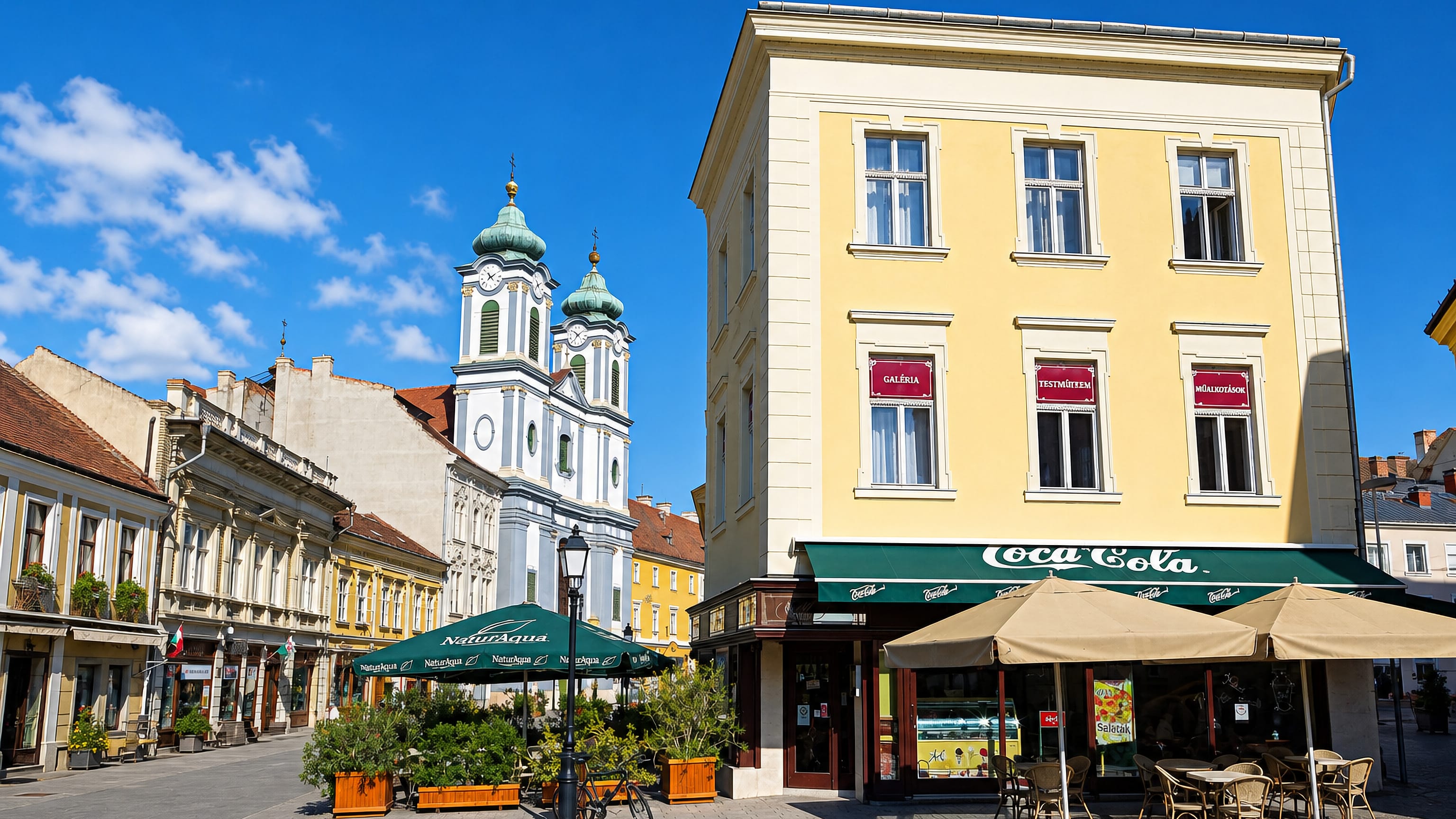
Hungary · Fejér megye
Where to Stay in Székesfehérvár, Fejér megye
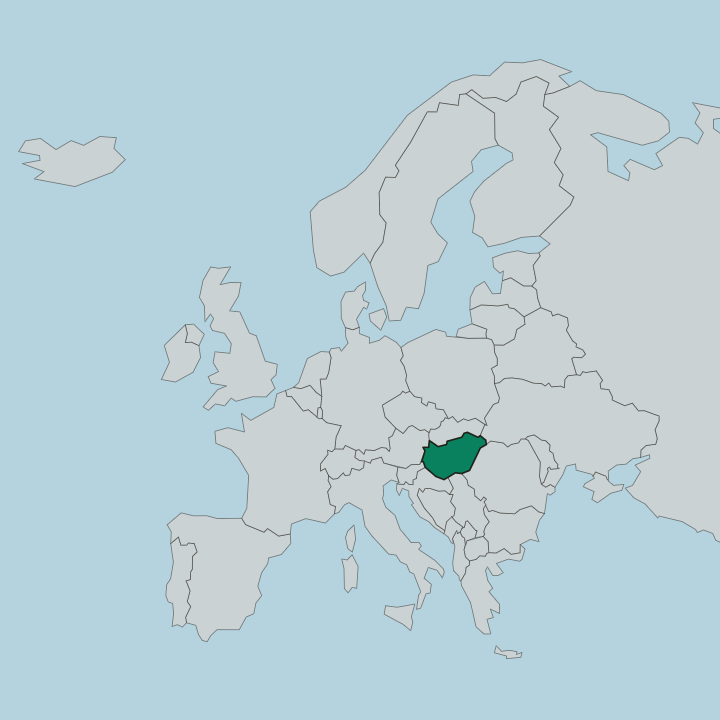
Old stone marks the coronation city of Székesfehérvár, a city in central Hungary between Lake Velence and Lake Balaton, the royal seat of Szent István.
Hotel links are affiliate links: booking through them may earn us a commission, at no extra cost to you. It never affects how places are ranked. How this works


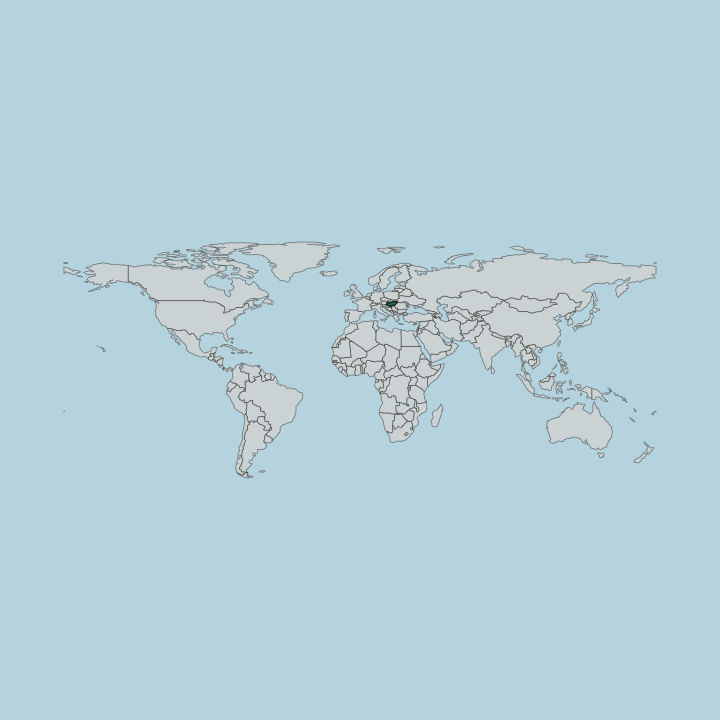
Where to stay in Székesfehérvár
Where you base yourself shapes the visit — here's the character of each area.
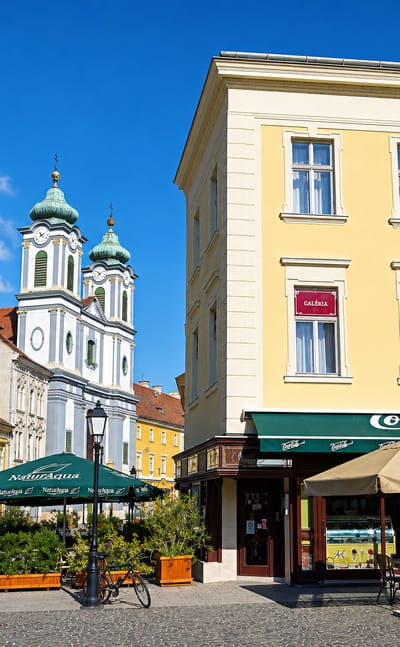
 SzékesfehérvárHungary
Kisfalud
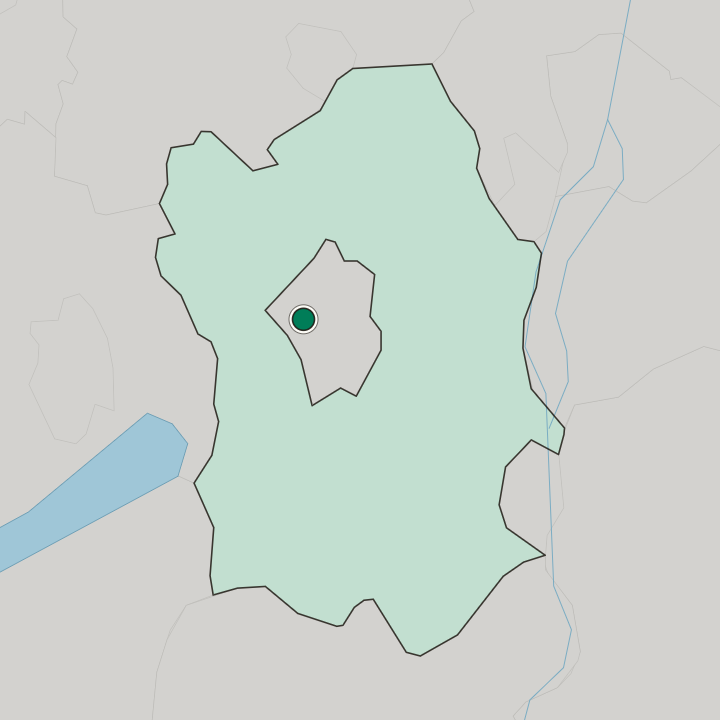
Kisfalud is a district on the east side of Székesfehérvár, crossed by the Budapest-Balaton bikeway and served by bus line 22.Where to stay →SzékesfehérvárHungaryBörgönd
Börgönd is an outlying district of Székesfehérvár in Fejér megye, standing some way east of the city itself.Where to stay →Hotel links are affiliate links: booking through them may earn us a commission, at no extra cost to you. It never affects how places are ranked. How this works
Find hotels in Székesfehérvár
Direct booking searches for these neighbourhoods.
Historic old town
The medieval core clusters the coronation cathedral, the Országalma, and the King Saint Stephen Museum a short walk apart.Find hotels in Historic old townTravellers wanting an unusual sight and quieter nights near the centreBory Castle quarter
The eastern edge holds the walled gardens and towers of Bory Castle, away from the busy old town.Find hotels in Bory Castle quarterHotel links are affiliate links: booking through them may earn us a commission, at no extra cost to you. It never affects how places are ranked. How this works
Things to do in Székesfehérvár
Ranked by global recognition; descriptions from Wikidata (CC0).
Museums & Galleries
3- Black Eagle Pharmacy, Székesfehérvár Heritage
- Bory Castle
- St. Stephen's Mausoleum
Churches & Religious Sites
1- Cathedral Basilica of St. Stephen the King, Székesfehérvár
Castles & Historic Sites
1- Országalma
Stadiums & Sports
1- Ifjabb Ocskay Gábor Ice Hall
worth knowingacross 4 categories in Székesfehérvár
About Székesfehérvár
What is Székesfehérvár known for?
Székesfehérvár is known as the coronation city of the Hungarian kings and the royal seat of Szent István. Its rank in the nation's story runs deep. Considered Hungary's first city, the regional capital of Central Transdanubia keeps a royal cathedral, an old mausoleum, and the eccentric walled gardens of Bory Castle among its landmarks, while the Országalma marks the heart of that old coronation ground.
Locals still call it Fehérvár.
What are the main landmarks in Székesfehérvár?
Székesfehérvár's landmarks gather around its old royal core. The coronation cathedral is the best known, standing where Hungarian kings were once crowned, while the royal mausoleum and the Országalma mark the same historic ground. Museums and oddities fill the wider town.
The King Saint Stephen Museum and the Deák Collection hold its collections, the Black Eagle Pharmacy preserves an old apothecary, and the fantastical Bory Castle rises on the eastern edge of Fehérvár.
What is the history of Székesfehérvár?
Székesfehérvár holds a founding place in the Hungarian story. Settled around 972 and raised as the royal seat of Szent István, the city became the coronation and burial place of the Hungarian kings, and is considered Hungary's first city. Its early greatness was built on kingship.
The coronation cathedral rose on the ground where sovereigns were crowned, and the royal mausoleum still marks that past at the centre of Fehérvár. War almost erased it. Most of the medieval city was destroyed under Turkish rule, and only fragments of the coronation church survived the long occupation of this part of central Hungary.
Rebuilding restored its dignity. Under Maria Theresa Habsburg the town was raised again to a baroque grace, and the Black Eagle Pharmacy and the grand houses of the old core date from that recovery. Each age wrote itself into the same small centre.
So the regional capital of Central Transdanubia reads as a layered record, from the royal seat of Szent István through Turkish ruin to Habsburg revival, all within a few streets of the old cathedral.
Where is Székesfehérvár?
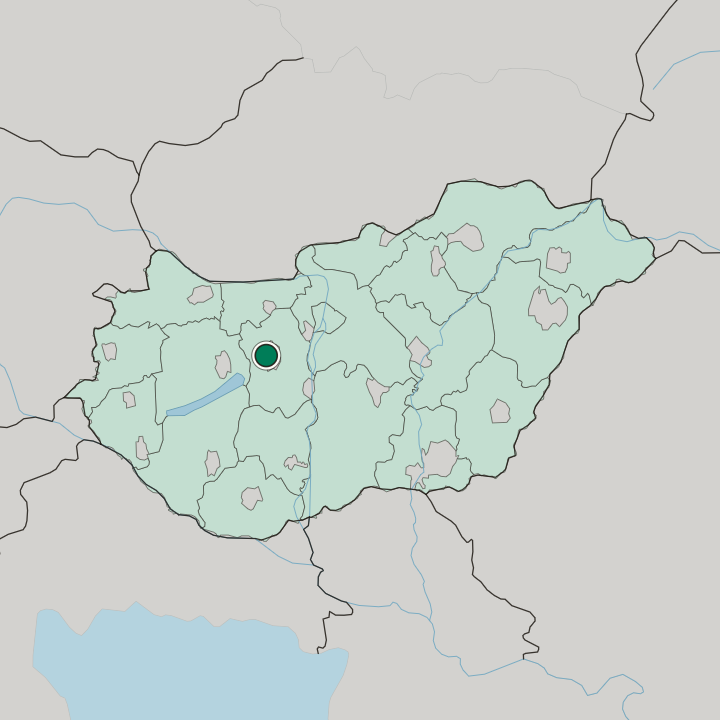
Székesfehérvár lies in central Hungary, between Lake Velence and Lake Balaton. Water frames it on two sides. The regional capital of Central Transdanubia stands roughly southwest of Budapest on level ground, close enough to both lakes to serve as a stop between them.
Little relief interrupts the plain. This open position between Lake Velence and Lake Balaton made Fehérvár a natural crossing point across central Hungary.
What is the climate of Székesfehérvár?
Székesfehérvár has a warm continental climate, set on the plain of central Hungary. Summer and winter pull far apart. Its inland position in Central Transdanubia, away from any sea, brings hot summers and cold winters, though the nearby waters of Lake Velence and Lake Balaton temper the extremes a little.
Spring and autumn pass quickly between them.
How do you get to Székesfehérvár?
Székesfehérvár is an important rail and road junction between Lake Balaton and Lake Velence. Routes cross here. As the regional capital of Central Transdanubia and a hub roughly southwest of Budapest, the city gathers the lines that link the capital to the lakes, so trains and highways meet at Fehérvár.
From the junction the old town and its coronation cathedral lie only a short way off.
Common questions
What is the best area to stay in Székesfehérvár?
Historic old town: First-time visitors tracing the coronation city of Szent István on foot. Bory Castle quarter: Travellers wanting an unusual sight and quieter nights near the centre.
Good for
Another city in Fejér megye
Updated September 2026