Hungary · Somogy megye
Where to Stay in Kaposvár, Somogy megye
Kaposvár is the capital of Somogy County, a city with county rights south of Lake Balaton and seat of the Diocese of Kaposvár.
Hotel links are affiliate links: booking through them may earn us a commission, at no extra cost to you. It never affects how places are ranked. How this works


Where to stay in Kaposvár
One neighbourhood here has its own guide — here's what it is best for.
 KaposvárHungary
Toponár
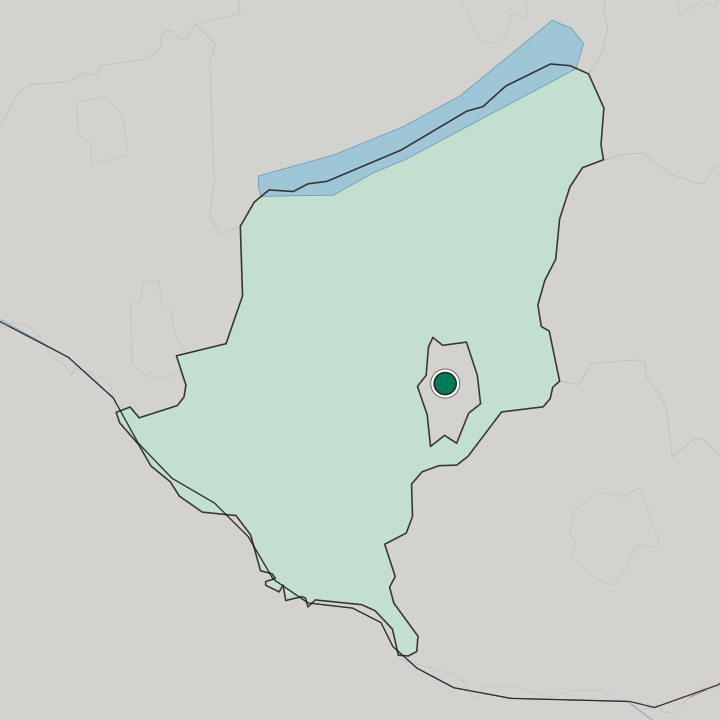
Toponár was an independent village until 1970 and is now a quarter of Kaposvár, settled by the Festetics family in the 18th century.Where to stay →Hotel links are affiliate links: booking through them may earn us a commission, at no extra cost to you. It never affects how places are ranked. How this works
Find hotels in Kaposvár
Direct booking searches for these neighbourhoods.
Cathedral quarter
The cathedral, the Rippl-Rónai Museum and the shopping streets fall inside one walk, with the diocesan offices on the same few blocks.Find hotels in Cathedral quartermatch and concert nights at the Kaposvár ArénaThe venues side
Nearest beds to the Stadion Kaposvár Rákóczi and the Kaposvár Városi Sportcsarnok, with parking the cathedral streets cannot offer.Find hotels in The venues sideHotel links are affiliate links: booking through them may earn us a commission, at no extra cost to you. It never affects how places are ranked. How this works
Things to do in Kaposvár
Ranked by global recognition; descriptions from Wikidata (CC0).
Museums & Galleries
1- Rippl-Rónai Museum
Churches & Religious Sites
1- Our Lady of the Assumption Cathedral, Kaposvár
Stadiums & Sports
3- Kaposvár Aréna
- Stadion Kaposvár Rákóczi
- Kaposvár Városi Sportcsarnok
worth knowingacross 3 categories in Kaposvár
About Kaposvár
Sport and the county museum share the billing.
What is Kaposvár known for?
The Rippl-Rónai Museum holds the Somogy County collections, while the Stadion Kaposvár Rákóczi, the Kaposvár Aréna and the Kaposvár Városi Sportcsarnok give a city of this size an unusually full set of venues. Church business matters as well. Kaposvár is a bishop's seat, and the Our Lady of the Assumption Cathedral is the building that role produced.
What are the main landmarks in Kaposvár?
The Our Lady of the Assumption Cathedral is the set piece. It serves the Diocese of Kaposvár and gives the centre its tallest work, while the Rippl-Rónai Museum supplies the counterweight, a county museum carrying the name of Rippl-Rónai. Three sporting venues follow.
The Stadion Kaposvár Rákóczi takes the football, the Kaposvár Aréna the larger indoor events and the Kaposvár Városi Sportcsarnok the rest, which is heavy provision for a county seat.
What is the history of Kaposvár?
Administration built this city. Kaposvár became the capital of Somogy County and the seat of the Kaposvár District, and those two roles account for most of what stands in the centre, the offices and the public buildings that a county town accumulates. The church added a second layer.
The Diocese of Kaposvár made the city a bishop's seat, and the Our Lady of the Assumption Cathedral is the building in which that status is carried, the largest church of the district and the one the diocese works from. Transdanubia sets the wider frame. Kaposvár counts among the leading cities of Transdanubia, and its standing there rests on county administration and regional trade rather than on any position beside a great river.
The city sits south of Lake Balaton. That put it near enough to the lake country to share in its traffic without ever being a shore town, and the difference shows in a centre built for county work instead of for summer visitors. The museum keeps the record.
The Rippl-Rónai Museum holds the collections of Somogy County, and the name it carries ties the city to Rippl-Rónai, the cultural association most often attached to Kaposvár.
Where is Kaposvár?
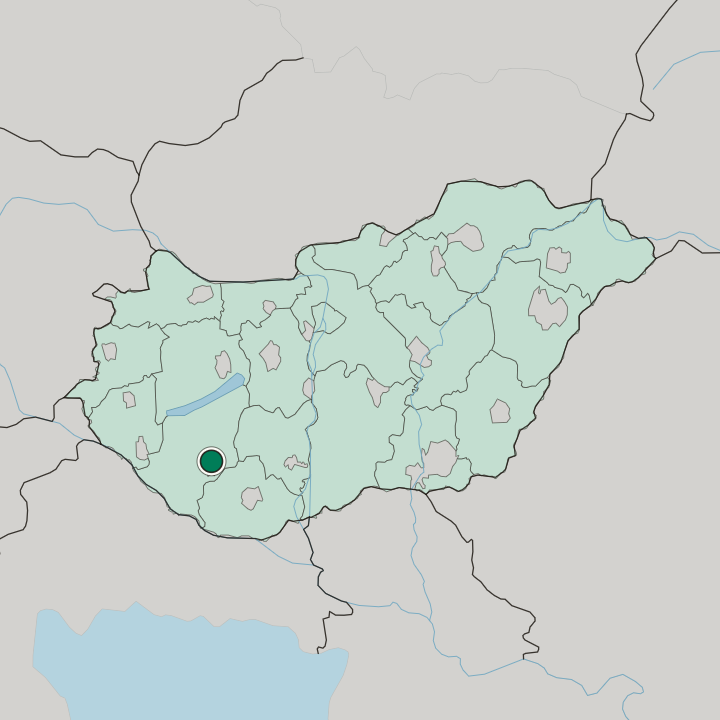
Kaposvár lies south of Lake Balaton, in the middle of Somogy County, with the Kaposvár District spread around it. Transdanubia is the region. The city sits inland, far enough from the Balaton shore that the lake counts as a day trip rather than a view from the window, which keeps Kaposvár working as a county town instead of a resort.
Somogy County is its whole horizon.
What is the climate of Kaposvár?
Lake Balaton is too far off to soften the year. Kaposvár sits inland in Transdanubia, so summers run warm and dry while winters turn cold, and the shoulder seasons are the reliable time for walking the centre between the cathedral and the museum. Rain is spread through the months.
Match nights at the Kaposvár Aréna are indoors for a reason, and the winter half of the year sends most of the city public life under a roof.
How do you get to Kaposvár?
Roads from Lake Balaton bring many visitors in. Kaposvár is the road and rail focus of Somogy County, so the routes from the lake and from the rest of Transdanubia meet here, and trains reach the city from the wider Hungarian network. The station is walkable to the centre.
Local services fan out into the Kaposvár District, and drivers find parking simplest near the Stadion Kaposvár Rákóczi.
Common questions
What is the best area to stay in Kaposvár?
Cathedral quarter: short stays around the Our Lady of the Assumption Cathedral and the county museum. The venues side: match and concert nights at the Kaposvár Aréna.
Good for
Updated September 2026