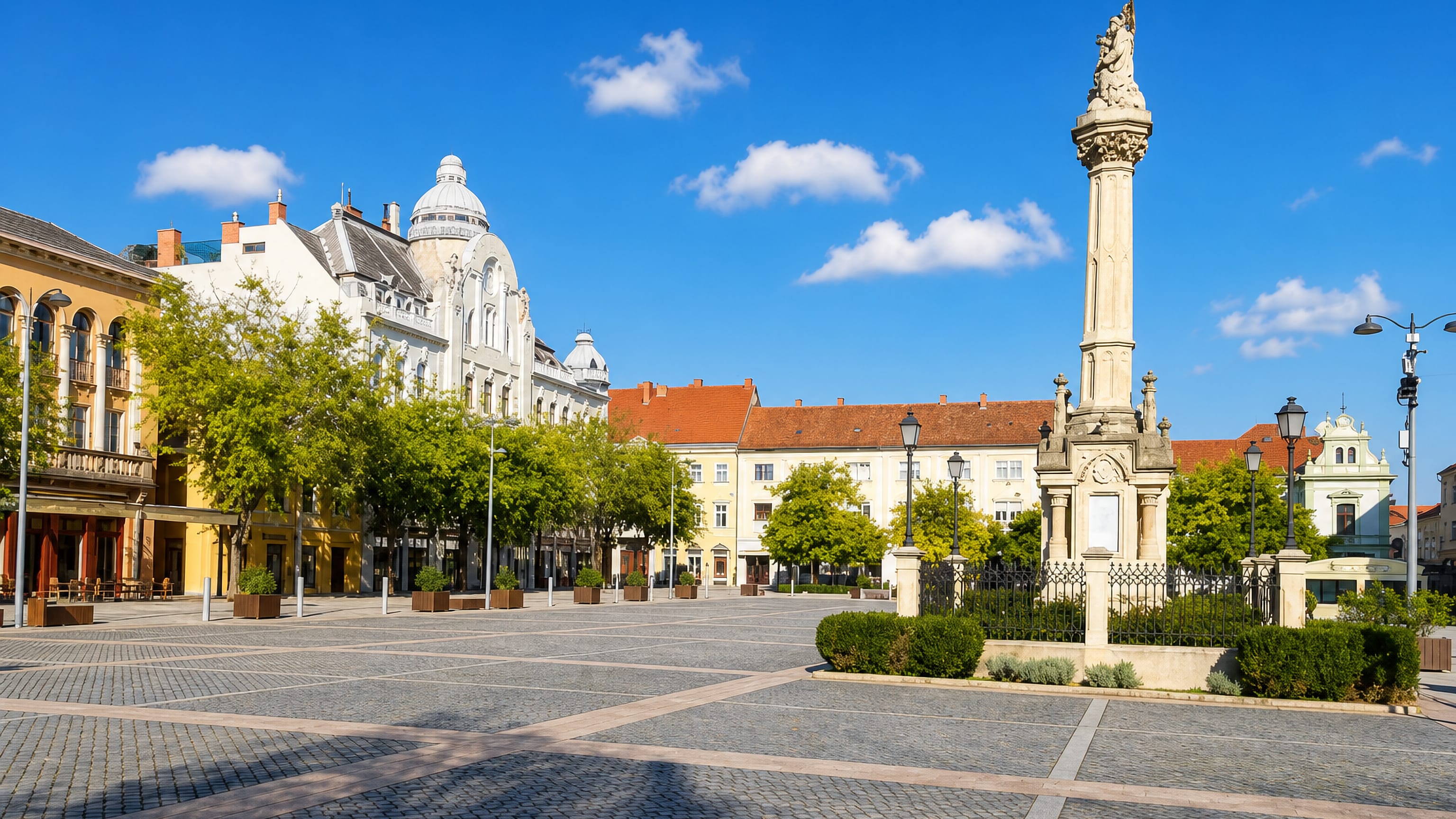
Hungary · Vas megye
Where to Stay in Szombathely, Vas megye
Szombathely is the oldest city in Hungary, the ancient Roman Savaria in the west of the country, birthplace of Saint Martin of Tours.
Hotel links are affiliate links: booking through them may earn us a commission, at no extra cost to you. It never affects how places are ranked. How this works



Where to stay in Szombathely
How the choice of base plays out on the ground.
Where you stay in Szombathely turns on the old centre. The streets around the cathedral keep the Roman ruins, the temple, and the museums within a walk, and staying downtown suits anyone here for the city. The Garden of Ruins lies close by.
Old squares open among the streets. Out toward the parks and the western hills, the town gives way to gardens, the village museum, and the country roads. A room from the centre trades the old town for the lakeside park, the skanzen, and the quiet of the plain.
Green fields run to the border. Stay downtown for the ruins, or outside for the parks. The centre lies a short walk in.
Find hotels in Szombathely
Direct booking searches for these neighbourhoods.
The old centre
Around the cathedral and the Garden of RuinsFind hotels in The old centreStays wanting the gardens and skanzenThe parks
Out toward the lakeside park and hillsFind hotels in The parksHotel links are affiliate links: booking through them may earn us a commission, at no extra cost to you. It never affects how places are ranked. How this works
Things to do in Szombathely
Ranked by global recognition; descriptions from Wikidata (CC0).
Museums & Galleries
3- Iseum Savariense Heritage
- Gallery of Szombathely
- Savaria County Municipal Museum
Churches & Religious Sites
3- Franciscan Church in Szombathely
- Evangelic church in Szombathely
- Szent Kereszt-templom
Castles & Historic Sites
2- Savaria Mithraeum
- Liberation Monument
Stadiums & Sports
1- Arena Savaria
worth knowingacross 4 categories in Szombathely
About Szombathely
Szombathely is the old Roman city of the Hungarian west.
What is Szombathely known for?
The Romans founded it as Savaria on the amber road, and it grew into a great city of the empire and the birthplace of Saint Martin, and it keeps the ruins of the Roman town, the reconstructed temple of Isis, a grand cathedral and bishop's palace, and museums of its ancient past. Roman stones lie under the streets. The old town rings its squares.
What are the main landmarks in Szombathely?
The temple of Isis rises again in the heart of Szombathely. The rebuilt Roman shrine of the goddess, raised on its ancient foundations, stands among the old streets, the emblem of the city, near the centre. A garden of ruins lies open.
The old Roman town is laid bare in the Garden of Ruins, while the great cathedral, the bishop's palace, and the museums of Savaria mark the streets of Szombathely.
What is the history of Szombathely?
Szombathely began as a Roman capital. The emperor Claudius founded Savaria here on the amber road in the first century, and it grew into the capital of a Roman province, a city of temples, baths, and forums. Rome ruled the west from here.
Along its paved streets stood the temple of Isis and the shrines of the empire, and the great Saint Martin was born in the city. The Roman city fell but the town lived on. Earthquake and invasion ruined old Savaria, and a smaller town rose on the ruins through the middle ages, taking a Hungarian name that means Saturday-place, for its market day.
The Romans returned to view. In the modern age the buried Roman town was dug out again, its temple of Isis rebuilt and its ruins laid open in a garden, while a grand cathedral and bishop's palace rose above them. The old stones still lie downtown.
Szombathely keeps its Roman ruins and its churches on the western plain.
Where is Szombathely?
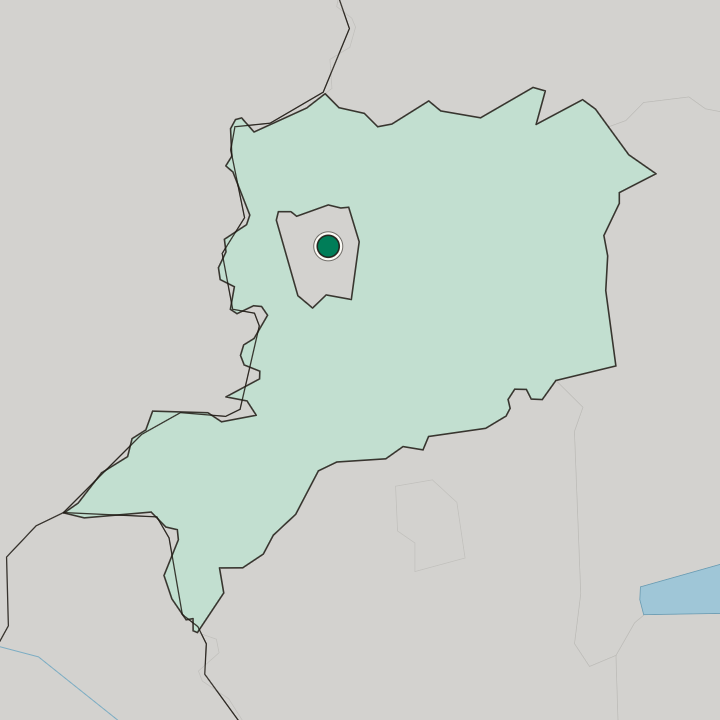
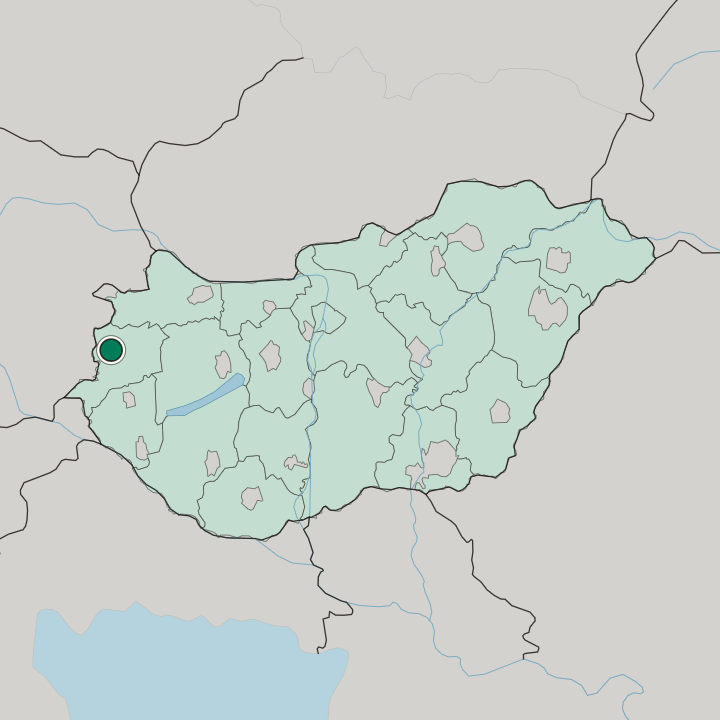
Szombathely lies in the far west of Hungary, close to the Austrian border on the plain of the Perint. The city stands on a low plain of fields and streams below the last green hills of the Alps, where the flat Hungarian lowland begins, with the Austrian mountains rising to the west. Low green hills lie to the west.
The plain runs east to the Danube country.
What is the climate of Szombathely?
Szombathely's climate is continental, but mild. Warm summers and cold winters cross the western plain, a little wetter and milder than the rest of Hungary for its nearness to the Alps, with rain through the year. Green fields hold late into autumn.
Winter brings grey and frost.
How do you get to Szombathely?
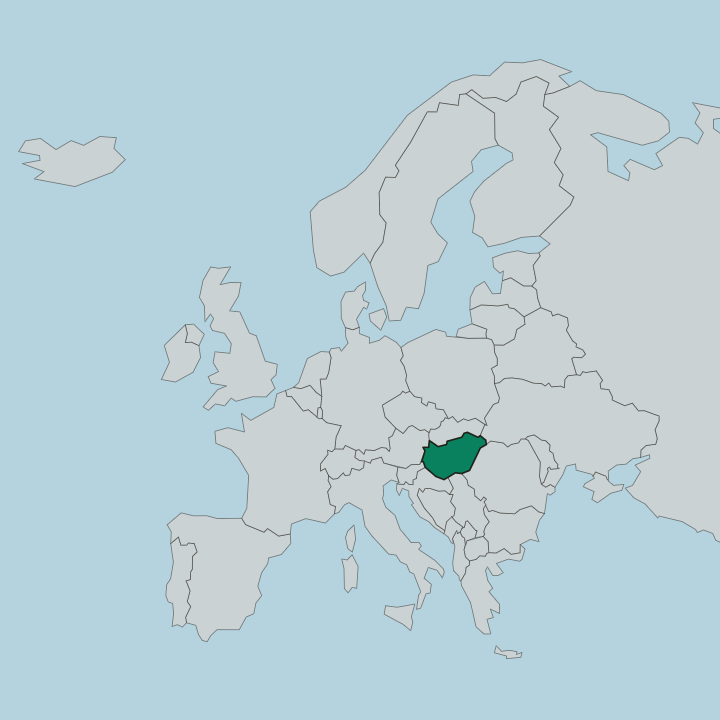
Szombathely lies in western Hungary, close to the Austrian border. Trains and roads run to it from Vienna and Budapest across the plain, and Graz lies south over the hills. Roads cross the border to Austria.
Budapest lies east across the country.
Common questions
What is the best area to stay in Szombathely?
The old centre: Visitors here for the Roman ruins and cathedral. The parks: Stays wanting the gardens and skanzen.
Good for
Updated September 2026