Hungary
Vas megye, Hungary — Towns & Travel Guide
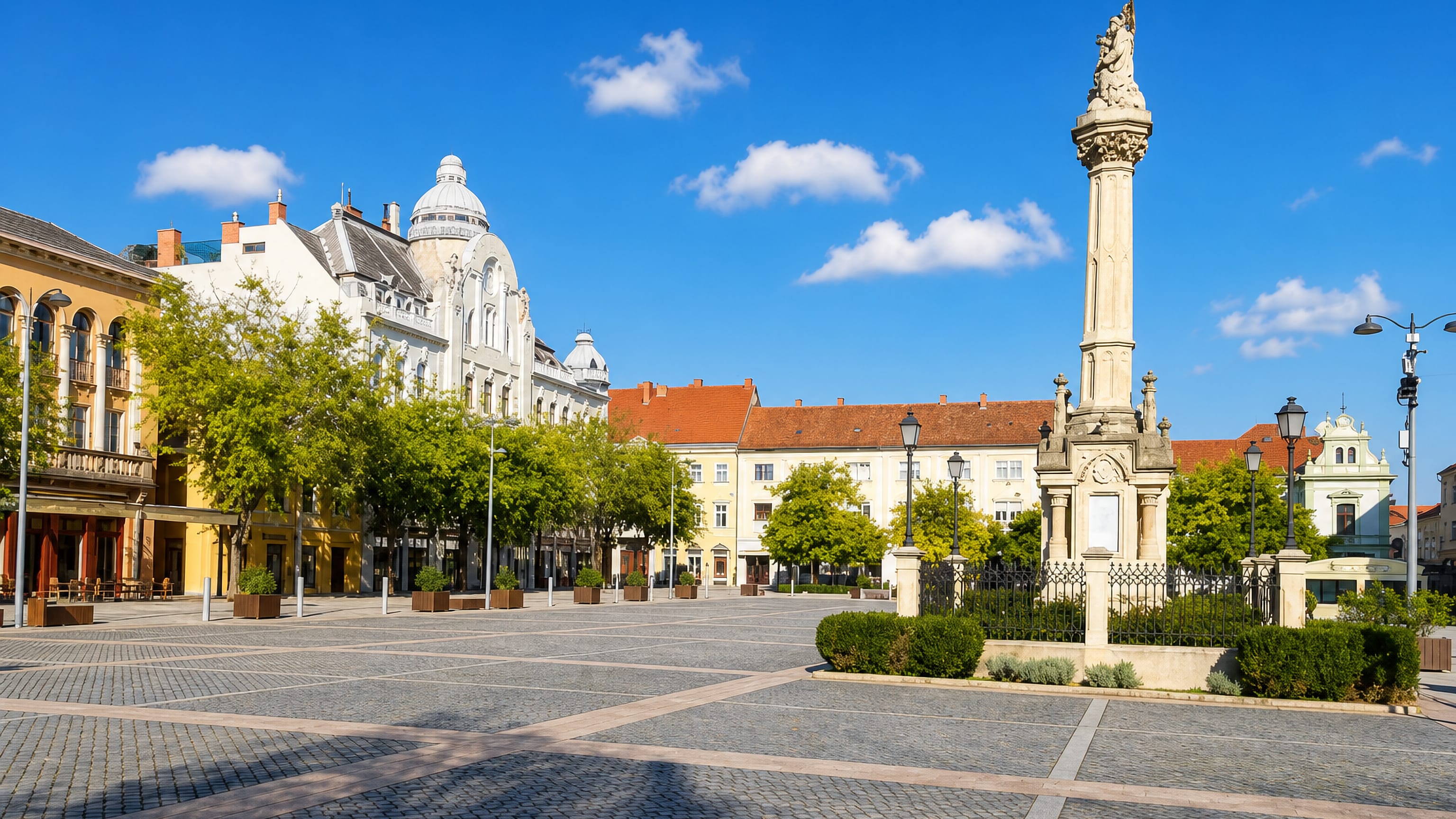
Vas megye is Hungary's western corner, where the Alpine foothills meet the plain around Szombathely, the Roman Savaria.
Hotel links are affiliate links: booking through them may earn us a commission, at no extra cost to you. It never affects how places are ranked. How this works


Towns & cities in Vas megye
One town here has its own guide — it links to where to stay.

 Hungary
Szombathely
Szombathely is the oldest city in Hungary, the ancient Roman Savaria in the west of the country, birthplace of Saint Martin of Tours.Where to stay →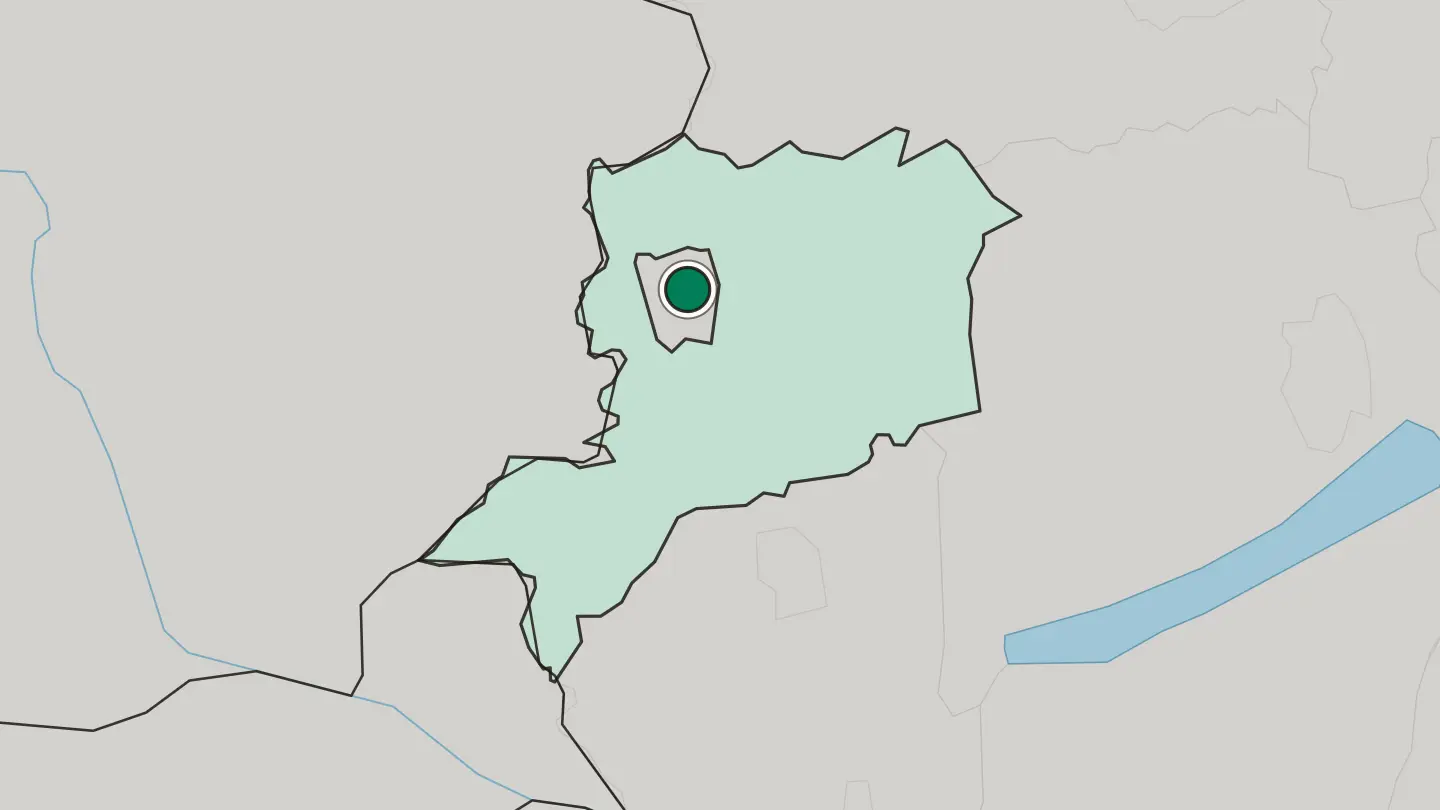
Hotel links are affiliate links: booking through them may earn us a commission, at no extra cost to you. It never affects how places are ranked. How this works
About Vas megye
This is Roman ground.
What is Vas megye known for?
Szombathely was founded as Savaria in 45 AD, once the capital of the Roman province of Pannonia Superior on the amber road north. The county wears its layers openly, from the walled fortress town of Kőszeg beneath the Kőszeg Mountains to the Nádasdy castle and thermal spa at Sárvár on the Rába. Its south-western tip, the Őrség, keeps a landscape of thatched hamlets and forest that few visitors ever reach.
Where is Vas megye?
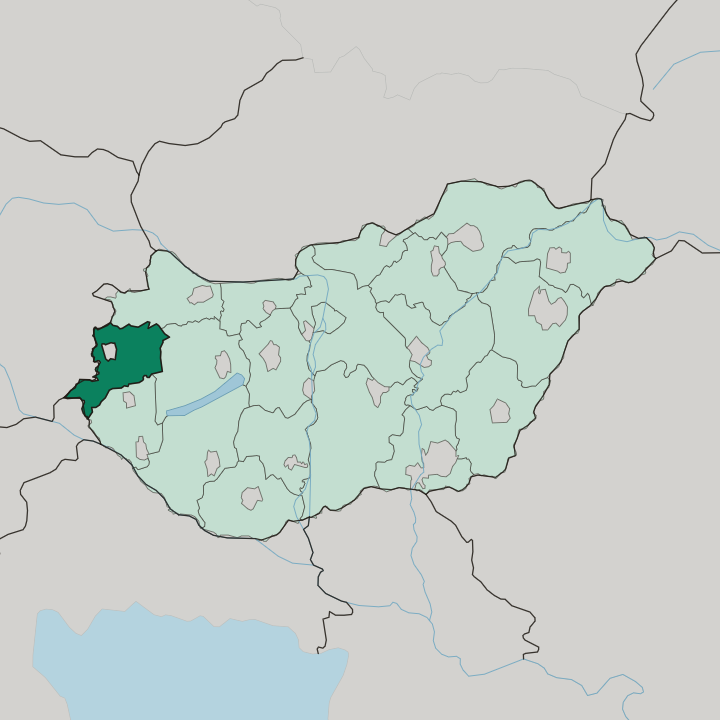
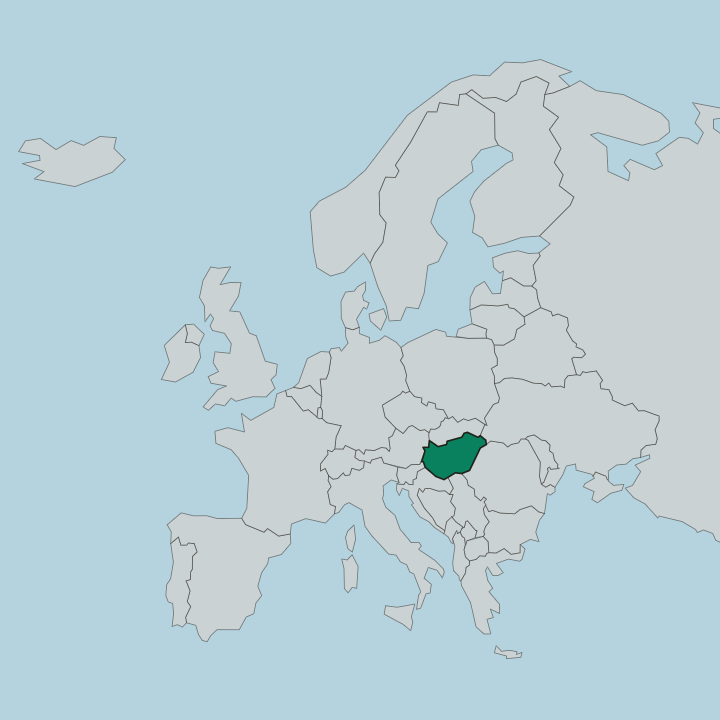
Vas megye fills the far western edge of Hungary, pressed against Austria to the west and Slovenia to the south-west. Vas megye slopes from west to east. In the west it climbs into the Alpokalja, the easternmost foothills of the Alps, and rises to Írott-kő in the Kőszeg Mountains, a peak of over 880 metres straddling the Austrian border and the highest ground in western Hungary.
Eastward the hills fall away toward the flat edge of the Little Hungarian Plain, so the county reads as a ramp from Alpine forest down to open farmland. The Rába drains most of it. That river gathers in the Austrian province of Styria, crosses Vas megye past Körmend and Sárvár, and runs on north-east to meet a branch of the Danube at Győr well beyond the county.
Szombathely sits on the smaller Gyöngyös and Perint streams, roughly where the foothills give out. The south-western corner is the Őrség, a wet, hilly patchwork of springs, peat bogs and scattered villages where Austria, Slovenia and Hungary meet. Water is everywhere here.
Kőszeghegyalja, below the Kőszeg Mountains, is the county's rainiest part, and the streams that feed the Rába have shaped its wooded valleys for as long as anyone has farmed them.
What is Vas megye like?
Vas megye faces west, and it shows. Centuries on the frontier with Austria left the county bilingual in habit and Catholic in temper, with German and Croat and Slovene minorities threaded through Hungarian villages near the borders. Szombathely carries the oldest thread of all.
Its Roman past as Savaria surfaces in excavated ruins and a garden of stone, and the city keeps the memory of Saint Martin of Tours, born here, as its patron. Kőszeg lives partly on one date. Every day its church bells ring at eleven rather than noon, marking the hour the Ottoman besiegers finally withdrew in 1532, a civic ritual that has outlasted the empire that prompted it.
The Nádasdy castle at Sárvár was a Renaissance seat. The Őrség keeps a quieter culture. Its guardian villages of thatched wooden houses, pottery and folk craft grew from settlers posted to watch the medieval western march, and much of that landscape now sits inside a national park.
Food leans local and unhurried, pumpkin-seed oil and river fish, wine from the low hills. This is not a loud region.
What is the history of Vas megye?
The story starts with Rome. Savaria, the settlement that became Szombathely, was founded in 45 AD as capital of Pannonia Superior, and Vas arose as one of the first comitatus of the Christian Kingdom of Hungary under Stephen I. For a thousand years it stretched much wider than its present shape, guarding the kingdom's western march against the Habsburgs and the Ottomans, whose 1532 repulse at Kőszeg entered national legend. The Treaty of Trianon redrew everything in 1920, handing the western strip of the old county to the new Austrian province of Burgenland and a sliver in the south to the Slavs.
The modern county boundaries date from 1950.
What is the climate of Vas megye?
Vas megye is a wet county. Its western edge under the Alpokalja pulls in more rain than the plains further east, giving Szombathely a mild, changeable climate on the seam between oceanic and continental. Summers are warm but rarely parched, with July the rainiest month, while winters run cold enough for snow in the Kőszeg Mountains.
Green stays late here. That steady moisture is exactly what keeps the forests and peat bogs of the Őrség so lush.
How do you get to Vas megye?
Almost everyone reaches Vas megye by road or rail rather than by air. Vas megye has no airport of its own, so the usual approach is a flight into Vienna or Graz across the Austrian border, or into Budapest, then a train or car west. Szombathely became a major railway junction in the 1870s and still anchors the county's rail network, with direct services from Budapest and cross-border links toward Austria.
Trains reach Kőszeg and Sárvár from there. The border sits close enough that Vienna and Graz are each a couple of hours away by road.
Common questions
What is the best area to stay in Vas megye?
Szombathely: arrivals, rail connections and Roman Savaria. Sárvár: thermal baths and the Nádasdy castle. Kőszeg: a medieval old town and castle. The Őrség: forest villages and quiet nights.
Good for
More regions in Hungary
Updated October 2026