Indonesia · Provinsi Bali
Where to Stay in Singaraja, Provinsi Bali
Singaraja is a port town of North Bali, seat of Buleleng Regency, and the former colonial administrative capital of the Lesser Sunda Islands.
Hotel links are affiliate links: booking through them may earn us a commission, at no extra cost to you. It never affects how places are ranked. How this works


Where to stay in Singaraja
Where visitors usually base themselves, and why.
Lovina lies just west of the town. Most travellers on this coast sleep there and come into Singaraja for the day, which makes the choice here a genuine one rather than the default it looks like on a map of North Bali. The town has its own case.
Rooms inside Singaraja put Gedong Kirtya, the Buleleng Museum and the wide colonial avenues on the doorstep, and the walk between them is short enough that a full day needs no transport at all. Buleleng Regency spreads well beyond the seat. Singaraja is its administrative centre and also the centre of Buleleng District, roughly 46.94 square kilometres of ground, so anything further out means leaving the district rather than moving to another quarter of the same town.
The port side is different again. Working water and the road along it give that edge a plainer character than the garden streets inland, and a traveller who wants the harbour rather than the archive should say so when booking. Beds are limited in both.
Singaraja is a working town first, which keeps the choice of rooms small and makes the Soenda Ketjil Museum, not a hotel district, the thing worth planning around.
Find hotels in Singaraja
Direct booking searches for these neighbourhoods.
The Gedong Kirtya streets
The old administrative quarter of Singaraja, where the wide colonial avenues run past Gedong Kirtya and the Buleleng Museum.Find hotels in The Gedong Kirtya streetsRooms beside the working harbour of SingarajaThe port edge
Singaraja's seaward side, plainer than the garden streets inland and given over to the port that carried its business as a colonial capital. Beds are limited here, so book early.Find hotels in The port edgeCoast beds a short way west of SingarajaLovina
The stretch just west of Singaraja where most visitors to Buleleng Regency actually sleep, leaving the town itself for daytime visits.Find hotels in LovinaHotel links are affiliate links: booking through them may earn us a commission, at no extra cost to you. It never affects how places are ranked. How this works
About Singaraja
Wide streets give it away.
What is Singaraja known for?
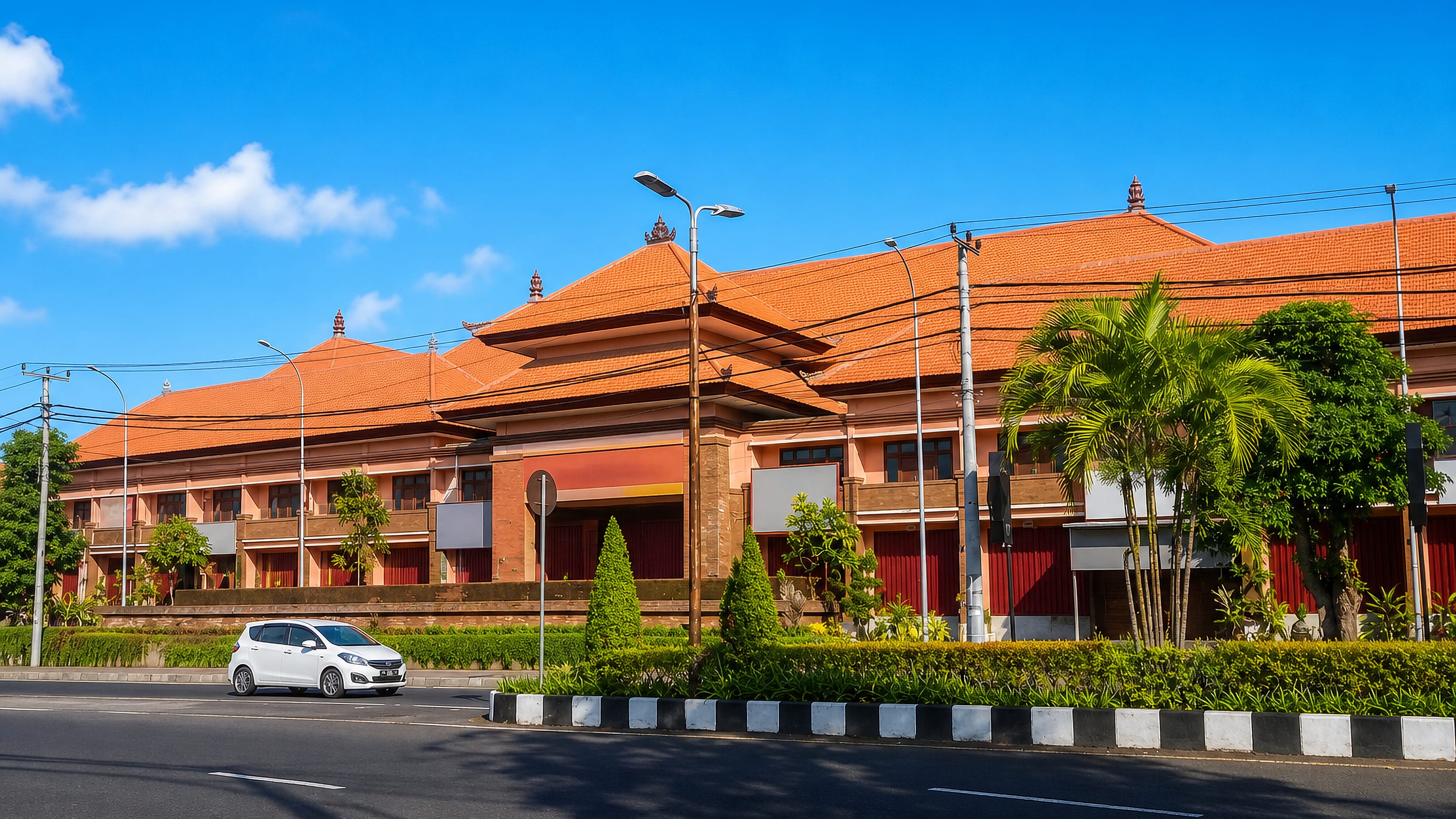
Singaraja carries the look of a former colonial administrative capital, with old houses standing back in large gardens and avenues cut broader than the usual run of Bali towns. Gedong Kirtya keeps the records. That collection, along with the Buleleng Museum and the Soenda Ketjil Museum, makes the town a place for reading Bali's past rather than for lying on a beach.
What are the main landmarks in Singaraja?
Three names hold the record. Gedong Kirtya, the Buleleng Museum and the Soenda Ketjil Museum account for what Singaraja puts on show, and all three sit close enough together to be taken in on one walk. The streets count as much.
Broad avenues and old houses in large gardens survive from the town's time as an administrative capital of Bali and the Lesser Sunda Islands, and walking them gives a clearer sense of that period than any single building could.
What is the history of Singaraja?
Singaraja governed more than Bali. The town served as the colonial administrative capital of the whole of the Lesser Sunda Islands, an authority far larger than the seat of a regency, and the scale of that role still shows in the width of its streets. The name says lion king.
Singaraja translates that way in Indonesian, and the title fits a place that once held the offices for an island chain rather than for a single district. A founding date is missing from the record. What the record gives instead is a sequence of roles, from colonial capital of Bali and the Lesser Sunda Islands to seat of Buleleng Regency and centre of Buleleng District.
The buildings kept up. Old houses set in large gardens still stand along the wider avenues, and they read as the residue of an administration that has moved elsewhere while the fabric it built stayed put. Gedong Kirtya holds the paper side.
Together with the Buleleng Museum and the Soenda Ketjil Museum it preserves what a port town in northern Bali accumulated across the years it spent as the administrative centre of a much larger territory.
Where is Singaraja?
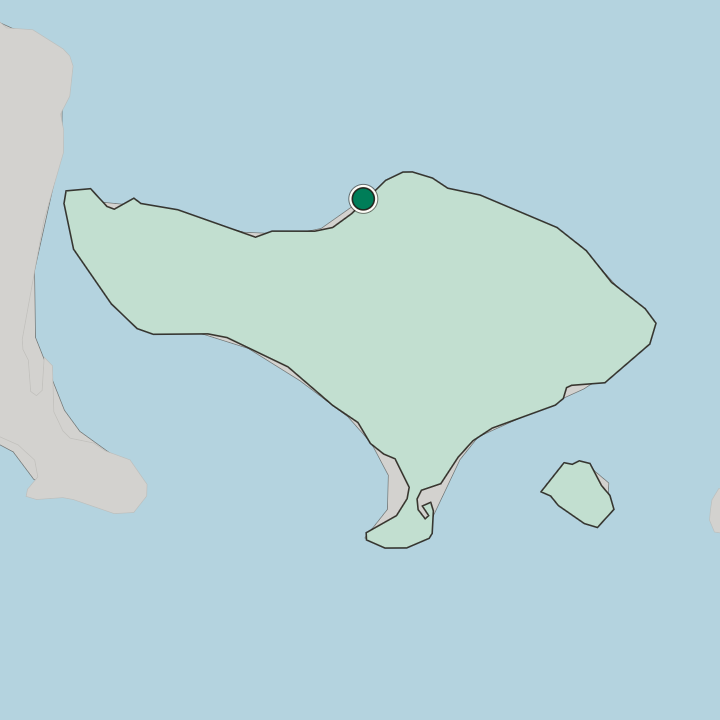
North Bali starts here. Singaraja stands on the northern shore of the island, the largest town of that coast, with Lovina just to the west and Buleleng District spreading about 46.94 square kilometres around it. The water is the boundary.
A port town on an island coast has one fixed edge and one open one, and Singaraja's ground runs inland from the harbour into the wider country of Buleleng Regency.
What is the climate of Singaraja?
The sea keeps the extremes off. Singaraja sits on Bali's northern shore south of the equator, and an island town in the tropics runs warm and even through the year rather than swinging between seasons. Rain marks the calendar instead.
The wet months arrive in force and the dry ones clear, which is the distinction that matters when choosing when to walk the wide streets of Buleleng District.
How do you get to Singaraja?
The coast road does most of the work. Singaraja lies just east of Lovina on the northern shore, so arrivals from the west come along that shore and arrivals from the south cross the interior of Bali to reach it. The harbour still functions.
A port town takes traffic by water as well as by road, and both routes end in the same compact centre of Buleleng District.
Common questions
What is the best area to stay in Singaraja?
The Gedong Kirtya streets: Walking distance to Gedong Kirtya and the Buleleng Museum. The port edge: Rooms beside the working harbour of Singaraja. Lovina: Coast beds a short way west of Singaraja.
Good for
More cities in Provinsi Bali
Updated September 2026