Indonesia · Provinsi Bali
Where to Stay in Ubud, Provinsi Bali
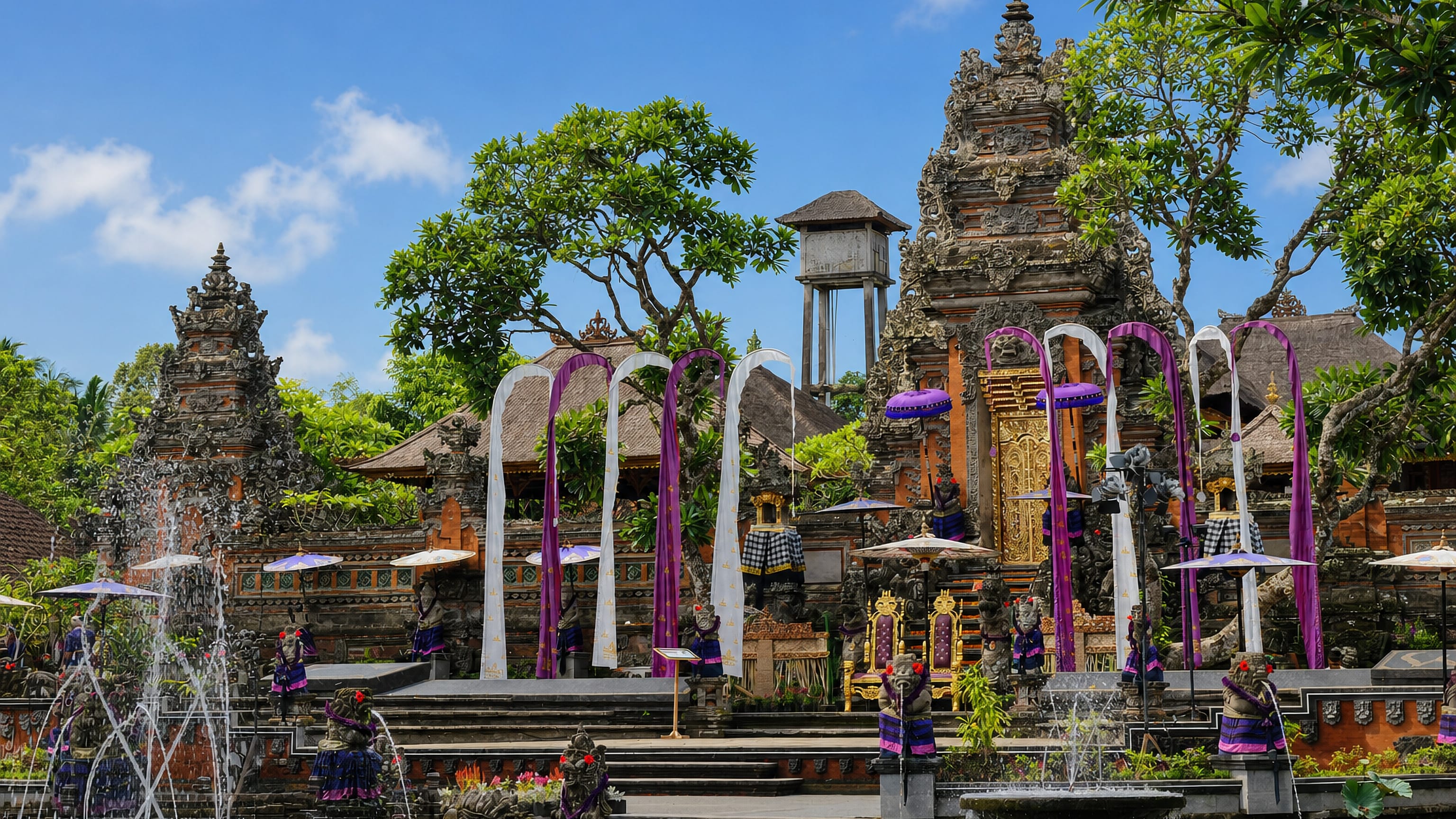
Ubud is the cultural heart of Bali, a hill town of temples, rice terraces, and art among the forests of Indonesia.
Hotel links are affiliate links: booking through them may earn us a commission, at no extra cost to you. It never affects how places are ranked. How this works


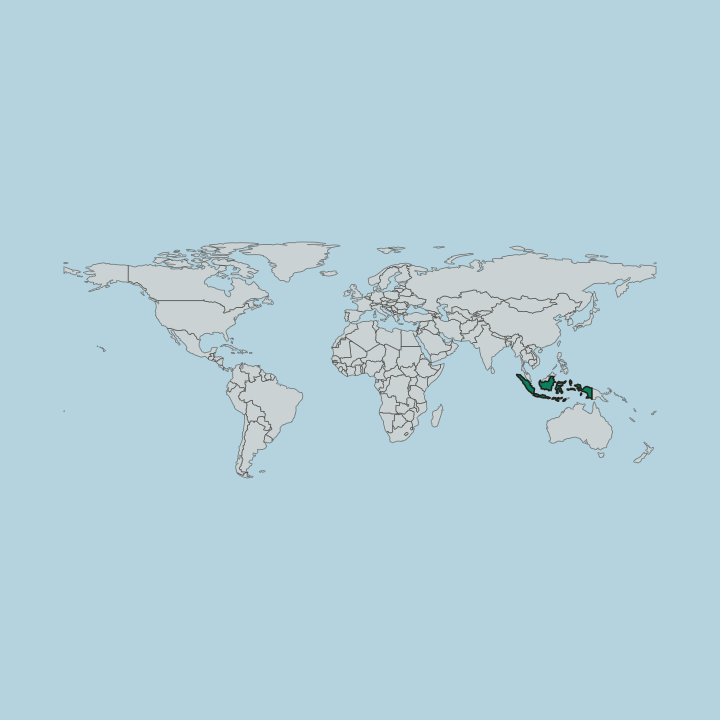
Where to stay in Ubud
The practical side of choosing where to sleep.
Where you stay in Ubud turns on the centre. The lanes around the palace and the monkey forest keep the temples, the galleries, and the market within a walk, and staying in the centre suits anyone here for the art town. The gamelan plays into the night.
Rooms sit among the temples and shops. Out in the rice fields and the river valleys, the villas hide among the terraces. A room in the fields trades the busy centre for green views, quiet, and the sound of water in the paddies.
The gorges fall away past the edge. If you want the temples and the galleries, stay in the centre; if you want the views, take a room in the fields. Either way, the art town is close at hand.
Find hotels in Ubud
Direct booking searches for these neighbourhoods.
The centre
Around the Ubud Palace and the Sacred Monkey Forest, within a walk of the templesFind hotels in The centreStays wanting green views and quietThe rice fields
Out among the terraces and river valleys, with paddy views and calmFind hotels in The rice fieldsHotel links are affiliate links: booking through them may earn us a commission, at no extra cost to you. It never affects how places are ranked. How this works
Things to do in Ubud
Ranked by global recognition; descriptions from Wikidata (CC0).
Museums & Galleries
3- Blanco Renaissance Museum
- Puri Lukisan Museum
- Agung Rai Museum of Art
Castles & Historic Sites
1- Goa Gajah
worth knowingacross 2 categories in Ubud
About Ubud
Ubud is the artistic soul of Bali.
What is Ubud known for?
It lies in the green hills among rice terraces and river gorges, famous for its painters, its dancers, and its temples, and a sacred forest of monkeys and shrines rests at its heart. Flowers and offerings fill the temple gates. Art and rice mark the town.
What are the main landmarks in Ubud?
The Sacred Monkey Forest lies at the heart of Ubud. A temple complex in a deep forest, alive with macaques among mossy shrines, draws crowds to the edge of the town, the emblem of the place, above a river gorge. Palaces and galleries fill the centre.
The Ubud Palace stages Balinese dance by night, while Goa Gajah, the old Elephant Cave, the Puri Lukisan Museum, and the Neka Art Museum hold the town's treasures.
What is the history of Ubud?
Ubud grew as a place of temples and healing. Its name comes from an old word for medicine, for the herbs that grew along its rivers, and for centuries the town was a seat of Balinese priests and princes among the sacred springs and shrines. Art gathered around the palace.
The ruling family of Ubud kept painters, carvers, and dancers at its court, and the town became the centre of Balinese art and craft. Western artists found the hill town. In the twentieth century foreign painters settled in Ubud and worked beside the Balinese masters, and the town's galleries and studios drew art lovers from around the world.
Then travellers came in crowds. Visitors poured in for the temples, the rice terraces, and the sacred monkey forest, and Ubud grew into the cultural capital of Bali. The old palace still holds its dances.
Ubud guards its art and its shrines in the hills.
Where is Ubud?
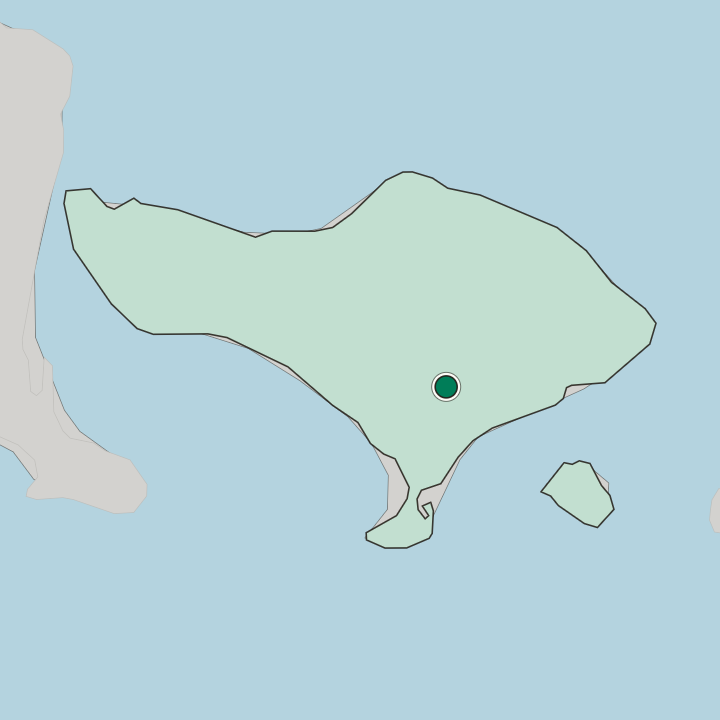
Ubud lies in the green uplands of central Bali. The town spreads over a ridge between two river gorges, among terraced rice fields and thick forest, in the volcanic highlands north of the coast. Deep ravines cut through the hills.
The rice terraces step down the slopes.
What is the climate of Ubud?
Ubud has a warm, wet tropical climate. Mild upland heat and high humidity hang over the hills all year, cooler than the coast, and a long wet monsoon brings the heavy rains from autumn into spring. Mist gathers in the gorges at dawn.
The hills stay green year-round.
How do you get to Ubud?
Ubud lies in the hills of central Bali, north of the coast. Roads climb to the town from the airport and the beach resorts of the south, winding up through the rice country. Drivers and scooters reach the villages around.
Most arrive by road up from the coast.
Common questions
What is the best area to stay in Ubud?
The centre: Visitors here for the palace, galleries, and market. The rice fields: Stays wanting green views and quiet.
Good for
More cities in Provinsi Bali
Updated September 2026