Indonesia · Provinsi Jawa Tengah
Where to Stay in Pekalongan, Provinsi Jawa Tengah
Pekalongan is a batik city on the north coast of Central Java, an independent municipality and the province's most important port.
Hotel links are affiliate links: booking through them may earn us a commission, at no extra cost to you. It never affects how places are ranked. How this works


Where to stay in Pekalongan
Where visitors usually base themselves, and why.
The Pekalongan Batik Museum fixes the centre. Rooms near it put the museum, Gereja Santo Petrus, Pekalongan, and the working port of Central Java all within a short run, which is the practical reason most visitors stay on this side of the municipality. If you came for batik, that decides it.
UNESCO's World's Creative Cities Network took the city in for that craft, and the museum that records it sits where most of the beds are. The whole city covers about 45 square kilometres, so the distance between one end and the other is small. The north coast offers the other choice.
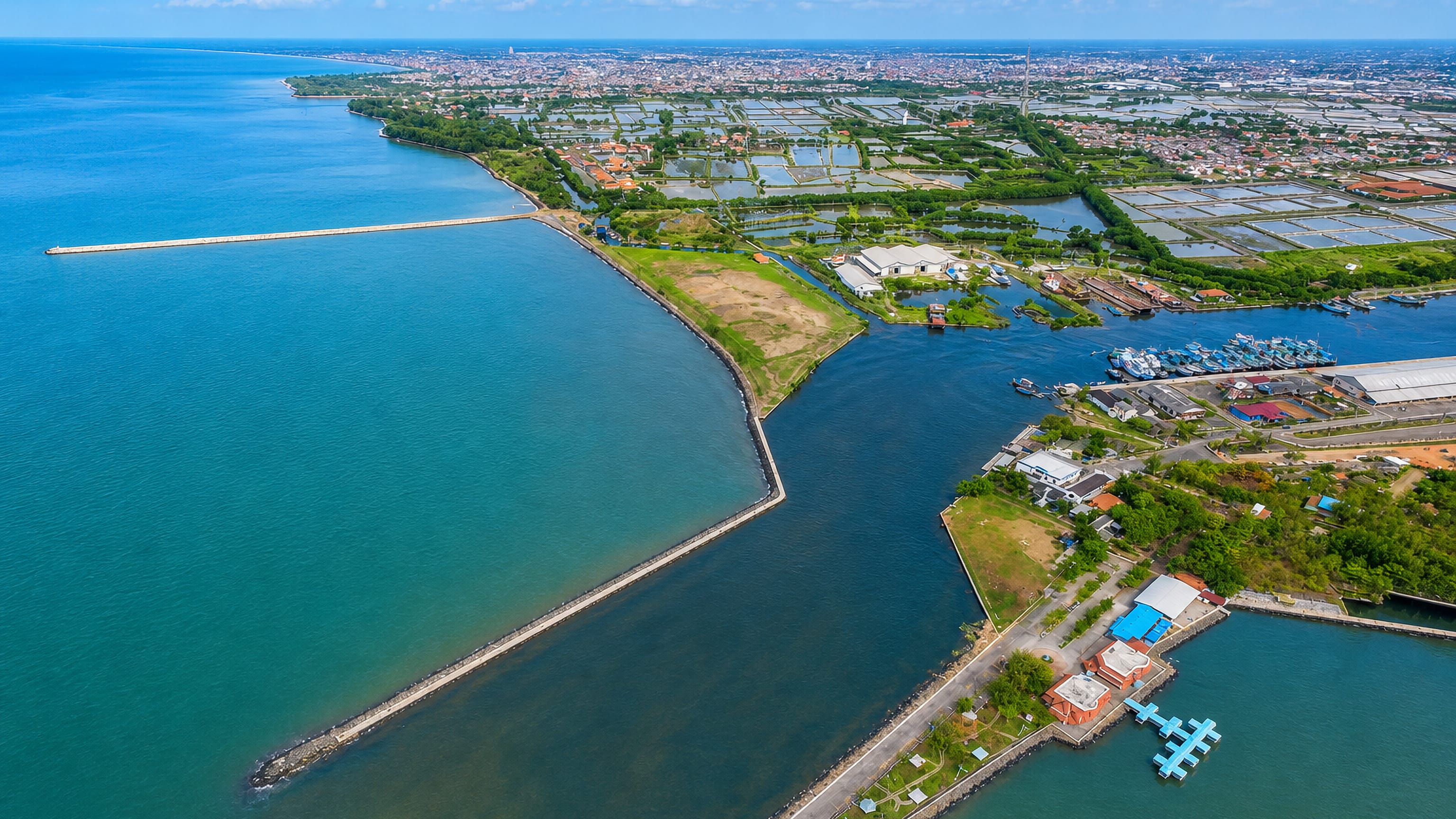
Beds toward the shore trade the museum district for the sea and the harbour that makes Pekalongan the most important port of Provinsi Jawa Tengah, and they suit anyone whose day starts at the water. The sea is the constant here. Stock is thinner out there, and the coast keeps fewer rooms than the streets inland.
Pekalongan Regency picks up beyond the municipal boundary, and rooms in the surrounding district put the city at arm's length rather than at the door.
Find hotels in Pekalongan
Direct booking searches for these neighbourhoods.
Around the Pekalongan Batik Museum
The Pekalongan Batik Museum and Gereja Santo Petrus stand close enough to cover on footFind hotels in Around the Pekalongan Batik MuseumArrivals working through Central Java's most important portThe north-coast shore
The harbour on Pekalongan's northern shore puts the working quays at the door. Lodging is scarce in this area; reserve in advance.Find hotels in The north-coast shoreHotel links are affiliate links: booking through them may earn us a commission, at no extra cost to you. It never affects how places are ranked. How this works
About Pekalongan
What is Pekalongan known for?
Batik carries the name of Pekalongan further than anything else, and the Pekalongan Batik Museum sets out the craft that won the city a place in UNESCO's World's Creative Cities Network. The port matters too. Pekalongan is Central Java's most important port, sitting on the northern coast of the province within Provinsi Jawa Tengah.
The church of Gereja Santo Petrus, Pekalongan, is its other named landmark.
What are the main landmarks in Pekalongan?
Two landmarks carry the city's identity. The Pekalongan Batik Museum gathers the cloth that put Pekalongan into UNESCO's World's Creative Cities Network, and Gereja Santo Petrus, Pekalongan, stands as the other building the city is known by. Both sit inside a municipality of about 45 square kilometres on the north coast of Central Java.
What is the history of Pekalongan?
Pekalongan became a municipality in 1906. The city had been the seat of Pekalongan Regency on the northern coast of the province, and it later separated from the regency to stand as an independent municipality inside Central Java. Kota Besar Pekalongan is the formal name that came with that status.
The city and Pekalongan Regency have shared a name ever since, without sharing an administration. Trade explains the rest of it, because the harbour here grew into the most important port of Central Java and drew the coastal traffic of Java's northern shore toward the city. Batik did the rest.
The cloth made in Pekalongan carried the city's name well past Provinsi Jawa Tengah, and in December 2014 it took the city into UNESCO's World's Creative Cities Network, the first entry from Southeast Asia on that list. The Pekalongan Batik Museum holds that history in one building on the north coast of Central Java. Gereja Santo Petrus, Pekalongan, stands as the other landmark the city is identified by, a church counted among the built markers of the coast here in Indonesia.
Where is Pekalongan?
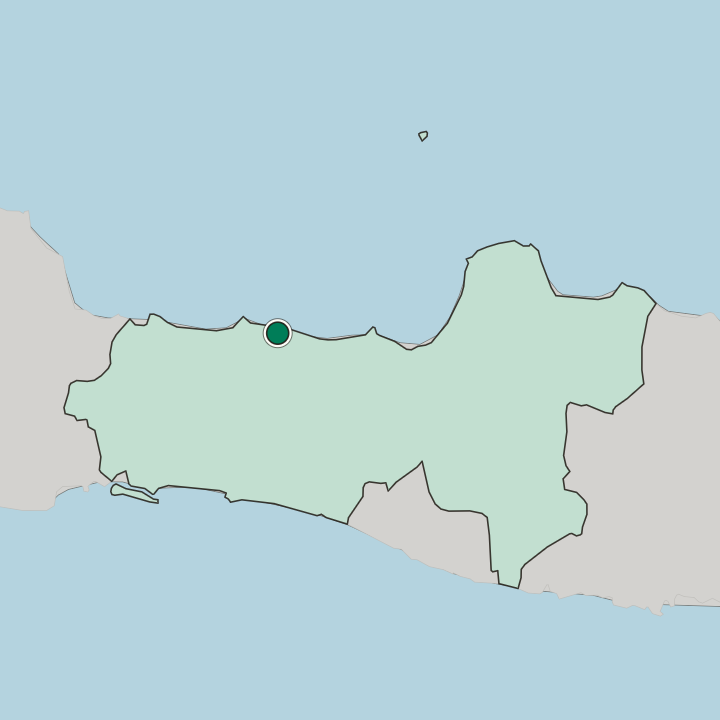
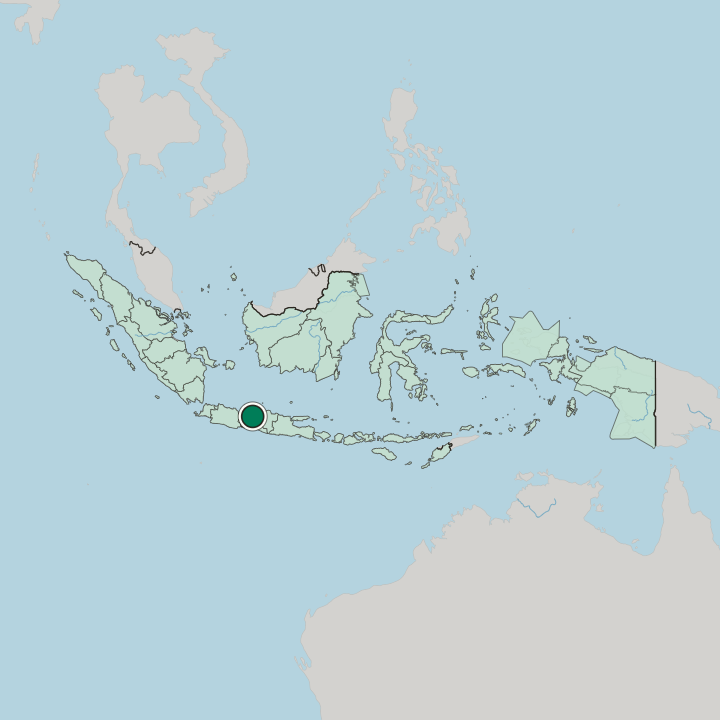
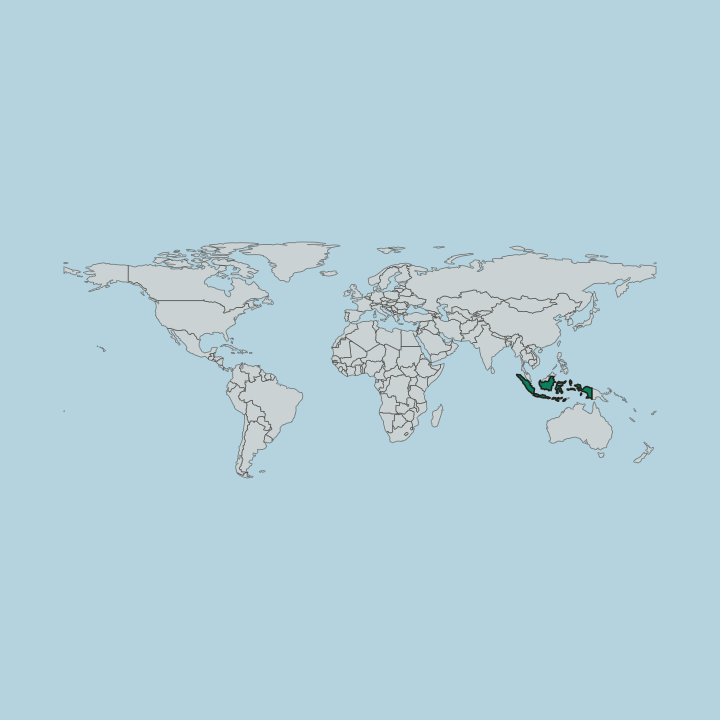
Pekalongan covers a small area on the north coast of Central Java, some 45 square kilometres, which makes it one of the more tightly drawn municipalities of Provinsi Jawa Tengah. The sea lies to the north. Java's northern shore runs past the city, and the port that serves Central Java opens onto it.
Beyond the municipal line, Pekalongan Regency takes over the coast and the ground behind it.
What is the climate of Pekalongan?
The sea off the north coast keeps Pekalongan warm and damp through the year, since the city sits in the southern tropics where the calendar divides into wet and dry rather than into summer and winter. The coast holds the heat. Rain reaches Central Java in seasons, and a port city on the northern shore feels the wet months more than any change in temperature.
How do you get to Pekalongan?
Pekalongan is Central Java's most important port, so the sea route is the one the city was built around. The north coast carries the rest. Traffic along Java's northern shore passes through the municipality and on into Pekalongan Regency, the district this city once served as seat within Provinsi Jawa Tengah.
Common questions
What is the best area to stay in Pekalongan?
Around the Pekalongan Batik Museum: Buyers and museum-goers following the batik that earned the UNESCO listing. The north-coast shore: Arrivals working through Central Java's most important port.
More cities in Provinsi Jawa Tengah
Updated September 2026