Indonesia · Provinsi Kalimantan Barat
Where to Stay in Singkawang, Provinsi Kalimantan Barat
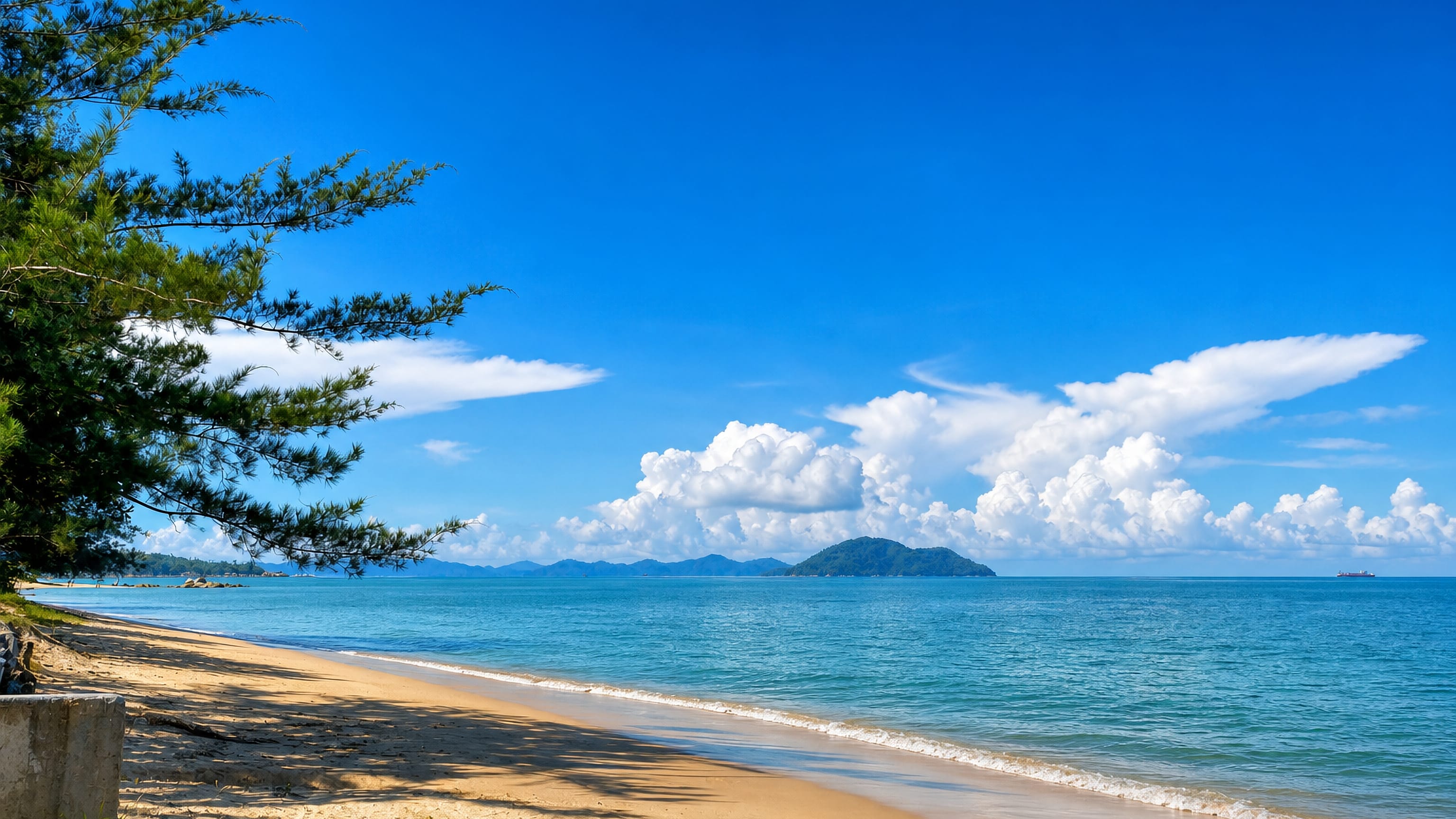
Singkawang is a coastal city and port in West Kalimantan, held between the sea and the Pasi, Poteng, and Sakkok mountains.
Hotel links are affiliate links: booking through them may earn us a commission, at no extra cost to you. It never affects how places are ranked. How this works


Where to stay in Singkawang
Where the beds are, and what that means for the visit.
Singkawang is compact, and the coast and the hills sit near enough that one base covers both. The centre holds most of the town's rooms, gathered along the commercial streets where Paroki Santo Fransiskus Asisi, Singkawang, stands, and from there the shore and the foot of the slopes are each a short run. Little ground separates one part of Singkawang from another.
Anyone drawn by the Hakka Chinese presence the town carries will want to be central, since that inheritance shows in the streets and shopfronts rather than at any single site to visit. The hills give the other option. Lodging toward Poteng and Sakkok trades restaurants for quiet and for quick access to the slopes ringing the town, and it suits you if mornings outdoors matter more than an evening choice of places to eat.
Beds thin out fast up there. Pasi rises on the same side, so the whole upland edge behaves as one area rather than as three separate ones. Down at the water the port keeps the working character, and rooms near it stay plain and unfussy, which is the fair trade for sleeping close to the sea instead of to the mountains that gave Singkawang half its Hakka name.
Find hotels in Singkawang
Direct booking searches for these neighbourhoods.
Singkawang centre
The commercial core, walkable to the parish church and a short run from both the shoreline and the foot of the hills.Find hotels in Singkawang centreMornings out on the hills above the townPoteng and Sakkok slopes
Upland lodging under Poteng and Sakkok, quiet and thin on restaurants, right against the slopes that ring Singkawang. Few places to stay nearby — book ahead.Find hotels in Poteng and Sakkok slopesPlain rooms beside the working waterfrontThe port
Beside the port and the river mouth that carry Singkawang's coastal trade, nearer the sea than the mountains. Lodging is scarce in this area; reserve in advance.Find hotels in The portHotel links are affiliate links: booking through them may earn us a commission, at no extra cost to you. It never affects how places are ranked. How this works
About Singkawang
Three mountains and a shoreline explain it.
What is Singkawang known for?
Singkawang stands between the sea and the Pasi, Poteng, and Sakkok mountains, and the Hakka Chinese community that settled here called the place San-Khew-Jong, mountain, mouth, and sea gathered into one name. The name is the description. Singkawang itself comes from Salako, the older language of the surrounding country, in which the word points to a very wide area of swamps.
What are the main landmarks in Singkawang?
Paroki Santo Fransiskus Asisi, Singkawang, is the one formally listed monument. Most of what a visitor actually looks at is landscape and street: the Pasi, Poteng, and Sakkok mountains standing over the town, the shoreline with its port and river mouth, and the shopfront fabric that carries the Hakka Chinese presence here. Little of it is ticketed.
That suits a place whose own names, Singkawang out of Salako and San-Khew-Jong out of Hakka, describe terrain rather than buildings.
What is the history of Singkawang?
Singkawang's founding is dated to 1771. Its name comes from Salako, a language of the surrounding country, in which the word describes a very wide area of swamps, so the ground carried a description long before the settlement carried a street plan. Chinese settlement gave the place a second identity.
The ancestors of the Hakka Chinese community in Sakawokng called the area San-Khew-Jong, which reads as mountain, mouth, and sea, an account of a town at the foot of a mountain near the water with a river running out to its estuary. Two languages, one place. That double naming is the clearest record Singkawang keeps of who arrived here and when, and it survives in ordinary speech rather than on any plaque.
The port did the rest of the work. The coast of West Kalimantan runs from Singkawang down toward Pontianak, about 145 km off, and the shipping that used it left a working shoreline instead of a monumental centre. Paroki Santo Fransiskus Asisi, Singkawang, stands among the later additions.
Around it the town still reads exactly as the Salako and Hakka descriptions promised: low wet flats behind, Pasi, Poteng, and Sakkok above, and open water in front.
Where is Singkawang?
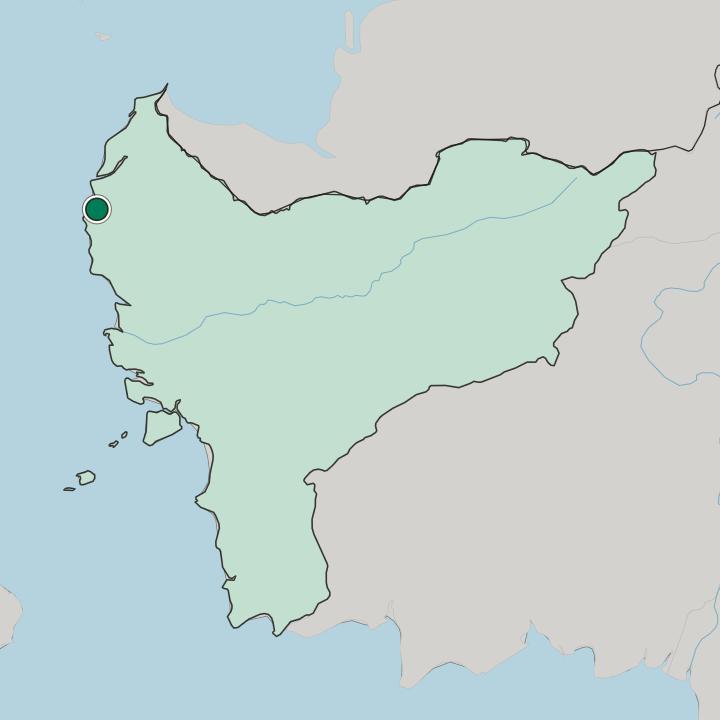
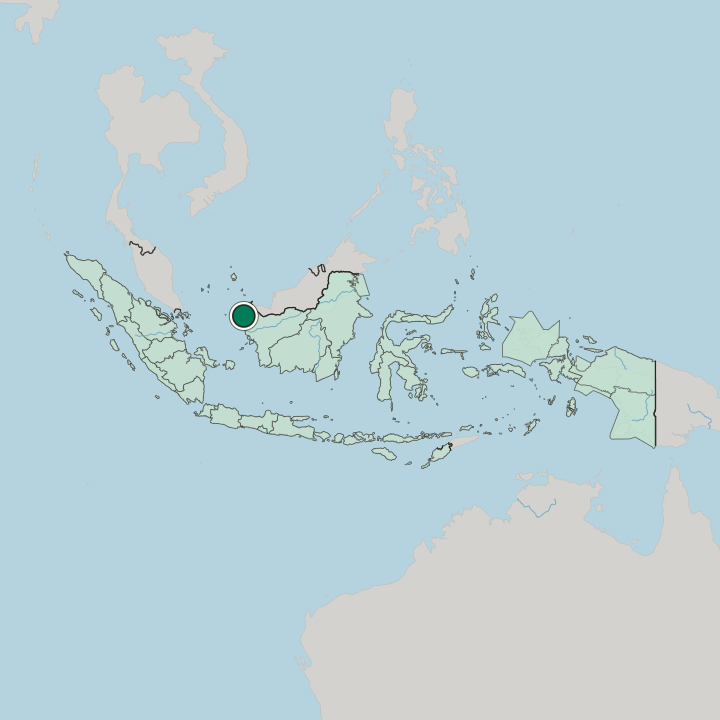
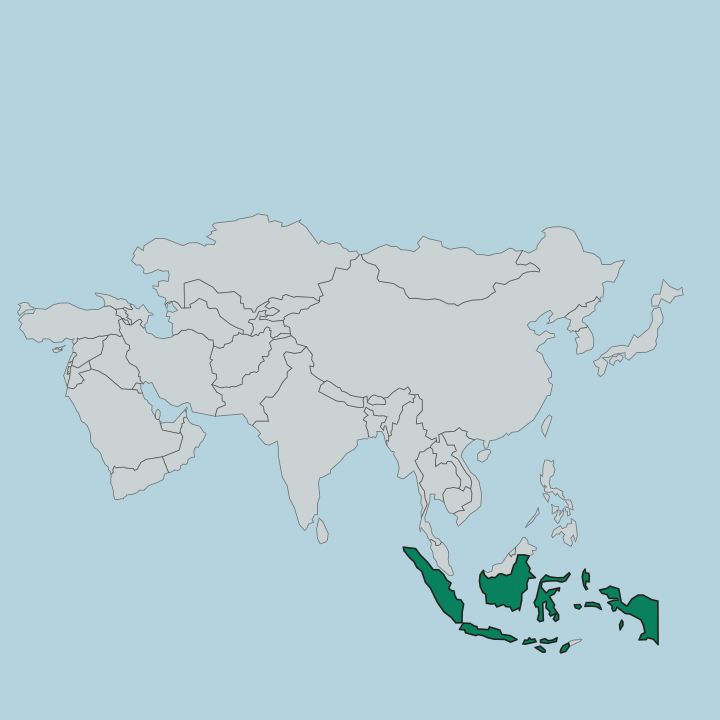
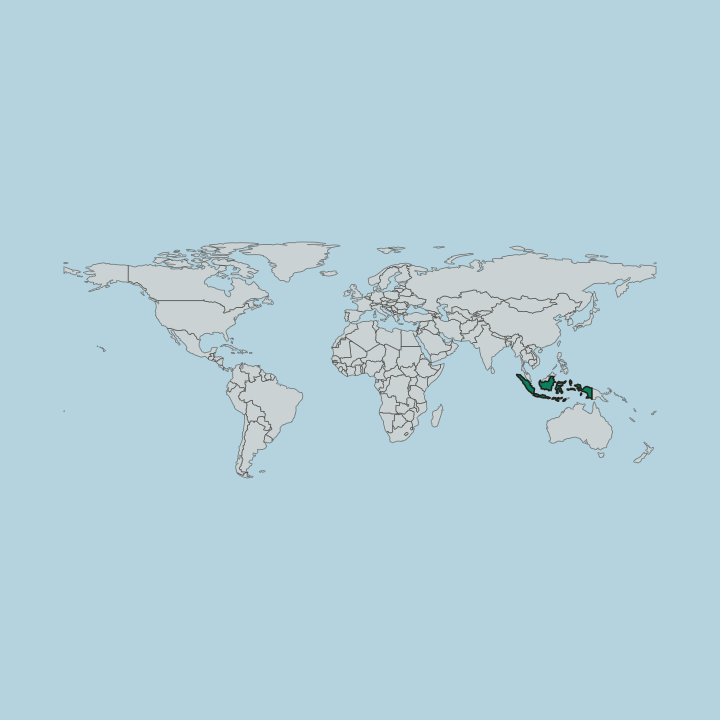
Singkawang lies on the coast of West Kalimantan, on the island of Borneo in Indonesia, about 145 km north of Pontianak. The Pasi, Poteng, and Sakkok mountains surround it. Between those slopes and the sea the ground is low and swampy, which is precisely what the Salako name records, and the town takes the flat strip in between, with a river reaching the coast at its edge.
Sea on one side, hills on the other.
What is the climate of Singkawang?
The hills and the sea share the work. Air coming off the coast meets the Pasi, Poteng, and Sakkok slopes immediately behind Singkawang, and the lift that follows makes for a warm wet year in which the difference between months is a question of how much rain falls. Heat holds steady.
Nights near the water stay close, and the low flats behind the town keep the humidity high whatever the sky happens to be doing.
How do you get to Singkawang?
The road from Pontianak is the usual way in. That city stands about 145 km off along the coast of West Kalimantan, and the run north is the standard approach for anyone arriving overland. The port takes the sea side.
Vessels still call at Singkawang and the river mouth keeps a link older than any highway, though the great majority of arrivals come on wheels, through the strip of flat ground between the shoreline and the Pasi slopes.
Common questions
What is the best area to stay in Singkawang?
Singkawang centre: Shopfront streets around Paroki Santo Fransiskus Asisi. Poteng and Sakkok slopes: Mornings out on the hills above the town. The port: Plain rooms beside the working waterfront.
Good for
Another city in Provinsi Kalimantan Barat
Updated September 2026