Indonesia · Sulawesi Tengah
Where to Stay in Palu, Sulawesi Tengah
Palu is the capital of Central Sulawesi, a city at the mouth of the Palu River where a long inland valley reaches the sea.
Hotel links are affiliate links: booking through them may earn us a commission, at no extra cost to you. It never affects how places are ranked. How this works


Where to stay in Palu
How the choice of base plays out on the ground.
The Palu River divides the city, and it divides the choice of where to sleep as well: coast-side blocks near the mouth on one hand, valley-side streets running inland on the other. Sea air favours the first. Hotels near the water put the port and the shoreline within reach, which suits a stay built around a sailing, an early flight, or a single day of errands.
Inland is quieter and closer to the institutions: the provincial offices, the universities, and Central Sulawesi Museum are all on that side of the river. Neither is a long ride from the other. Rooms are business rooms first.
Palu's beds are built for the traffic that Central Sulawesi's administration and its universities generate, so mid-week supply tightens and weekend supply loosens in a way that has little to do with holidays. Term time is the tight season. Anyone arriving to see the valley rather than the city will find the airport side and the coast equally workable, since the drive across Palu takes minutes rather than hours.
Sigi Regency and Donggala Regency have little in the way of hotels, so the city stays the practical base for the whole valley.
Find hotels in Palu
Direct booking searches for these neighbourhoods.
River mouth and port side
Steps from the harbour where the Palu River meets the sea, with the shoreline walk on the doorstep.Find hotels in River mouth and port sideprovincial business and museum visitsInland valley streets
Nearest the provincial offices, the universities, and Central Sulawesi Museum on the valley side of Palu.Find hotels in Inland valley streetsonward connections through Central SulawesiPalu airport approach
Closest to the province's biggest airport, a short drive from Museum Senjata Tradisional Guma and the river.Find hotels in Palu airport approachHotel links are affiliate links: booking through them may earn us a commission, at no extra cost to you. It never affects how places are ranked. How this works
About Palu
What is Palu known for?
Palu occupies the mouth of a valley that runs far inland, and the city's shape follows the Palu River down to the water rather than spreading along the coast. Government and teaching are the work here. Central Sulawesi runs its finance and administration from Palu, and most of the province's public universities sit in the same city. Makassar and Manado are the island's other major cities.
The port and the airport add the rest. Central Sulawesi Museum anchors the short list of things visitors actually go out of their way to see.
What are the main landmarks in Palu?
The museum list is short and provincial. Central Sulawesi Museum sets out the province's collection, Museum Negeri Provinsi Sulawesi Tengah Palu holds the state provincial holdings, and Museum Senjata Tradisional Guma is the specialist among the three. The Palu River is the other fixture.
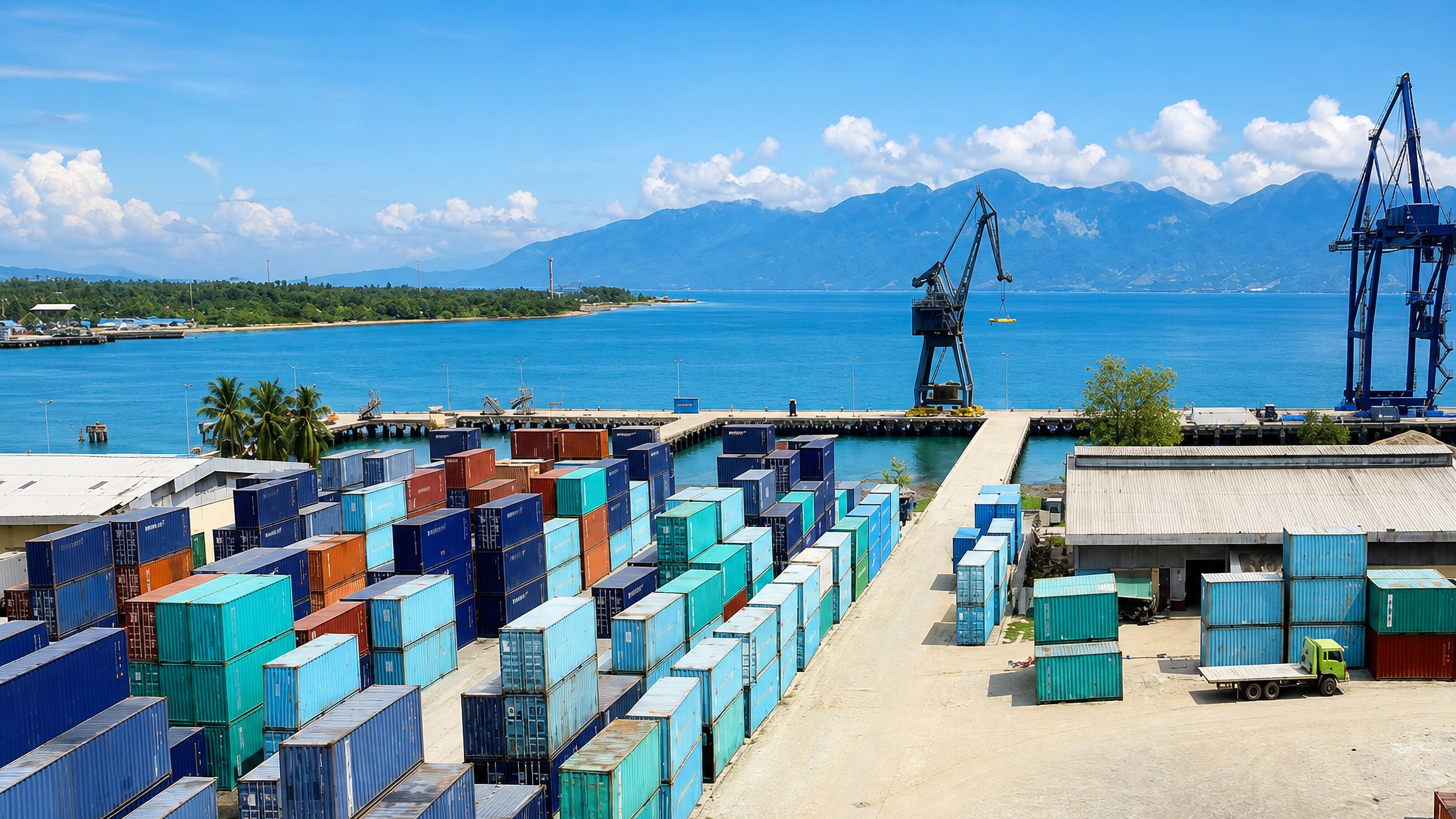
Its mouth, the working port beside it, and the valley opening behind the city are what most visitors photograph before they leave.
What is the history of Palu?
The city charter is recent. Palu was constituted as a city in 1978, long after the settlement at the river mouth had become the place where the valley's trade changed hands and where ships could load for the rest of Sulawesi. Indonesian records carry it as Kota Palu.
Central Sulawesi's government, its courts, and its public universities concentrated in Palu as the province took shape. The port and the airport followed the same logic. Palu's growth has always been a valley story as much as a coastal one.
Museums hold what the paperwork does not. Central Sulawesi Museum and Museum Negeri Provinsi Sulawesi Tengah Palu keep the provincial collections, while Museum Senjata Tradisional Guma is given over to a single class of object. Together they carry the record of a province whose towns were linked by sea and by the valley road long before any of them were linked by air.
That inheritance is not only urban. Sigi Regency to the south and Parigi Moutong Regency to the east send their business and their students into the same city, and the history of Palu is in large part the history of that traffic.
Where is Palu?
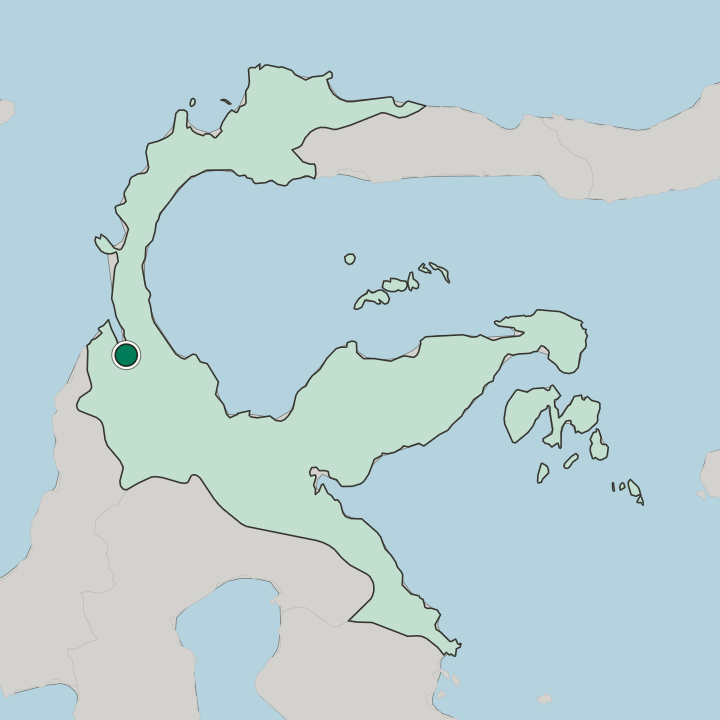
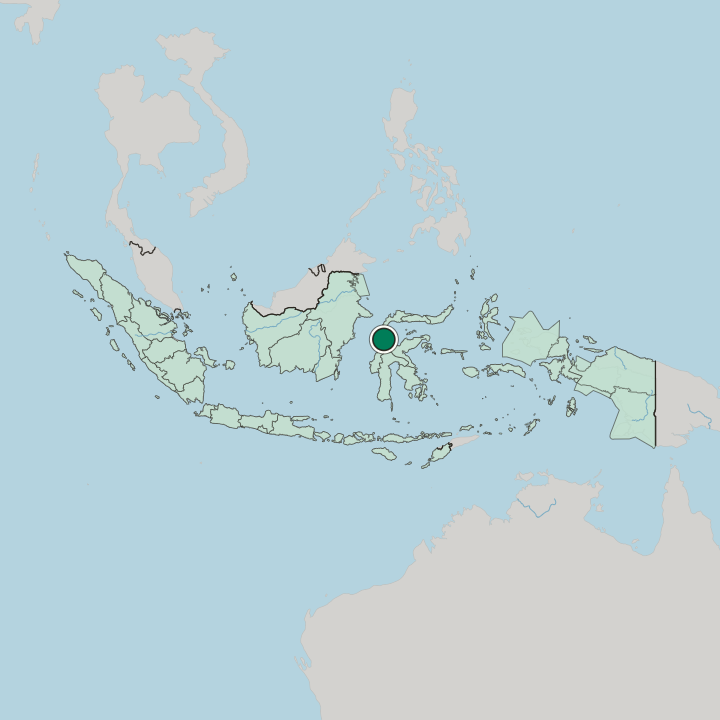
Palu stands on the northwestern coast of Sulawesi, at the point where the Palu River finishes a valley that stretches far to the south. Three regencies press against the city limits. Donggala Regency lies to the north and west, Parigi Moutong Regency to the east, and Sigi Regency to the south, so the built ground ends quickly in every direction.
The river is the axis the city is laid along.
What is the climate of Palu?
Tropical air sits over Palu all year, and the difference from month to month is measured in rain rather than in any change of season. The valley traps the afternoon heat. Humidity arrives off the sea on the northwestern coast of Sulawesi, and shade rather than season is what makes the difference to a day spent walking in Palu.
Nights near the river run cooler.
How do you get to Palu?
Flights land at the province's biggest airport, which sits in Palu itself and carries most of the traffic arriving in Central Sulawesi. Ships work the port. Sea freight and passenger sailings use the harbour at the river mouth, linking the northwestern coast of Sulawesi to the rest of the archipelago.
Overland journeys are long. Roads out of Palu run north into Donggala Regency, east through Parigi Moutong Regency, and south past Sigi Regency into the valley.
Common questions
What is the best area to stay in Palu?
River mouth and port side: sailings and early departures. Inland valley streets: provincial business and museum visits. Palu airport approach: onward connections through Central Sulawesi.
Good for
Updated September 2026