Israel · Central District
Where to Stay in Petaẖ Tiqva, Central District
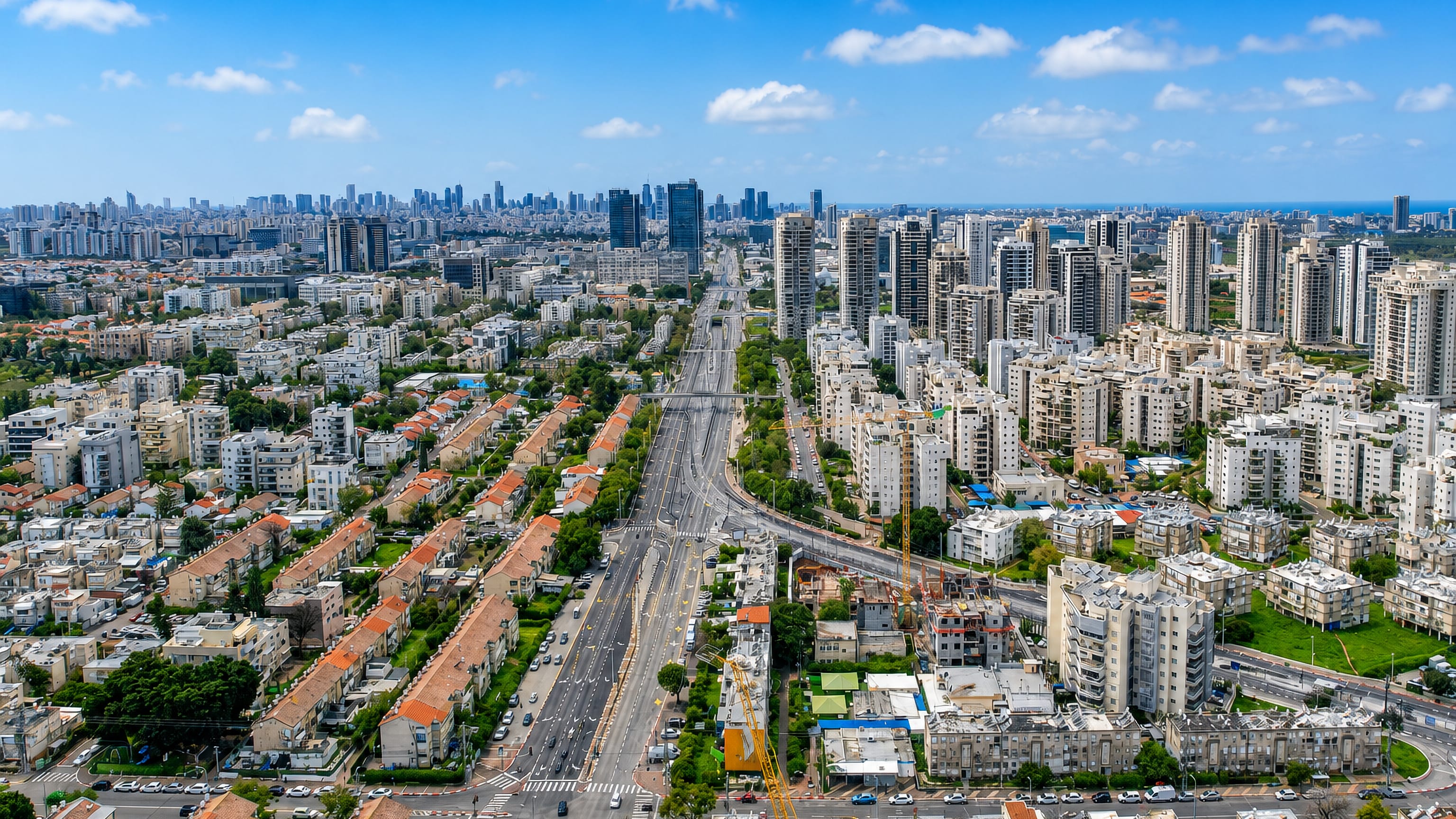
Petaẖ Tiqva sits on the plain east of Tel Aviv, a city in Israel's Central District known as Em HaMoshavot and founded by the Old Yishuv in 1878.
Hotel links are affiliate links: booking through them may earn us a commission, at no extra cost to you. It never affects how places are ranked. How this works


Where to stay in Petaẖ Tiqva
The practical side of choosing where to sleep.
Petaẖ Tiqva stays close to Tel Aviv while keeping its own centre. Most beds sit near that core. The city centre around the old founders' quarter puts the Petah Tikva Museum of Art, the Rishonim Museum, and the Yad la-Banim hall within an easy walk, and it is the practical base for anyone drawn to the town's Old Yishuv history in the Central District.
The business belt along the eastern approaches is a different proposition, a cluster of office towers and the Leder Center where medical visitors to the city's hospitals tend to stay near their appointments. Families lean toward the green edge by the Petah Tikva Zoo and the Man and Environment Museum, quieter streets away from the through-roads. Whichever quarter you pick, the city runs on the highways and the light rail toward Tel Aviv, so a short hop reaches the coast when the beach is the point.
Find hotels in Petaẖ Tiqva
Direct booking searches for these neighbourhoods.
City centre and the founders' quarter
The old core of Em HaMoshavot, where the Petah Tikva Museum of Art, the Rishonim Museum, and the Yad la-Banim hall stand within a short walk of one another.Find hotels in City centre and the founders' quarterbusiness and medical stays near the clinicsThe eastern business belt
Office towers and the Leder Center along the eastern approaches, handy for the hospitals that draw medical visitors to Petaẖ Tiqva. Few places to stay nearby — book ahead.Find hotels in The eastern business beltfamilies wanting parks and calmThe green edge
Quieter residential streets beside the Petah Tikva Zoo and the Man and Environment Museum, set back from the through-roads. Few places to stay nearby — book ahead.Find hotels in The green edgetravellers who want the sea and the big-city eveningsTel Aviv
The Mediterranean coast a short highway or light-rail hop west, where the beaches and the nightlife of the metropolis take over from Petaẖ Tiqva's workaday centre.Find hotels in Tel AvivHotel links are affiliate links: booking through them may earn us a commission, at no extra cost to you. It never affects how places are ranked. How this works
About Petaẖ Tiqva
What is Petaẖ Tiqva known for?
Petaẖ Tiqva is known as Em HaMoshavot, the Mother of the Moshavot, the first of the early farming colonies. That name is its whole story. Founded on the plain east of Tel Aviv in 1878, it grew from citrus groves into one of the largest cities of Israel's Central District, and it keeps that heritage on show at the Petah Tikva Museum of Art, the Rishonim Museum of the town's founders, and the Man and Environment Museum.
The Petah Tikva Zoo and the memorial hall of Yad la-Banim round out its civic landmarks.
What are the main landmarks in Petaẖ Tiqva?
Petaẖ Tiqva keeps its landmarks close to its founding story. The Rishonim Museum tells that story directly, tracing the history of the town's first settlers, while the Petah Tikva Museum of Art shows changing exhibitions in the centre. Nearby the Man and Environment Museum takes an ecological turn.
The Yad la-Banim memorial hall honours the city's fallen, and the Petah Tikva Zoo, long known as Park HaChai, gives families a green afternoon among the animals.
What is the history of Petaẖ Tiqva?
Petaẖ Tiqva was founded in 1878. It came first. Settlers of the Old Yishuv, mainly Haredi Jews from Jerusalem, took up land on the malarial plain east of what is now Tel Aviv and named the place Petaẖ Tiqva, a door of hope, after a verse in the book of Hosea.
The first attempt faltered against fever and hardship on the marshy ground. The colony was refounded on firmer footing in 1883, when the philanthropist Edmond Rothschild put his money behind it, and from that second start it endured. It was the first of the farming colonies to hold, and for that the town earned the name Em HaMoshavot, the Mother of the Moshavot.
Citrus paid the bills. Orange orchards spread across its fields and fed the export trade of the coastal plain, and over the following century the moshava grew from those groves into a city of Israel's Central District of neighbourhoods, industry, and hospitals. The founders' quarter and its Rishonim Museum still mark where that first door of hope was opened.
Where is Petaẖ Tiqva?
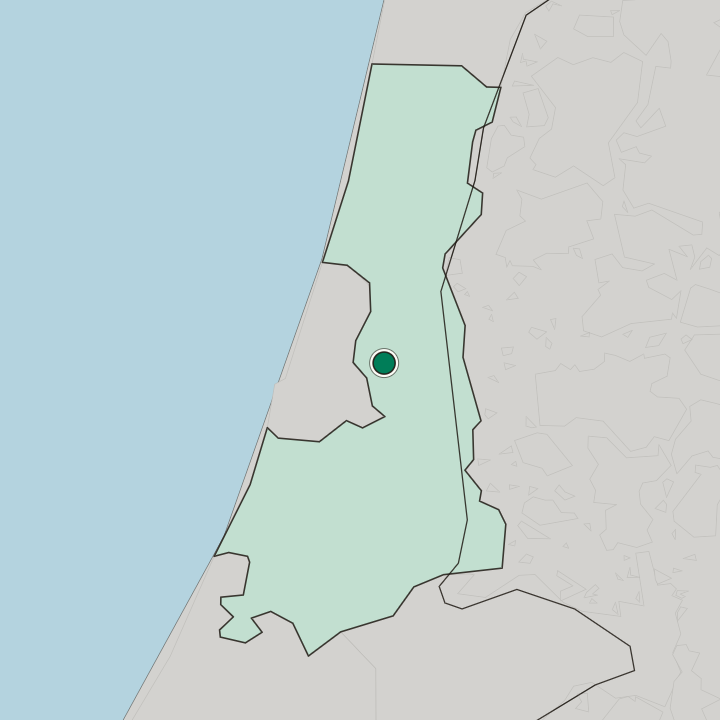
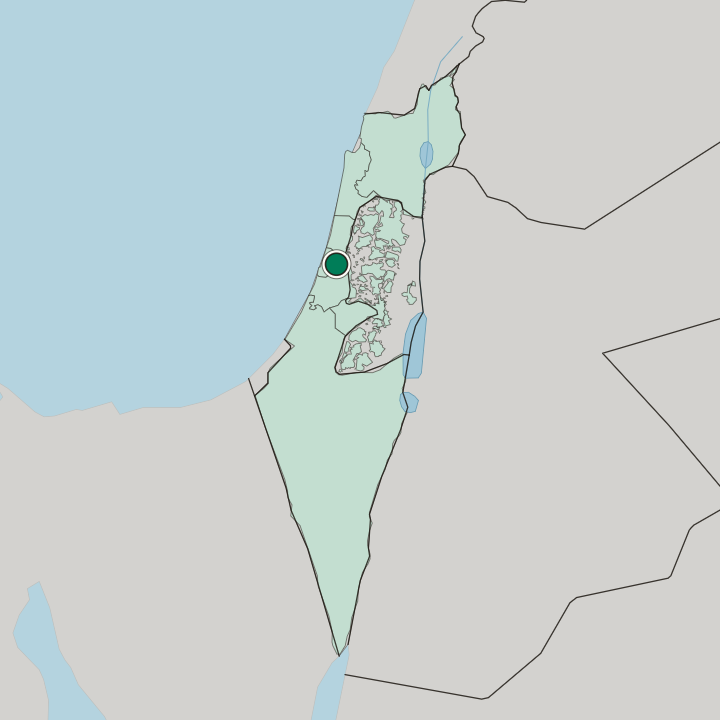
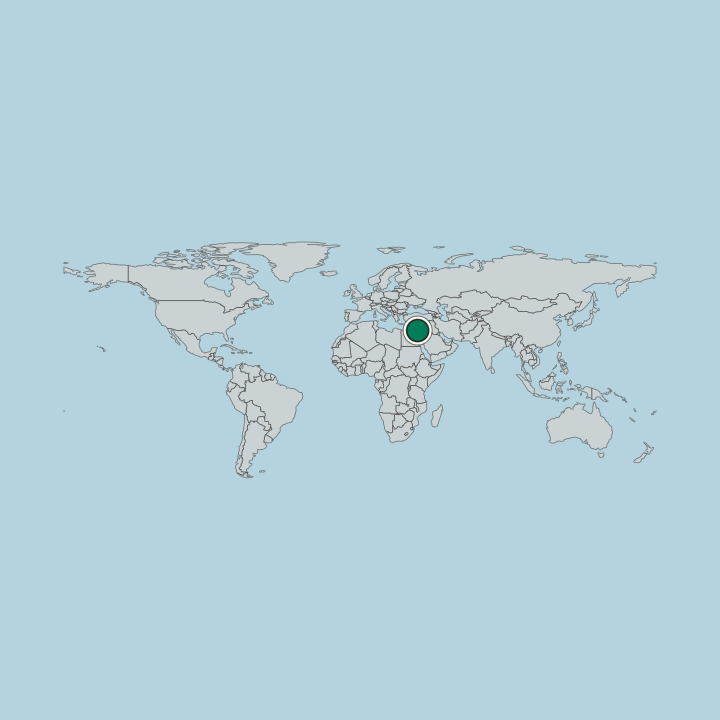
Petaẖ Tiqva sits on the coastal plain of Israel's Central District, some ten kilometres inland and east of Tel Aviv. The Yarkon River runs by. The stream drains west from the low hills toward the Mediterranean, passing close to the city on its way to the sea at Tel Aviv, and the flat, once-marshy ground it crosses is the land the founders drained and planted.
Built-up suburbs of the Tel Aviv conurbation press in on every side, so the city merges with its neighbours across the plain rather than standing alone.
What is the climate of Petaẖ Tiqva?
Petaẖ Tiqva has a Mediterranean climate. Summers are long, hot, and dry. Month after month passes without rain from late spring into autumn, the coastal-plain air warm and often humid off the nearby Mediterranean at Tel Aviv.
Winters are mild and green, and this is when almost all the rain falls, in showers that break between spells of sun and turn the plain briefly lush. Frost is rare on this low ground east of the sea, and snow effectively never comes.
How do you get to Petaẖ Tiqva?
Most visitors reach Petaẖ Tiqva through Tel Aviv. The coast is close. Ben Gurion Airport lies just to the south of the city, the country's main gateway, a short drive across the plain of the Central District.
From there the highways of the Tel Aviv conurbation feed straight into town, and rail and light-rail links run in from the coast, tying Petaẖ Tiqva into the dense transport web of the metropolis. Buses fill the gaps between the neighbourhoods.
Common questions
What is the best area to stay in Petaẖ Tiqva?
City centre and the founders' quarter: first-time visitors tracing the town's Old Yishuv origins. The eastern business belt: business and medical stays near the clinics. The green edge: families wanting parks and calm. Tel Aviv: travellers who want the sea and the big-city evenings.
Good for
More cities in Central District
Updated September 2026