
Israel: Regions, Cities & Travel Guide
Israel is a small country on the eastern Mediterranean in the Southern Levant, part of the Holy Land sacred to Judaism, Christianity, and Islam.
Hotel links are affiliate links: booking through them may earn us a commission, at no extra cost to you. It never affects how places are ranked. How this works


Top destinations in Israel
Cities to start from, then drill into areas and hotels.
 Israel
Jerusalem
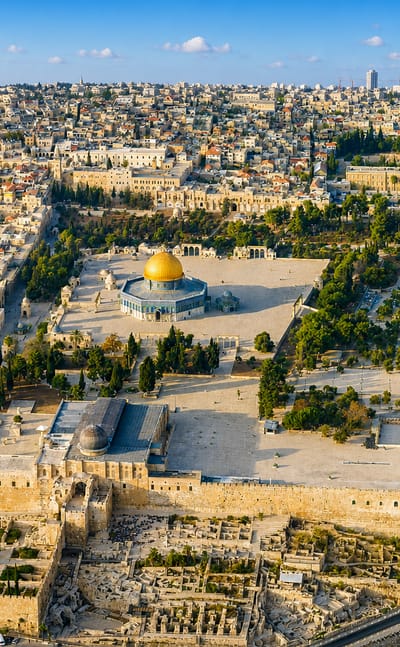
Limestone walls ring the heart of Jerusalem, an ancient city in the Judaean Mountains, holy to Judaism, Christianity and Islam.Where to stay →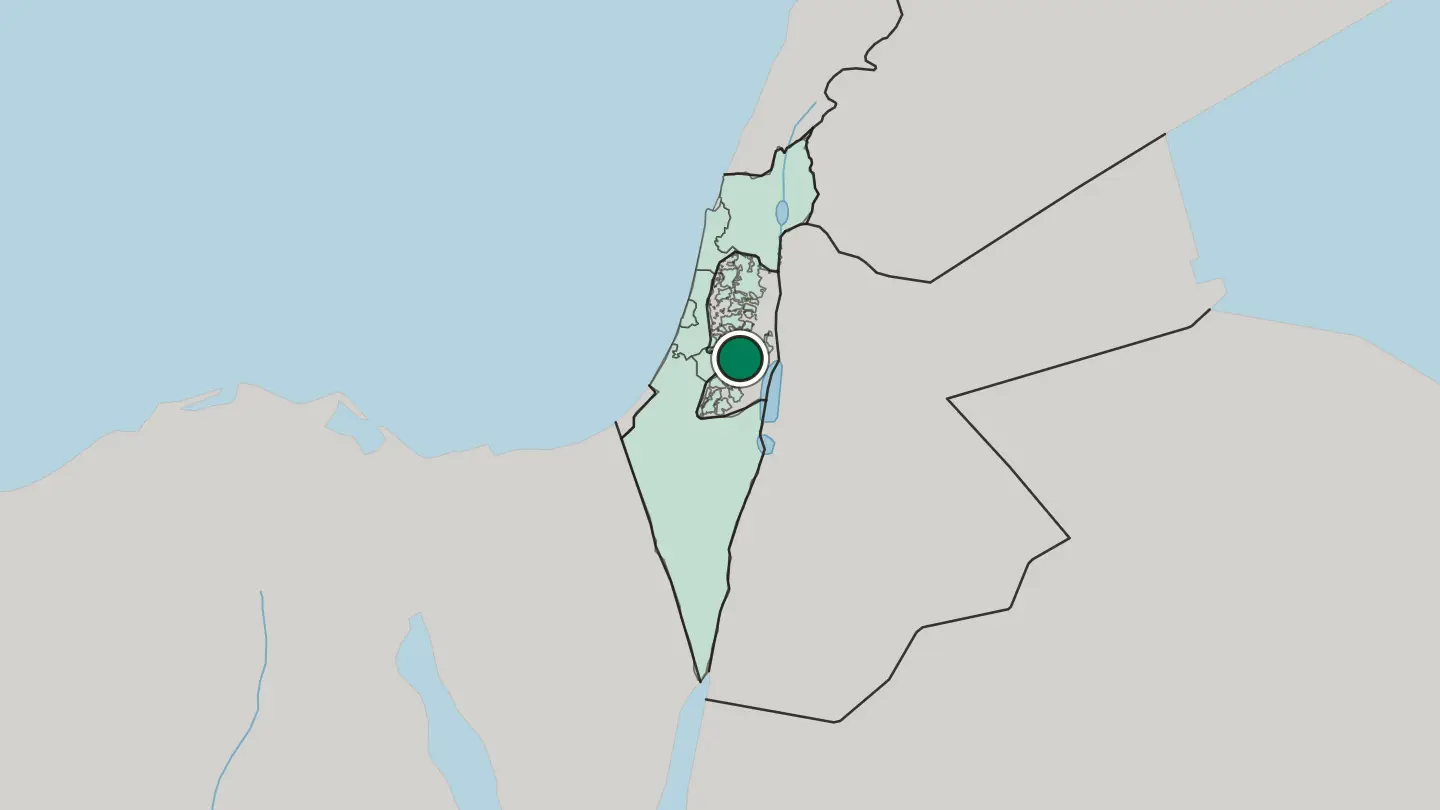
 Israel
Tel Aviv
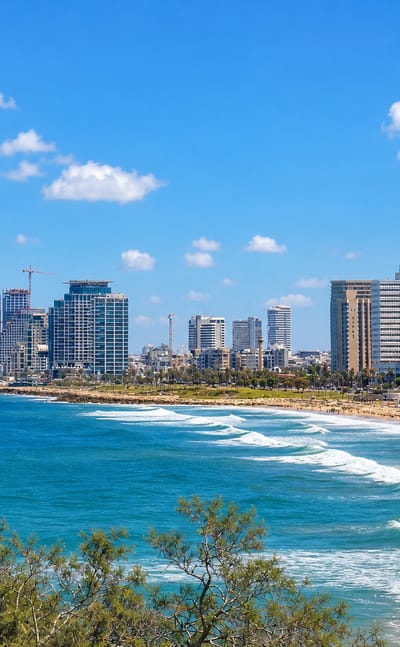
White Bauhaus facades line the Mediterranean shore at Tel Aviv, a coastal city in the Gush Dan area of Israel, founded in 1909 beside ancient Jaffa.Where to stay →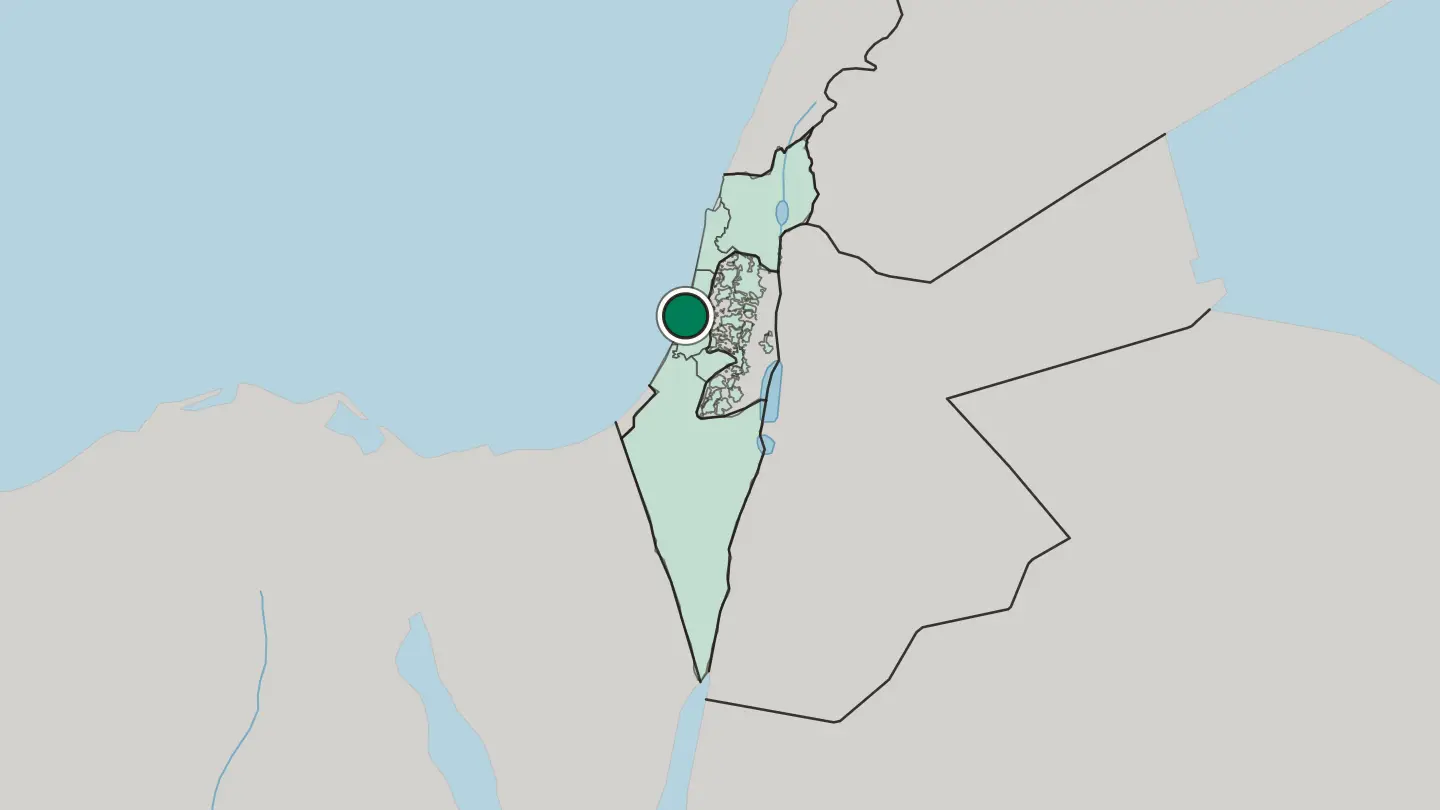
 Israel
Nazareth
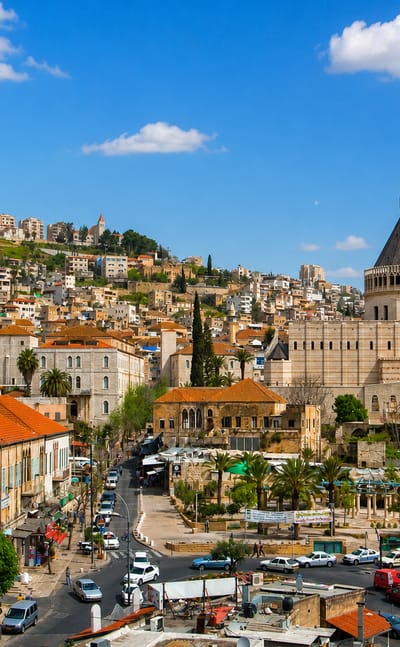
Church domes rise over the hills at Nazareth, a city in the Northern District, the hometown of Jesus and a centre of Arab cultural life.Where to stay →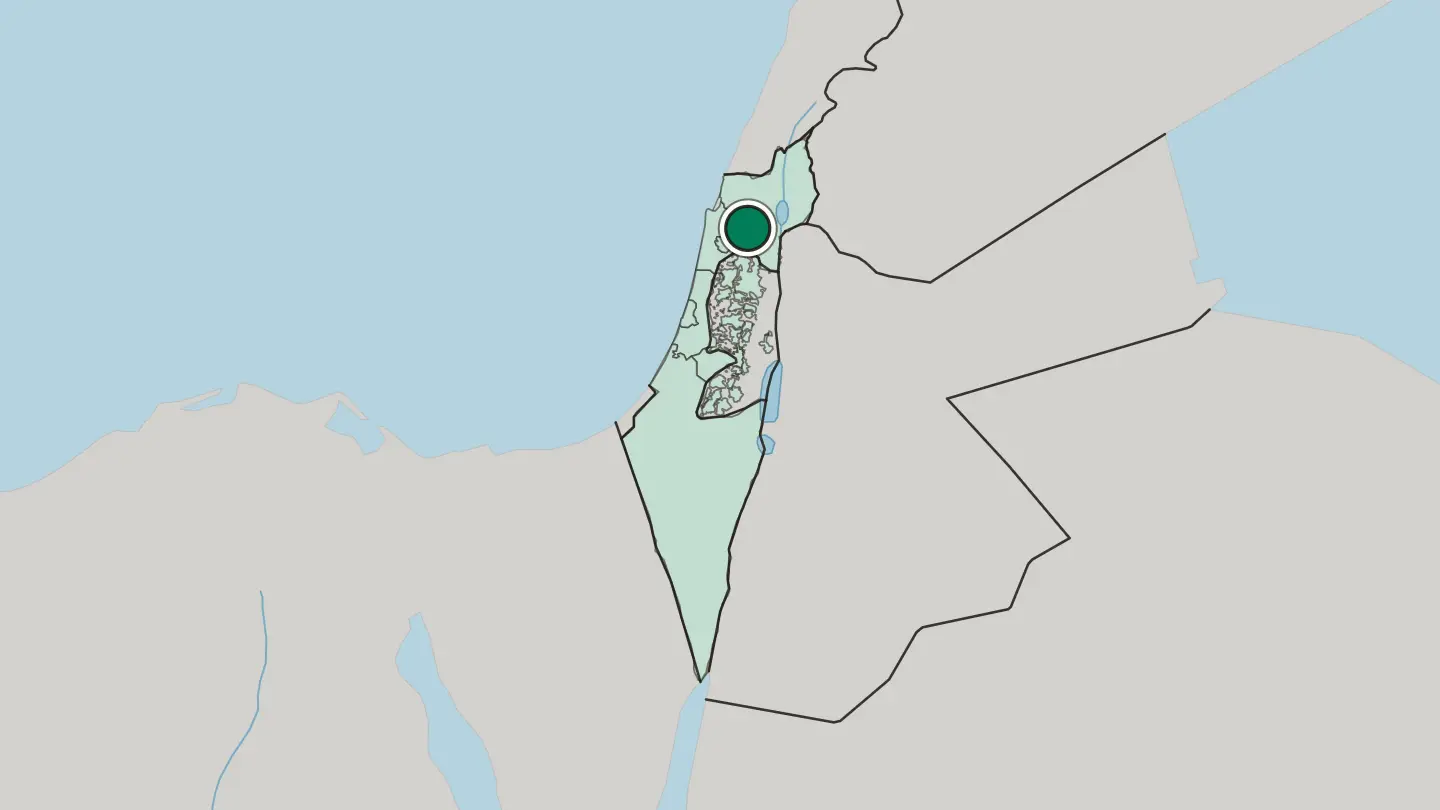
 Israel
Haifa
Terraced gardens climb Mount Carmel at Haifa, a Mediterranean port city known for the Baháʼí World Centre and the Stella Maris Monastery.Where to stay →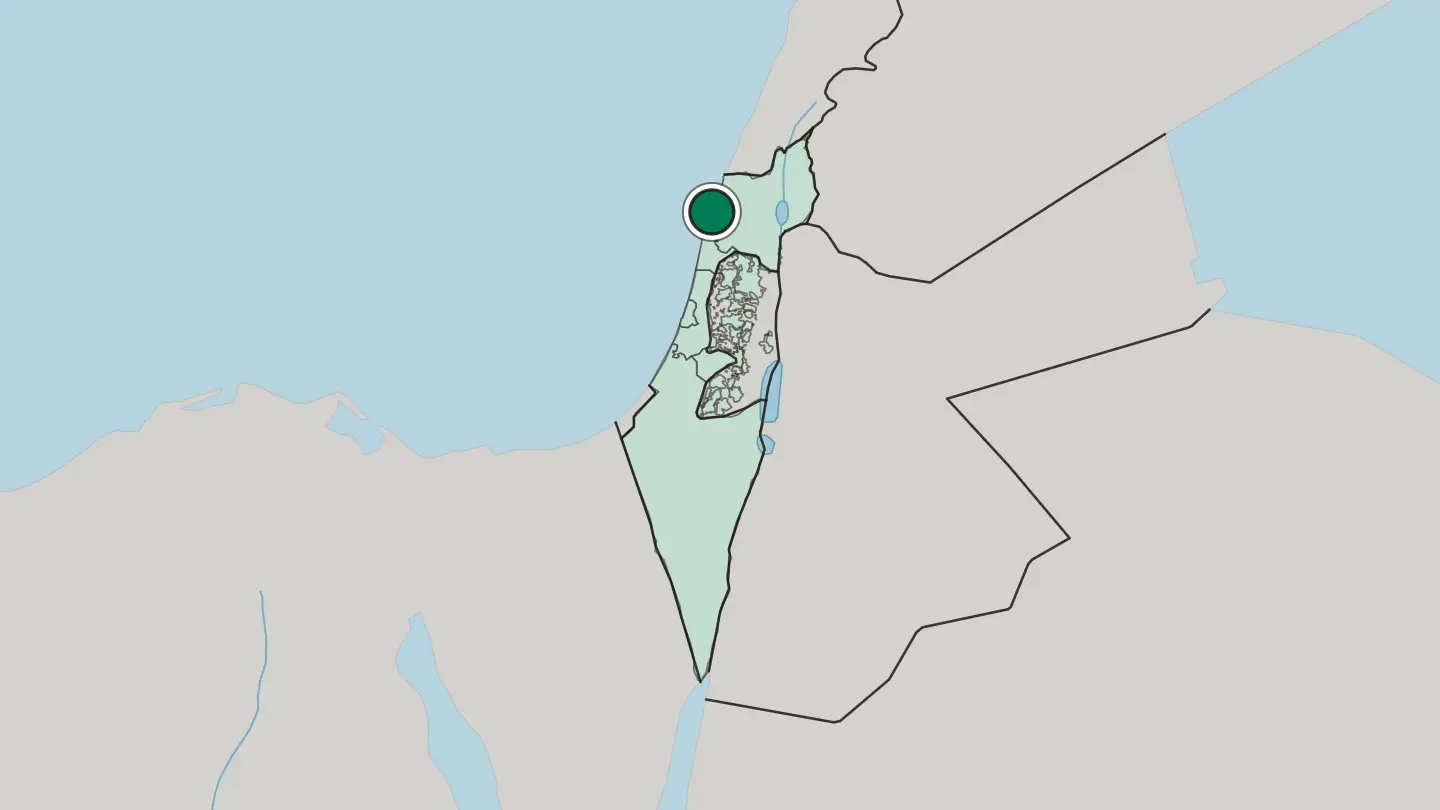
 Israel
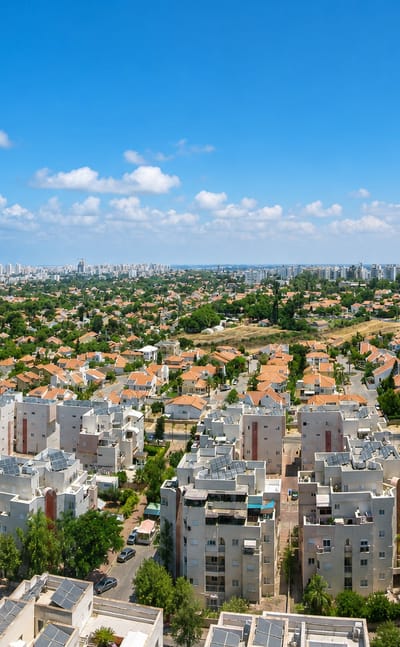
Ashkelon
Low dunes meet the surf at Ashkelon, a coastal city on the Mediterranean coast of the Southern District, known for the ruins of ancient Ascalon.Where to stay →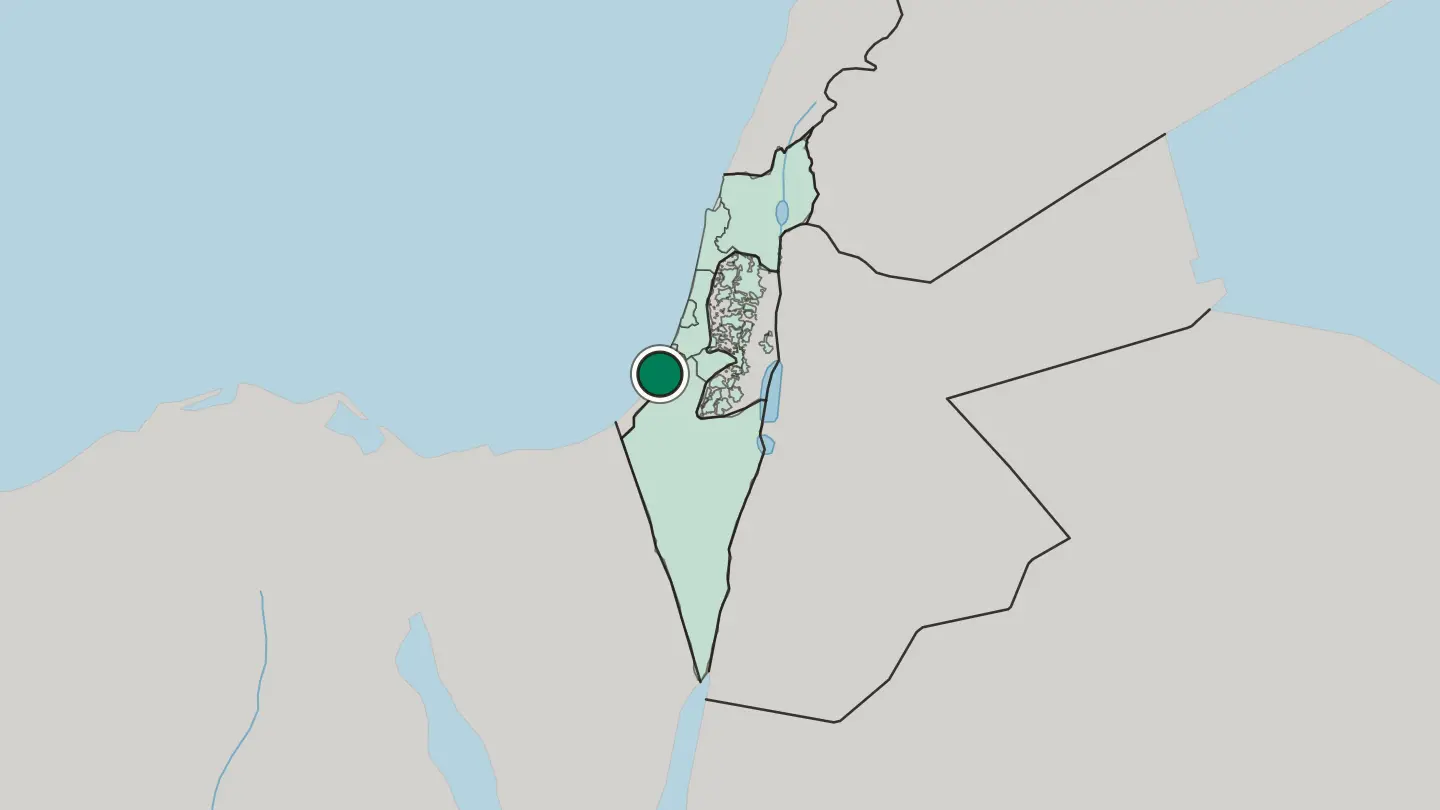
 Israel
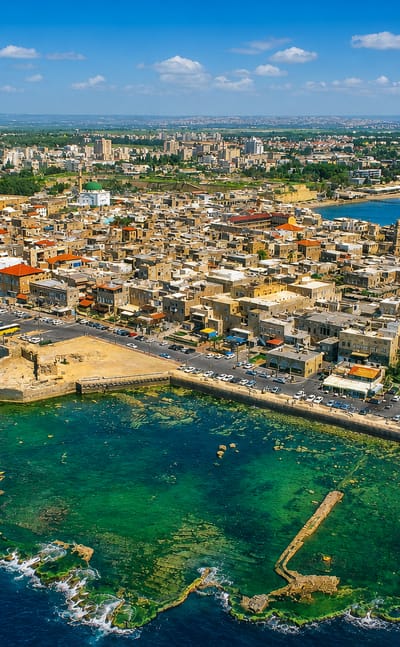
Acre
Sea walls ring the old harbour at Acre, a walled port on the Mediterranean coast, known for the Al-Jazzar Mosque and its Crusader halls.Where to stay →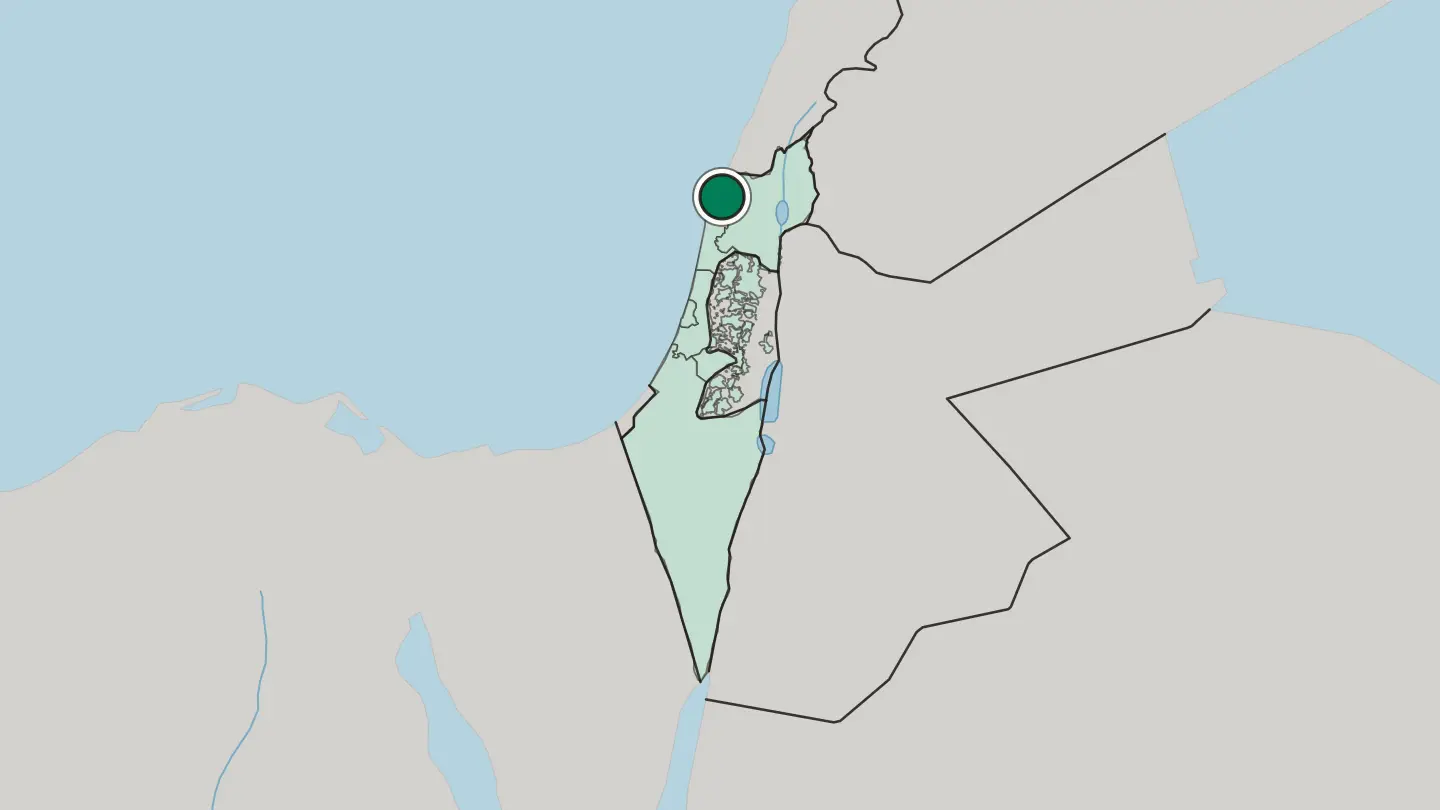
 Israel
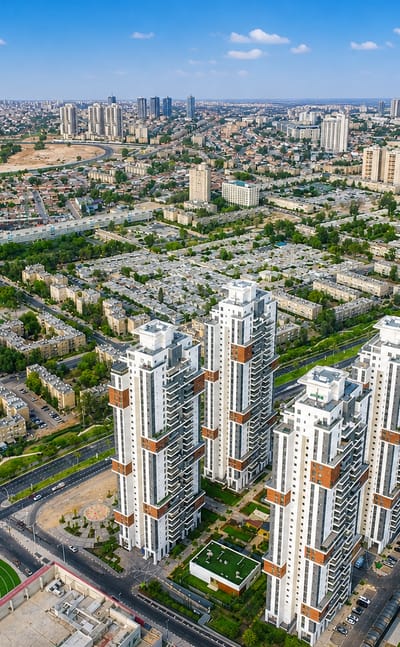
Beersheba
Desert light fills the streets of Beersheba, the largest city of the Negev, long known as the capital of the Negev around its planned Old City.Where to stay →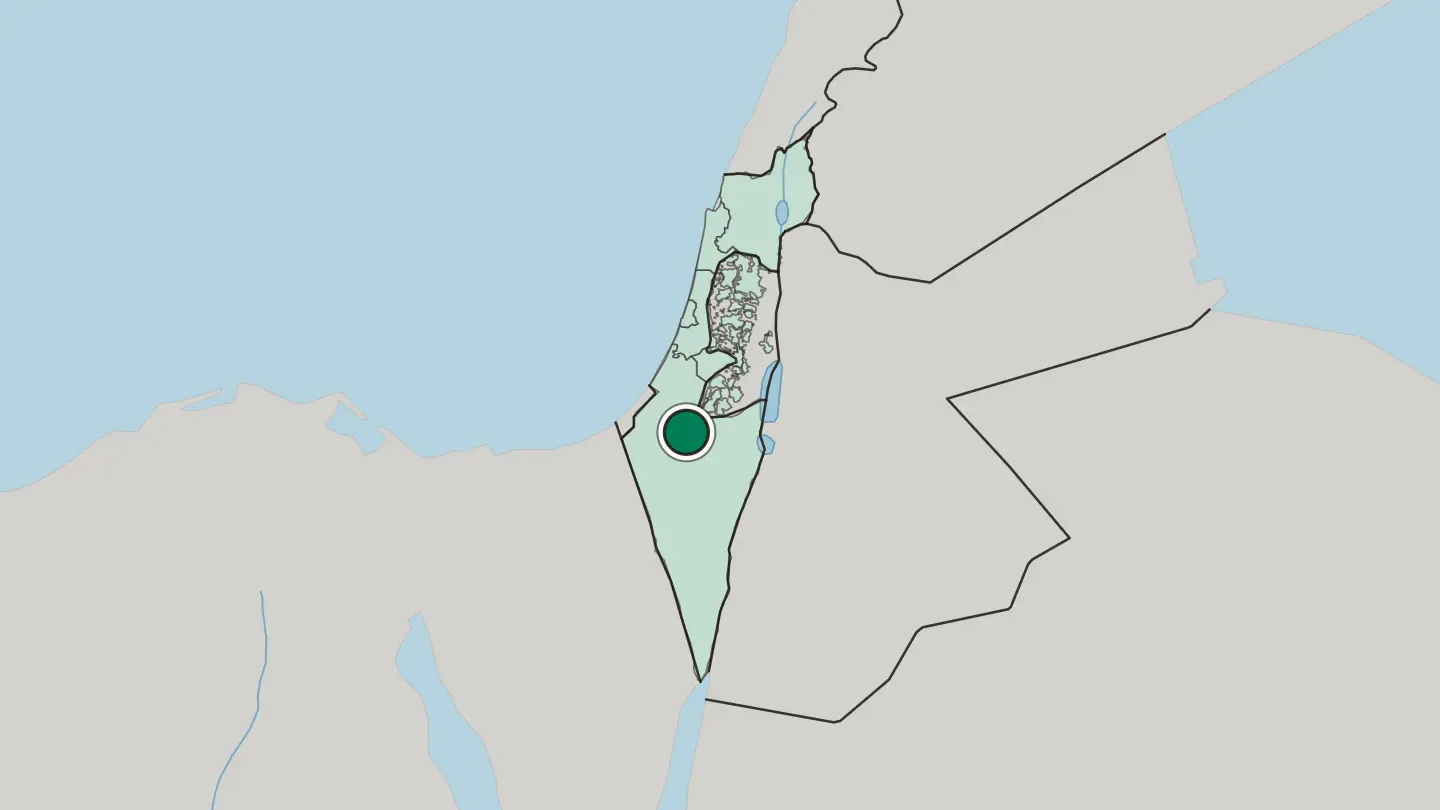
 Israel
Eilat
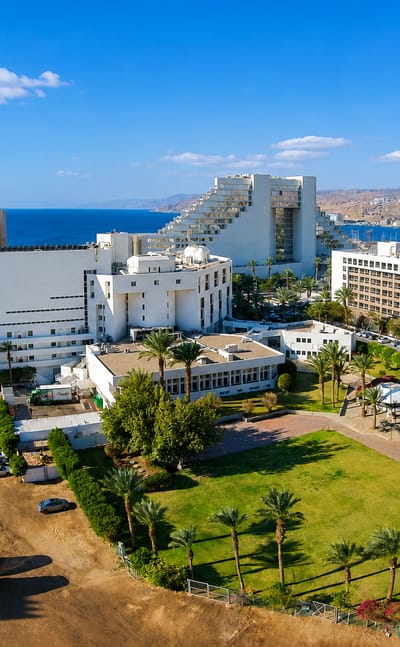
Dry desert light hangs over Eilat, the southernmost city of the Southern District, a resort town founded in 1951 by the Eilat Museum.Where to stay →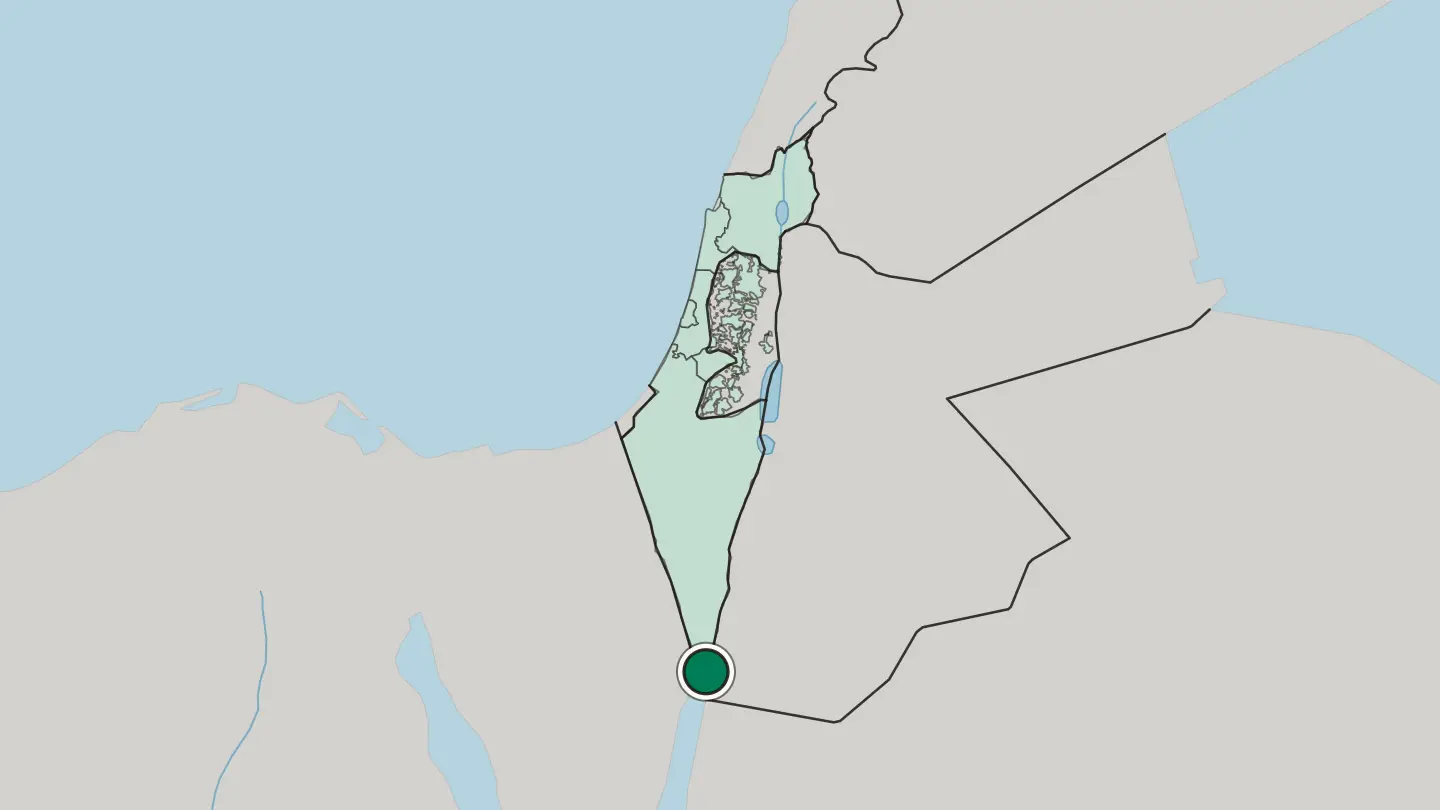
 Israel
Petaẖ Tiqva
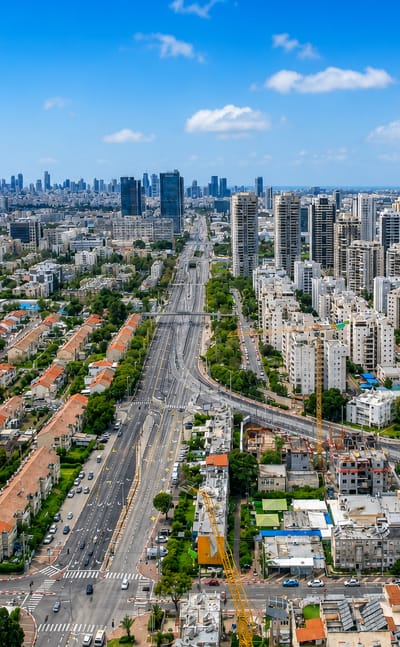
Petaẖ Tiqva sits on the plain east of Tel Aviv, a city in Israel's Central District known as Em HaMoshavot and founded by the Old Yishuv in 1878.Where to stay →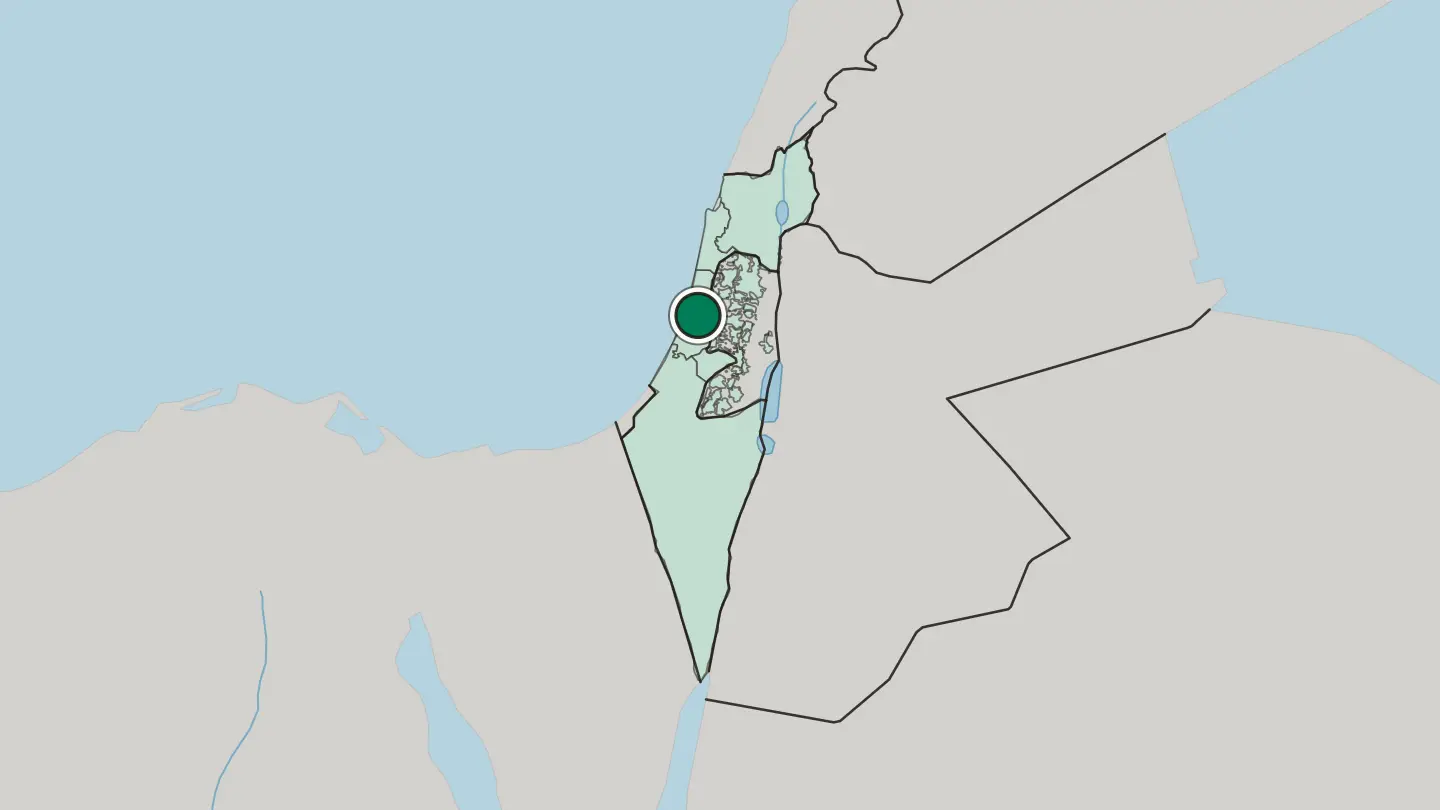
Hotel links are affiliate links: booking through them may earn us a commission, at no extra cost to you. It never affects how places are ranked. How this works
Regions of Israel
Israel
Central District
The Central District wraps the Sharon plain and the coast north of Tel Aviv, Israel's most crowded and fast-moving stretch of country.Towns & cities →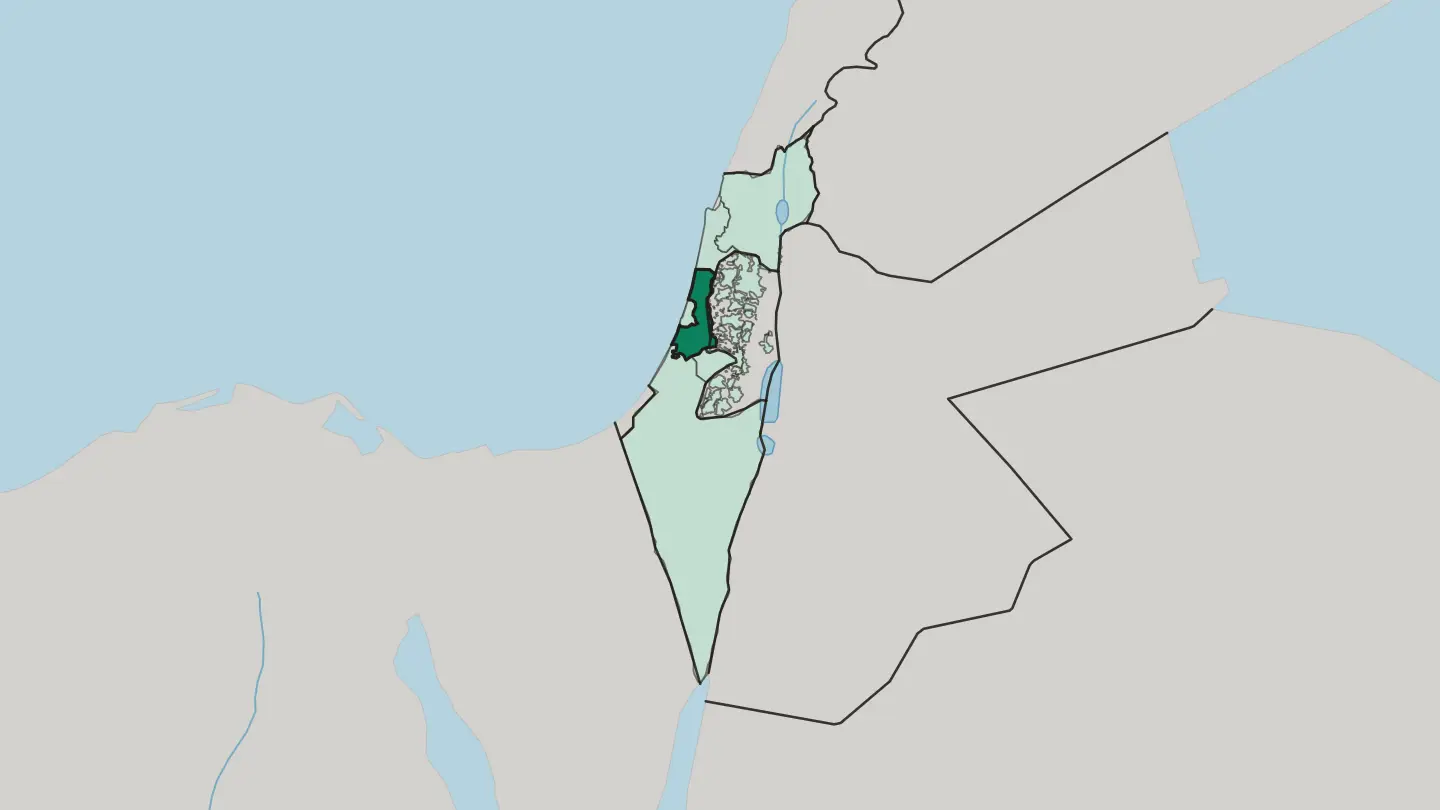 Israel
Haifa
Haifa is the district around Israel's great northern port, climbing Mount Carmel above the Mediterranean.Towns & cities →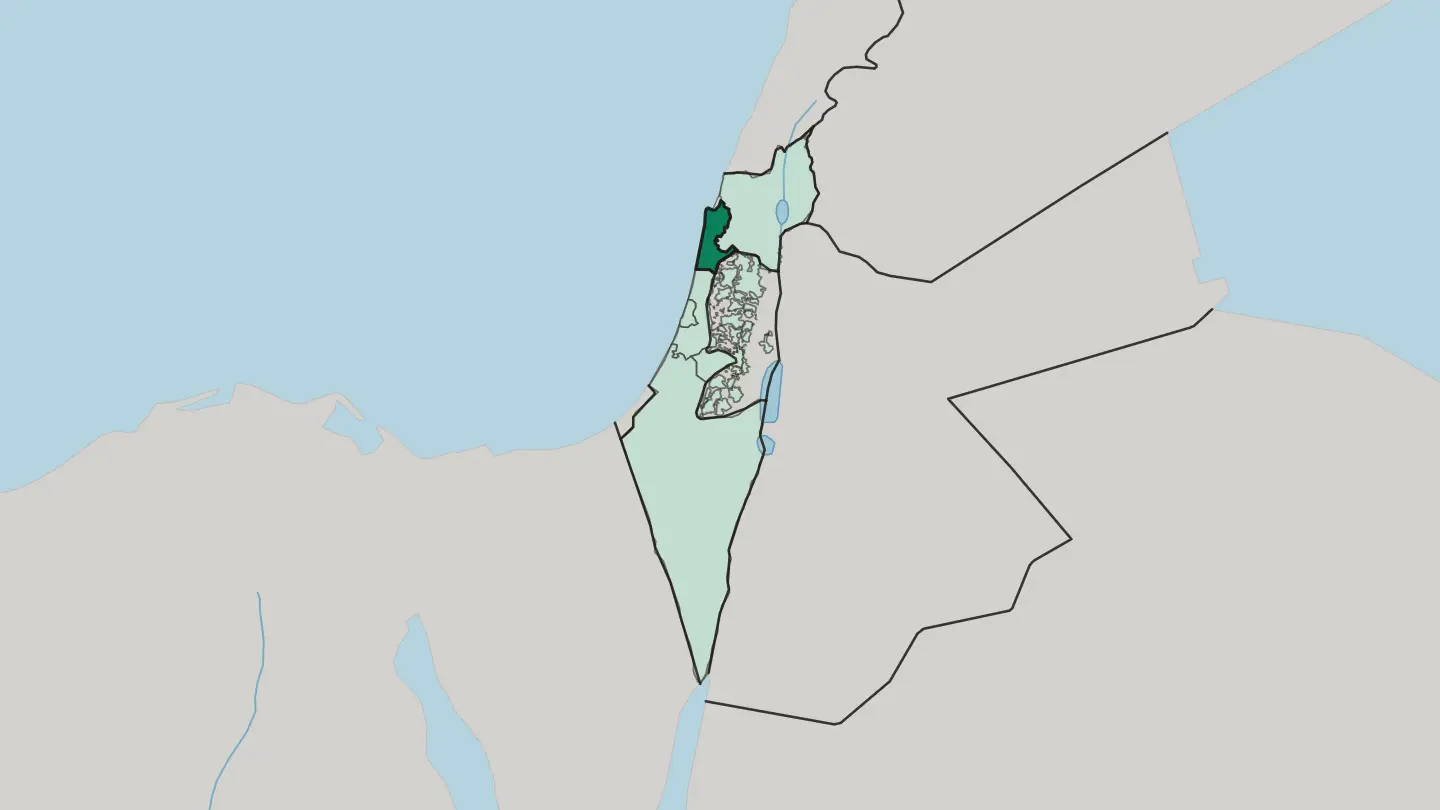 Israel
Jerusalem
Jerusalem is the district around one of the world's oldest cities, set on a plateau in the Judaean Mountains between the Mediterranean and the Dead Sea.Towns & cities →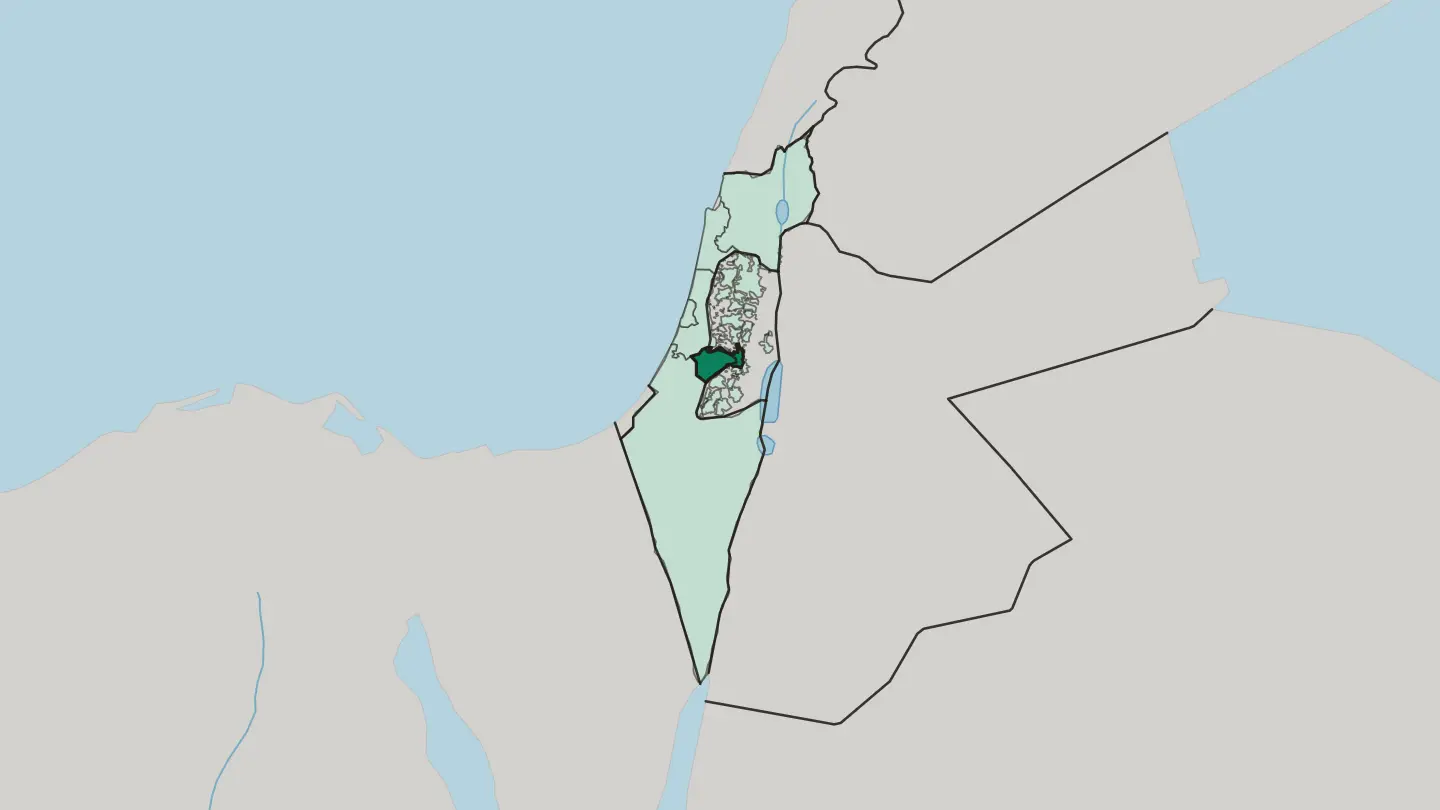 Israel
Judea and Samaria Area
The central highland ridge of the West Bank, running south from Nablus through Ramallah to Hebron, biblical Judea and Samaria.Towns & cities →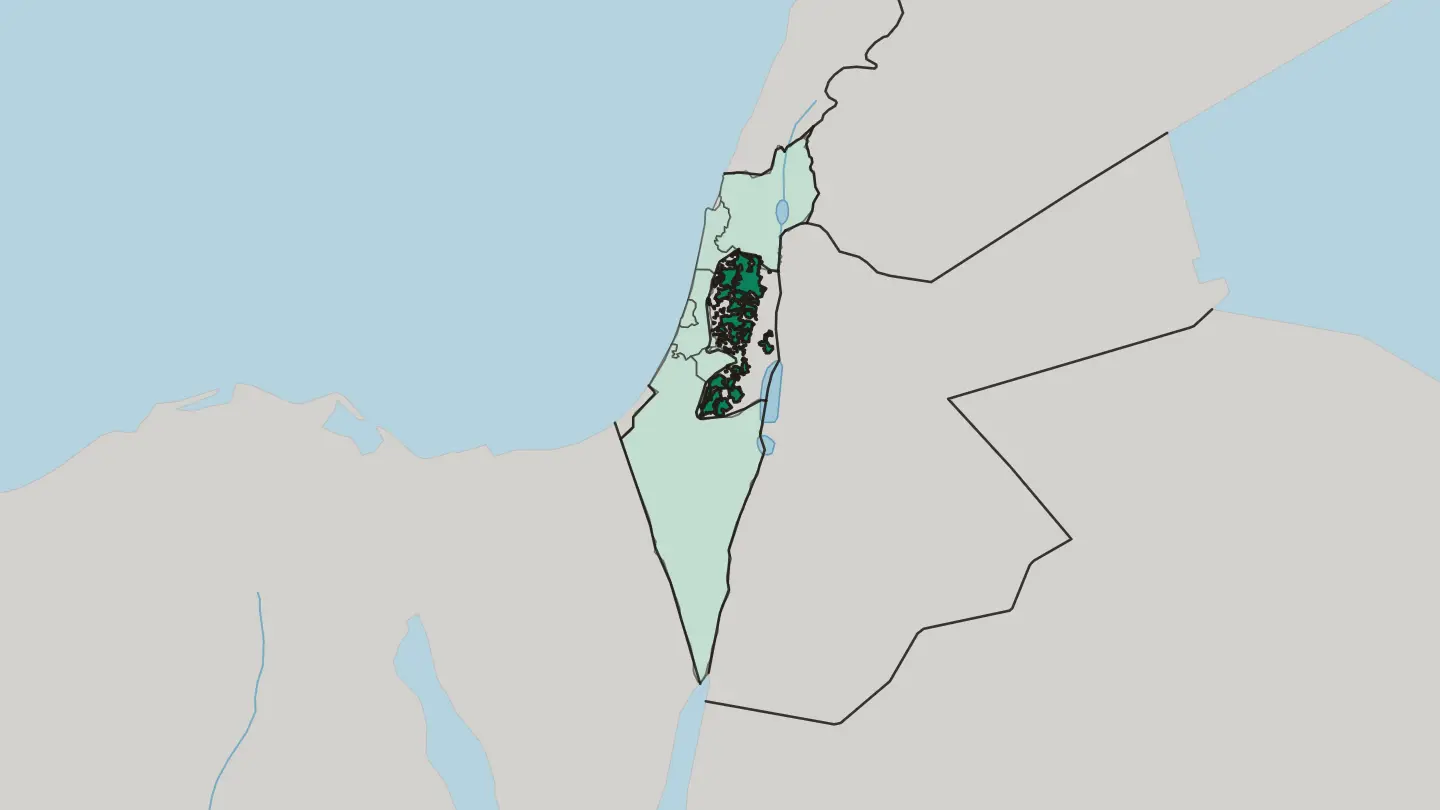 Israel
Northern District
Northern District is the northern region of the State of Israel, a warm, subtropical Mediterranean area established in 1953.Towns & cities →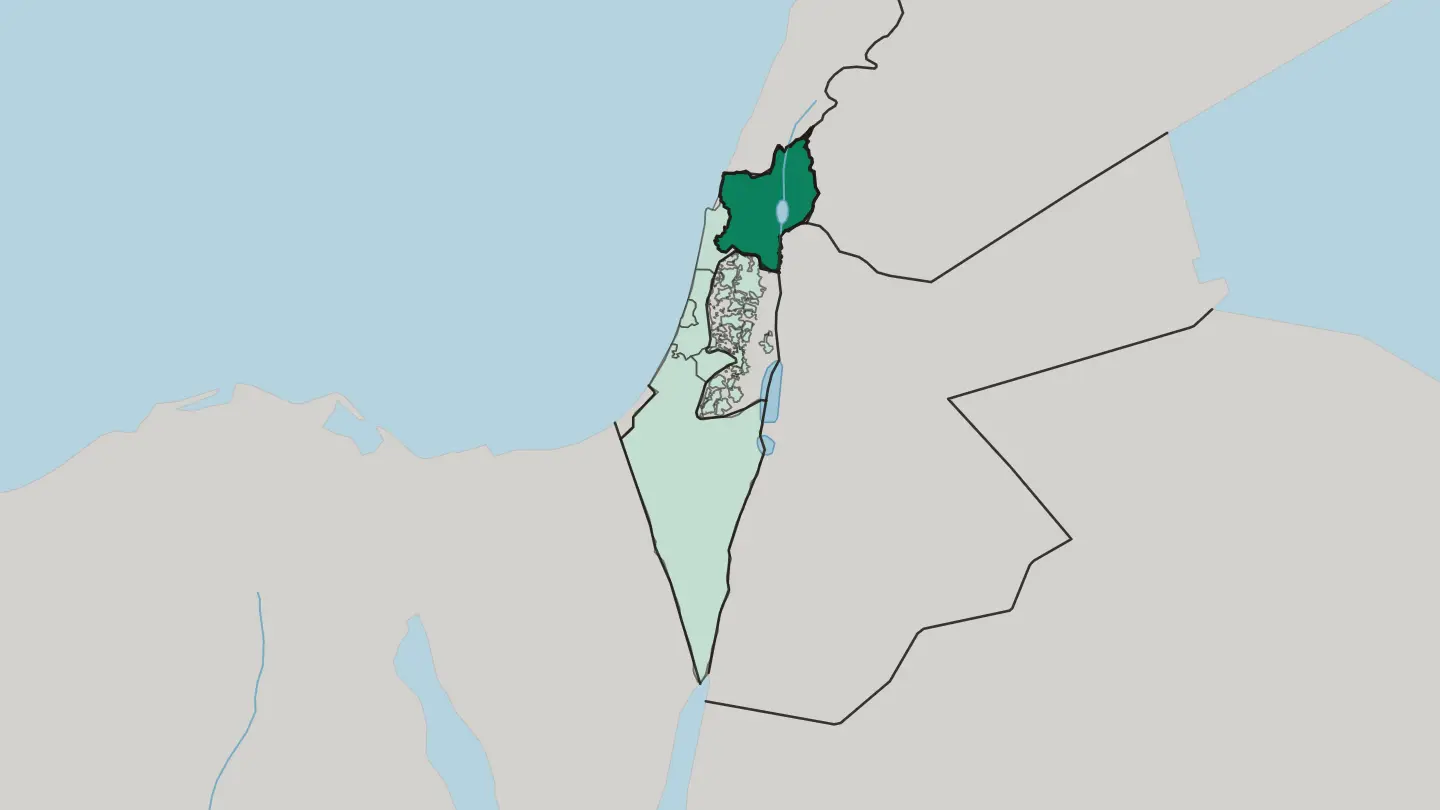 Israel
Southern District
Israel's Southern District is the Negev desert country, Beersheba at its head, the Red Sea at Eilat far to the south.Towns & cities →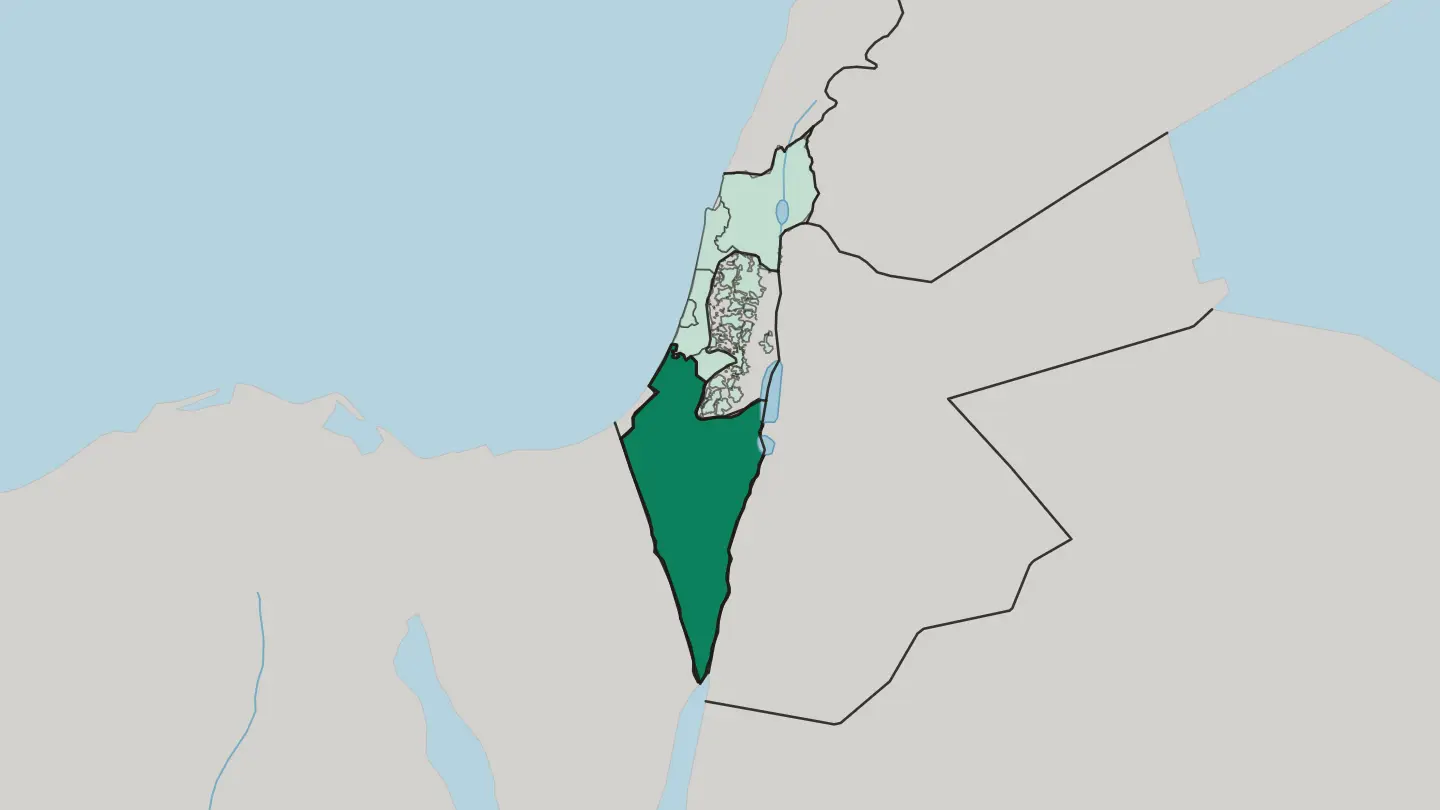 Israel
Tel Aviv District
Tel Aviv District is the smallest and most crowded of Israel's six districts, a strip of Mediterranean coast built around Tel Aviv-Yafo.Towns & cities →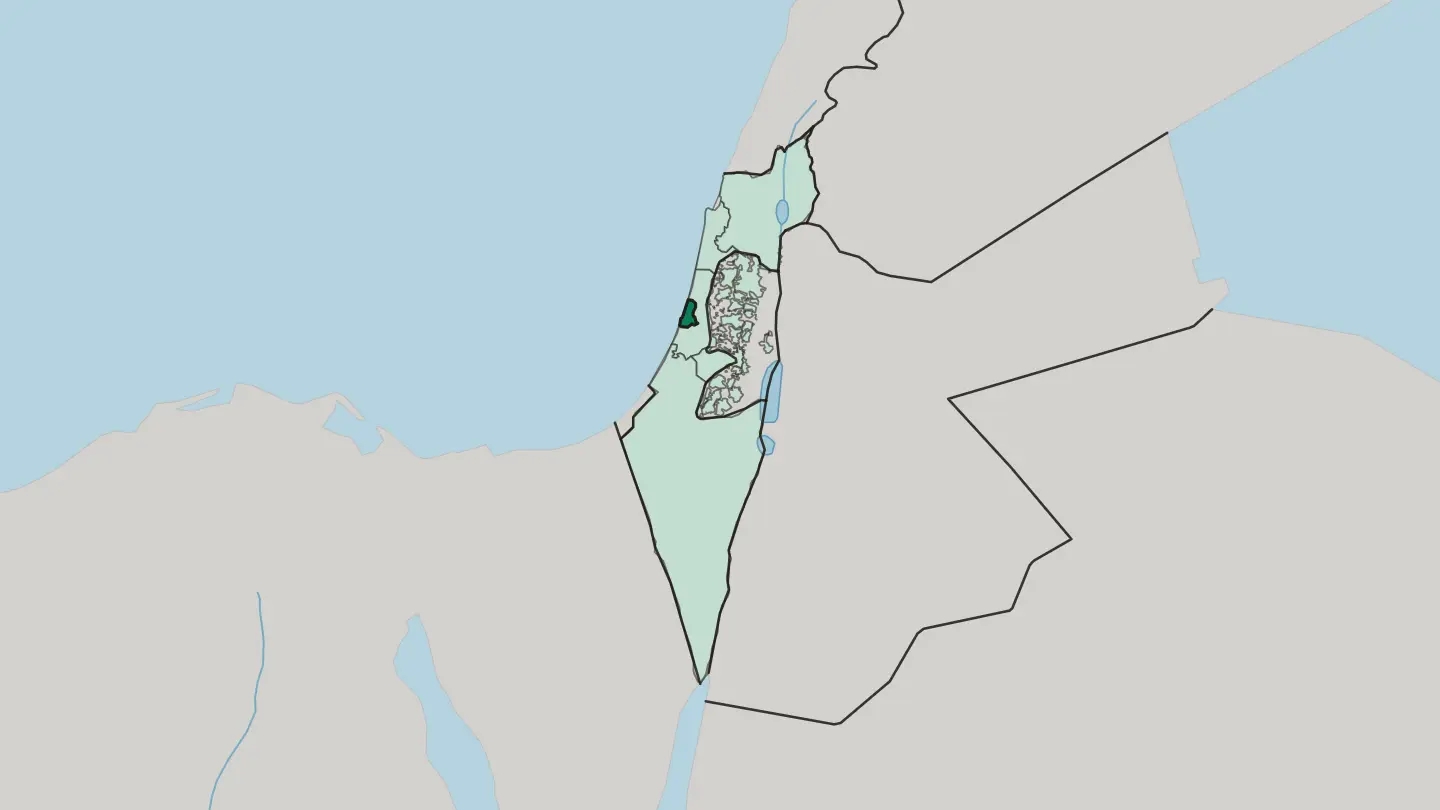
Explore by experience
Not sure which place? Start from how you want to travel.



About Israel
What is Israel known for?
Israel is best known as part of the Holy Land, a small country in the Middle East holding sites sacred to several faiths. Layers of the past reach far into this ground. Faith runs deep here.
The land lies at the heart of the ancient Fertile Crescent and the Levant, and the three Abrahamic religions of Judaism, Christianity, and Islam all trace holy places to it, drawing pilgrims from around the world. Geography adds its own draws, from the Mediterranean Sea in the west to the Dead Sea in the east, the lowest point on the surface of the Earth.
Where is Israel?
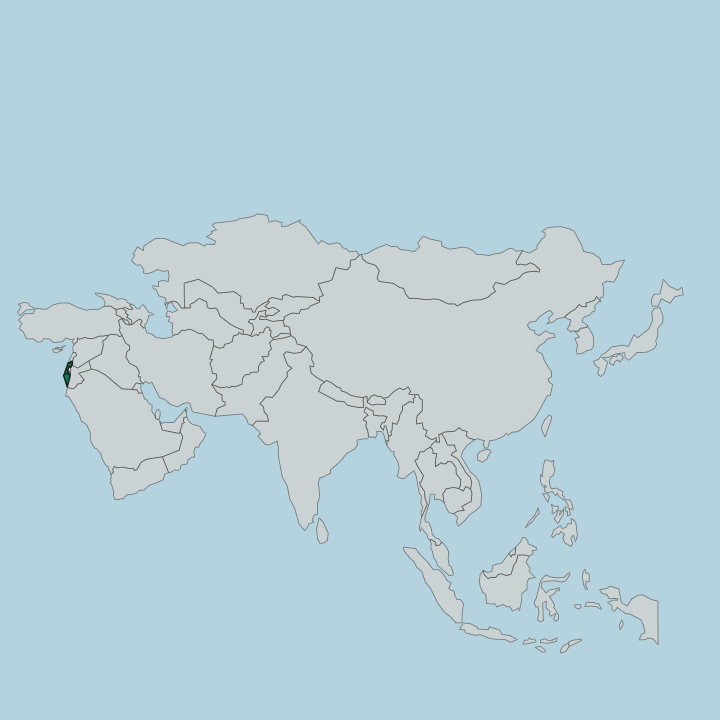
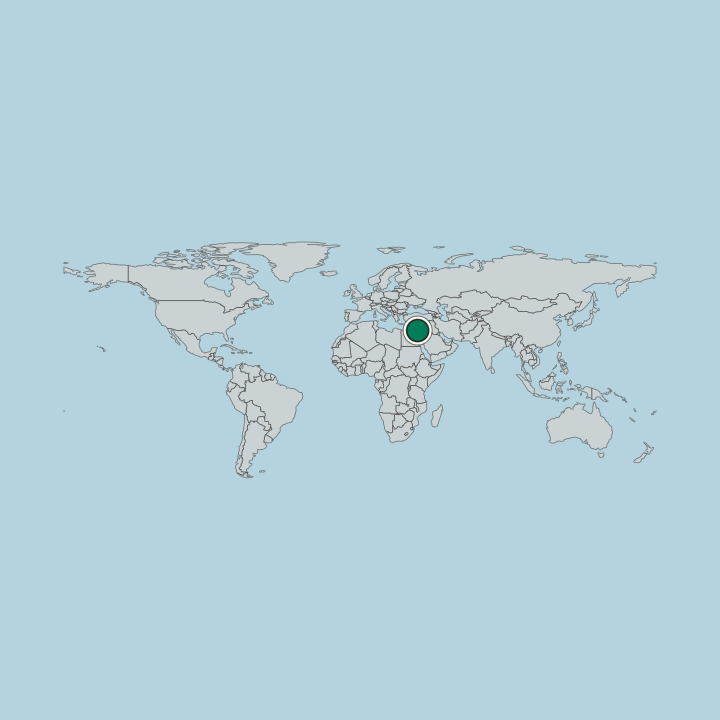
Israel is a small country in the Southern Levant, on the eastern edge of the Mediterranean Sea in West Asia. Four neighbours ring its land borders. Lebanon lies to the north, Syria to the northeast, Jordan along the east, and Egypt to the southwest, so the country sits at the meeting of the Middle East.
Water marks the other edges. The western coast runs the length of the Mediterranean Sea, the southern tip reaches down to the Red Sea, and to the east the land drops to the Dead Sea, the lowest point on the surface of the Earth. The country is long and narrow.
From the greener, wetter north it stretches south into steadily drier country, ending in open desert near the Red Sea. It is small ground for such variety. Within a short distance the land runs from sea coast to mountain to desert, and from the Mediterranean shore to the deep rift of the Dead Sea.
This is the old heart of the Levant and the Fertile Crescent. For thousands of years the same narrow strip has linked the lands around it, a bridge between the Mediterranean world and the deserts inland.
What is the history of Israel?
Israel carries far more history than its size suggests. The modern State of Israel is young, established in 1948 as a homeland for the Jewish people. The land beneath it is ancient.
This narrow strip holds thousands of years of history for many peoples and religions, layer upon layer along the same coast and hills. It was part of the old Fertile Crescent, the arc of early settlement, and of the wider Levant that bridged the ancient world. The Holy Land took shape here.
The three Abrahamic religions of Judaism, Christianity, and Islam all root their earliest stories in this ground, and the Baha'i Faith holds sacred sites here as well. Pilgrims have come for centuries. Their holy places still draw travellers from around the world to the same cities and shores.
The modern state gathered a scattered people. Most of its Jews descend from Olim, arrivals from many lands, and that mix of origins runs through the country's life. From ancient crossroads to a state founded in 1948, the land keeps both stories at once, the very old and the very new.
What is Israel like?
Israel is a land defined by faith and by mixture. Religion runs through everything. Sites sacred to Judaism, Christianity, Islam, and the Baha'i Faith all lie within the same small country, and the pull of the Holy Land shapes how the place is seen from outside.
Yet daily life is broadly modern. Its people come from many lands, and that mix shows in the food, the music, and the streets of a Middle Eastern country. Many of its Jews trace their families to Olim, people gathered from around the world.
Their varied roots feed a modern Israeli culture that blends traditions gathered from many lands. Hebrew ties much of it together. The old language, revived in the modern era, is the common tongue of the State of Israel.
Faith and everyday life sit close together here. A holy site and a busy street can share the same block, the very ancient beside the very ordinary. From the Mediterranean coast to the desert edge, the country carries the weight of the Holy Land and the pace of a young state at the same time.
What is the climate of Israel?
Israel has a Mediterranean climate along its coast, with hot, dry summers and mild, wet winters. The pattern shifts inland. Moving south and east, the land grows steadily drier, until the far south around the Red Sea becomes true desert, hot and almost rainless.
The coast stays milder, cooled by the Mediterranean Sea. Rain falls mostly in the cooler months, greener in the north and scarcer toward the Dead Sea.
How do you get to Israel?
Israel is reached mostly by air, with international flights landing near the Mediterranean coast before travellers spread out across the small country. Little ground separates one corner from the next. Nowhere is far.
The whole country fits within a few hours' drive, so a single arrival point can serve the coast, the hills, and the desert alike. By land it shares borders with Lebanon, Syria, Jordan, and Egypt. Its coasts reach the Mediterranean Sea in the west and the Red Sea at the southern tip.
Common questions
What is the best area to stay in Israel?
Tel Aviv: beaches and city life on the coast. Jerusalem: the holy sites of the three faiths. The south, by the Dead Sea and Red Sea: the desert and the water in the south.
Good for
Updated September 2026