Israel · Tel Aviv District
Where to Stay in Tel Aviv, Tel Aviv District
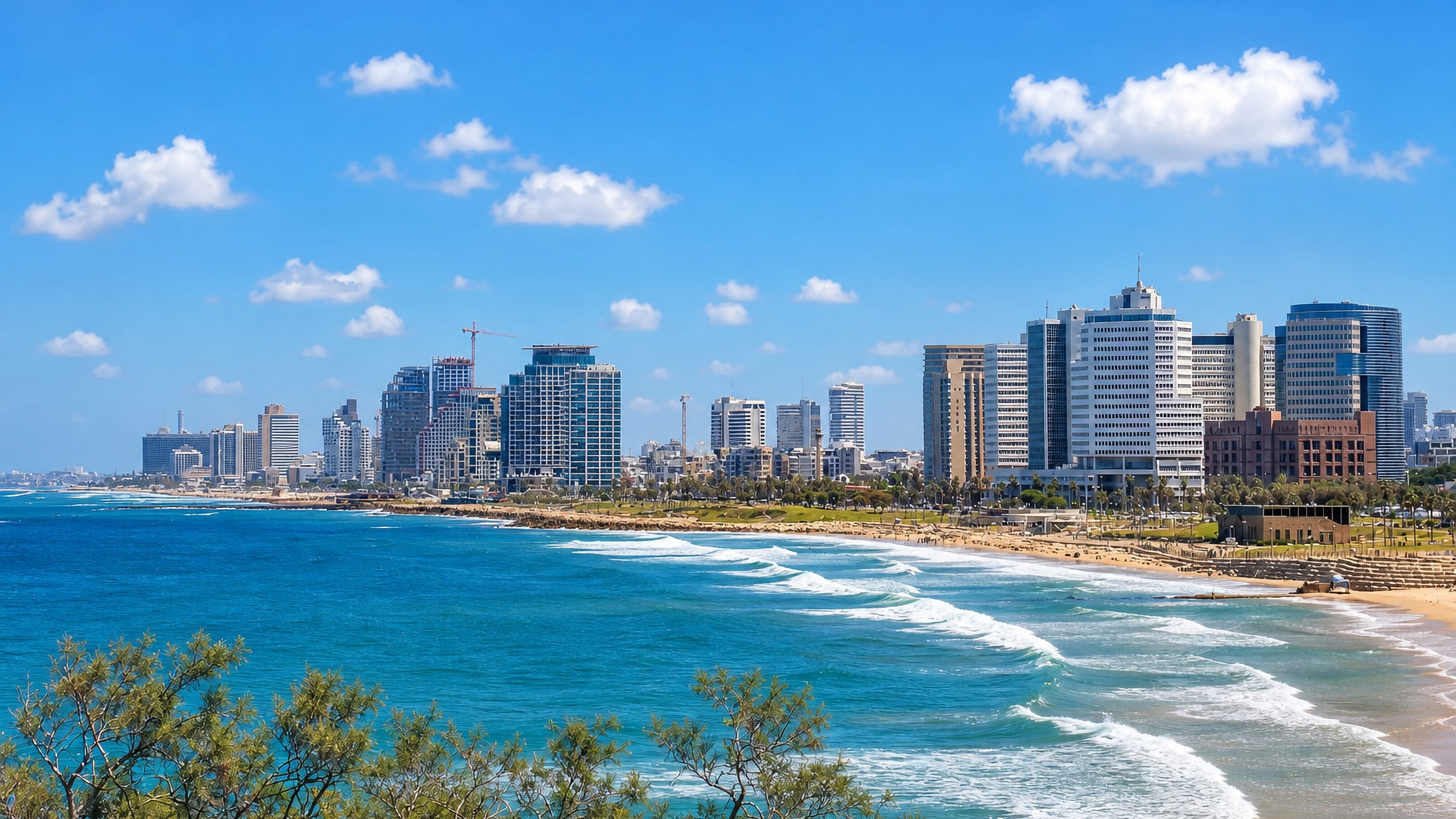
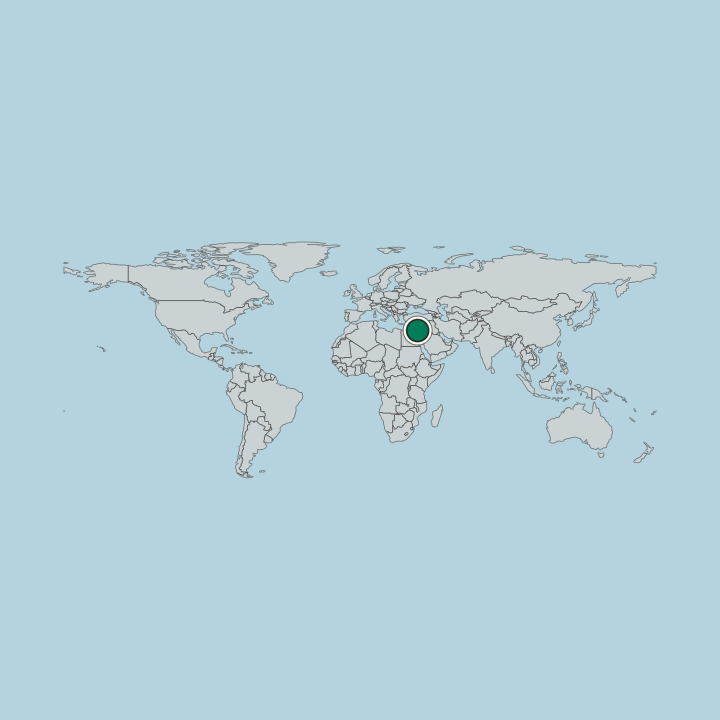
White Bauhaus facades line the Mediterranean shore at Tel Aviv, a coastal city in the Gush Dan area of Israel, founded in 1909 beside ancient Jaffa.
Hotel links are affiliate links: booking through them may earn us a commission, at no extra cost to you. It never affects how places are ranked. How this works


Where to stay in Tel Aviv
One neighbourhood here has its own guide — here's what it is best for.
 Tel AvivIsrael
Jaffa
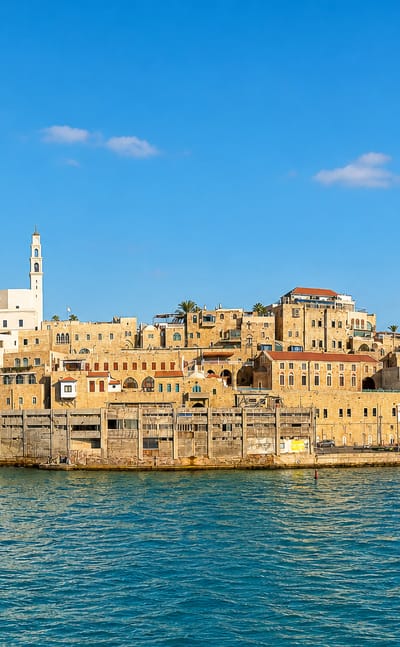
Stone lanes climb from an ancient harbour at Jaffa, the old port quarter of southern Tel Aviv-Yafo, known for St. Peter's Church and Andromeda Rock.Where to stay →Hotel links are affiliate links: booking through them may earn us a commission, at no extra cost to you. It never affects how places are ranked. How this works
Find hotels in Tel Aviv
Direct booking searches for these neighbourhoods.
Seafront strip
The line of hotels above the Mediterranean beach and promenade, water on one side and the modernist grid on the other.Find hotels in Seafront stripBauhaus streets by the Tel Aviv Museum of ArtWhite City
The dense grid of pale Bauhaus blocks around the Tel Aviv Museum of Art, Bialik House, and the Pagoda House.Find hotels in White CityHistoric stone lanes below St. Peter's ChurchJaffa old port
The oldest rooms in the city, on stone lanes rising from Jaffa harbour toward St. Peter's Church.Find hotels in Jaffa old portHotel links are affiliate links: booking through them may earn us a commission, at no extra cost to you. It never affects how places are ranked. How this works
Things to do in Tel Aviv
Ranked by global recognition; descriptions from Wikidata (CC0).
Museums & Galleries
3- Ben-Gurion House in Tel Aviv Heritage
- Bialik House Heritage
- Lehi Museum Heritage
Churches & Religious Sites
3- St. Peter's Church
- Immanuel Church
- Saint Nicholas Monastery
Castles & Historic Sites
2- Tell Qasile
- Tel Kudadi
Landmarks & Notable Places
3- Pagoda House Heritage
- Levin House Heritage
- Andromeda Rock
worth knowingacross 4 categories in Tel Aviv
About Tel Aviv
What is Tel Aviv known for?
Tel Aviv is known for its Bauhaus quarter, its Mediterranean beachfront, and its museums. Founded in 1909, the city grew north of ancient Jaffa into a broad grid of pale modernist blocks. The Tel Aviv Museum of Art and the Eretz Israel Museum anchor its cultural life.
Its shoreline runs along the sea. Beyond the galleries, the Palmach Museum and the Tel Aviv Cinematheque draw visitors inland from the coast, within the wider Gush Dan area.
What are the main landmarks in Tel Aviv?
Tel Aviv gathers its landmarks between the Mediterranean shore and the museum quarter inland. The Tel Aviv Museum of Art and the Eretz Israel Museum lead the cultural rooms, joined by the Palmach Museum and the Yitzhak Rabin Center. Old houses survive too.
The Bialik House, the Ben-Gurion House, and the Pagoda House preserve the early city, while the ancient mound of Tell Qasile marks a far older settlement above the coast.
What is the history of Tel Aviv?
Tel Aviv was founded in 1909 on the dunes north of ancient Jaffa, beginning as a small quarter that spread inland from the Mediterranean shore. Its earliest streets grew quickly. Within a generation the settlement had expanded into a broad city, planned on a modern grid and built up through the modernist decades in the pale Bauhaus style that fills its central district.
The old and the new sit side by side here. Far older layers underlie the coast. The mound of Tell Qasile preserves an ancient settlement above the shore, and to the south the port of Jaffa carried trade across the Levantine coast for centuries before the new city rose beside it.
Early civic houses record the young city's growth. The Bialik House and the Ben-Gurion House, together with cultural rooms such as the Palmach Museum, trace the decades in which Tel Aviv grew from dunes into the heart of the Gush Dan area.
Where is Tel Aviv?
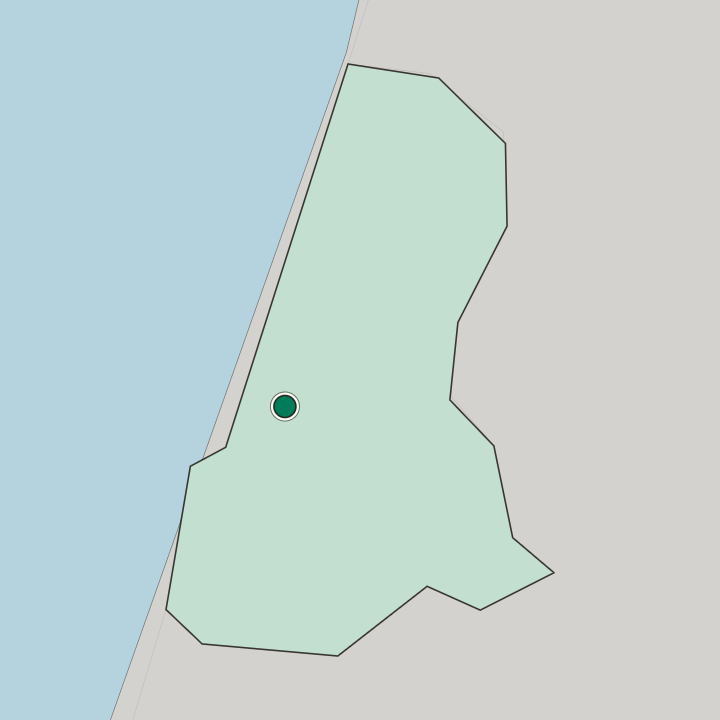
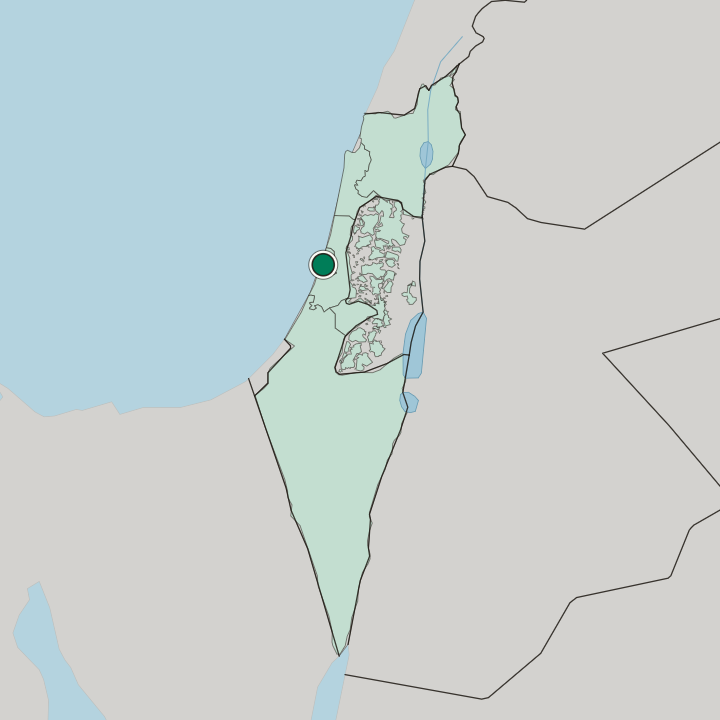
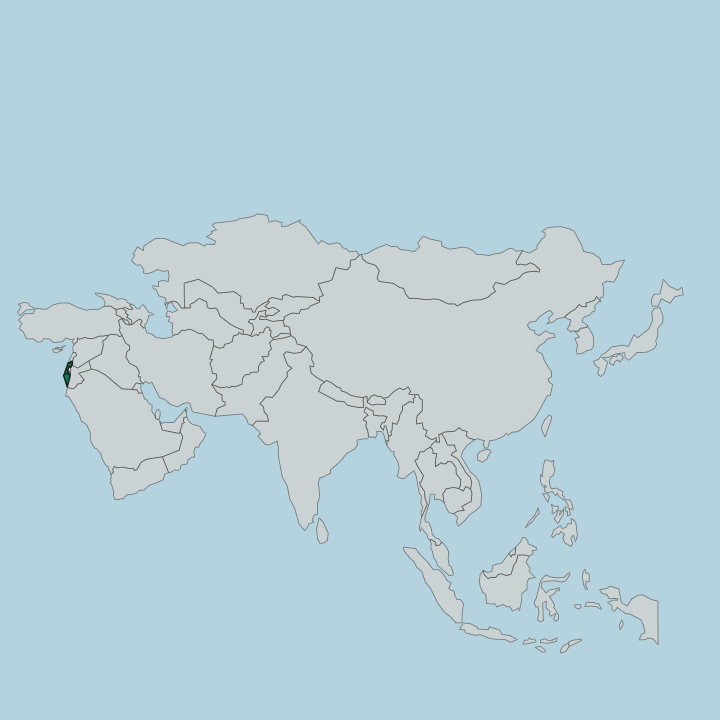
Tel Aviv sits on the Mediterranean coast of Israel, within the Gush Dan area. The city spreads across a low coastal plain, its western edge running the length of the sea and its southern quarter meeting the older ground of Jaffa. Sand fringes the whole shore.
Inland the flat grid stretches back from the beach, while the mound of Tell Qasile rises above the coast where an ancient stream reaches the sea north of the centre.
What is the climate of Tel Aviv?
Tel Aviv has a Mediterranean climate of hot, dry summers and mild, wetter winters. The sea moderates the coast. Long rainless months stretch across the summer, when warm days settle over the shore and the beaches of the Gush Dan plain, while the cooler season brings most of the year's rain in short spells.
Frost is unknown here. The Mediterranean keeps the air humid along the shore through the warm season.
How do you get to Tel Aviv?
Tel Aviv anchors the transport network of the Gush Dan area on the Mediterranean coast. Rail and road corridors link the city inland and along the shore, tying it to the wider metropolitan grid. The coast road follows the sea.
Routes run south toward Jaffa and its old harbour, and the flat coastal plain around the city keeps the approaches level, with the Mediterranean always to the west of the arriving traveller.
Tel Aviv lies in the Tel Aviv District on the Mediterranean coast of the Gush Dan area. Its setting is a low coastal plain beside the sea. The Bauhaus White City is its signature feature, and Hebrew is its language. The city was founded in 1909, growing north of ancient Jaffa into the heart of the metropolitan area.
Common questions
What is the best area to stay in Tel Aviv?
Seafront strip: Beach mornings on the Tel Aviv promenade. White City: Bauhaus streets by the Tel Aviv Museum of Art. Jaffa old port: Historic stone lanes below St. Peter's Church.
Good for
More cities in Tel Aviv District
Updated October 2026